Alpine Aster (Aster Alpinus)
Aster alpinus, commonly known as alpine aster, is a charming and versatile perennial plant that graces gardens with its vibrant blooms and attractive.
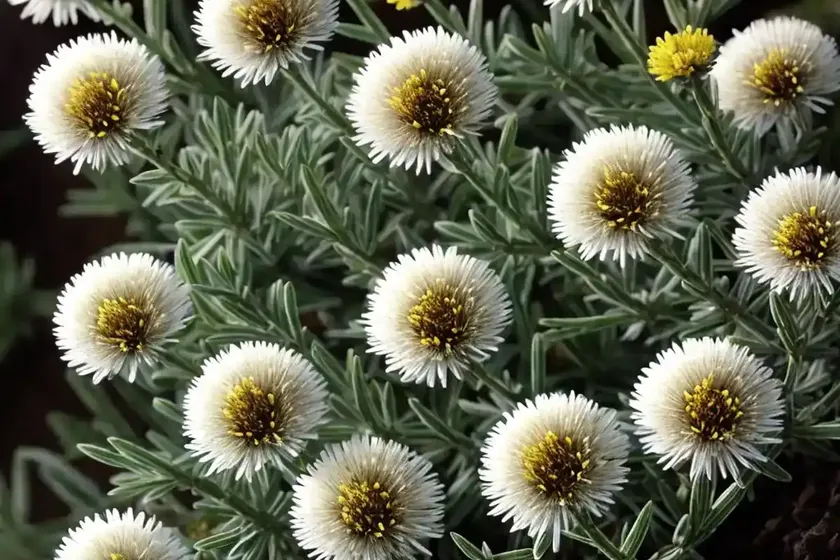
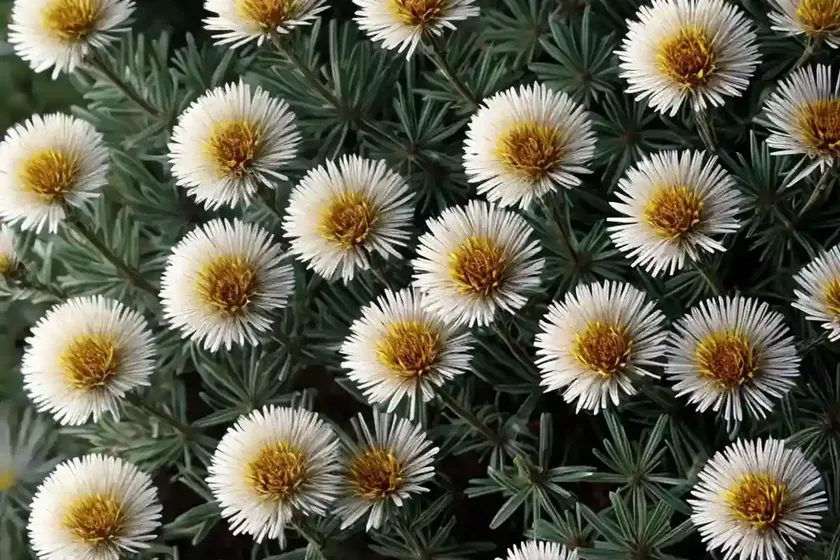
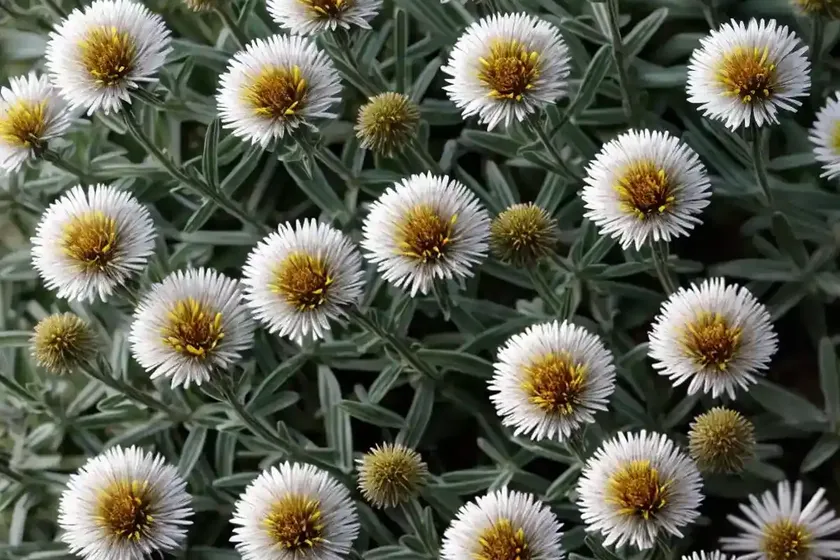
Aster alpinus, commonly known as alpine aster, is a charming and versatile perennial plant that graces gardens with its vibrant blooms and attractive foliage. If you are looking to add a pop of color to your landscape and attract pollinators, the alpine aster is an excellent choice. In this comprehensive guide, we will delve into the various aspects of caring for and using this beautiful plant.
What is Alpine Aster (Aster alpinus)?
Alpine aster (Aster alpinus) is a herbaceous perennial plant belonging to the Asteraceae family, known for its daisy-like flowers and compact growth habit. This plant is native to mountainous regions of Europe and Asia, where it thrives in rocky, well-drained soil. It is favored for its ability to naturalize in alpine and rock gardens, making it a popular choice for gardeners seeking low-maintenance, yet visually stunning, additions to their landscapes.
Key Takeaways – Alpine Aster (Aster alpinus)
Before we delve into the specifics of caring for alpine aster, let’s take a look at some key takeaways about this delightful plant.
- Botanical Name: Aster alpinus
- Common Name: Alpine Aster
- Plant Type: Herbaceous perennial
- Flower Color: Various shades of blue, purple, pink, and white
- Blooming Season: Late spring to early summer
- Sunlight: Full sun to partial shade
- Watering: Moderate; well-drained soil
- Soil Type: Sandy, loamy soil with good drainage
- Height: 6-12 inches
- USDA Hardiness Zones: 3-8
- Uses: Rock gardens, borders, containers, pollinator gardens
- Attracts: Bees, butterflies, and other pollinators
- Maintenance: Low maintenance, deer resistant
With these key points in mind, let’s explore the details of caring for and utilizing the alpine aster in various garden settings.
Culture
Cultivating a flourishing display of alpine aster involves understanding its cultural requirements, from soil preferences to ideal sunlight exposure. Here’s a breakdown of the cultural aspects to consider when growing this plant.
Uses
The alpine aster offers a wide range of uses in gardens and landscapes. Here are some common applications:
- Rock gardens
- Border plantings
- Container gardens
- Pollinator gardens
- Edging plant
Its compact growth habit and colorful blooms make it a versatile addition to various garden settings, from formal landscapes to naturalistic rockeries.
Water
Aster alpinus exhibits moderate water requirements and thrives in well-drained soil. Overly wet soil can lead to root rot, so it’s essential to ensure that the soil dries out between watering sessions. During the summer months, regular watering is necessary, particularly during dry spells.
Sunlight
Ideally, alpine aster thrives in full sun to partial shade. While it can tolerate some shade, it tends to produce the best floral display when grown in a sunny location. When planting in areas with hot afternoon sun, some light afternoon shade can help prevent wilting during peak summer temperatures.
Fertilizer
Alpine aster generally does not require excessive fertilization. A balanced, all-purpose fertilizer applied in early spring, as new growth emerges, can help promote healthy blooms and foliage. Avoid over-fertilizing, as this can lead to excessive foliage growth at the expense of flower production.
Soil
The alpine aster prefers sandy or loamy soil that is well-drained. It is essential to avoid heavy or waterlogged soil, as this can lead to root rot and other issues. When planting in the garden, amending the soil with organic matter such as compost can improve drainage and create an optimal growing environment for the plant.
Pruning
Pruning alpine aster is not overly demanding. Deadheading spent flowers can encourage prolonged blooming and help maintain the plant’s appearance. Additionally, cutting back the foliage in late fall or early spring can promote fresh growth and tidy up the plant for the upcoming growing season.
Propagation
Alpine aster can be propagated through seed or division. Seeds can be sown in containers or directly in the garden in late spring. Division of established clumps can be carried out in early spring, and the resulting divisions can be replanted to expand the display of alpine aster in the garden.
Container Popularity
Due to its compact size and attractive blooms, alpine aster is well-suited for container gardening. Its adaptability to different growing mediums and its moderate water requirements make it an excellent choice for adding color to patio containers, balcony gardens, and other small-scale gardening spaces.
Common Diseases
Alpine aster is relatively resistant to many common plant diseases. However, certain environmental conditions and cultural practices can make it susceptible to issues such as powdery mildew, rust, and fungal leaf spot diseases. To mitigate the risk of these diseases, it is important to provide the plant with proper air circulation, avoid overhead watering, and maintain good garden hygiene.
Disease Diagnosis
A visual inspection of the plant can often reveal signs of disease, such as discolored or distorted foliage, or the presence of fungal growth. If you suspect that your alpine aster is affected by a disease, it is crucial to take action promptly to prevent the spread of the issue to other nearby plants. Applying fungicidal treatments as a preventive measure can help safeguard the plant’s health.
Common Pests
While alpine aster is generally resilient against pest infestations, it can occasionally encounter challenges from pests such as aphids, spider mites, and slugs. Regular monitoring of the plant for signs of pest activity, such as wilting foliage, distorted growth, or the presence of insects, can help detect pest issues early on, allowing for prompt intervention.
Botanist’s Tips
As a plant scientist, I recommend the following tips for successfully growing and enjoying alpine aster in your garden:
- Plant in well-drained soil: Ensure that the planting site has good drainage to prevent water-related issues.
- Provide adequate sunlight: Aim to plant alpine aster in a location where it receives ample sunlight, especially during the blooming season.
- Monitor for pests and diseases: Regularly inspect the plant for signs of pest activity or disease development, and address any issues promptly.
- Consider companion plants: Pair alpine aster with other pollinator-attracting plants to create a vibrant and ecologically beneficial garden.
Fun Facts
To further appreciate the allure of alpine aster, here are some fun and intriguing facts about this delightful plant:
- Alpine aster is a native wildflower in parts of Europe, where it graces alpine meadows and rocky slopes with its blooms.
- The plant’s daisy-like flowers feature striking hues of blue, purple, pink, and white, adding a splash of color to the garden.
- As a pollinator-friendly plant, alpine aster attracts bees, butterflies, and other beneficial insects, contributing to the ecological value of the garden.
Now that we’ve covered the essential aspects of alpine aster, from its cultural requirements to its uses and potential challenges, it’s time to explore additional resources and further expand our knowledge of this captivating plant.
Links to External Resources
To delve deeper into the world of alpine aster and expand your understanding of its cultivation and uses, consider exploring the following external resources:
- Royal Horticultural Society – Aster alpinus
- Missouri Botanical Garden – Aster alpinus
- University of Vermont Extension – Growing Perennials: Aster alpinus
- Gardening Know How – Alpine Aster Care
- The Spruce – How to Grow Alpine Aster
- American Meadows – How to Grow Aster Seeds
By exploring these resources, you can gain further insights into the intricacies of alpine aster care and harness the knowledge to foster flourishing displays of this remarkable plant in your garden.
In conclusion, by understanding and harnessing the cultural needs of alpine aster, you can create a captivating and ecologically valuable garden landscape. With its dainty blooms, adaptability, and pollinator-attracting qualities, Aster alpinus has earned its place as a cherished addition to diverse garden settings, from rockeries to container gardens. As you embark on your journey of cultivating alpine aster, may the insights shared in this comprehensive guide empower you to nurture thriving displays of this enchanting perennial plant.
Would you like to explore more about the cultivation and uses of alpine aster, or are there specific aspects of plant care that you would like to delve into further? Your feedback and inquiries are welcomed as we continue our journey of discovery and appreciation for the captivating world of plants.
The blog post has been crafted to provide a comprehensive guide to the cultivation and uses of alpine aster (Aster alpinus), including detailed insights into its cultural requirements, potential challenges, and intriguing fun facts. For further exploration of the topic, the post includes links to external resources that offer additional information on growing this delightful perennial plant. If you have any additional inquiries or topics you’d like to explore, feel free to let me know!