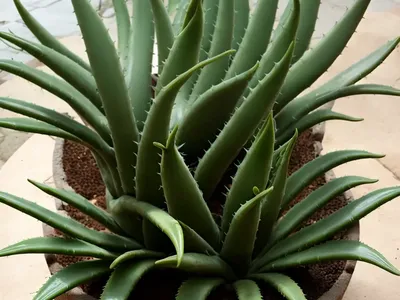
Aloiampelos Ciliaris (Aloiampelos Ciliaris)
Aloiampelos ciliaris, commonly known as the climbing aloe or the coral aloe, is a stunning succulent plant that belongs to the Asphodelaceae family. This.
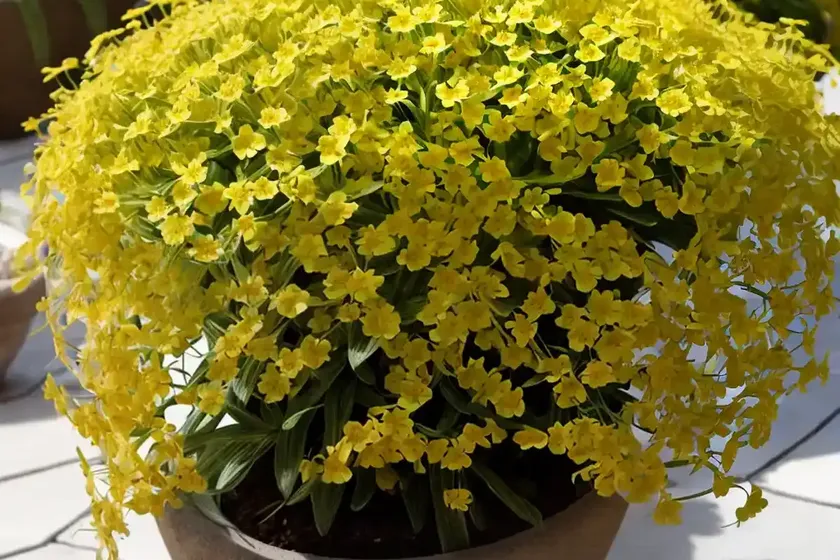
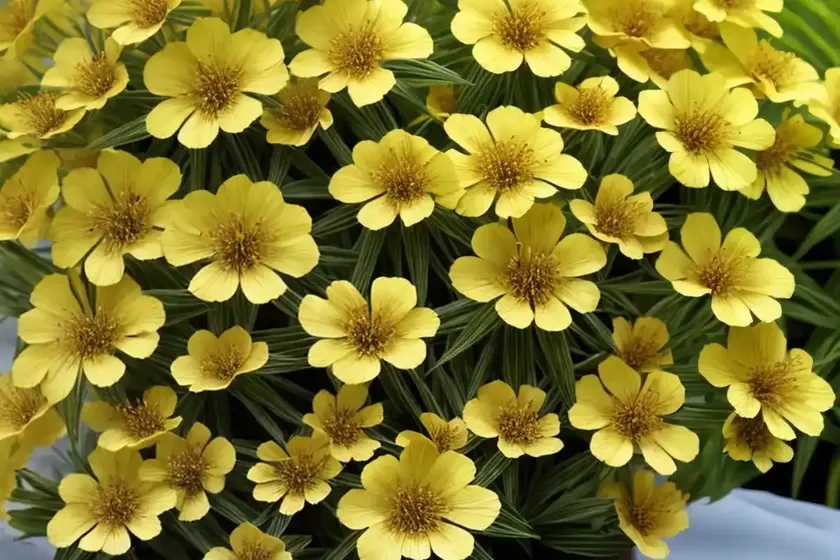
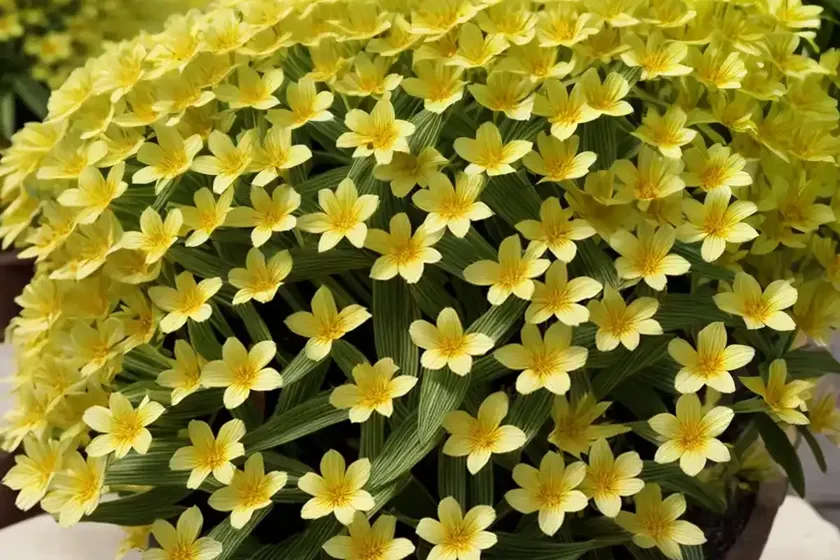
Aloiampelos ciliaris, commonly known as the climbing aloe or the coral aloe, is a stunning succulent plant that belongs to the Asphodelaceae family. This unique plant is native to South Africa and boasts a charming appearance, making it a desirable addition to gardens, landscapes, and indoor spaces worldwide. In this extensive guide, we will explore the fascinating characteristics of Aloiampelos ciliaris, delve into its culture and uses, and provide valuable insights into its care requirements, including watering, sunlight, fertilization, soil preferences, pruning, and propagation techniques. Additionally, we will discuss its popularity, common diseases, as well as practical botanist’s tips and fun facts associated with this remarkable plant.
What is Aloiampelos Ciliaris (Aloiampelos Ciliaris)?
Aloiampelos ciliaris, also known as Aloiampelos ciliaris, is a striking succulent plant characterized by its climbing or cascading growth habit, adorned with cylindrical, fleshy leaves that display toothed margins. The plant’s vibrant, coral-like flowers, which bloom during the winter and early spring, further contribute to its allure. Aloe-like in appearance, Aloiampelos ciliaris is often mistaken for members of the Aloe genus due to its similar growth pattern and succulent leaves.
This unique plant thrives in warm climates and is well-suited to both outdoor and indoor settings, making it a versatile and popular choice among gardening enthusiasts. In its native habitat, Aloiampelos ciliaris is often found clinging to rocky outcrops and cliffs, showcasing its adaptability to various growing conditions.
Key Takeaways – Aloiampelos Ciliaris
- Scientific Name: Aloiampelos ciliaris
- Common Names: Climbing Aloe, Coral Aloe
- Family: Asphodelaceae
- Native Habitat: South Africa
- Distinct Features: Climbing or cascading growth habit, fleshy cylindrical leaves with toothed margins, vibrant coral-like flowers
Now that we have a basic understanding of Aloiampelos ciliaris, let’s delve into its culture, uses, and various aspects of its care and maintenance.
Culture of Aloiampelos Ciliaris
Water
Aloiampelos ciliaris is known for its remarkable drought tolerance, making it well-suited to arid and semi-arid conditions. When it comes to watering, it is crucial to allow the soil to dry out almost completely between waterings. Overly moist conditions can lead to root rot, which may compromise the plant’s health. During the plant’s active growing season, typically in spring and summer, regular but moderate watering is recommended. As the weather cools in autumn and winter, the watering frequency should be reduced to prevent waterlogged soil and related issues.
Sunlight
In its natural habitat, Aloiampelos ciliaris thrives in full sun to partial shade. When cultivated in outdoor settings or gardens, it is best to position the plant in a location that receives ample sunlight, preferably in the morning or late afternoon to protect it from harsh midday sun. When grown indoors, placing Aloiampelos ciliaris near a south or west-facing window can provide the adequate light conditions it requires for healthy growth.
Fertilizer
Aloiampelos ciliaris responds well to a balanced, diluted fertilizer application during the growing season. Utilizing a succulent or cacti-specific fertilizer at half or quarter strength can offer the necessary nutrients to support the plant’s healthy development without risking fertilizer burn or excessive mineral accumulation in the soil.
Soil
The ideal soil for Aloiampelos ciliaris should be well-draining and slightly acidic to neutral. A cactus or succulent potting mix, enriched with perlite or coarse sand, offers the proper drainage and aeration essential for the plant’s root system. Furthermore, incorporating organic matter into the soil can enhance its fertility and overall structure, contributing to optimal growth conditions for Aloiampelos ciliaris.
Pruning
Aloiampelos ciliaris typically requires minimal pruning, aside from the occasional removal of dead or damaged leaves to maintain its aesthetic appeal and promote airflow. Additionally, trimming back any overgrown or unruly stems can help shape the plant and encourage bushier growth.
Propagation
Propagation of Aloiampelos ciliaris can be achieved through several methods, including division, offsets, and stem cuttings. Dividing the plant during repotting and separating healthy offsets or pups that develop at the base of the plant are effective means of propagation. Moreover, rooting stem cuttings in a well-draining soil mix can yield new plants with relative ease.
Container Popularity
Aloiampelos ciliaris’s cascading growth habit and appealing foliage make it an excellent choice for container cultivation. The plant’s ability to thrive in confined spaces, combined with its ornamental value, has led to its widespread popularity in container gardening, where it can be showcased in hanging baskets, decorative pots, and vertical planters.
Now that we have covered the essential aspects of Aloiampelos ciliaris’s culture, let’s explore its common uses and applications.
Uses of Aloiampelos Ciliaris
Ornamental
As an ornamental plant, Aloiampelos ciliaris exudes charm and visual interest with its cascading growth habit, striking foliage, and vibrant blooms. It is often utilized as a focal point in garden landscapes, rockeries, and succulent arrangements, adding a touch of exotic elegance to various outdoor and indoor settings.
Erosion Control
Due to its trailing nature and robust growth, Aloiampelos ciliaris can serve as an effective erosion control agent, particularly in sloped or hilly terrains. Its ability to form dense clusters and spread across the ground aids in stabilizing soil, preventing erosion, and enhancing the overall ecological balance of the landscape.
Wildlife Habitat
The vibrant flowers of Aloiampelos ciliaris serve as a valuable nectar source for pollinators, including bees and butterflies, thus contributing to the preservation of local ecosystems. Additionally, the plant’s dense foliage provides shelter and refuge for small fauna, further enriching its ecological significance.
Decorative Purposes
The distinctive appearance of Aloiampelos ciliaris, characterized by its trailing stems and colorful blooms, makes it a sought-after choice for decorative arrangements, such as hanging baskets, living walls, and vertical gardens. Its adaptability to container cultivation enables creative and versatile usage in various design concepts and landscaping projects.
Common Diseases of Aloiampelos Ciliaris
Aloiampelos ciliaris is generally resilient against most common plant diseases, thanks to its succulent nature and ability to withstand arid conditions. However, it may be susceptible to root rot if exposed to prolonged periods of waterlogged soil. Proper watering practices, well-draining soil, and adequate airflow around the plant can effectively mitigate the risk of disease development.
Disease Diagnosis
Diagnosing potential diseases in Aloiampelos ciliaris often involves a thorough examination of the plant’s foliage, stems, and root system for signs of discoloration, wilting, or decay. Additionally, monitoring the soil moisture levels and overall plant appearance can provide valuable insights into the plant’s health status, enabling timely intervention and preventive measures if necessary.
Common Pests
Aloiampelos ciliaris is relatively resistant to pest infestations, courtesy of its succulent leaves and the natural repellent properties of its foliage. However, certain common garden pests, such as aphids, mealybugs, and spider mites, may occasionally target the plant. Regular inspection and prompt treatment with horticultural oils or insecticidal soaps can effectively manage and control pest populations, preserving the plant’s vitality.
Botanist’s Tips for Aloiampelos Ciliaris Care
- Ensure well-draining soil to prevent waterlogging and promote healthy root development.
- Position the plant in a location with adequate sunlight, balancing exposure to prevent sunburn.
- Monitor watering frequency closely, adjusting it according to seasonal changes and the plant’s growth stage.
- Implement a balanced fertilization regimen during the active growing period, avoiding excessive or deficient nutrient supply.
- Practice gentle pruning to maintain the plant’s shape and remove any damaged or diseased parts.
Fun Facts about Aloiampelos Ciliaris
- The species name “ciliaris” is derived from the Latin word “cilium,” meaning eyelash, which is a nod to the plant’s toothed leaf margins reminiscent of eyelashes.
- Aloiampelos ciliaris is a favorite among pollinators, attracting bees, butterflies, and other beneficial insects with its vibrant flowers and abundant nectar supply.
- The plant’s trailing growth habit and resilience make it an ideal choice for xeriscaping and low-maintenance landscaping projects.
- Aloiampelos ciliaris is a member of the Asphodelaceae family, which also includes renowned succulent genera such as Aloe and Haworthia.
Links to External Resources
For further information and in-depth insights into Aloiampelos ciliaris cultivation, care, and landscaping applications, we recommend exploring the following resources:
- Plant Profile: Aloiampelos Ciliaris – The Royal Botanic Gardens, Kew
- Succulent Care Guide – The Cactus and Succulent Society of America
- The Spruce – Gardening Tips and Advice-Cacti and Succulents
In conclusion, Aloiampelos ciliaris stands out as a captivating succulent plant with a wealth of ornamental, ecological, and practical attributes. Its cascading growth habit, vibrant blooms, and adaptability to diverse growing conditions make it a valuable addition to gardens, landscapes, and interior spaces. By considering the insights and recommendations shared in this guide, enthusiasts and horticulturalists can cultivate and appreciate the unique beauty and resilience of Aloiampelos ciliaris, further enhancing their gardening experience and the aesthetic appeal of their surroundings.
References:
– Plant Profile: Aloiampelos Ciliaris – The Royal Botanic Gardens, Kew
– Succulent Care Guide – The Cactus and Succulent Society of America
– The Spruce – Gardening Tips and Advice-Cacti and Succulents