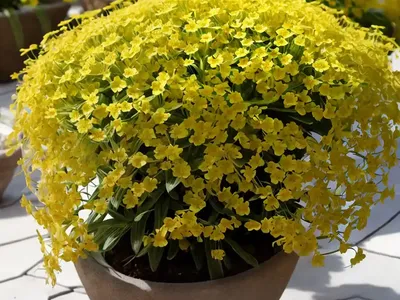
Aloe Striatula (Aloiampelos Striatula)
Aloiampelos striatula, commonly known as Aloe striatula, is a striking succulent plant that belongs to the Asphodelaceae family. This species is native to.
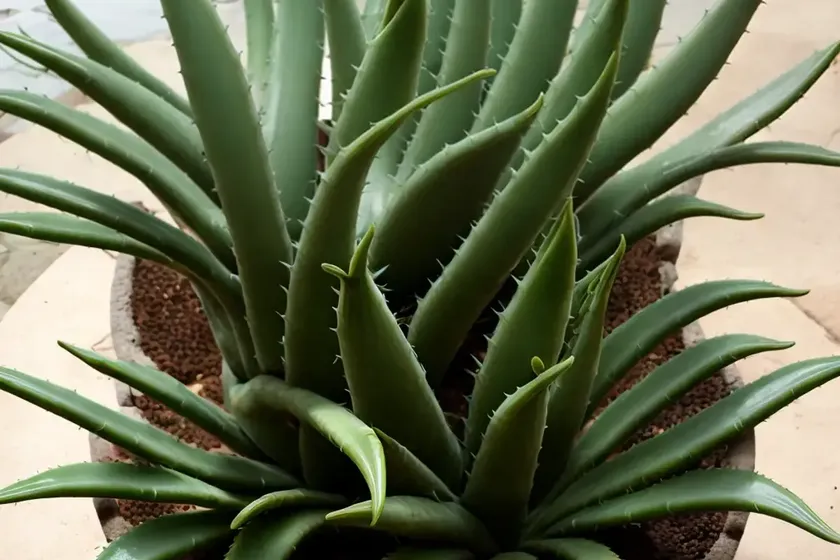
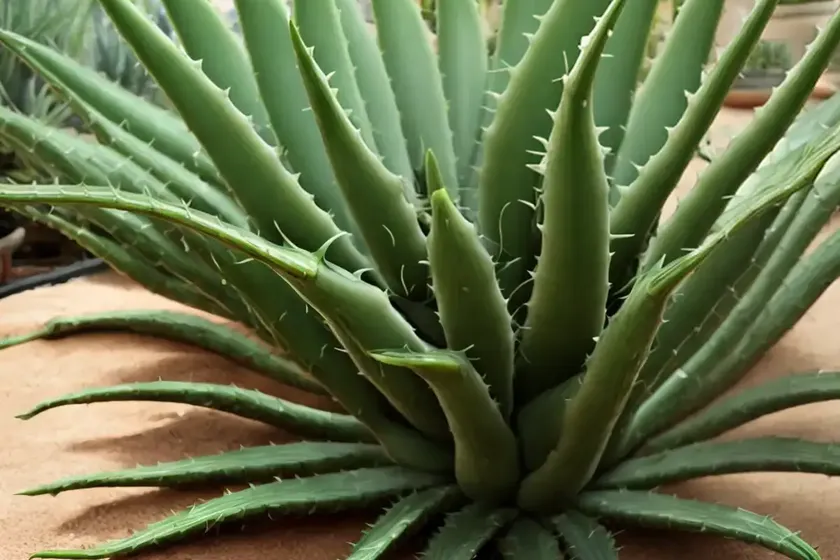
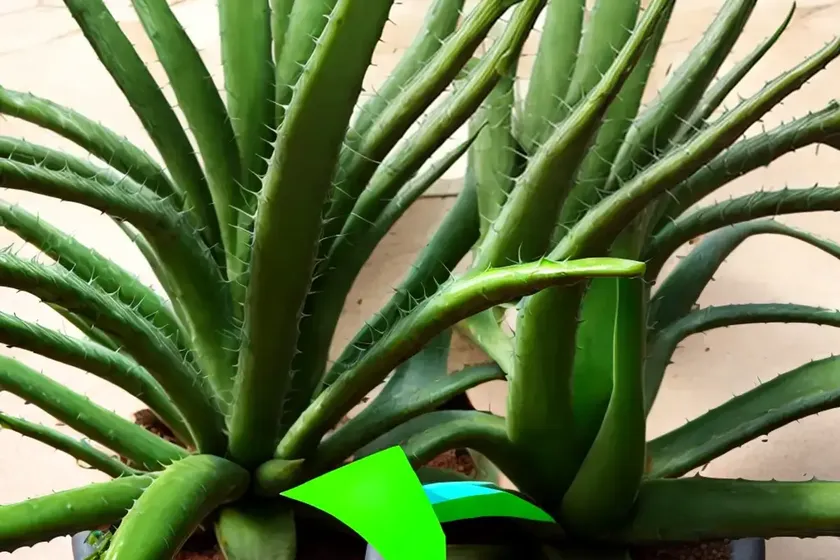
Aloiampelos striatula, commonly known as Aloe striatula, is a striking succulent plant that belongs to the Asphodelaceae family. This species is native to South Africa and Eswatini, where it thrives in arid and semi-arid environments. Aloe striatula is distinguished by its attractive foliage and resilience to harsh growing conditions, making it a popular choice for both indoor and outdoor cultivation.
Key Takeaways
Aloiampelos striatula (Aloe striatula)
- Characteristics: Drought-tolerant, succulent, and ornamental.
- Cultural Requirements: Well-draining soil, ample sunlight, and minimal water.
- Propagation: Can be propagated from offsets or seeds.
- Diseases and Pests: Susceptible to root rot and mealybugs.
- Container Gardening: Well-suited for container cultivation both indoors and outdoors.
- Fun Facts: Aloe striatula has been traditionally used for its medicinal properties and is a valuable addition to xeriscapes.
In this comprehensive guide, we will delve into the culture, uses, maintenance, and propagation of Aloiampelos striatula, shedding light on the fascinating world of this stunning succulent.
Culture
Uses
Aloiampelos striatula holds several uses, from its ornamental value to its traditional medicinal applications. Here are some of its primary uses:
- Ornamental Plant: Its striking architectural form and the stunning contrast of its pale gray-green leaves make Aloe striatula a popular choice for landscape design and container gardening.
- Medicinal Purposes: In traditional medicine, Aloe striatula has been utilized for various medicinal purposes, including as a treatment for skin ailments and digestive issues.
Water
Aloe striatula is highly adapted to water-poor environments, and therefore, it requires minimal watering. It is crucial to allow the soil to dry out completely between waterings to prevent root rot, particularly in cooler months when the plant is less actively growing.
Sunlight
This succulent thrives in full sun to partial shade. When grown in ample sunlight, Aloe striatula displays the best growth and vibrant leaf coloration.
Fertilizer
Aloe striatula is relatively low-maintenance and typically does not require fertilizer. However, if the plant is being grown in a container or nutrient-deficient soil, a diluted, balanced fertilizer can be applied in the spring and early summer months.
Soil
The key to successfully growing Aloe striatula lies in providing well-draining soil. A sandy or gritty mix is ideal to prevent waterlogging and root rot. A cactus or succulent mix that provides excellent aeration and drainage is well-suited for this species.
Pruning
Pruning requirements for Aloiampelos striatula are minimal. However, the removal of any dead or damaged leaves can help maintain the plant’s overall aesthetic appeal.
Propagation
Aloe striatula can be propagated through offsets or seeds. Offsets, also known as “pups,” can be carefully separated from the mother plant and potted individually. When propagating using seeds, sowing them in a well-draining seed-starting mix and providing bright, indirect light can facilitate successful germination.
Container Gardening
Aloe striatula is an excellent choice for container gardening, both indoors and outdoors. When grown in containers, it is crucial to ensure proper drainage and an appropriately sized pot to accommodate the plant’s root system.
Common Diseases
Disease Diagnosis
Aloe striatula is vulnerable to root rot if its soil becomes waterlogged. Symptoms include wilting, yellowing leaves, and a foul odor emanating from the soil. To prevent root rot, it is paramount to practice careful watering and ensure that the soil dries out between waterings.
Common Pests
Botanist’s Tips
Mealybugs can be a common pest issue for Aloe striatula. To control and prevent infestations, regularly inspect the plant for signs of these pests and utilize natural methods such as neem oil or insecticidal soaps to deter them effectively.
Fun Facts
- Aloe striatula is known for its drought tolerance and water-storing abilities, making it an exceptional choice for xeriscaping and water-wise gardens.
- It is a valuable addition to wildlife habitats, attracting pollinators such as bees and birds with its blooming flowers.
Through its ecological contributions and ornamental value, Aloe striatula remains a cherished plant for both gardeners and nature enthusiasts.
Links to External Resources
- Aloiampelos striatula Plant Profile – Royal Horticultural Society
- Aloe striatula Cultivation Guide – World of Succulents
- Propagation of Aloiampelos striatula – Plantz Africa
- Medicinal Uses of Aloe striatula – South African National Biodiversity Institute
- Sustainable Landscaping with Aloiampelos striatula – Water Wise Plants
- Aloe striatula Care Tips – Gardening Know How
I hope this guide enriches your understanding of Aloiampelos striatula and inspires you to incorporate this remarkable succulent into your own botanical endeavors.