Aloe Polyphylla (Spiral Aloe)
Plants have always fascinated humanity with their beauty, diversity, and versatility. One such plant that has captured the interest of plant enthusiasts.
Plants have always fascinated humanity with their beauty, diversity, and versatility. One such plant that has captured the interest of plant enthusiasts and scientists alike is the Aloe polyphylla, also known as the Spiral Aloe. This unique and visually stunning succulent has piqued the curiosity of individuals interested in gardening, landscaping, and botanical research. In this extensive guide, we will delve into the intricate world of Aloe polyphylla, exploring its cultural significance, uses, care requirements, propagation methods, common diseases and pests, as well as a myriad of fascinating facts and tips from professional botanists. By the end of this comprehensive journey, you will have gained a profound understanding of the Aloe polyphylla and its role in horticulture and beyond.
What is Aloe Polyphylla (Spiral Aloe)?
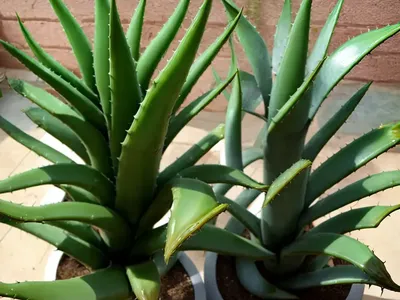
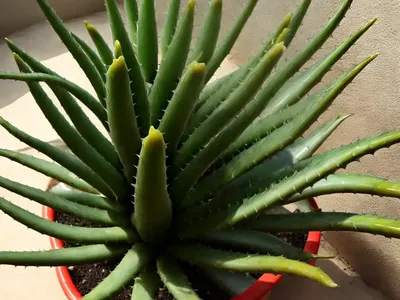
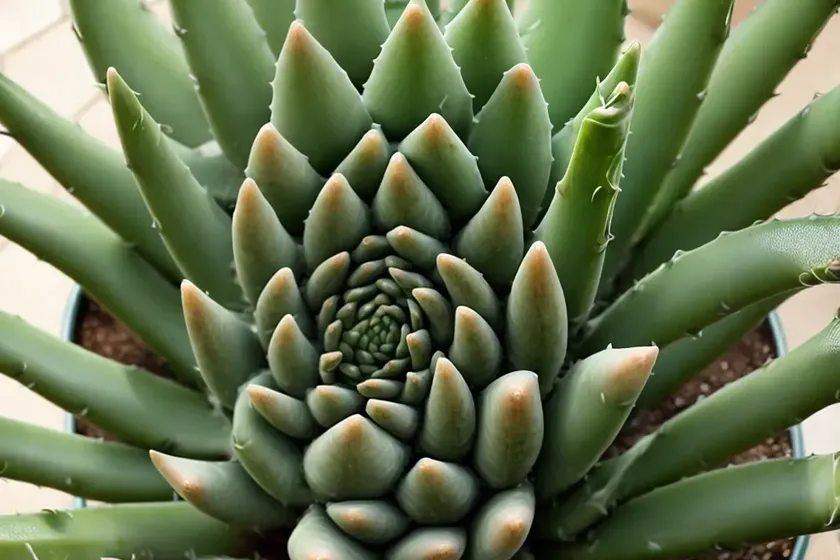
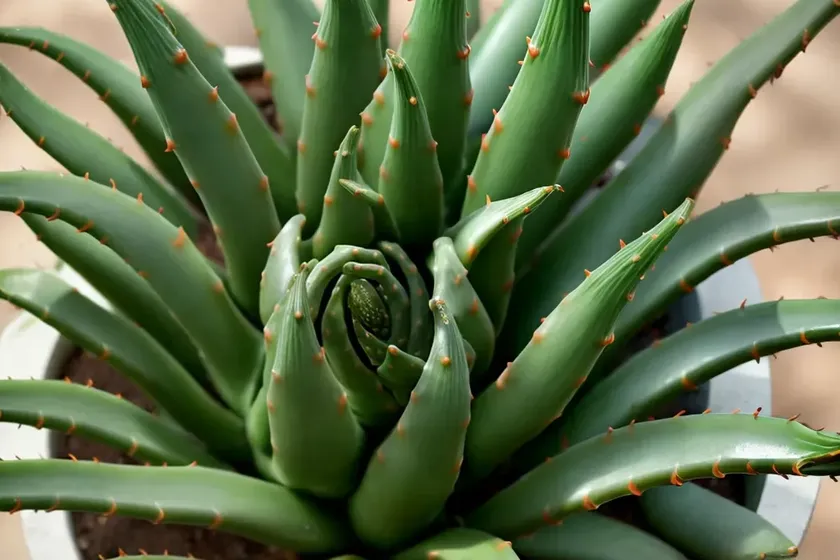
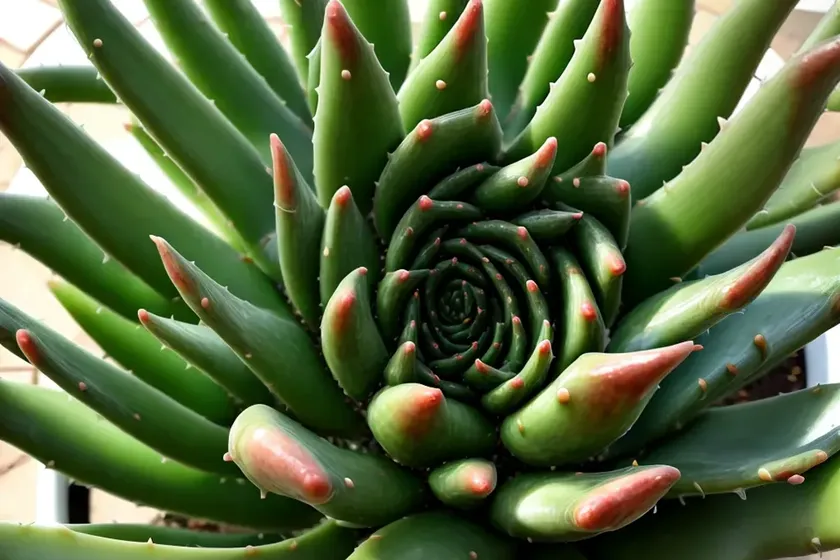
Aloe polyphylla is a captivating species of succulent that belongs to the Aloe genus, indigenous to the Maluti Mountains in the Kingdom of Lesotho, a landlocked country in Southern Africa. It is a resilient and visually striking plant characterized by its distinct spiral growth pattern, which sets it apart from other aloes and succulents. The captivating spiral arrangement of its fleshy, lance-shaped leaves captures the attention of admirers and has made Aloe polyphylla a sought-after addition to botanical collections, rock gardens, and xeriscape designs around the world.
Key Takeaways – Aloe Polyphylla (Spiral Aloe)
Before we delve deeper into the intricacies of Aloe polyphylla, let’s explore the key takeaways of this remarkable plant.
- Scientific Name: Aloe polyphylla
- Common Name: Spiral Aloe
- Native Habitat: Maluti Mountains, Lesotho
- Unique Feature: Spiral arrangement of leaves
- Cultural Uses: Ornamental plant, medicinal purposes
- Growth Pattern: Rosette-forming succulent
- Special Considerations: Climate adaptability, watering needs, soil preferences
Now, let’s embark on a comprehensive exploration of Aloe polyphylla, uncovering its cultural significance, uses, cultivation requirements, and much more.
Culture of Aloe Polyphylla
Understanding the cultural aspects of Aloe polyphylla is essential for appreciating its significance in various contexts, such as horticulture, traditional medicine, and symbolic meanings. Let’s delve into the cultural dimensions of this exceptional plant.
Uses
Ornamental Value
Aloe polyphylla’s exquisite spiral growth and symmetrical rosette form make it an exceptional ornamental plant, sought after by succulent enthusiasts, landscape designers, and collectors. Its visual appeal and distinctive leaf arrangement make it an eye-catching addition to gardens, rockeries, and succulent displays.
Medicinal Purposes
In traditional African medicine, Aloe species have been valued for their therapeutic properties. While the specific medicinal uses of Aloe polyphylla may differ from those of other Aloe species, its potential health benefits have contributed to its cultural significance in local healing practices. However, it is important to note that any medicinal applications should be approached with caution and under the guidance of trained healthcare professionals.
Water
A crucial aspect of Aloe polyphylla’s care involves understanding its water requirements. Being a succulent, Aloe polyphylla is adapted to arid environments and has low water needs compared to many other plants. Overwatering can be detrimental to its health and may lead to root rot and fungal diseases. It is essential to allow the soil to dry out between watering sessions, especially during the plant’s dormant period in winter.
Sunlight
Aloe polyphylla thrives in bright, indirect sunlight and can withstand full sun exposure in cooler climates. When cultivating this succulent, provide it with a well-lit location that offers protection from intense midday sun, especially in regions with hot summers. Adequate sunlight is essential for promoting the plant’s robust growth and maintaining the vibrant coloration of its leaves.
Fertilizer
In terms of fertilizer application, Aloe polyphylla does not have excessive nutrient requirements. It is advisable to use a balanced, water-soluble fertilizer at half-strength during the plant’s active growing season in spring and summer. Refrain from fertilizing during the plant’s dormant period in winter, as excessive nutrients can result in adverse effects on the plant’s health.
Soil
A well-draining soil mix is crucial for the successful cultivation of Aloe polyphylla. Consider using a blend specifically formulated for cacti and succulents, or create a custom mix using components such as coarse sand, perlite, and porous soil with excellent drainage properties. Avoid compact, moisture-retentive soils that can compromise the plant’s root health and vigor.
Pruning
Aloe polyphylla generally requires minimal pruning, primarily focused on the removal of dead or damaged leaves to maintain the plant’s aesthetic appeal and overall health. Use sterile cutting tools to carefully trim any discolored or desiccated leaves, ensuring that the cuts are clean to prevent potential entry points for pathogens.
Propagation of Aloe Polyphylla
Propagation is a fundamental aspect of plant care and is particularly valuable for succulent enthusiasts and horticulturists aiming to expand their Aloe polyphylla collection. Let’s explore the propagation methods suitable for this captivating plant.
Seed Propagation
The propagation of Aloe polyphylla from seed is a viable method for obtaining new plants, albeit a relatively slow process compared to vegetative propagation. When working with seeds, it is essential to use a well-draining seed starting mix and maintain consistent moisture levels without overwatering. Germination may take several weeks to months, and the resulting seedlings will require careful nurturing to ensure their healthy development.
Offsets (Pups) Division
Aloe polyphylla occasionally produces offsets, also known as pups, around the base of the parent plant. These offsets can be carefully detached from the main plant using a sharp, sterile knife. Allow the cut ends of the offsets to callus for a few days before planting them in a suitable succulent potting mix. With proper care and suitable environmental conditions, the offsets will establish themselves and develop into independent Aloe polyphylla plants.
Tissue Culture
Tissue culture, a laboratory-based propagation method, offers a means of rapidly propagating Aloe polyphylla while maintaining genetic uniformity. This advanced technique involves the culturing of plant tissue in a sterile, controlled environment to stimulate the growth of new plants. While tissue culture is more commonly employed in commercial horticulture and research settings, it plays a significant role in the mass production of desirable plant varieties, including Aloe polyphylla.
Aloe Polyphylla in Containers
For individuals with limited garden space or those seeking to elevate their indoor and outdoor environments, cultivating Aloe polyphylla in containers offers a compelling option. Let’s explore the practical considerations and tips for integrating Spiral Aloe into container gardening.
Popularity in Container Gardening
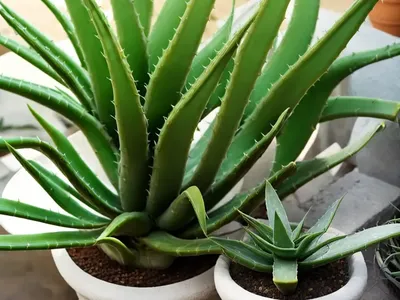
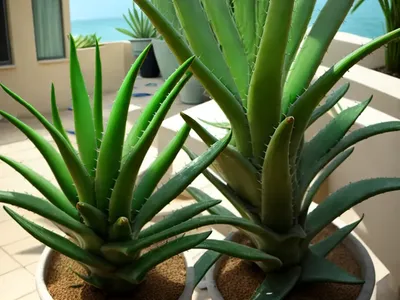
Aloe polyphylla’s compact size, striking appearance, and low maintenance requirements make it an appealing choice for container gardening. Whether placed on sunny patios, balconies, or indoor spaces with ample natural light, Aloe polyphylla’s captivating presence enhances the visual appeal of container displays.
Container Selection
When selecting a container for Aloe polyphylla, prioritize options that provide adequate drainage to prevent waterlogging and root rot. Consider pots made of porous materials such as terracotta or unglazed ceramic, which facilitate better air circulation around the plant’s roots. Opt for a container that accommodates the plant’s current size with some room for future growth.
Potting Mix
Choose a well-draining, porous potting mix specifically formulated for cacti and succulents or create a custom blend using components such as coarse sand, perlite, and gritty soil. Ensure that the potting mix allows excess moisture to drain freely while providing ample support for the plant’s root system.
Watering Considerations
When growing Aloe polyphylla in containers, it is essential to adjust your watering practices to account for the limited soil volume. Allow the top layer of the potting mix to dry out between watering sessions, ensuring that excess water can drain freely from the container. Monitor the plant’s moisture requirements closely, especially during periods of active growth and environmental changes.
Sunlight Requirements
Position Aloe polyphylla containers in well-lit areas that receive indirect sunlight or partial shade. When placing containers outdoors, provide ample protection from intense midday sun, especially in regions with scorching summers. Indoors, position the containers near bright windows or under grow lights to ensure the plant receives sufficient illumination for healthy growth.
Maintenance Tips
Regularly inspect container-grown Aloe polyphylla for signs of overgrowth, overcrowding, or nutrient deficiencies. As the plant develops, consider repotting it into a slightly larger container to provide adequate space for its root system and ensure continued vitality. Prune any dead or discolored leaves and adjust the plant’s positioning as needed to maintain its optimal growth.
Common Diseases of Aloe Polyphylla
Despite being a resilient and adaptable succulent, Aloe polyphylla may be susceptible to certain diseases that can impact its vigor and aesthetic appeal. Identifying and addressing these diseases promptly is essential for safeguarding the health of this remarkable plant.
Disease Diagnosis
-
Root Rot: Overwatering and poorly-draining soils can lead to the development of root rot in Aloe polyphylla, causing the plant’s roots to become mushy and discolored. To diagnose root rot, carefully inspect the plant’s roots for signs of decay and investigate the moisture levels and drainage properties of the planting medium.
-
Fungal Infections: Fungal pathogens can affect Aloe polyphylla, causing symptoms such as discoloration, lesions, and rot in the plant’s leaves or stems. Proper ventilation, balanced watering, and the use of sterile gardening equipment are essential for preventing fungal diseases in Aloe polyphylla.
-
Pest-Related Damage: While not a disease in the traditional sense, pest infestations can significantly impact the health of Aloe polyphylla. Common pests such as aphids, spider mites, and scale insects can cause visible damage to the plant, including wilting, leaf discoloration, and stunted growth. Vigilant monitoring and the timely implementation of pest control measures are crucial for mitigating these concerns.
Common Pests
-
Aphids: These small, sap-sucking insects can congregate on the leaves and stems of Aloe polyphylla, causing visible damage and potentially transmitting viral diseases. Consider using insecticidal soap or neem oil to manage aphid populations effectively.
-
Spider Mites: These tiny arachnids can inflict damage on Aloe polyphylla by piercing the plant’s tissues and extracting sap, leading to leaf discoloration and webbing. Employing natural predators such as predatory mites or applying miticides can help control spider mite infestations.
-
Scale Insects: Scale insects, characterized by their protective waxy covering, can affix themselves to the leaves and stems of Aloe polyphylla, where they feed on the plant’s sap, potentially causing yellowing and weakening of the affected areas. Introducing natural enemies or using horticultural oils can aid in managing scale infestations effectively.
Botanist’s Tips for Aloe Polyphylla care
Drawing upon the insights of experienced botanists and succulent experts, we can gather valuable tips and guidance for the optimal care and cultivation of Aloe polyphylla. These expert recommendations provide invaluable knowledge for both novice and seasoned plant enthusiasts.
Fun Facts
- The spiral growth pattern of Aloe polyphylla, with its clockwise or counterclockwise leaf arrangement, has captivated botanists and plant lovers for generations, inspiring a sense of wonder and admiration for the intricate designs of nature.
- Aloe polyphylla is considered a “biological wonder” due to its exceptional leaf arrangement and its native habitat within the Maluti Mountains, an environment characterized by rugged terrain and challenging growing conditions.
Botanist’s Insights
-
Climate Adaptability: Aloe polyphylla exhibits remarkable adaptability to diverse environmental conditions, ranging from its native mountain habitats to cultivation in temperate and arid regions globally. Understanding the plant’s native climate can inform its successful cultivation in varying geographical locales.
-
Pruning Best Practices: Pruning dead or withered leaves is crucial for maintaining the health and aesthetics of Aloe polyphylla, promoting air circulation, and reducing the risk of disease. Botanists emphasize the use of sterile tools and mindful pruning techniques to minimize stress on the plant.
-
Soil Composition: The composition of the planting medium significantly impacts the health and growth of Aloe polyphylla. Botanists recommend using soil mixes that support excellent drainage while providing essential nutrients and minerals for the plant’s vitality.
-
Succulent Expertise: Drawing on their expertise in succulent care, botanists highlight the importance of understanding the specific needs of Aloe polyphylla as a succulent plant. Balancing water, sunlight, and soil requirements is essential for fostering its well-being and longevity.
Links to External Resources
To further expand your knowledge of Aloe polyphylla and delve into related topics such as succulent care, botany, and horticulture, consider exploring the following external resources:
-
International Succulent Introductions: Visit Website
-
Royal Horticultural Society – Aloe polyphylla: Visit Website
-
World of Succulents: Visit Website
-
The American Society of Plant Biologists: Visit Website
By accessing these reputable sources, you can access a wealth of information, cultivation advice, and professional insights on Aloe polyphylla, further enhancing your understanding of this extraordinary plant.
In conclusion, Aloe polyphylla, or the Spiral Aloe, stands as a botanical marvel that continues to intrigue and inspire plant enthusiasts, researchers, and cultural practitioners worldwide. By understanding its unique characteristics, cultural significance, propagation methods, and care essentials, we can deepen our appreciation and stewardship of this exceptional succulent. Whether cultivated in gardens, showcased in container displays, or studied for its medicinal and ecological roles, Aloe polyphylla represents a symbol of natural beauty and resilience, inviting us to explore the wonders of plant life and our harmonious relationship with the natural world.
As you continue your journey in discovering the intricacies of Aloe polyphylla and the broader realm of succulent plants, remember to embrace the guidance of experienced botanists, cultivate an inquisitive spirit, and share the awe-inspiring allure of botanical wonders with others. With a foundation of knowledge and a dash of horticultural passion, you can embark on a rewarding and enriching exploration of the captivating realm of Aloe polyphylla, celebrating its unique features, adaptability, and cultural significance.