Aloe Microstigma (Cape Speckled Aloe)
Aloe microstigma, commonly known as Cape Speckled Aloe, is a spectacular succulent plant native to the Eastern Cape of South Africa. This unique aloe.
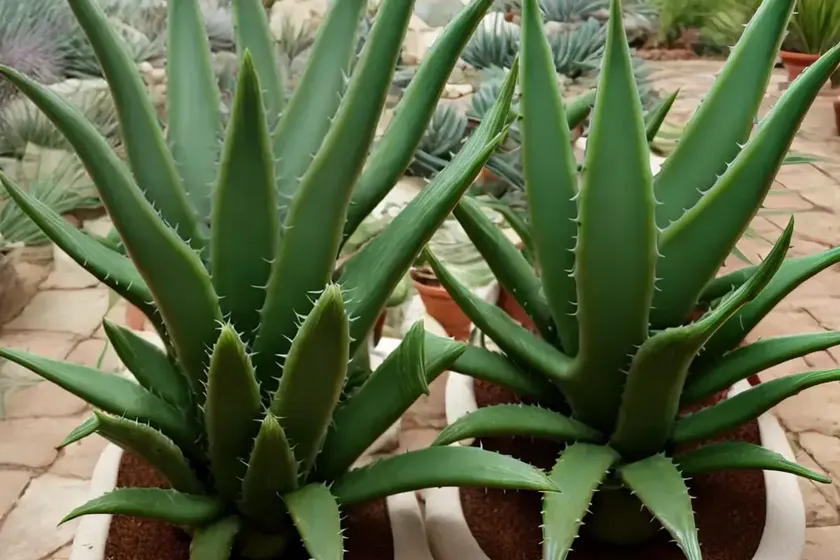
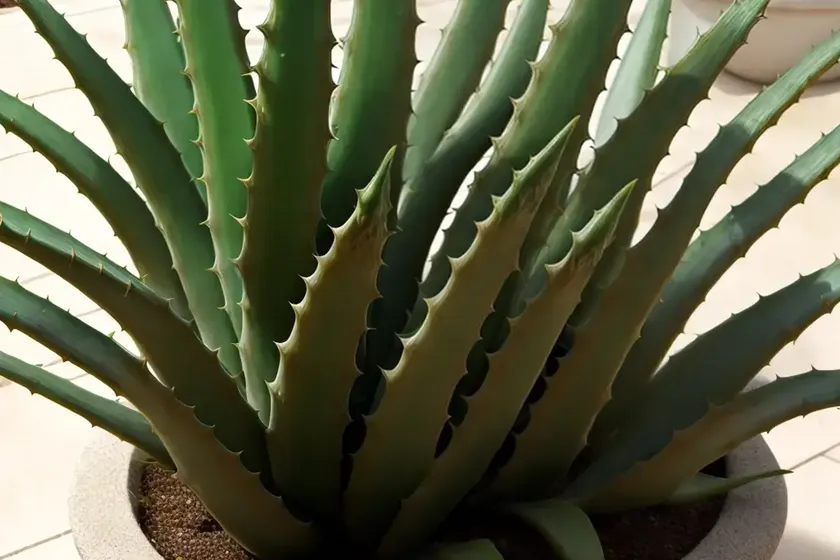
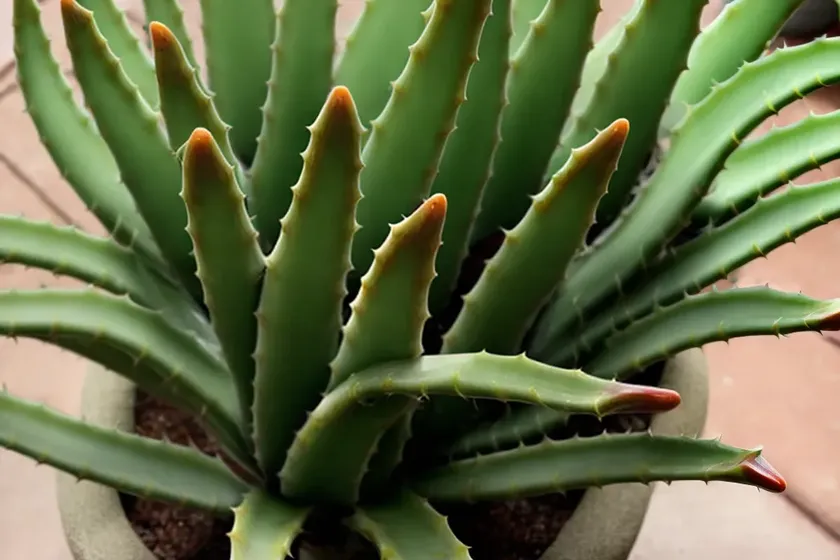
Aloe microstigma, commonly known as Cape Speckled Aloe, is a spectacular succulent plant native to the Eastern Cape of South Africa. This unique aloe species is known for its striking foliage, low maintenance requirements, and various cultural and medicinal uses. In this comprehensive guide, we will delve into the characteristics, care tips, propagation methods, and much more about the Aloe microstigma, along with a detailed exploration of its benefits and uses.
What is Aloe microstigma (Cape Speckled Aloe)?
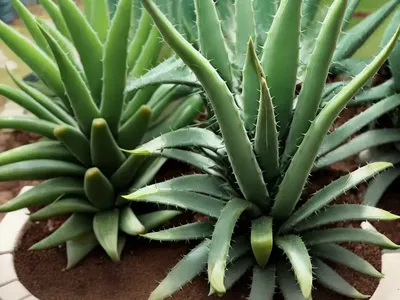
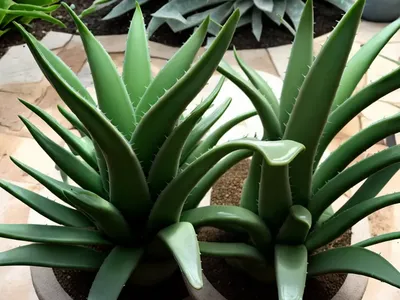
Aloe microstigma, or Cape Speckled Aloe, is a species of Aloe that belongs to the Asphodelaceae family. This perennial succulent is indigenous to the Eastern Cape region of South Africa, where it thrives in arid and rocky landscapes. It is a distinctive species known for its charming rosettes of blue-green leaves adorned with white speckles and reddish-brown margins, making it a visually appealing addition to both indoor and outdoor settings.
The Cape Speckled Aloe typically forms compact rosettes with long, lance-shaped leaves that can grow up to around 12 inches (30 cm) in length. When in bloom, it produces attractive tubular coral-red to orange flowers that rise on tall, slender stalks, adding an extra dimension of beauty to the plant.
Characteristics of Aloe microstigma
Aloe microstigma exhibits several unique characteristics that make it an intriguing addition to a succulent collection or landscape. Here are some key characteristics of Cape Speckled Aloe:
-
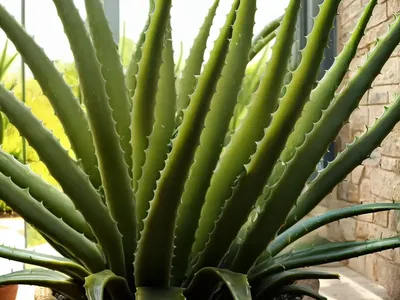
Foliage: The leaves of Aloe microstigma are fleshy, lance-shaped, and feature prominent white speckles and reddish-brown margins. The leaves are arranged in compact rosettes, giving the plant a symmetrical and aesthetically pleasing appearance.
-
Flowers: In its flowering season, Cape Speckled Aloe produces tubular flowers that range in color from coral-red to orange. The flowers are borne on slender, upward-reaching stalks and add a vibrant pop of color to the plant.
-
Habitat: This species is native to the Eastern Cape of South Africa, where it thrives in rocky, arid environments. Its natural habitat provides insights into its preferred growing conditions and adaptations to arid climates.
-
Medicinal Uses: Like many Aloe species, Aloe microstigma has been used for its medicinal properties. The gel extracted from its leaves has been traditionally used to treat skin conditions, minor burns, and as a soothing agent.
-
Succulent Adaptations: As a succulent plant, Cape Speckled Aloe features specialized adaptations, such as water-storing leaves, to survive in arid environments. Understanding these adaptations is crucial for providing optimal care for the plant.
With these unique characteristics in mind, it’s evident that Aloe microstigma is a plant with both ornamental and practical appeal. In the following sections, we will explore various aspects of its care, propagation, and uses to gain a comprehensive understanding of this captivating succulent.
Aloe microstigma (Cape Speckled Aloe) Care Guide
Culture
Caring for Aloe microstigma involves understanding its native habitat and providing conditions that mimic its natural environment. Here are key cultural considerations for cultivating Cape Speckled Aloe:
-
Water: As a succulent adapted to arid climates, Aloe microstigma is accustomed to infrequent but thorough watering. Water the plant deeply, allowing the soil to dry out between waterings to prevent root rot. In the winter months, water sparingly to mimic its natural dry season.
-
Sunlight: Providing bright, indirect sunlight or partial shade is ideal for Aloe microstigma. Protect it from intense, direct sunlight, especially during the hottest part of the day, to prevent sunburn.
-
Soil: Well-draining soil is essential for the health of Cape Speckled Aloe. A cactus or succulent mix supplemented with perlite or coarse sand promotes proper drainage and prevents waterlogged conditions.
-
Temperature: This species thrives in warm temperatures and is sensitive to frost. Protect it from freezing temperatures, and maintain a minimum temperature of 50°F (10°C) during the colder months.
-
Fertilizer: Aloe microstigma has modest fertilizer needs. Use a balanced, water-soluble fertilizer formulated for cacti and succulents at half-strength during the growing season to supplement its nutritional requirements.
Uses
The uses of Aloe microstigma extend beyond its ornamental value. Here are some common applications and uses of Cape Speckled Aloe:
-
Medicinal Purposes: The gel extracted from the leaves of Aloe microstigma has been utilized for its medicinal properties, particularly for treating minor burns, cuts, and skin irritations. Its soothing and hydrating properties make it a valuable addition to natural first aid kits.
-
Ornamental Plant: With its striking foliage and vibrant flowers, Cape Speckled Aloe is an ideal choice for ornamental and xeriscape gardens. It can be showcased as a focal point in succulent arrangements or used to add visual interest to outdoor landscapes.
-
Cultural Significance: In its native habitat, Aloe species, including Aloe microstigma, hold cultural significance and have been used in traditional medicine and rituals by local communities.
Water
Understanding the watering needs of Aloe microstigma is crucial for maintaining its health and promoting robust growth. Here’s a detailed look at its watering requirements:
-
Frequency: Water Cape Speckled Aloe deeply, allowing excess water to drain away. Wait for the soil to dry out completely between waterings, especially during the winter months when the plant enters a period of dormancy.
-
Signs of Overwatering: Yellowing or translucent leaves, soft and mushy stems, or a foul odor emanating from the soil are indicators of overwatering. Adjust the watering frequency and allow the soil to dry out before the next watering cycle.
-
Signs of Underwatering: When the plant is underwatered, the leaves may develop dry, brown tips and appear wrinkled or shriveled. Adjust the watering schedule to ensure the plant receives adequate moisture.
Sunlight
Proper sunlight exposure is crucial for the healthy growth and development of Aloe microstigma. Consider the following sunlight requirements for the Cape Speckled Aloe:
-
Indoor Placement: When grown indoors, place Aloe microstigma in a location that receives bright, indirect sunlight. South- or west-facing windows are often suitable for providing the necessary light levels.
-
Outdoor Placement: In outdoor settings, position the plant in an area with partial shade, especially in regions with intense sunlight. Protect it from prolonged exposure to direct sunlight, especially during the hottest part of the day.
-
Sunburn Protection: Monitor the plant for signs of sunburn, such as brown or bleached patches on the leaves. If necessary, provide light shade during peak sunlight hours to protect the foliage.
Fertilizer
While Aloe microstigma is relatively low-maintenance, providing occasional fertilization can support its growth and vigor. Consider the following fertilizer guidelines for Cape Speckled Aloe:
-
Frequency: Apply a balanced, water-soluble fertilizer designed for cacti and succulents at half-strength. Fertilize the plant once a month during the growing season, typically from spring to early fall.
-
Dilution: To prevent fertilizer burn, dilute the fertilizer to half or quarter strength according to the manufacturer’s recommendations. Overfertilization can lead to nutrient imbalances and cause harm to the plant.
-
Avoidance of Overfertilization: Excessive fertilization can result in salt buildup in the soil and cause root damage. Always follow the recommended dosage and frequency to avoid overfertilizing Cape Speckled Aloe.
Soil
A well-draining soil mixture is essential for the health and longevity of Aloe microstigma. Consider the following soil preferences for Cape Speckled Aloe:
-
Well-Draining Mix: Plant Aloe microstigma in a commercially available cactus or succulent mix, which typically contains ingredients such as peat moss, perlite, or coarse sand. These mixtures facilitate proper drainage and aeration for the roots.
-
DIY Mix: If preparing a custom soil blend, combine equal parts of standard potting soil and perlite, coarse sand, or pumice to improve drainage and prevent waterlogging.
-
Container Selection: When growing Cape Speckled Aloe in containers, ensure that the pots have drainage holes to allow excess water to escape. Choose pots made of porous materials, such as terracotta, to further facilitate aeration and prevent water accumulation.
Pruning
Pruning Aloe microstigma is primarily focused on the removal of spent blooms and damaged or dried-out foliage. Follow these pruning techniques to maintain the aesthetic appeal and health of Cape Speckled Aloe:
-
Removal of Spent Blooms: After the flowering season, trim away the faded or spent blooms to encourage the plant to focus its energy on new growth rather than seed production.
-
Trimming Dead or Damaged Leaves: Periodically inspect the plant for any dead or damaged leaves, especially those affected by pests or disease. Use sterilized pruners to trim away the affected foliage to prevent the spread of potential issues.
-
Sterilization of Tools: Before pruning, ensure that the pruning tools are sterilized with rubbing alcohol or a diluted bleach solution to minimize the risk of transmitting diseases between plants.
Propagation
Propagating Aloe microstigma allows you to expand your succulent collection and share the beauty of Cape Speckled Aloe with others. Explore the following propagation methods for this unique succulent:
-
Offsets (Pups): Aloe microstigma produces offsets, also known as pups, around the base of the mature plant. Carefully detach the offsets and allow the cut ends to callus before planting them in a well-draining succulent mix.
-
Leaf Cuttings: Take leaf cuttings from healthy, mature leaves and allow the cut ends to dry and callus for a few days. Plant the leaf cuttings shallowly in a succulent mix and maintain moderate humidity to encourage rooting.
-
Division: If the plant has formed multiple rosettes, consider dividing the clump into individual plants. Gently separate the rosettes and plant them in suitable containers with well-draining soil.
Container Popularity
Growing Aloe microstigma in containers is a popular choice for many succulent enthusiasts due to its manageable size and striking appearance. Consider the following factors when cultivating Cape Speckled Aloe in containers:
-
Container Selection: Use containers with drainage holes to prevent waterlogging and promote healthy root growth. Porous materials, such as terracotta or unglazed ceramic pots, provide ideal conditions for the plant.
-
Indoor Display: Aloe microstigma thrives as an indoor plant when provided with bright, indirect sunlight. It can be showcased in decorative containers as a stunning and low-maintenance addition to interior spaces.
-
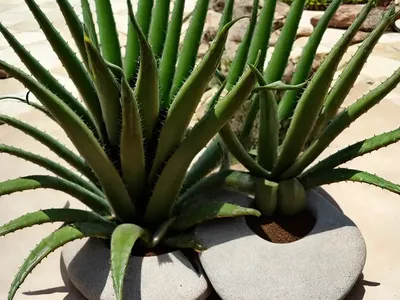
Outdoor Accent: In outdoor settings, Cape Speckled Aloe adds visual interest to patio displays, succulent gardens, or mixed container arrangements. Combine it with other drought-tolerant succulents for aesthetically pleasing displays.
Common Diseases
Like many plants, Aloe microstigma is susceptible to certain diseases and issues that can affect its overall health and appearance. Familiarize yourself with common diseases and their diagnosis to promptly address any concerns:
-
Root Rot: Overwatering or poorly draining soil can lead to root rot in Cape Speckled Aloe. Symptoms include mushy or discolored roots, wilting, and a foul odor emanating from the soil. Adjust the watering regimen and repot the plant in well-draining soil if root rot is suspected.
-
Leaf Spotting: Fungal infections or bacterial diseases may manifest as dark spots or lesions on the leaves of Aloe microstigma. Improve air circulation around the plant and avoid overhead watering to mitigate leaf spotting issues.
-
Pest Infestations: Common pests such as mealybugs, scale insects, and spider mites can affect Aloe microstigma. Regularly inspect the plant for signs of pests, such as webbing, sticky residues, or visible insects, and take appropriate measures for control.
Disease Diagnosis
Diagnosing diseases and issues affecting Aloe microstigma is crucial for implementing targeted treatment and prevention strategies. Here are key considerations for accurately diagnosing plant diseases:
-
Visual Symptoms: Pay attention to any changes in foliage color, texture, or structure, as well as the presence of lesions, spots, or abnormalities. Document the observed symptoms for reference.
-
Environmental Factors: Evaluate environmental conditions such as light levels, humidity, and watering practices to identify any potential stressors or conditions conducive to disease development.
-
Pest Inspection: In cases of suspected pest infestations, closely inspect the plant for signs of common pests, including webs, egg clusters, or visible insects both on the plant and in the surrounding soil.
-
Professional Consultation: If unable to pinpoint the cause of the issues, consider seeking advice from a plant health specialist or local extension service for accurate diagnosis and treatment recommendations.
By staying vigilant and promptly addressing any disease or pest issues, you can help ensure the long-term health and vitality of Aloe microstigma.
Common Pests
Pests can pose a threat to the health and appearance of Aloe microstigma, requiring proactive measures to manage and prevent infestations. Here are some common pests that may affect Cape Speckled Aloe:
-
Mealybugs: These small, cottony insects often cluster on the undersides of leaves or in leaf axils, sucking plant juices and causing stunted growth. Use an insecticidal soap or neem oil to control mealybug infestations.
-
Scale Insects: Scale insects appear as raised, waxy bumps on the stems and leaves of Aloe microstigma. They can cause leaf yellowing and wilting. Use a soft brush or cotton swab dipped in rubbing alcohol to remove scale insects from the plant.
-
Spider Mites: These tiny pests are known for creating fine webbing and causing stippling on the leaves of succulent plants. Regularly misting the plant and gently wiping the leaves can help deter spider mites.
-
Aphids: Aphids are small, soft-bodied insects that cluster on new growth and tender plant parts, sucking sap and excreting sticky honeydew. Use a strong stream of water or insecticidal soaps to dislodge and control aphid populations.
By closely monitoring Aloe microstigma for signs of pest activity and promptly addressing any infestations, you can prevent potential damage and preserve the health of the plant.
Botanist’s Tips
As a plant scientist specializing in succulents and Aloe species, I have gathered valuable insights and tips for cultivating and caring for Aloe microstigma. Here are some expert recommendations for successful Cape Speckled Aloe cultivation:
-
Provide Adequate Drainage: Ensure that the planting containers or garden beds have sufficient drainage to prevent waterlogged conditions, which can lead to root rot and other issues.
-
Monitor Light Levels: Regularly assess the sunlight exposure received by Aloe microstigma to ensure it falls within the preferred range. Adjust the placement of the plant as needed to optimize light conditions.
-
Use Caution with Watering: Err on the side of underwatering rather than overwatering, as Aloe microstigma is adapted to dry conditions. Allow the soil to dry out before considering additional watering.
-
Protect from Frost: In regions prone to frost or freezing temperatures, provide frost protection for Cape Speckled Aloe, such as bringing potted plants indoors or covering them with frost cloth.
-
Promote Air Circulation: Good air circulation can help prevent fungal issues and promote overall plant health. Avoid overcrowding plants and ensure adequate spacing for optimal airflow.
-
Prune with Care: Use sterilized tools when pruning Aloe microstigma to minimize the risk of infections. Pruning tools can be sterilized with rubbing alcohol or a diluted bleach solution.
By incorporating these expert tips into your Aloe microstigma care routine, you can foster a thriving and visually stunning succulent plant that brings joy and natural beauty to any setting.
Fun Facts
Exploring the fascinating aspects of Aloe microstigma enhances the appreciation for this captivating succulent species. Here are some fun facts about Cape Speckled Aloe:
-
Wildlife Attraction: The tubular flowers of Aloe microstigma attract pollinators such as hummingbirds and bees, contributing to the biodiversity of its native habitat.
-
Drought Resistance: Aloe microstigma possesses impressive drought resistance, thanks to its succulent adaptations that allow it to store water in its leaves and withstand prolonged periods of arid conditions.
-
Ornamental Value: Beyond its practical uses, Cape Speckled Aloe is prized for its ornamental value, making it a popular choice for low-water landscapes and gardens.
-
Species Diversity: The genus Aloe encompasses a wide range of species, each with its own unique characteristics, leading to a diverse array of Aloe plants available to enthusiasts and collectors.
-
Cultural Significance: Aloe species, including Aloe microstigma, hold cultural and historical significance in various societies, where they have been incorporated into traditional practices and folklore.
By delving into the intriguing aspects and cultural significance of Cape Speckled Aloe, we can develop a deeper appreciation for this remarkable succulent plant.
Conclusion
Aloe microstigma, or Cape Speckled Aloe, stands out as a captivating and versatile succulent species with both ornamental and practical appeal. From its striking foliage and vibrant flowers to its medicinal uses and cultural significance, this Aloe species offers a wealth of benefits and opportunities for cultivation and appreciation.
In this comprehensive guide, we have explored the characteristics, care tips, propagation methods, and uses of Aloe microstigma, shedding light on its unique attributes and the requirements for successful cultivation. By embracing the insights and recommendations provided, succulent enthusiasts, gardeners, and nature lovers can cultivate and enjoy the beauty and benefits of Aloe microstigma, adding a touch of South African charm to their homes and landscapes.
As we continue to discover and appreciate the diverse world of succulent plants, let the allure of Aloe microstigma inspire a deeper connection with nature and the remarkable adaptability of these fascinating botanical treasures.
References:
1. Gideon F. Smith and Estrela Figueiredo. (2014). “Aloe microstigma.” National Botanical Institute, South Africa. http://pza.sanbi.org/aloe-microstigma
2. Robert M. Heath. (2002). “Aloaceae: Aloe microstigma.” The Plant List. http://www.theplantlist.org/tpl/record/kew-297219
3. “Aloe.” Missouri Botanical Garden. http://www.missouribotanicalgarden.org/PlantFinder/Genus/Aloe