Alocasia Zebrina (Alocasia Zebrina)
What is plant: Alocasia Zebrina (Alocasia zebrina) The Alocasia Zebrina, commonly known as the Elephant Ear plant, is a stunning and unique foliage plant.
What is plant: Alocasia Zebrina (Alocasia zebrina)
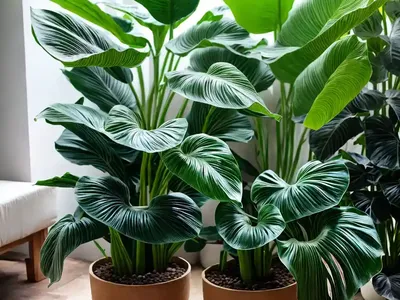
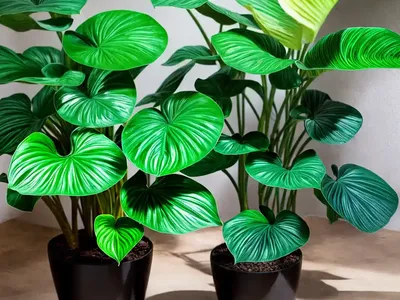
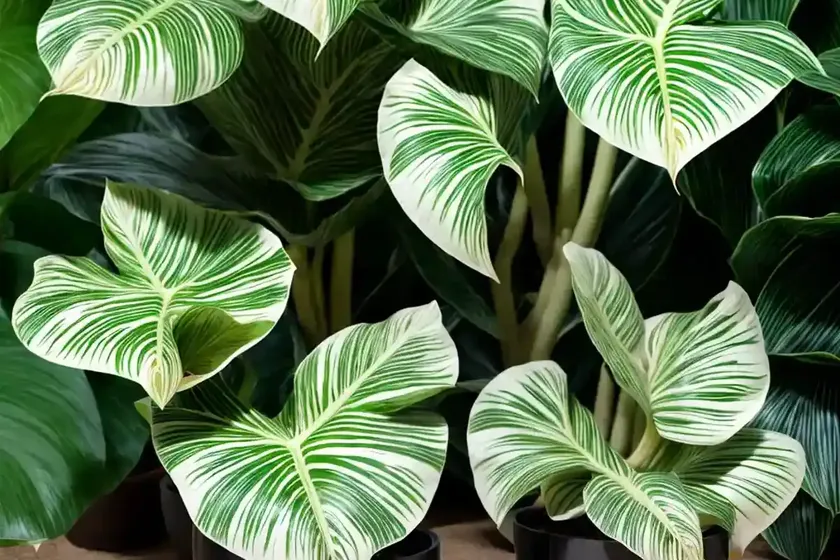
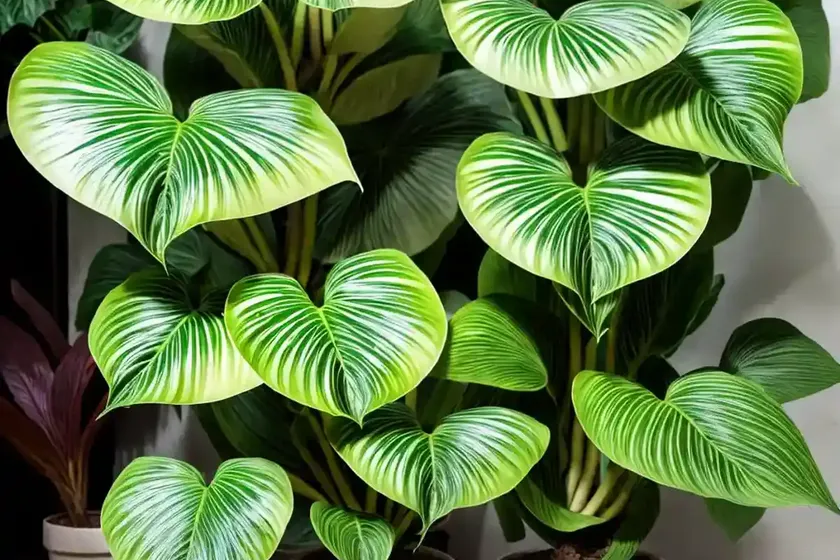
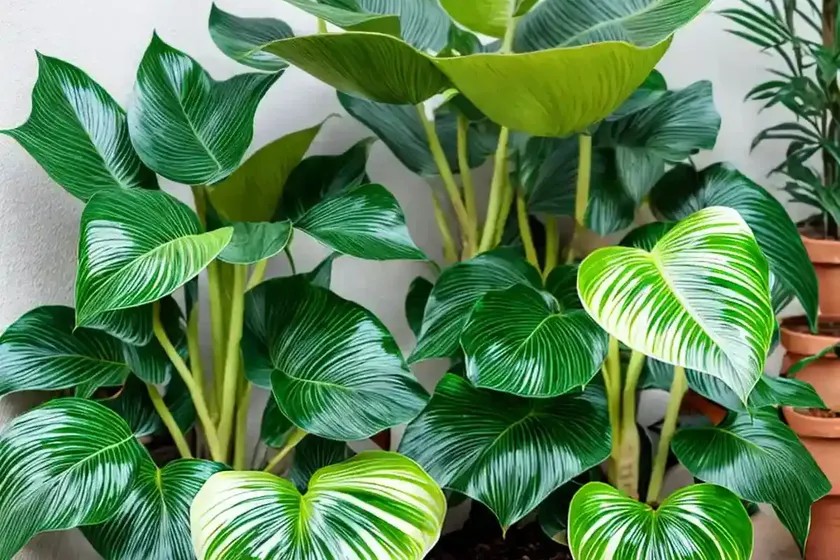
The Alocasia Zebrina, commonly known as the Elephant Ear plant, is a stunning and unique foliage plant that belongs to the Alocasia genus. As the name suggests, the plant derives its name from the distinctive zebra-like patterns on its stems – a striking feature that sets it apart from other Alocasia varieties. Native to Southeast Asia, particularly the rainforests of the Philippines, Alocasia Zebrina is prized for its exotic appearance and is a popular choice for indoor and outdoor plant enthusiasts.
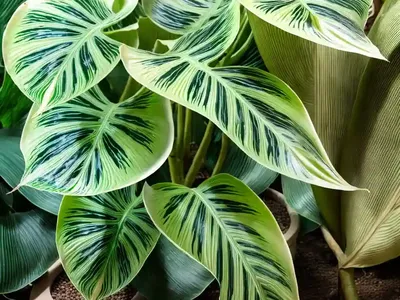
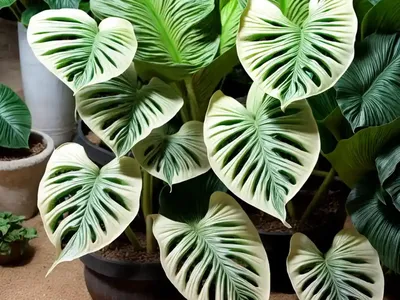
With its large, arrow-shaped leaves and prominent white veining, the Alocasia Zebrina makes a bold statement in any setting. It has gained a strong following among plant lovers due to its visually appealing foliage and relatively low maintenance requirements, making it a desirable addition to home gardens, office spaces, and tropical landscaping projects.
Key Takeaways – Alocasia Zebrina (Alocasia zebrina)
Plant Profile
- Scientific Name: Alocasia zebrina
- Common Names: Elephant Ear plant, Alocasia Zebrina
- Family: Araceae
- Native Habitat: Southeast Asia, particularly the Philippines
- Ornamental Features: Striking zebra-like patterns on the stems, large arrow-shaped leaves with prominent white veining
- Growth Stage: Perennial
Growth Requirements
- Watering: Moderate
- Sunlight: Bright, indirect light
- Soil Preferences: Well-draining, rich, and peat-based
- Temperature Range: Warm and humid environment
- Humidity Needs: High humidity
- Light Requirements: Bright, indirect light
Maintenance and Care
- Fertilizer: Regular feeding during the growing season
- Pruning: Minimal, remove yellowing or damaged leaves
- Propagation Methods: Rhizome division or stem cuttings
- Common Problems: Susceptible to certain diseases and pests
Usage
- Indoor and Outdoor Plant: Suitable as an indoor potted plant, can also be cultivated outdoors in tropical regions
- Container Gardening: Thrives in large containers with proper drainage
- Landscaping Ideas: Ideal for tropical-themed gardens, as well as a focal point in landscaping projects
- Pest and Disease Control: Vital for maintaining healthy growth
With its striking appearance and distinct growth requirements, the Alocasia Zebrina presents a captivating addition to any plant collection and garden landscape. In the following sections, we will delve deeper into the culture, uses, care tips, and interesting facts about this captivating plant.
Culture
The Alocasia Zebrina is recognized for its exotic and visually appealing appearance, making it a favored choice among plant enthusiasts. However, to ensure its healthy growth and vibrant foliage, it is essential to understand its specific cultural requirements.
Uses
- Indoor Décor: Alocasia Zebrina is commonly used as an indoor decorative plant, adding a tropical touch to interior spaces.
- Outdoor Landscaping: In suitable climates, this plant thrives in outdoor gardens and landscaping projects, providing a bold and exotic appeal.
- Focal Point: Its unique patterned stems and large leaves make it an excellent focal point in gardens or interior spaces.
- Air Purification: Like other plants, the Alocasia Zebrina contributes to indoor air purification, enhancing the air quality in its surroundings.
Water
Watering Tips
Proper watering is crucial for the health and vigor of the Alocasia Zebrina. While it appreciates consistent moisture, overwatering can lead to root rot and other issues. On the other hand, underwatering can cause wilting and leaf damage. Here are some essential watering tips for this delightful plant:
- Consistent Moisture: The Alocasia Zebrina prefers consistently moist soil, but it should not be waterlogged.
- Moderate Watering: Water the plant when the top inch of the soil feels slightly dry. Ensure that excess water can freely drain from the pot to prevent waterlogging.
- Humidity: In addition to regular watering, maintaining high humidity levels is beneficial for the plant’s overall health. This can be achieved through the use of a humidifier or by placing the plant on a pebble tray filled with water.
Sunlight
Light Requirements
Alocasia Zebrina thrives in bright, indirect light conditions. Adequate exposure to light is essential for the plant’s growth and overall appearance. Here are some key considerations regarding its light requirements:
- Indirect Sunlight: Position the plant in an area with bright, filtered light. Direct sun exposure can scorch its leaves, while inadequate light can lead to stunted growth and diminished foliage.
- Natural Light: Placing the plant near a window where it can receive ample natural light, but without direct sun exposure, is ideal for its growth and well-being.
Fertilizer
Fertilization Practices
To support healthy growth and vibrant foliage, the Alocasia Zebrina benefits from regular feeding during the growing season. Appropriate fertilizer application ensures that the plant receives essential nutrients for its development. Here are some guidelines for fertilizing this captivating plant:
- Balanced Fertilizer: Use a well-balanced, water-soluble fertilizer designed for houseplants or foliage plants. A formula with equal parts of nitrogen, phosphorus, and potassium works well.
- Frequency: During the growing season, feed the plant every 4-6 weeks. Avoid over-fertilizing, as it can lead to salt buildup in the soil.
Soil
Soil Preferences
Choosing the right soil type is crucial for the optimal growth and health of the Alocasia Zebrina. The ideal soil conditions ensure adequate drainage and aeration, promoting healthy root development. Here are the soil preferences for this captivating plant:
- Well-Draining Soil: Alocasia Zebrina thrives in well-draining soil that allows excess water to flow through freely. Use a mix of peat-based potting soil with perlite or coarse sand to enhance drainage.
- Rich Soil: The plant prefers nutrient-rich soil that provides essential elements for its growth and vigor.
- Acidity: Slightly acidic to neutral soil pH (6.0-7.0) is suitable for the Alocasia Zebrina.
Pruning
Pruning Practices
Pruning is a vital aspect of Alocasia Zebrina care, contributing to its overall health and appearance. While the plant does not require extensive pruning, the removal of yellowing or damaged leaves contributes to its aesthetics and prevents the spread of diseases. Here are some pruning tips for this unique plant:
- Yellowing Leaves: Monitor the plant for any yellowing or withering leaves, and promptly remove them from the plant using clean, sharp scissors or pruning shears.
- Minimal Pruning: Alocasia Zebrina typically requires minimal pruning. Simply removing any discolored or damaged leaves maintains the plant’s vitality and neat appearance.
Propagation
Propagation Methods
Propagation allows plant enthusiasts to expand their Alocasia Zebrina collection and share this captivating plant with others. Understanding the propagation methods is essential for successfully propagating new plants. Here are the primary propagation methods for Alocasia Zebrina:
- Rhizome Division: Divide the rhizomes during repotting to create new plants. Ensure that each division has healthy roots and at least one growing point.
- Stem Cuttings: Propagate the plant using stem cuttings with at least one node. Place the cuttings in a moist rooting medium, such as perlite or a mix of peat and perlite, and provide a warm, humid environment for rooting.
Container Popularity
Container Gardening
The Alocasia Zebrina is a popular choice for container gardening, owing to its striking appearance and relative ease of care. Cultivating this plant in containers allows enthusiasts to create beautiful indoor displays and enhances its manageability. Here are some container gardening tips for the Alocasia Zebrina:
- Pot Size: Use a spacious container to accommodate the plant’s rhizome and promote healthy root development. Ensure that the pot has drainage holes to prevent waterlogging.
- Well-Draining Soil: Fill the container with well-draining potting soil to provide optimal growing conditions for the plant.
- Indoor Décor: Alocasia Zebrina serves as an eye-catching addition to indoor spaces when planted in decorative containers or planters.
Common Diseases
Disease Diagnosis
While the Alocasia Zebrina is relatively resilient, it is susceptible to certain diseases and common problems that can affect its vitality and appearance. Recognizing and addressing these issues promptly is essential for the plant’s well-being. Here are some common diseases and potential remedies for this captivating plant:
Leaf Spot Diseases
- Symptoms: Irregularly-shaped dark spots on the leaves, often accompanied by yellowing or browning of the affected areas.
- Remedies: Improve air circulation around the plant, avoid overhead watering, and apply a suitable fungicide to manage the spread of leaf spot diseases.
Root Rot
- Symptoms: Wilting, yellowing, or collapsing of the plant, often indicative of root rot caused by waterlogging or poor drainage.
- Remedies: Adjust the watering schedule to prevent waterlogging, repot the plant in well-draining soil, and trim any affected roots.
Common Pests
Pest Control
Alocasia Zebrina is occasionally affected by common pests that can compromise its health and appearance. Implementing preventative measures and controlling pest infestations promptly is essential for maintaining the plant’s vigor. Here are some common pests that may affect the Alocasia Zebrina:
Spider Mites
- Identification: Fine webbing on the undersides of leaves, along with stippling and discoloration of the foliage.
- Control Measures: Rinse the plant with water to remove spider mites, apply insecticidal soap, and ensure proper humidity levels to discourage their establishment.
Mealybugs
- Identification: White, cottony masses on the plant, often near leaf nodes and stems.
- Control Measures: Swab affected areas with rubbing alcohol or apply a targeted insecticide to eliminate mealybug infestations.
Botanist’s Tips
Essential Care Tips
We highly recommend the following care tips to ensure the optimal growth and well-being of the captivating Alocasia Zebrina:
- Humidity Management: Maintain high humidity levels through methods such as misting, humidifiers, or pebble trays to support the plant’s growth.
- Adequate Light: Provide bright, indirect light to promote healthy foliage and vibrant leaf coloration.
- Disease Prevention: Implement proper watering practices, ensure adequate air circulation, and monitor for signs of diseases and pests to maintain the plant’s health.
These essential care tips contribute to the overall success of growing and enjoying the Alocasia Zebrina in home environments and garden settings.
Fun Facts
Did You Know?
- The Alocasia Zebrina is a member of the Araceae family, commonly known as the Aroid family, which includes other popular ornamental plants like Philodendron and Anthurium.
- Alocasia Zebrina exhibits a unique growth habit known as “pachycaul,” characterized by its thick, swollen stems that store water and nutrients to support the plant during periods of drought or low water availability.
- In its native habitat, the Alocasia Zebrina flourishes under the canopy of dense rainforests, where it receives filtered sunlight and ample humidity.
Links to External Resources
For more in-depth information and resources on the Alocasia Zebrina, I recommend exploring the following links:
- The Spruce – Growing Elephant Ear Plants
- University of Florida IFAS Extension – Alocasia Browning and Dividing Information
- Gardening Know How – Alocasia Zebrina Care
These resources offer valuable insights, tips, and guidance on cultivating and caring for the captivating Alocasia Zebrina, making them essential references for plant enthusiasts and gardeners.
In conclusion, the Alocasia Zebrina stands out as an exceptional and visually captivating plant renowned for its unique foliage and relative ease of care. Whether cultivated as an indoor décor piece or incorporated into tropical landscaping projects, this striking Elephant Ear plant adds a touch of exotic elegance to any environment. By understanding its specific growth requirements, addressing common problems, and appreciating its ornamental features, enthusiasts can successfully cultivate and appreciate the beauty of the Alocasia Zebrina in their homes and gardens.
By: Plant Scientist
References
- The Spruce – Growing Elephant Ear Plants. Available online: https://www.thespruce.com/growing-elephant-ear-plants-1902891
- University of Florida IFAS Extension – Alocasia Browning and Dividing Information. Available online: https://edis.ifas.ufl.edu/pdffiles/EP/EP22300.pdf
- Gardening Know How – Alocasia Zebrina Care. Available online: https://www.gardeningknowhow.com/houseplants/alocasia-zebrina/alocasia-zebrina.htm