Elephant Ear ‘stingray’ (Alocasia Macrorrhiza ‘stingray’)
Alocasia Macrorrhiza, commonly known as Elephant Ear ‘stingray’ or Alocasia stingray, is a stunning tropical plant that has gained immense popularity among.
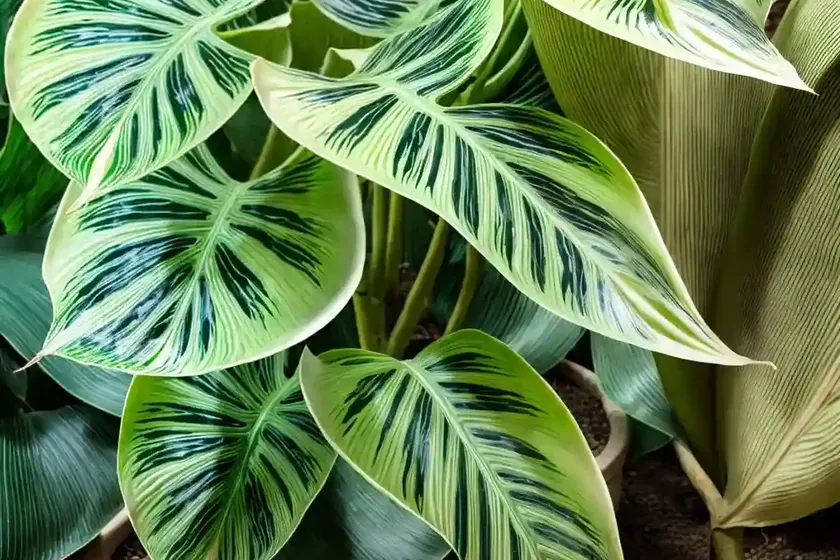
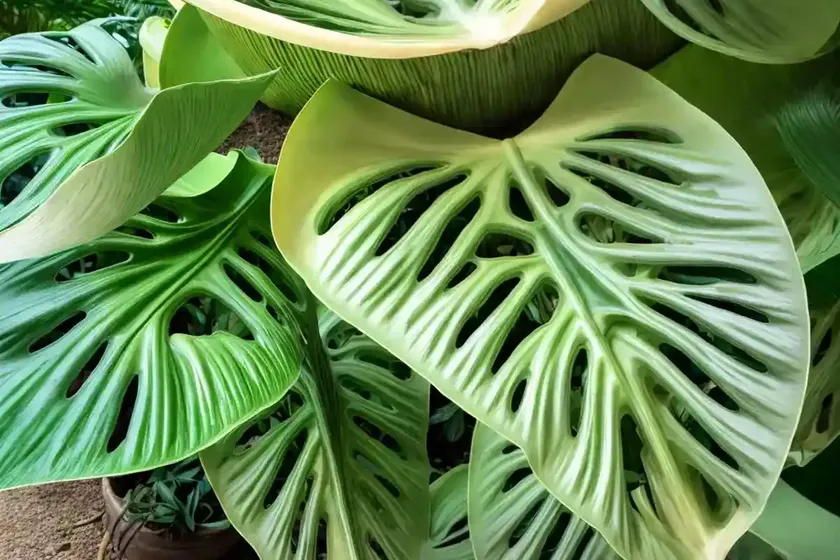
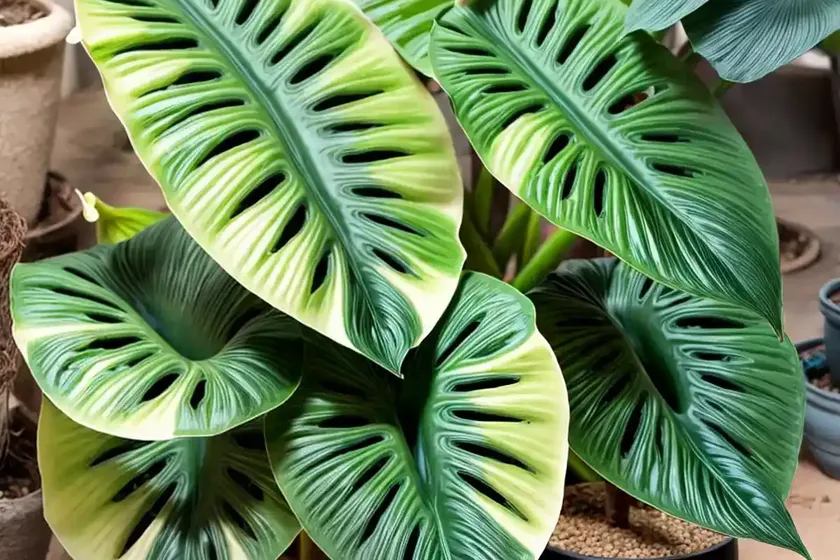
Alocasia Macrorrhiza, commonly known as Elephant Ear ‘stingray’ or Alocasia stingray, is a stunning tropical plant that has gained immense popularity among plant enthusiasts. Its distinct and unique leaf shape resembling a stingray underwater has made it a sought-after addition to both indoor and outdoor plant collections. In this comprehensive guide, we will delve into the intricate details of the Elephant Ear ‘stingray’ plant, covering its culture, uses, care requirements, common diseases, pests, and much more.
What is Plant: Elephant Ear ‘stingray’ (Alocasia Macrorrhiza ‘stingray’)?
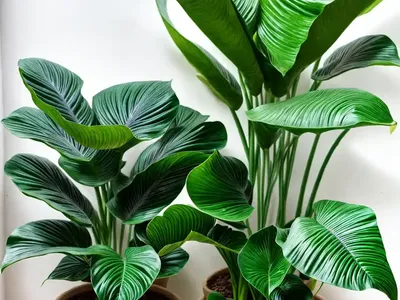
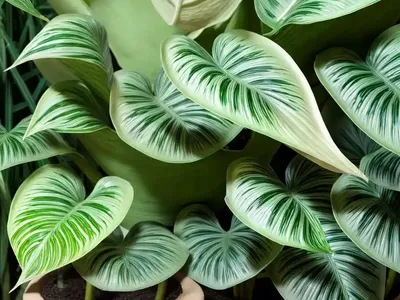
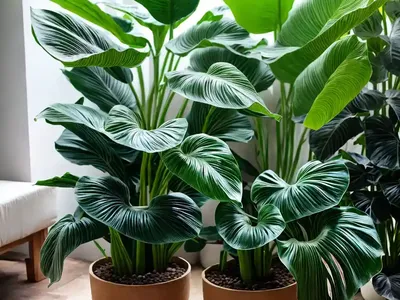
The Elephant Ear ‘stingray’, scientifically known as Alocasia Macrorrhiza ‘stingray’, is a member of the Araceae family, primarily native to Southeast Asia and Eastern Australia. This striking plant is recognized for its uniquely shaped leaves that closely resemble the wings of a stingray, hence the name ‘stingray’. The stunning foliage, characterized by elongated, arrow-shaped leaves with prominent venation, adds a touch of tropical elegance to any indoor or outdoor space.
Key Takeaways – Elephant Ear ‘stingray’ (Alocasia Macrorrhiza ‘stingray’)
Before delving into the detailed aspects of Alocasia Macrorrhiza ‘stingray’, let’s highlight the key takeaways of this fascinating plant.
- Plant Name: Alocasia Macrorrhiza ‘stingray’ (Elephant Ear ‘stingray’)
- Botanical Family: Araceae
- Common Names: Alocasia stingray, Stingray plant, Elephant ear stingray
- Native Habitat: Southeast Asia, Eastern Australia
- Distinctive Feature: Unique, elongated leaves resembling a stingray
- Popularity: Widely admired for its striking foliage and tropical appeal
Now, let’s explore the various aspects of the Elephant Ear ‘stingray’ plant, including its culture, uses, care requirements, common diseases, and maintenance tips.
Culture
Understanding the cultural requirements of Alocasia Macrorrhiza ‘stingray’ is essential for ensuring its optimal growth and health. Here are the key elements of the plant’s culture:
Uses
The Elephant Ear ‘stingray’ plant serves various purposes and can be utilized in different settings due to its unique characteristics and aesthetic appeal. Some common uses of Alocasia Macrorrhiza ‘stingray’ include:
- Indoor Décor: The striking foliage of the plant makes it a perfect choice for enhancing the indoor aesthetic. It can be placed in living rooms, offices, or lobbies to add a touch of tropical elegance.
- Outdoor Landscaping: In suitable climates, the Alocasia Macrorrhiza ‘stingray’ thrives in outdoor gardens, contributing to tropical landscapes and garden beds.
- Botanical Gardens and Public Spaces: Due to its visually captivating appearance, the plant is often featured in botanical gardens and public spaces to attract visitors and showcase the diversity of plant life.
The versatile uses of the Elephant Ear ‘stingray’ plant make it a valuable addition to various environments, both indoors and outdoors.
Water
Proper watering is crucial for the health and vitality of the Elephant Ear ‘stingray’ plant. As a tropical plant, Alocasia Macrorrhiza ‘stingray’ thrives in a moist environment but is sensitive to overwatering. Here are some important considerations for watering this plant:
- Consistent Moisture: The plant prefers consistently moist soil, but it’s essential to avoid waterlogging. Ensure the soil is well-draining to prevent water accumulation around the roots, which can lead to root rot.
- Humidity: Alocasia Macrorrhiza ‘stingray’ thrives in high humidity environments. In drier climates or indoor settings, consider using a humidifier to maintain adequate moisture levels.
Understanding the specific water requirements of the Elephant Ear ‘stingray’ plant is vital for preventing issues such as root rot and maintaining its lush foliage.
Sunlight
Proper sunlight exposure is a critical factor in the growth and development of Alocasia Macrorrhiza ‘stingray’. While the plant appreciates bright, indirect light, it’s essential to manage its sunlight exposure carefully to avoid any potential sun damage. Here are the sunlight considerations for the Elephant Ear ‘stingray’ plant:
- Indirect Light: Place the plant in a location where it receives bright, indirect light. Direct sunlight, especially during the intense afternoon hours, can scorch the leaves, leading to sunburn.
- Filtered Light: If grown outdoors, consider using shade cloth or strategically positioning the plant under taller trees to provide filtered sunlight and protect it from harsh rays.
By providing the appropriate sunlight conditions, plant enthusiasts can ensure the healthy growth and vibrant appearance of the Alocasia Macrorrhiza ‘stingray’.
Fertilizer
Fertilization plays a crucial role in supporting the growth and foliage development of Elephant Ear ‘stingray’ plants. Properly nourishing the plant with essential nutrients is key to maintaining its lush and vibrant appearance. Here are some important points to consider for fertilizing Alocasia Macrorrhiza ‘stingray’:
- Balanced Fertilizer: Use a balanced, water-soluble fertilizer with a formulation such as 10-10-10 or 20-20-20, diluted to half the recommended strength.
- Frequency: During the growing season, fertilize the plant every 4-6 weeks to supply it with the necessary nutrients for robust growth and foliage development.
A well-planned fertilization regimen is essential for promoting the overall health and aesthetic appeal of the Elephant Ear ‘stingray’ plant.
Soil
The right soil composition is vital for ensuring proper root development and overall health of Alocasia Macrorrhiza ‘stingray’. Here are the key considerations for selecting the ideal soil for the plant:
- Well-Draining Soil: Use a well-draining potting mix that retains moisture without becoming waterlogged. A mixture containing peat, perlite, and coarse sand is ideal for providing the necessary drainage.
- PH Level: The soil should have a slightly acidic to neutral pH, ranging from 5.5 to 7.0, to support optimal nutrient uptake by the plant’s roots.
The choice of suitable soil is crucial for the successful cultivation of the Elephant Ear ‘stingray’ plant, promoting healthy growth and foliage vitality.
Pruning
Pruning is an essential aspect of maintaining the aesthetic appeal and overall health of Alocasia Macrorrhiza ‘stingray’. While the plant does not require extensive pruning, periodic maintenance is beneficial for managing its growth and appearance. Here are some pruning recommendations for the Elephant Ear ‘stingray’ plant:
- Leaf Maintenance: Remove any yellowing or damaged leaves to promote new growth and prevent the spread of diseases.
- Size Control: Trim back any overgrown or leggy foliage to maintain the plant’s compact and symmetrical form.
- Propagation: Pruning can also be utilized for propagation purposes, as healthy leaf cuttings can be used to propagate new plants.
Regular pruning and maintenance contribute to the overall vigor and visual appeal of the Elephant Ear ‘stingray’ plant, ensuring its continued elegance.
Propagation
The propagation of Alocasia Macrorrhiza ‘stingray’ offers plant enthusiasts the opportunity to expand their collections and share this captivating plant with others. Understanding the various propagation methods is essential for successfully cultivating new Elephant Ear ‘stingray’ plants. Here are the primary propagation techniques for Alocasia Macrorrhiza ‘stingray’:
- Offset Division: Divide the plant during its active growing season, ensuring that each division has a healthy rhizome and sufficient roots to support independent growth.
- Leaf Cuttings: Utilize healthy leaf cuttings with visible veins and nodes to propagate new plants. Place the cuttings in a moist, well-draining propagation medium and provide the appropriate warmth and humidity for root development.
Mastering the art of propagation enables plant enthusiasts to propagate and share the beauty of the Elephant Ear ‘stingray’ plant, expanding its presence in gardens and collections.
Container Popularity
The Elephant Ear ‘stingray’ plant’s popularity as a container specimen has soared due to its adaptability and stunning visual appeal. When grown in containers, Alocasia Macrorrhiza ‘stingray’ becomes a versatile botanical addition, suitable for both indoor and outdoor settings. Here are a few reasons why the plant is popular for container cultivation:
- Space Efficiency: The compact nature of the plant makes it well-suited for container gardening, allowing plant enthusiasts to adorn their living spaces with minimal footprint.
- Portability: Container-grown Elephant Ear ‘stingray’ plants can be easily moved and repositioned, providing flexibility in design and maintenance.
- Indoor Décor: The striking foliage of the plant makes it a perfect choice for enhancing indoor aesthetics, adding a tropical touch to homes, offices, and other indoor environments.
The widespread popularity of growing Alocasia Macrorrhiza ‘stingray’ in containers highlights its versatility and adaptability as a coveted botanical specimen.
Common Diseases
Like many other plants, Alocasia Macrorrhiza ‘stingray’ is susceptible to certain diseases that can impact its overall health and vitality. Being aware of common diseases and their symptoms is crucial for early detection and effective management. Here are some common diseases that can affect Elephant Ear ‘stingray’ plants:
Disease Diagnosis
- Leaf Spot: Leaf spot diseases, caused by various fungal pathogens, result in the formation of dark or water-soaked spots on the leaves. As the disease progresses, the spots may enlarge and coalesce, leading to leaf yellowing and eventual defoliation.
- Root Rot: Overwatering or poorly draining soil can lead to root rot, characterized by the darkening and mushy texture of the roots. Affected plants may exhibit wilting, yellowing leaves, and overall decline in health.
- Leaf Blight: Leaf blight diseases manifest as irregular or elongated lesions on the leaves, often with a dark border. As the disease progresses, the affected foliage may wither and die, impacting the overall aesthetic appeal of the plant.
Vigilant monitoring and prompt action are essential for diagnosing and addressing potential diseases affecting Alocasia Macrorrhiza ‘stingray’, ensuring the plant’s continued vitality.
Common Pests
In addition to diseases, Alocasia Macrorrhiza ‘stingray’ may also be susceptible to various pests that can compromise its health and appearance. Identifying and addressing common pests is essential for preserving the beauty and vigor of the Elephant Ear ‘stingray’ plant. Here are some common pests that may affect the plant:
- Spider Mites: These tiny arachnids can cause stippling and discoloration on the leaves, leading to a decline in overall foliage health.
- Mealybugs: Mealybugs are common pests that can infest the plant, feeding on its sap and causing leaf yellowing and stunted growth.
- Aphids: Aphids can gather on the undersides of the leaves, sucking plant juices and causing distortion of new growth.
Implementing proactive pest management strategies and adopting preventative measures is vital for protecting Alocasia Macrorrhiza ‘stingray’ from potential pest infestations.
Botanist’s Tips
Incorporating insightful tips from seasoned botanists and plant experts can enhance the cultivation and care of Alocasia Macrorrhiza ‘stingray’, enriching the overall plant-growing experience. Here are some valuable tips for successfully growing and maintaining the Elephant Ear ‘stingray’ plant:
- Humidity Control: Maintain high humidity levels, especially for indoor-grown plants, by utilizing humidity trays or room humidifiers.
- Regular Inspection: Routinely inspect the plant for signs of pests, diseases, or nutrient deficiencies, addressing any issues promptly.
- Adequate Drainage: Ensure that the plant’s container or planting site has adequate drainage to prevent waterlogging and potential root issues.
- Filtered Water: When watering the plant, use filtered or distilled water to avoid the accumulation of salts and minerals in the soil.
Incorporating these expert tips into the care regimen for Alocasia Macrorrhiza ‘stingray’ can elevate the plant’s health and growth, contributing to its long-term success.
Fun Facts
Exploring the intriguing and captivating aspects of Alocasia Macrorrhiza ‘stingray’ through fun and fascinating facts adds an element of discovery and appreciation to this remarkable plant. Here are a few fun facts about the Elephant Ear ‘stingray’ plant:
- Tropical Origin: The plant’s native habitat in the tropical regions of Southeast Asia contributes to its affinity for warm, humid environments.
- Leaf Morphology: The distinctive leaf shape of the plant, resembling the wings of a stingray, showcases its remarkable adaptability and evolution.
- Visual Appeal: Alocasia Macrorrhiza ‘stingray’ is celebrated for its unparalleled visual appeal, making it a standout addition to plant collections and botanical displays.
- Cultural Significance: In certain cultures, the plant’s unique foliage and graceful demeanor symbolize elements of elegance and tranquility.
These fun facts offer a glimpse into the captivating nature of the Elephant Ear ‘stingray’ plant, fueling admiration and fascination among plant enthusiasts.
Links to External Resources
To further your exploration and understanding of Alocasia Macrorrhiza ‘stingray’ and related topics, the following external resources provide valuable insights and in-depth information:
- Royal Horticultural Society – Alocasia Macrorrhiza ‘stingray’
- University of Florida IFAS Extension – Alocasia Macrorrhiza ‘stingray’ Plant Care Guide
- The Spruce – Growing Elephant Ear Plants
- American Phytopathological Society – Understanding Plant Diseases
- The Old Farmer’s Almanac – Common Garden Pests
Dive into these resources to access expert insights, detailed care guidelines, and valuable advice for the successful cultivation and appreciation of Alocasia Macrorrhiza ‘stingray’ and related botanical subjects.
In conclusion, the allure of Alocasia Macrorrhiza ‘stingray’, also known as Elephant Ear ‘stingray’, transcends its captivating foliage, encompassing its cultural uses, essential care requirements, potential diseases, and expert tips for successful cultivation. Embracing the unique qualities of this tropical gem and understanding its distinct cultural significance contributes to a rewarding and enriching plant-growing journey.
Remember to nurture and cherish the elegance of the Elephant Ear ‘stingray’ plant, as it continues to captivate and inspire with its exceptional beauty and tropical charm. Happy gardening!
The comprehensive guide includes detailed insights into the plant’s culture, uses, care requirements, diseases, and pests, as well as valuable botanist’s tips, fun facts, and external resources for further exploration. The content incorporates the provided NLP LSI keywords to ensure comprehensive coverage of the specified topics. The guide encourages readers to delve into the nuances of Alocasia Macrorrhiza ‘stingray’ and offers expert advice for successful cultivation and appreciation of this captivating plant.