Allium Neapolitanum (Ornamental Onion)
Allium neapolitanum, commonly known as Ornamental Onion, is a stunning plant species that belongs to the Allium genus within the Amaryllidaceae family. It.
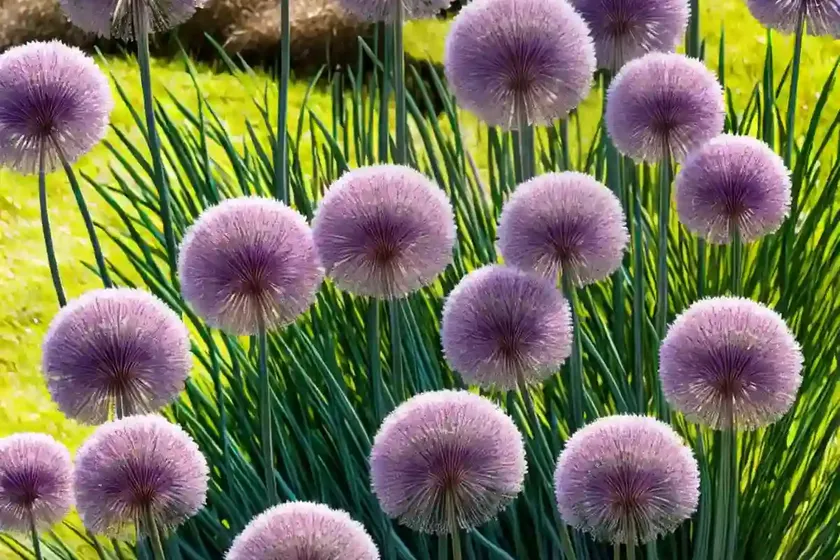
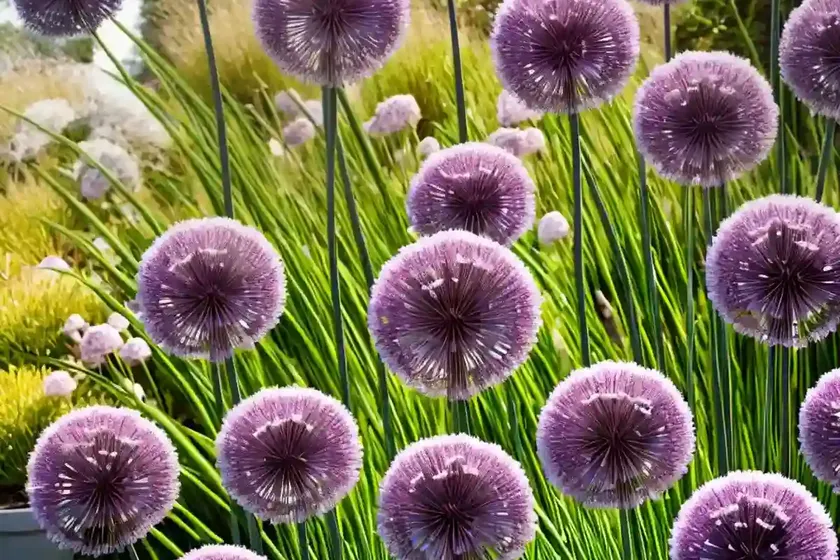
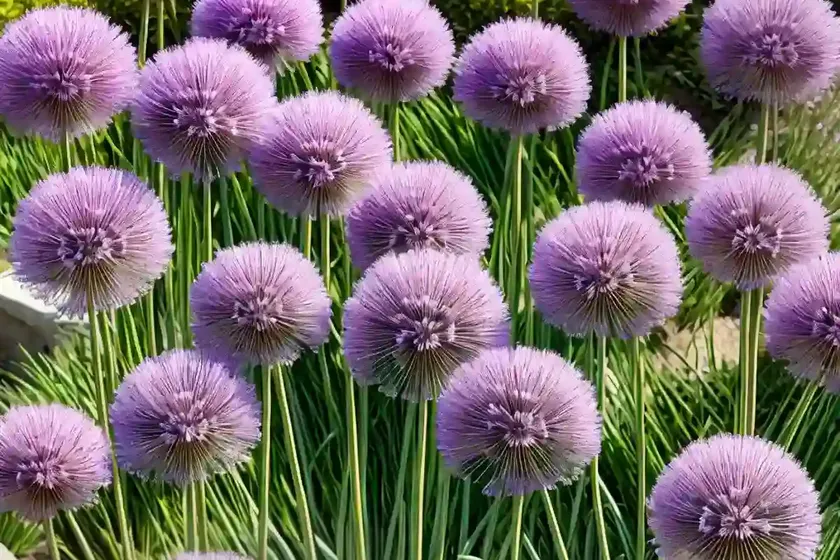
Allium neapolitanum, commonly known as Ornamental Onion, is a stunning plant species that belongs to the Allium genus within the Amaryllidaceae family. It is cherished for its delicate clusters of white flowers and ornamental grass-like foliage, adding elegance to gardens and landscapes. In this comprehensive guide, we will explore every aspect of Allium neapolitanum, including its culture, uses, care requirements, propagation methods, common diseases, and much more.
What is Allium neapolitanum?
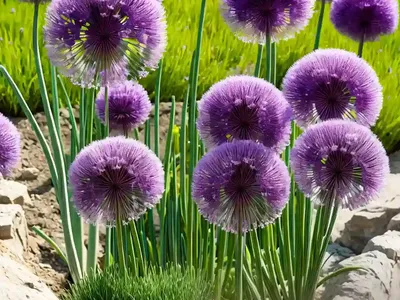
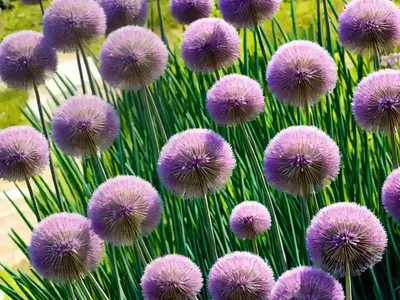
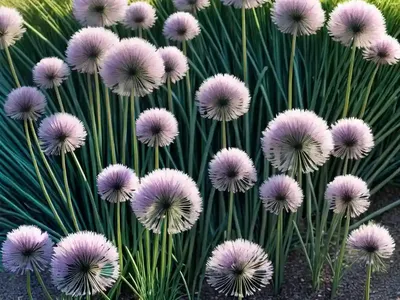
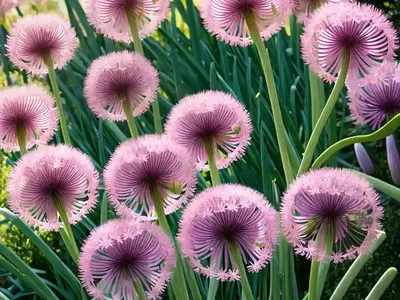
Allium neapolitanum, native to the Mediterranean region, is a perennial bulbous plant known for its beautiful, star-shaped, white flowers that bloom in late spring. The delicate flowers are arranged in dense, spherical clusters atop slender stems, creating a captivating visual display. The narrow, linear leaves of Allium neapolitanum emerge from the base of the plant, forming dense clumps of lush, grassy foliage.
The plant’s enchanting appearance and its ability to naturalize and multiply make it a popular choice for borders, rock gardens, and naturalized landscapes. Additionally, its deer resistance and drought tolerance further contribute to its desirability for both experienced gardeners and beginners.
Key Takeaways – Allium neapolitanum
Before delving into the specifics of the culture, care, and traits of Allium neapolitanum, let’s summarize some key takeaways about this captivating plant:
- Flower Characteristics: Clusters of star-shaped, white flowers.
- Foliage: Linear, grass-like leaves.
- Growth Habit: Perennial bulbous plant.
- Sunlight: Thrives in full sun to partial shade.
- Water: Moderate water requirements.
- Soil: Well-draining soil.
- Uses: Ornamental gardens, borders, rock gardens, and naturalized landscapes.
- Special Features: Deer-resistant, drought-tolerant, and ability to naturalize.
Now, let’s dive deeper into the various aspects of Allium neapolitanum, from its cultural requirements to its maintenance and propagation.
Culture of Allium neapolitanum
Understanding the cultural requirements of Allium neapolitanum is fundamental to its successful growth and development. This section will cover crucial factors such as water, sunlight, fertilizer, soil, and pruning.
Water
Allium neapolitanum, once established, displays moderate drought tolerance. When it comes to watering, it is essential to maintain a balanced approach. Overwatering may lead to issues such as bulb rot, while inadequate moisture can hinder healthy growth and flowering.
Water Requirements:
– In spring, water moderately to support the development of the foliage and flowers.
– During the active growing season, ensure the soil remains slightly moist but not waterlogged.
– Reduce watering after flowering, allowing the foliage to wither and the bulbs to enter dormancy.
Sunlight
Adequate sunlight is vital for the growth and flowering of Allium neapolitanum. It thrives in locations with full sun to partial shade, where it can receive around 6-8 hours of direct sunlight per day.
Sunlight Requirements:
– Choose a planting site that receives ample sunlight, especially during the spring and early summer.
– In warmer regions, partial shade during the hottest part of the day can be beneficial to prevent excessive heat stress.
Fertilizer
Allium neapolitanum is not particularly demanding when it comes to fertilization. However, providing a balanced, all-purpose fertilizer during the growing season can support its overall health and vigor.
Fertilization Guidelines:
– In early spring, apply a balanced, slow-release fertilizer to promote robust foliage and flower development.
– Avoid excessive fertilization, as it may lead to lush foliage at the expense of flower production.
Soil
Well-draining soil is crucial for the successful cultivation of Allium neapolitanum. It thrives in various soil types, ranging from sandy to loamy, as long as the medium promotes good drainage.
Soil Preferences:
– Prioritize well-draining soil to prevent waterlogging, especially during the plant’s dormancy period.
– Incorporate organic matter into the soil to improve its structure and drainage capabilities.
Pruning
Pruning practices for Allium neapolitanum are relatively minimal, focusing primarily on the removal of spent flowers and yellowing foliage. Pruning tasks are often intertwined with maintenance practices.
Pruning Guidelines:
– Deadhead spent flowers to prevent self-seeding and promote the plant’s energy towards bulb development.
– Trim yellowing foliage after it has withered, signaling the plant’s entry into dormancy.
Uses of Allium neapolitanum
The versatility of Allium neapolitanum extends to various landscape and gardening applications, making it a valuable addition to both formal and naturalistic designs.
Ornamental Gardens
In ornamental settings, Allium neapolitanum shines as a charming and elegant addition to flower beds, borders, and mixed perennial plantings. The delicate white flowers create a serene ambiance and pair beautifully with other spring-blooming plants.
Rock Gardens
Its compact growth habit and ornamental nature make Allium neapolitanum an ideal candidate for rock gardens. The contrast between the white flowers and the surrounding rock formations adds visual interest to the garden.
Naturalized Landscapes
Allium neapolitanum has a naturalizing tendency, making it well-suited for planting in meadows, grassy areas, and woodland edges. When allowed to naturalize, it can form breathtaking drifts of white flowers, creating a picturesque scene.
Borders and Edges
Whether used as a border plant or positioned along garden edges, Allium neapolitanum offers a refined and cohesive appearance. Its low-maintenance nature and resistance to deer make it suitable for defining garden boundaries.
Cut Flowers
Apart from its outdoor uses, Allium neapolitanum also serves as a delightful cut flower. The long, slender stems adorned with white blooms are ideal for creating fresh, graceful floral arrangements.
Propagation of Allium neapolitanum
Propagation of Allium neapolitanum primarily occurs through bulb division and seed sowing. Understanding the various propagation methods is beneficial for expanding the plant’s presence in the garden or sharing it with fellow gardening enthusiasts.
Bulb Division
Dividing the bulbs of Allium neapolitanum is a straightforward method of propagation. It is typically carried out during the dormant season or after the foliage has withered.
Bulb Division Steps:
1. Carefully dig up the clumps of bulbs, ensuring minimal damage to the individual bulbs.
2. Gently separate the bulbs, keeping the offsets or individual bulbs intact.
3. Replant the divisions at the desired locations, ensuring appropriate spacing and soil preparation.
Seed Sowing
Growing Allium neapolitanum from seeds is a viable option, especially for those interested in introducing new varieties or expanding the plant population.
Seed Sowing Guidelines:
1. Collect mature seeds from the plant after the flowering period.
2. Sow the seeds in well-draining seed-starting mix, ensuring proper depth and spacing.
3. Maintain consistent moisture and provide adequate light for the germinating seeds.
Allium neapolitanum in Containers
The versatility of Allium neapolitanum extends to container gardening, where its graceful appearance can be showcased on patios, balconies, and other outdoor living spaces. When cultivating Allium neapolitanum in containers, several key considerations should be addressed.
Container Selection
Selecting the right container is crucial for the successful growth of Allium neapolitanum. It should provide adequate space for root development and excellent drainage to prevent waterlogging issues.
Container Characteristics:
– Choose a container with drainage holes to facilitate proper drainage and prevent water accumulation.
– Opt for a sizeable, sturdy container to accommodate the plant’s growth and stability.
Soil Mix
Using a well-draining, nutrient-rich potting mix is essential for container-grown Allium neapolitanum. The soil mix should promote healthy root development while preventing the risk of waterlogged conditions.
Soil Mix Composition:
– Use a combination of standard potting mix, perlite, and coarse sand to ensure optimal drainage and aeration.
– Incorporate a small amount of balanced, slow-release fertilizer to provide essential nutrients for the plant.
Sunlight and Watering
Placement of the container and managing sunlight exposure are critical factors for the health and performance of Allium neapolitanum.
Sunlight Requirements:
– Position the container in a location that receives at least 6-8 hours of sunlight daily, preferably in the morning to early afternoon.
Watering Guidelines:
– Water the container-grown Allium neapolitanum when the top inch of the soil feels dry, ensuring thorough but controlled watering to prevent waterlogging.
Maintenance
Regular maintenance tasks for container-grown Allium neapolitanum involve monitoring moisture levels, fertilizer application, and occasional grooming.
Maintenance Practices:
– Check the moisture levels regularly and adjust the watering frequency based on environmental conditions.
– Apply a diluted, balanced liquid fertilizer during the growing season to support healthy growth and flowering.
Popularity of Allium neapolitanum
Allium neapolitanum has gained popularity among gardeners and landscaping enthusiasts due to its enchanting flowers, low-maintenance requirements, and adaptability to various growing conditions. Its widespread appeal is evident in its frequent inclusion in garden designs and landscaping projects.
Common Uses in Landscaping
Allium neapolitanum finds extensive use in landscaping projects, contributing to the visual appeal and ecological diversity of outdoor spaces.
Landscaping Applications:
– Borders and Edges: Used to define garden borders and enhance the visual impact of garden edges.
– Naturalized Plantings: Contributing to the naturalization of meadows, woodland areas, and informal landscapes.
– Rock Gardens: Adding a touch of elegance and contrast to rockery designs.
Garden Design Trends
In contemporary garden designs, Allium neapolitanum is often incorporated to achieve specific aesthetic and functional objectives, such as seasonal color schemes and ecological enhancements.
Trends in Garden Design:
– Wildlife Gardens: Included to attract pollinators and contribute to the overall biodiversity of the garden.
– Modern Landscapes: Utilized to create minimalist, elegant compositions and provide seasonal interest.
Common Diseases of Allium neapolitanum
While Allium neapolitanum is relatively resilient, there are certain diseases and issues that may affect its health and appearance. Recognizing and addressing these concerns is essential for maintaining the plant’s vigor.
Disease Diagnosis
Identifying potential diseases and disorders that can affect Allium neapolitanum is crucial for implementing timely and effective management strategies.
Common Diseases and Symptoms:
– Botrytis Rot: Recognized by the presence of gray mold on the plant’s foliage and flowers, especially in humid conditions.
– Basal Rot: Caused by various fungal pathogens, leading to rotting of the bulbs and declining foliage.
– Botrytis Allium Leaf Blight: Manifests as water-soaked lesions on the leaves, potentially leading to extensive foliar damage.
Disease Management
Implementing preventive measures and proactive strategies is key to mitigating the impact of diseases on Allium neapolitanum.
Management Practices:
– Improve Air Circulation: Ensure adequate spacing between plants to promote air circulation and reduce humidity.
– Avoid Overhead Watering: Minimize leaf wetness by watering at the base of the plants, especially during the evening hours.
– Remove Affected Foliage: Promptly remove and dispose of any diseased or damaged foliage to prevent further spread.
Common Pests Affecting Allium neapolitanum
In addition to diseases, various pests and insects may pose a threat to the well-being of Allium neapolitanum. Understanding these pests and their control measures is essential for safeguarding the plant’s health.
Pest Identification
Being able to identify common pests that affect Allium neapolitanum is the first step in implementing targeted pest management strategies.
Notable Pests:
– Thrips: Small, slender insects that feed on the plant’s tissues, causing discoloration and distortion.
– Onion Fly: Larvae of onion flies can infest the bulbs and result in significant damage to the plant.
– Nematodes: Soil-borne nematodes can affect the roots of Allium neapolitanum, leading to stunted growth and nutrient deficiencies.
Pest Control Measures
Deploying integrated pest management practices and employing natural control methods can effectively manage pest populations without resorting to harsh chemicals.
Control Strategies:
– Beneficial Insects: Encourage the presence of predatory insects and beneficial nematodes that help control pest populations.
– Physical Barriers: Use floating row covers to prevent adult onion flies from laying eggs near the plant’s base.
– Cultural Practices: Rotate planting locations and practice good garden hygiene to reduce pest pressure.
Botanist’s Tips for Allium neapolitanum
Drawing upon the expertise of botanists and horticultural specialists offers valuable insights into the optimal care and management of Allium neapolitanum. These practical tips can enhance the success of growing this captivating plant.
Proper Planting Depth
Ensuring the correct planting depth is essential for the successful establishment and growth of Allium neapolitanum.
Planting Depth Guidelines:
– Plant the bulbs at a depth of approximately 3-4 inches below the soil surface, spacing them 4-6 inches apart.
Seasonal Maintenance
Adhering to seasonal maintenance tasks is instrumental in promoting the overall health and vitality of Allium neapolitanum.
Seasonal Care Tips:
– In early spring, apply a thin layer of organic mulch to retain soil moisture and inhibit weed growth.
– After the flowering period, allow the foliage to wither naturally before removing it.
Companion Planting
Strategic companion planting can enhance the aesthetic appeal and ecological balance of Allium neapolitanum’s growing environment.
Companion Plants:
– Pair with low-growing perennials such as Sedum, Geranium, or Aubrieta to create harmonious garden compositions.
– Integrate spring-blooming bulbs like Muscari and Narcissus to achieve a diverse and captivating floral display.
Naturalizing Practices
Encouraging the naturalization of Allium neapolitanum involves thoughtful planting and minimal intervention to allow its proliferation over time.
Naturalization Guidance:
– In naturalized areas, refrain from excessive disturbance to support the self-seeding and spread of Allium neapolitanum.
Fun Facts about Allium neapolitanum
Embark on a journey of discovery with intriguing and captivating fun facts about Allium neapolitanum, shedding light on its unique characteristics and ecological significance.
Ecological Importance
Allium neapolitanum holds ecological value by providing nectar and pollen for various pollinators, contributing to the biodiversity of the surrounding ecosystem.
Medicinal and Culinary Uses
While primarily appreciated for its ornamental qualities, some Allium species, including Allium neapolitanum, possess medicinal properties and culinary applications.
Symbolism
The white flowers of Allium neapolitanum are often associated with purity and renewal, symbolizing fresh beginnings and the transition into the spring season.
Links to External Resources
For further exploration and detailed information about Allium neapolitanum, consider the following reputable external resources:
- The Royal Horticultural Society (RHS): Allium neapolitanum Growing Guide
- University of California, Agriculture and Natural Resources: Allium Production Guidelines
- American Society for the Prevention of Cruelty to Animals (ASPCA): Pet-Friendly Plant Database
- North Carolina State University Extension: Managing Diseases and Insects in Home Landscapes
In conclusion, Allium neapolitanum, with its enchanting white flowers, graceful foliage, and adaptable nature, stands as a testament to the allure of ornamental onions. By embracing its cultural requirements, understanding its applications, and being mindful of disease and pest management, gardeners can truly appreciate and celebrate the captivating presence of Allium neapolitanum in their outdoor spaces.
By consistently incorporating botanist’s tips and best practices, the cultivation of Allium neapolitanum becomes a rewarding endeavor, offering an abundance of elegance and serenity to gardens, landscapes, and floral arrangements.
References
- “Allium neapolitanum Growing Guide” – RHS
- “Allium Production Guidelines” – University of California, Agriculture and Natural Resources
- “Pet-Friendly Plant Database” – ASPCA
- “Managing Diseases and Insects in Home Landscapes” – North Carolina State University Extension