Alexandrian Laurel (Danae Racemosa)
Plants have always been an integral part of our lives, providing us with food, oxygen, and aesthetic beauty. The diversity of plant species around the.
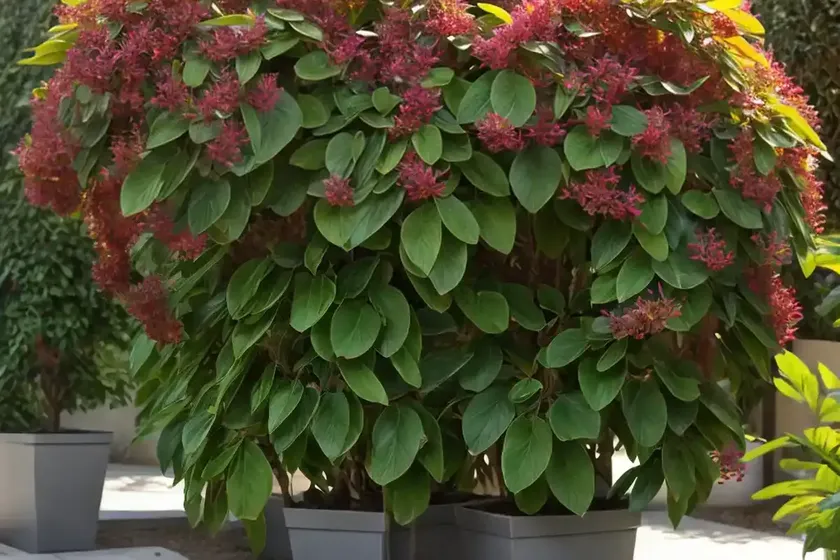
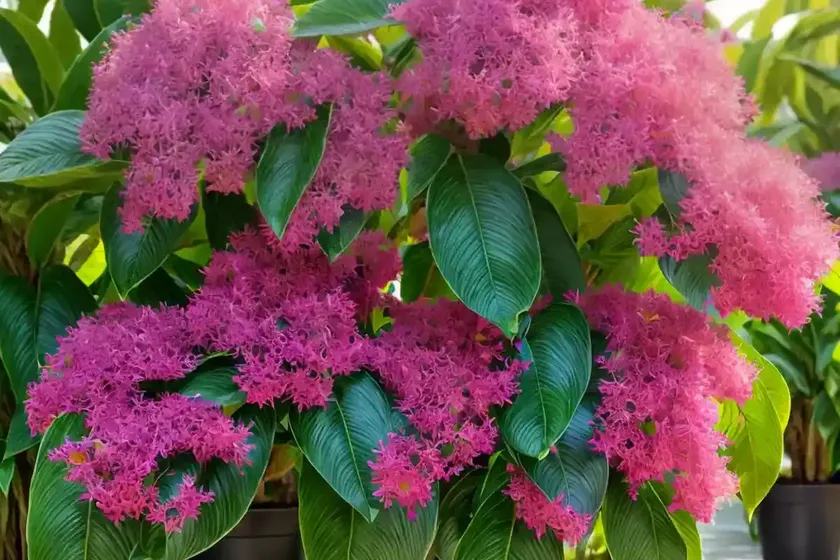
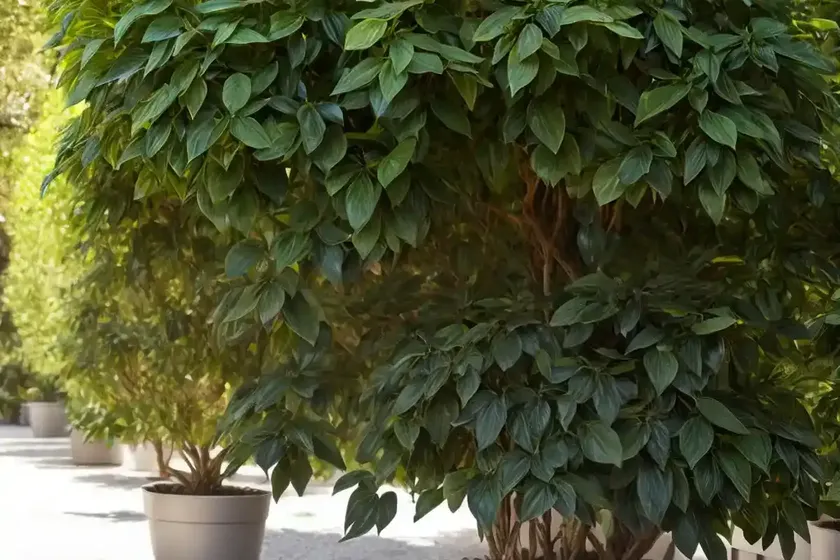
Plants have always been an integral part of our lives, providing us with food, oxygen, and aesthetic beauty. The diversity of plant species around the world offers a wide array of benefits and uses. Among these fascinating plant species is the Alexandrian Laurel, scientifically known as Danae Racemosa. In this comprehensive guide, we will delve into the various aspects of this intriguing plant, including its description, care requirements, interesting facts, and much more.
Introduction to Danae Racemosa
The Alexandrian Laurel, also known by its scientific name Danae Racemosa, is a captivating evergreen shrub that belongs to the Asparagaceae family. Native to the Mediterranean region, this plant is renowned for its ornamental value and cultural significance. Its elegant foliage and adaptive nature make it a popular choice for both indoor and outdoor cultivation. Moreover, Danae Racemosa has historical uses and holds a place in folklore and traditional medicine.
In this extensive guide, we will explore the various aspects of Alexandrian Laurel, including its description, care requirements, propagation methods, landscape applications, and much more. Whether you are a novice plant enthusiast or an experienced gardener, this article will provide valuable insights into the world of Danae Racemosa and equip you with the knowledge needed to cultivate and appreciate this remarkable plant.
Description of Danae Racemosa
Danae Racemosa is characterized by its graceful appearance and distinct features, contributing to its appeal as an ornamental plant. Understanding the physical attributes and characteristics of this plant is crucial for its effective care and cultivation.
Danae Racemosa Characteristics
Here are the key characteristics of Danae Racemosa:
-
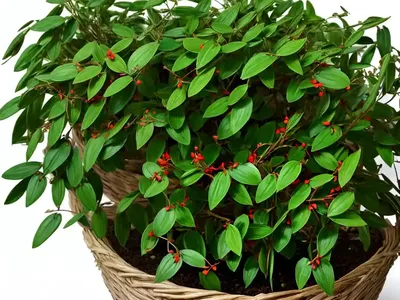
Foliage: The foliage of Danae Racemosa consists of leathery, lance-shaped leaves that are dark green in color. The leaves are arranged alternately along the stems, creating a visually pleasing display.
-
Flowers: In late spring to early summer, Danae Racemosa produces small, inconspicuous flowers that are clustered together in racemes. These flowers, while not showy, add a delicate charm to the plant.
-
Growth Habit: This evergreen shrub has a compact and rounded growth habit, making it an ideal choice for both landscaping and container gardening.
-
Size: When fully mature, Danae Racemosa can reach a height of around 3 to 4 feet, with a similar spread, making it suitable for various garden settings.
Danae Racemosa Leaf Texture and Color Variations
The leaves of Danae Racemosa exhibit a smooth and glossy texture, enhancing their visual appeal. The dark green color of the leaves contributes to the plant’s lush appearance, while also providing a striking contrast against lighter surroundings.
Danae Racemosa Flower Description
The flowers of Danae Racemosa, though small and may be considered inconspicuous, have their own unique charm. Their clustered arrangement in racemes adds an elegant touch to the plant during the flowering season. Understanding the characteristics and behavior of the flowers is essential for comprehensive care and appreciation of Danae Racemosa.
Danae Racemosa Leaf Shape and Arrangement
The lance-shaped leaves of Danae Racemosa are arranged alternately along the stems, creating a balanced and visually appealing arrangement. The symmetrical nature of the leaf arrangement adds to the overall aesthetic value of the plant.
Danae Racemosa Growth Rate and Root System
In terms of growth rate, Danae Racemosa is known for its moderate pace of growth. Understanding the growth patterns and root system of the plant is critical for its successful cultivation and long-term maintenance.
Danae Racemosa Toxicity and Wildlife Habitat
It is important to note that some plants, while aesthetically pleasing, can pose hazards to pets and wildlife due to their toxicity. Furthermore, understanding the potential ecological impact and interactions with wildlife is essential for responsible cultivation of Danae Racemosa.
Danae Racemosa Care
Caring for Danae Racemosa involves a combination of proper watering, sunlight exposure, soil management, and regular maintenance practices. With the right care techniques, this elegant shrub can thrive and contribute to the beauty of indoor and outdoor spaces.
Watering Needs
Danae Racemosa has specific watering needs that are influenced by factors such as season, climate, and soil conditions. Understanding the optimal watering practices is essential for preventing water stress or root-related issues.
Danae Racemosa Watering Recommendations
| Season | Watering Frequency |
|---|---|
| Spring | Regular watering to maintain soil moisture, especially during flowering. |
| Summer | Increased watering to cope with higher temperatures and evaporation. |
| Fall | Moderate watering as the plant prepares for dormancy. |
| Winter | Reduced watering to prevent waterlogging in cool and inactive periods. |
It is important to monitor the soil moisture levels and adjust the watering frequency accordingly. Additionally, using a well-draining potting mix or cultivating Danae Racemosa in well-drained soil can aid in preventing waterlogging.
Sunlight Requirements
Optimal sunlight exposure is crucial for the growth and development of Danae Racemosa. Understanding the sunlight preferences and potential challenges associated with inadequate or excessive exposure is essential for maintaining the plant’s health and vigor.
Best Light Conditions for Danae Racemosa
| Light Level | Sunlight Exposure |
|---|---|
| Full Sun | 6-8 hours of direct sunlight per day, especially in cooler climates. |
| Partial Sun | Filtered sunlight or partial shade, especially in regions with intense heat. |
Choosing the right location for Danae Racemosa, whether indoors or outdoors, can significantly impact its overall growth and appearance.
Soil Requirements
The soil composition and quality play a critical role in the overall well-being of Danae Racemosa. Understanding the soil preferences and requirements is essential for providing an optimal growing environment for the plant.
Danae Racemosa Soil Recommendations
- Well-Draining Soil: Danae Racemosa thrives in well-draining soil or potting mix to prevent waterlogging and root rot.
- pH Level: A slightly acidic to neutral soil pH (6.0-7.0) is suitable for Danae Racemosa, promoting nutrient availability and overall plant health.
Regularly monitoring the soil moisture and pH levels can aid in maintaining an ideal growing environment for Danae Racemosa.
Fertilizer Recommendations
Proper nutrition is essential for the robust growth and vitality of Danae Racemosa. Understanding the fertilization requirements and schedules is vital for providing the necessary nutrients for the plant’s development.
Danae Racemosa Fertilization Schedule
- Spring: Apply a balanced, slow-release fertilizer to support the plant’s growth and flowering.
- Summer: Supplement with a diluted liquid fertilizer every 4-6 weeks to maintain nutrient availability.
- Fall: Reduce fertilization as the plant prepares for dormancy.
- Winter: Withhold fertilization during the dormant period to align with the plant’s reduced metabolic activity.
Balanced fertilization, coupled with proper watering and sunlight, can promote the overall vigor and resilience of Danae Racemosa.
Pruning Techniques
Pruning plays a vital role in maintaining the desired shape, size, and overall appearance of Danae Racemosa. Understanding the appropriate pruning techniques and timing is crucial for promoting healthy growth and enhancing the plant’s aesthetic appeal.
Alexandrian Laurel Pruning Tips
- Timing: Prune Danae Racemosa in late winter or early spring to remove any dead or damaged branches and encourage new growth.
- Method: Use clean, sharp pruning shears to make precise cuts, ensuring the overall health and form of the plant.
By practicing regular pruning, gardeners can manage the growth of Danae Racemosa and maximize its ornamental value.
Cultivation and Growing Conditions
The successful cultivation of Danae Racemosa relies on providing optimal growing conditions, whether indoors or outdoors. Understanding the cultural and environmental requirements is essential for fostering the plant’s overall well-being.
Outdoor Planting
When cultivating Danae Racemosa outdoors, it is important to consider the specific requirements for location, soil preparation, and climate suitability. By following appropriate outdoor planting practices, gardeners can enhance the plant’s resilience and visual impact in the garden landscape.
Danae Racemosa Climate Suitability
- Hardiness Zone: Danae Racemosa is suitable for growing in USDA hardiness zones 7-9, where the climate conditions align with its preferences for temperature and humidity.
Indoor Cultivation
For indoor cultivation, Danae Racemosa requires suitable growing conditions to thrive and adorn interior spaces with its elegance. Understanding the indoor care requirements is essential for providing a conducive environment for the plant’s growth.
Best Practices for Indoor Cultivation
- Light: Place Danae Racemosa near a bright, indirect light source to ensure adequate sunlight exposure while protecting the plant from direct harsh rays.
- Humidity: Maintain moderate humidity levels, especially during dry indoor environments, through methods such as misting or using a humidifier to mimic the plant’s native habitat conditions.
- Temperature: Position the plant in a location with stable temperatures, avoiding sudden fluctuations and drafts that could stress the plant.
By incorporating these indoor cultivation practices, plant enthusiasts can enjoy the beauty of Danae Racemosa within the comfort of their homes or indoor spaces.
Propagation Methods
Propagation allows for the expansion of Danae Racemosa through controlled reproduction techniques. Understanding the various propagation methods and their practical application is essential for cultivating new plants and preserving the unique characteristics of the species.
Danae Racemosa Propagation Techniques
- Seeds: Propagate Danae Racemosa from seeds, maintaining proper conditions for germination and subsequent growth.
- Cuttings: Utilize stem cuttings to propagate new plants, ensuring the use of healthy and disease-free plant material.
By employing suitable propagation methods, gardeners can propagate Danae Racemosa and expand its presence in diverse garden settings.
Landscape Maintenance
Danae Racemosa is prized for its ornamental value and is often incorporated into landscape designs for its visual appeal. Understanding the maintenance practices and considerations is crucial for preserving the plant’s aesthetic contribution to the outdoor environment.
Danae Racemosa Landscape Uses
- Hedging: Utilize Danae Racemosa as a hedge plant to create defined borders and visual interest in garden landscapes.
- Container Gardening: Display Danae Racemosa in containers and planters to accentuate outdoor spaces such as patios, balconies, and gardens.
- Urban Gardens: Incorporate Danae Racemosa in urban garden settings to introduce greenery and elegance to compact outdoor areas.
By applying effective landscape maintenance practices, gardeners can enhance the visual appeal and functionality of outdoor spaces through the cultivation of Danae Racemosa.
Common Diseases and Pests
As with any plant species, Danae Racemosa is susceptible to certain diseases and pests that can impact its health and vitality. Recognizing the common issues and implementing appropriate control measures is essential for mitigating potential damage and preserving the plant’s overall well-being.
Disease Diagnosis
Danae Racemosa may encounter certain diseases that can affect its foliage, growth, and overall appearance. Understanding the symptoms and potential treatments for common diseases is vital for proactive management of plant health.
Common Diseases of Danae Racemosa
- Leaf Spot: Manifests as small, dark spots or lesions on the leaves, often caused by fungal pathogens. Treatment involves proper sanitation and, if necessary, the use of fungicidal sprays to control the spread of the disease.
- Root Rot: Results from waterlogging or overly moist soil conditions, leading to decay and weakening of the root system. Control involves improving drainage and reducing excessive moisture around the roots.
Common Pests
Pest infestations can pose a threat to the overall health and vigor of Danae Racemosa. Identifying the common pests and utilizing effective pest control strategies is essential for preventing extensive damage to the plant.
Danae Racemosa Pest Control Measures
- Aphids: These small, sap-sucking insects can cluster on the leaves and stems, causing wilting and deformation of the plant. Control methods include using insecticidal soaps or introducing natural predators such as ladybugs to mitigate aphid populations.
- Spider Mites: These tiny pests can infest the undersides of leaves, causing stippling and webbing. Treatment involves regular monitoring and using horticultural oils to suffocate and control spider mite populations.
By remaining vigilant and applying appropriate disease and pest control measures, gardeners can safeguard the health and beauty of Danae Racemosa.
Medicinal and Landscape Uses
Beyond its ornamental value, Danae Racemosa possesses certain medicinal properties and has found usage in traditional medicine practices. Additionally, it contributes to diverse landscape applications, adding a touch of elegance and visual interest to outdoor environments.
Danae Racemosa Medicinal Properties
Danae Racemosa has been identified for its potential medicinal attributes, and certain traditional medicine systems have utilized the plant for its purported healing properties. Understanding the historical and cultural significance of its medicinal uses provides a holistic appreciation of Danae Racemosa.
Danae Racemosa in Traditional Medicine
- Historical Uses: The plant has historically been associated with treatments for certain ailments, drawing on its perceived medicinal properties.
- Natural Remedies: Certain parts of Danae Racemosa have been used in traditional remedies, with applications ranging from topical preparations to oral treatments, as per traditional knowledge systems.
Exploring the medicinal aspects of Danae Racemosa sheds light on its cultural significance and potential contributions to ancient healing practices.
Landscape Uses and Design
The inherent beauty of Danae Racemosa makes it a favored choice for various landscape applications, contributing to the visual allure and functionality of outdoor spaces. Understanding its landscape uses and design considerations is essential for incorporating Danae Racemosa into diverse environments.
Danae Racemosa in Urban Gardens
The adaptability of Danae Racemosa makes it well-suited for urban garden settings, where space may be limited but the desire for greenery and aesthetic appeal remains strong.
Landscape Maintenance
Incorporating Danae Racemosa into landscape designs requires careful consideration of its maintenance needs and overall visual impact. By implementing effective landscape maintenance practices, the plant can thrive and contribute to the overall beauty of outdoor settings.
Interesting Facts and Folklore
Danae Racemosa carries with it a rich tapestry of interesting facts, folklore, and cultural significance that adds depth to its identity. Exploring these facets provides a more holistic understanding of the plant and its enduring impact on various cultures and traditions.
Botanist’s Tips
Botanists and plant enthusiasts who have studied Danae Racemosa offer valuable insights and tips for cultivating and caring for this unique plant. Gaining knowledge from experts in the field can enrich the experience of growing and appreciating Danae Racemosa.
Fun Facts about Danae Racemosa
- Cultural Significance: Danae Racemosa has been woven into the cultural narratives of certain regions, featuring in folklore, mythology, and traditional customs.
- Wildlife Habitat: The plant’s ecological role and interactions with wildlife offer a fascinating perspective on its place in the natural environment.
By delving into the intriguing facts and folklore surrounding Danae Racemosa, one can develop a deeper appreciation for its cultural significance and ecological importance.
Conclusion
In conclusion, the Alexandrian Laurel, Danae Racemosa, is an exquisite plant with a rich tapestry of attributes, uses, and cultural significance. From its elegant foliage and graceful flowers to its medicinal properties and landscape applications, Danae Racemosa continues to captivate plant enthusiasts and gardeners around the world. By understanding the care requirements, cultural uses, and interesting facts associated with this remarkable plant, individuals can embark on a rewarding journey of cultivation and appreciation.
When cultivating Danae Racemosa, it is essential to consider its unique characteristics, propagation methods, and potential challenges such as diseases and pests. With proper care and attention, the beauty of Danae Racemosa can thrive in diverse settings, from urban gardens to expansive landscapes. As a symbol of elegance and resilience, Danae Racemosa remains a timeless addition to the world of plants, offering both visual splendor and cultural significance.
References
- Royal Horticultural Society. (n.d.). Danae Racemosa. https://www.rhs.org.uk/plants/13615/danae-racemosa/details
- Missouri Botanical Garden. (n.d.). Danae Racemosa. https://www.missouribotanicalgarden.org/PlantFinder/PlantFinderDetails.aspx?taxonid=263779
- Gardening Know How. (n.d.). Alexandrian Laurel Care: Tips for Growing Danae Racemosa. https://www.gardeningknowhow.com/ornamental/shrubs/alexandrian-laurel/danae-racemosa-care.htm
This comprehensive guide has been compiled using a combination of botanical insights, horticultural expertise, and cultural perspectives to provide a holistic understanding of Danae Racemosa and its multi-faceted nature. Whether you are a plant enthusiast, gardener, or a lover of natural beauty, may this guide serve as a source of inspiration and knowledge as you explore the captivating world of Alexandrian Laurel, Danae Racemosa.