Dracaena Compacta (Dracaena Fragrans)
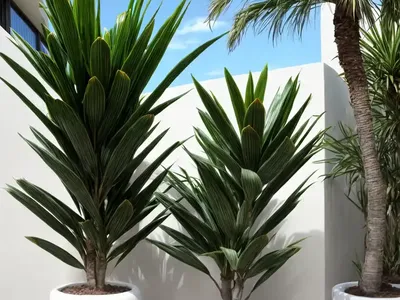
Dracaena Compacta, commonly known as Dracaena fragrans, is a popular houseplant cherished for its lush, compact growth habit and air-purifying properties..
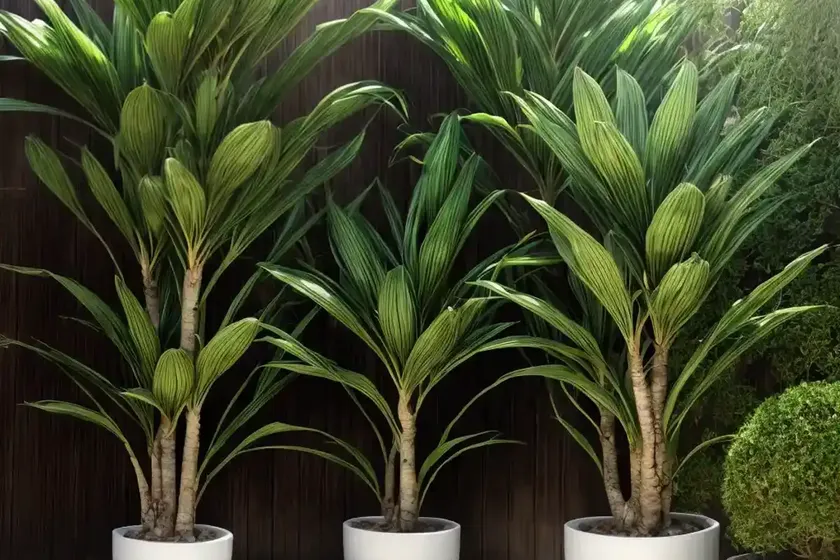
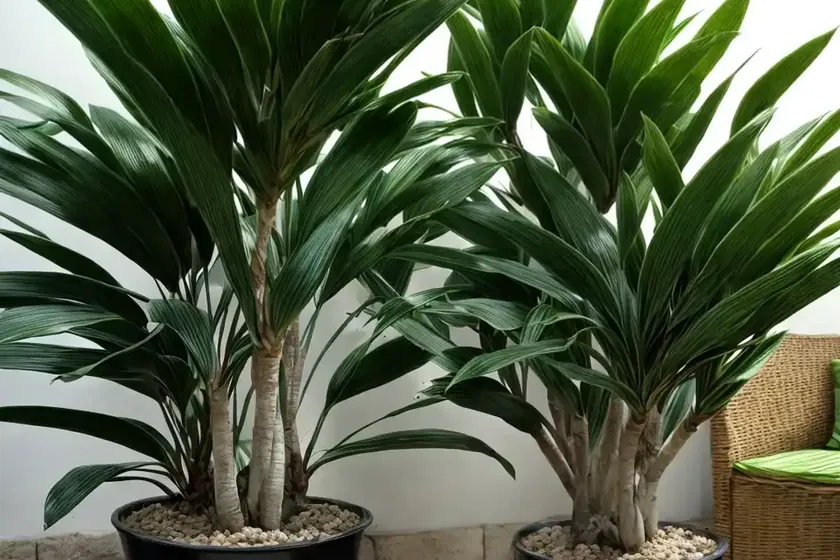
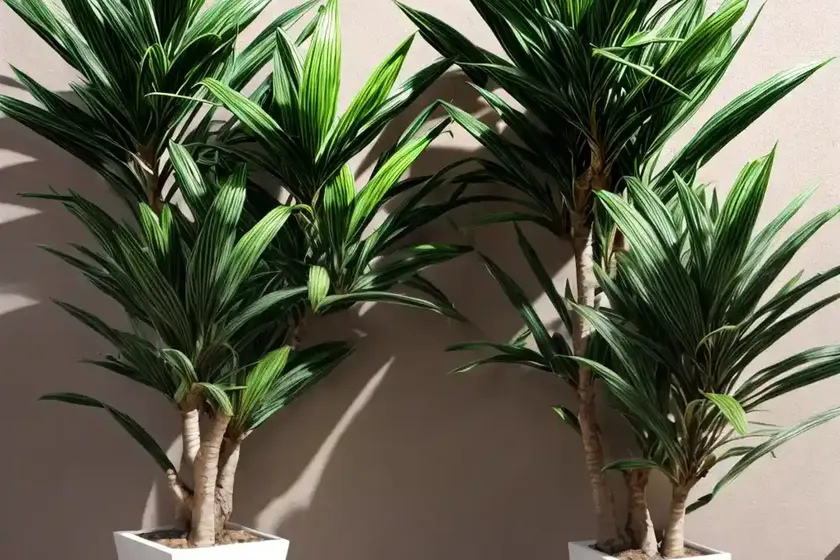
Dracaena Compacta, commonly known as Dracaena fragrans, is a popular houseplant cherished for its lush, compact growth habit and air-purifying properties. This versatile plant is well-suited for indoor spaces, making it a favorite among plant enthusiasts and interior designers alike. In this comprehensive care guide, we will delve into the culture, uses, care requirements, and propagation of the Dracaena Compacta plant. Whether you are a seasoned plant parent or new to the world of indoor gardening, this guide will provide you with the knowledge and skills to successfully cultivate and care for this stunning plant.
What is Dracaena Compacta?
Dracaena Compacta, a cultivar of the Dracaena fragrans species, is a tropical plant native to Africa. It belongs to the Asparagaceae family and is characterized by its dense, glossy green foliage. The plant’s compact growth habit and architectural form make it an ideal choice for enhancing the aesthetics of indoor spaces.
Key Takeaways – Dracaena Compacta (Dracaena fragrans)
Before we delve into the specific care requirements of the Dracaena Compacta, let’s summarize the key takeaways that will be explored in detail in the subsequent sections:
- Culture
- Uses
- Water
- Sunlight
- Fertilizer
- Soil
- Pruning
- Propagation
- Container
- Popularity
- Common Diseases
- Disease diagnosis
- Common pests
- Botanist’s tips
- Fun facts
- Links to External Resources
Now, let’s dive into a detailed exploration of each of these aspects of Dracaena Compacta care.
Culture of Dracaena Compacta
Understanding the cultural requirements of Dracaena Compacta is essential for ensuring its optimal growth and well-being. By considering its natural habitat and growth habits, we can create an environment that closely mimics its native conditions, promoting healthy and vigorous growth.
Natural Habitat and Growth Habits
Dracaena Compacta is native to tropical Africa, where it thrives in the warm, humid climates of regions such as Mozambique, Madagascar, and other Indian Ocean islands. In its natural habitat, it can often be found in shaded areas of forests, where it receives filtered light and ample moisture from the humid air.
The plant’s growth habits are characterized by its compact, narrow form, with glossy, lanceolate leaves densely packed along its upright stems. These leaves are a rich, vibrant green and contribute to the plant’s lush appearance, making it a visually striking addition to interior spaces.
Light and Temperature Requirements
Dracaena Compacta thrives in bright, indirect light, making it well-suited for indoor environments with ample natural light. Positioning the plant near a window where it can receive filtered sunlight is ideal, as direct sunlight can scorch its leaves. Additionally, maintaining a consistent temperature range of 65-80°F (18-27°C) is favorable for its growth and overall health.
Humidity and Air Circulation
Given its tropical origins, Dracaena Compacta benefits from moderate to high humidity levels. To promote a humid environment, especially during drier months or in indoor spaces with low humidity, consider placing a humidifier near the plant or using a pebble tray filled with water to increase ambient moisture.
Furthermore, adequate air circulation is essential for preventing the buildup of stagnant air around the plant, which can increase the risk of pests and diseases. Positioning the plant in a well-ventilated area or using a gentle fan to promote air movement can aid in maintaining optimal growing conditions.
Uses of Dracaena Compacta
In addition to its ornamental value, Dracaena Compacta boasts a range of practical uses and benefits, making it more than just a visually appealing houseplant. Understanding these uses can further enhance our appreciation for this versatile plant and its potential contributions to our indoor spaces.
Ornamental Purposes
One of the primary uses of Dracaena Compacta is its ornamental value. The plant’s compact growth habit, vibrant foliage, and architectural form make it an ideal choice for enhancing the visual appeal of homes, offices, and indoor landscapes.
Whether displayed as a standalone specimen or incorporated into a larger plant arrangement, Dracaena Compacta serves as an eye-catching focal point, adding a touch of greenery and natural elegance to any space.
Air Purification
Dracaena Compacta is renowned for its air-purifying properties, contributing to the improvement of indoor air quality. Like other members of the Dracaena genus, it has been identified by NASA’s Clean Air Study as an effective air-purifying plant, capable of removing harmful toxins such as formaldehyde and benzene from the surrounding air.
Integrating Dracaena Compacta into indoor environments can help reduce indoor air pollution, creating a healthier and more rejuvenating living or working space.
Feng Shui and Interior Design
In the realm of feng shui and interior design, Dracaena Compacta is valued for its ability to bring positive energy, harmony, and balance to indoor spaces. Its vibrant green foliage and upright growth habit are believed to symbolize growth, prosperity, and resilience, making it a popular choice for those seeking to incorporate feng shui principles into their living or working environments.
By strategically placing Dracaena Compacta in key areas of a space, such as the east or southeast corners, individuals aim to harness its positive energy and cultivate a harmonious atmosphere.
Care Requirements for Dracaena Compacta
Successfully caring for Dracaena Compacta involves addressing key factors such as watering, sunlight, soil, and fertilization. By understanding and effectively managing these care requirements, plant enthusiasts can ensure the plant’s sustained health and vitality, fostering its growth and longevity in indoor settings.
Watering
Proper watering is crucial for the well-being of Dracaena Compacta. Overwatering or underwatering can lead to a range of issues, including root rot or dehydration, which can compromise the plant’s overall health. To establish an effective watering routine, consider the following guidelines:
-
Consistent Moisture: While Dracaena Compacta prefers slightly moist soil, it is important to avoid waterlogged conditions. Allow the top inch of the soil to dry out between waterings, and then water the plant thoroughly until excess water drains from the bottom of the pot.
-
Water Quality: Use room-temperature water for watering, and avoid excessive mineral buildup by occasionally leaching the soil with copious amounts of water to flush out accumulated salts.
-
Seasonal Adjustments: During the growing season, typically spring and summer, Dracaena Compacta may require more frequent watering, while in the dormant period of fall and winter, it will need less water. Adjust your watering frequency accordingly to accommodate the plant’s changing needs.
Sunlight
Finding the ideal balance of light exposure is essential for the health and growth of Dracaena Compacta. Position the plant in a location that provides bright, indirect light, such as near a window with sheer curtains or in well-lit interior spaces. Be mindful of the following sunlight considerations:
-
Direct Sunlight: Protect Dracaena Compacta from direct sunlight, particularly during the intense midday hours, as excessive light exposure can lead to sunburn and damage the plant’s foliage.
-
Low-Light Tolerance: While Dracaena Compacta thrives in bright, indirect light, it can also adapt to lower light conditions, making it a versatile choice for indoor environments with varying light levels.
-
Seasonal Adjustments: Consider adjusting the plant’s positioning or introducing supplemental lighting during the darker winter months to ensure it continues to receive adequate light for healthy growth.
Fertilizer
Providing the appropriate nutrients through regular fertilization is key to promoting the vigorous growth and vitality of Dracaena Compacta. Selecting a balanced, water-soluble fertilizer formulated for foliage plants can provide the plant with the essential nutrients it requires.
When fertilizing Dracaena Compacta, adhere to the following guidelines:
-
Frequency: Fertilize the plant biweekly or monthly during the growing season, generally spring through summer. Reduce or discontinue fertilization during the plant’s dormant period in fall and winter.
-
Dilution and Application: Dilute the fertilizer to half the recommended strength to avoid the risk of overfertilization, which can lead to salt buildup in the soil. Apply the diluted fertilizer to moist soil to prevent root burn and ensure efficient nutrient uptake.
-
Nutrient Balance: Look for a balanced fertilizer, such as a 20-20-20 or 10-10-10 formula, to provide Dracaena Compacta with a blend of essential macronutrients, including nitrogen, phosphorus, and potassium, as well as trace elements.
Soil
Selecting a well-draining, nutrient-rich soil medium is essential for ensuring the optimal growth and development of Dracaena Compacta. A suitable potting mix should strike a balance between moisture retention and aeration, supporting healthy root growth and overall plant vigor.
Consider the following factors when choosing or preparing soil for Dracaena Compacta:
-
Drainage: Select a porous potting mix that facilitates adequate drainage, preventing the risk of waterlogged conditions that can lead to root rot. A blend of peat moss, perlite, and coarse sand can promote effective drainage while retaining adequate moisture.
-
Nutrient Content: Look for a soil mix that is enriched with organic matter, such as compost or well-composted manure, to provide essential nutrients and support the plant’s nutrient requirements.
-
pH Range: Aim for a slightly acidic to neutral pH range between 6.0 and 7.0, which is favorable for the uptake of essential nutrients by the plant’s roots. Avoid highly alkaline or compacted soils that can impede root growth and nutrient absorption.
By selecting and preparing a suitable soil medium, you can provide an optimal growing environment for Dracaena Compacta, allowing it to thrive and flourish in its container.
Pruning
Pruning plays a vital role in maintaining the aesthetic appeal and overall health of Dracaena Compacta. Regular pruning allows for the removal of damaged or diseased foliage, encourages new growth, and helps shape the plant to achieve the desired form.
When pruning Dracaena Compacta, keep the following points in mind:
-
Sterilization: Use clean, sharp pruning shears to prevent the spread of disease. Disinfect the pruning tools with rubbing alcohol or a 10% bleach solution before and after use.
-
Selective Pruning: Remove any yellowing or browning leaves to improve the plant’s appearance and promote the growth of new, healthy foliage. Additionally, prune back overgrown or leggy stems to encourage a more compact growth habit.
-
Shape Maintenance: As Dracaena Compacta is prized for its dense, upright growth habit, selectively prune the tips of the stems to maintain its desired shape and prevent it from becoming too leggy.
Regularly inspecting the plant for any signs of damage or overcrowding and promptly addressing these issues through pruning will help ensure that your Dracaena Compacta remains healthy and visually appealing.
Propagation of Dracaena Compacta
Propagating Dracaena Compacta offers an opportunity to expand your plant collection and share the beauty of this versatile species with others. While the plant can be slow-growing, the propagation process can be a rewarding and fulfilling endeavor for plant enthusiasts.
Techniques for Propagation
Dracaena Compacta can be propagated through several methods, including:
-
Stem Cuttings: Propagate the plant by taking stem cuttings that are approximately 4-6 inches in length. Ensure that each cutting has several nodes, and remove any lower leaves to create a bare stem. After allowing the cut end to callus over for a day or two, place the cutting in a container filled with moist, well-draining soil, and provide it with gentle warmth and indirect light to encourage rooting.
-
Offsets: The plant may produce offsets or pups around its base, which can be carefully separated from the parent plant and potted individually to initiate new growth.
-
Air Layering: This propagation method involves creating a wound on the stem, covering it with moist moss or a rooting medium, and wrapping it in plastic to encourage the growth of roots. Once roots have developed, the rooted section can be severed and potted separately.
Container Selection
When propagating Dracaena Compacta, select suitable containers that provide adequate drainage and room for root development. As the young plants establish themselves, maintaining consistently moist soil without waterlogging is crucial to support their initial growth and establishment.
Following successful propagation, continue to care for the new plants using the same guidelines for watering, light requirements, and soil conditions to ensure their successful transition to mature, thriving specimens.
Container Considerations
Selecting the right container for Dracaena Compacta is essential for providing a stable growing environment that supports the plant’s development and complements its ornamental qualities. Additionally, the choice of container impacts factors such as drainage, soil moisture retention, and overall aesthetics.
Container Size and Drainage
Choose a container that allows for adequate room for the plant’s root system to develop. Opt for a pot that provides ample drainage holes at the base to prevent water from pooling and causing root rot. A well-draining container promotes healthy root growth and minimizes the risk of water-related issues.
Material and Aesthetics
Containers for Dracaena Compacta are available in a range of materials, including terracotta, ceramic, plastic, and decorative planters. Consider the aesthetic style of the container, as well as its functional properties, when selecting the ideal pot for your plant.
-
Terracotta: Porous and breathable, terracotta containers allow for air and moisture exchange, promoting a healthy root environment. However, they may require more frequent watering due to their ability to wick moisture from the soil.
-
Ceramic: Ceramic pots offer a wide range of colors, textures, and designs, making them a versatile choice for showcasing Dracaena Compacta. While less porous than terracotta, they still provide adequate breathability for the soil.
-
Plastic: Lightweight and durable, plastic containers are easy to maneuver and come in various sizes and styles. They retain moisture well and can be a practical option for maintaining consistent soil moisture levels.
-
Decorative Planters: If using a decorative planter without drainage holes, consider the use of a cachepot or secondary container to allow for drainage while maintaining the aesthetic appeal of the display.
By carefully considering the attributes and requirements of the container, you can provide Dracaena Compacta with a suitable and attractive home that promotes its growth and showcases its beauty.
Popularity of Dracaena Compacta
Dracaena Compacta’s popularity as a houseplant has grown significantly due to its striking appearance, low maintenance requirements, and air-purifying properties. Its compact size and manageable care needs make it an appealing choice for both seasoned plant enthusiasts and individuals new to indoor gardening.
In residential and commercial settings, Dracaena Compacta is valued for its ability to enhance interior spaces with its vibrant, tropical foliage, contributing to a welcoming and visually appealing environment. The plant’s adaptable nature and air-purifying capabilities further solidify its popularity as a sought-after indoor plant.
Common Uses in Interior Design
As an interior design element, Dracaena Compacta is utilized in a variety of contexts to create visually stunning and harmonious spaces. It is frequently incorporated into the following design applications:
-
Indoor Landscaping: The plant is used to create lush, tropical-themed indoor landscapes, either as a standalone feature or combined with other complementary plant species to craft inviting and serene interior settings.
-
Office Environments: Dracaena Compacta is often selected for office spaces, contributing to a refreshing and lively ambiance while requiring minimal maintenance, ideal for busy work environments.
-
Residential Decor: In homes and apartments, the plant is prized for its ornamental value, bringing a touch of nature and greenery to living areas, bedrooms, and other interior spaces.
Practical Benefits
Beyond its visual appeal and ornamental uses, Dracaena Compacta offers several practical benefits that contribute to its widespread popularity:
-
Low Maintenance: The plant’s minimal care requirements, including its tolerance of lower light levels and ability to withstand periods of drought, make it an accessible choice for individuals seeking a low-maintenance indoor plant.
-
Air Purification: As part of NASA’s Clean Air Study, Dracaena Compacta has been recognized for its ability to remove indoor air pollutants, making it a valuable addition to residential and commercial environments seeking to improve air quality.
-
Adaptability: Dracaena Compacta’s versatility allows it to thrive in a range of interior environments, from well-lit spaces with ample natural light to areas with lower light levels, making it a versatile and adaptable plant choice.
Overall, Dracaena Compacta’s popularity can be attributed to its diverse range of uses, visually engaging appearance, and practical benefits, positioning it as a highly favored indoor plant species.
Common Diseases Affecting Dracaena Compacta
Understanding the potential diseases that can affect Dracaena Compacta is essential for diagnosing and effectively managing any health issues that may arise. By familiarizing yourself with the common diseases and their symptoms, you can promptly address these concerns and implement appropriate treatments to restore the plant’s vigor.
Root Rot
Root rot, caused by excessive soil moisture and poor drainage, is one of the most prevalent diseases that can affect Dracaena Compacta. It presents as mushy, discolored roots and may lead to wilting, yellowing foliage, and a general decline in the plant’s health.
Prevention and Treatment:
- Proper Watering: Ensure that the plant’s soil is allowed to dry out slightly between waterings to prevent waterlogged conditions.
- Enhanced Drainage: Use a well-draining potting mix and a container with adequate drainage holes to minimize the risk of water accumulation.
Leaf Spot and Blight
Fungal pathogens can lead to the development of leaf spot and blight on Dracaena Compacta, resulting in unsightly blemishes and discoloration on the plant’s foliage. This can diminish the overall aesthetic appeal of the plant and compromise its vitality if left untreated.
Prevention and Treatment:
- Air Circulation: Promote adequate air circulation around the plant to reduce excess moisture and discourage fungal growth.
- Pruning: Remove and discard infected foliage to prevent the spread of the disease, and treat the plant with a fungicidal spray to help control the fungal pathogens.
Pest Infestations
While not a disease per se, pest infestations can significantly impact the health and appearance of Dracaena Compacta. Common pests that may affect the plant include spider mites, mealybugs, and scale insects, each causing distinct symptoms such as leaf stippling, webbing, or honeydew secretion.
Prevention and Treatment:
- Isolation: Quarantine affected plants to prevent the spread of pests to other nearby specimens.
- Natural Predators: Introduce beneficial predatory insects, such as ladybugs or lacewings, to help control pest populations in an eco-friendly manner.
Disease Diagnosis and Management
Prompt diagnosis of diseases affecting Dracaena Compacta is essential for implementing effective management strategies. By carefully observing the plant’s symptoms and identifying potential disease issues, you can take proactive measures to address these concerns and prevent further deterioration of the plant’s health.
Symptoms to Watch For
When inspecting Dracaena Compacta for signs of disease, be on the lookout for the following symptoms:
- Yellowing or Browning Leaves: Discoloration of the plant’s foliage