Ajuga Reptans ‘Chocolate Chip’ (Carpet Bugle)
Introduction In the world of landscaping and horticulture, Ajuga reptans ‘Chocolate Chip’, also known as Carpet Bugle, has gained significant popularity.
Introduction
In the world of landscaping and horticulture, Ajuga reptans ‘Chocolate Chip’, also known as Carpet Bugle, has gained significant popularity due to its versatility and low-maintenance nature. This resilient ground cover plant is valued not only for its attractive foliage but also for its adaptability to various growing conditions, making it an excellent choice for gardeners and landscaping enthusiasts. In this comprehensive guide, we will explore the characteristics, care tips, varieties, uses, and maintenance of Ajuga reptans ‘Chocolate Chip’, as well as its role in ecosystems and natural habitats.
What is Ajuga reptans ‘Chocolate Chip’?
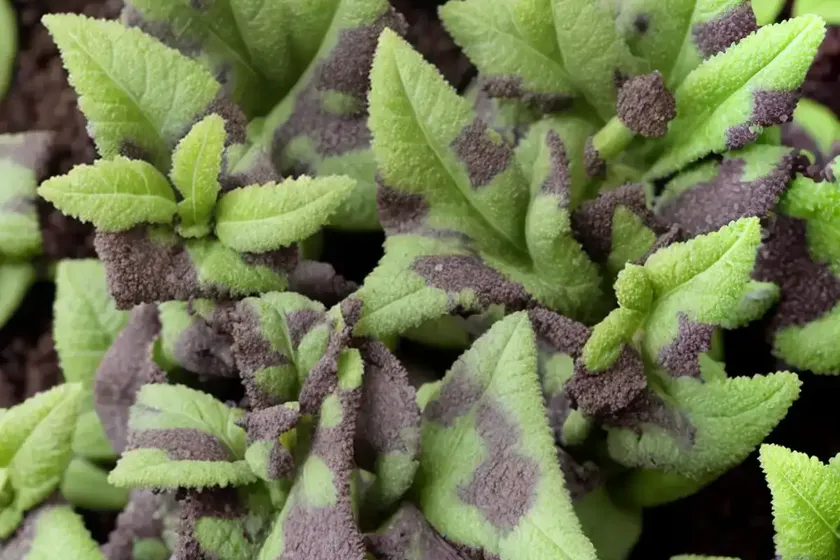
Ajuga reptans ‘Chocolate Chip,’ a member of the Lamiaceae family, is a low-growing perennial plant that is prized for its dense, chocolate-brown foliage and compact growth habit. This cultivar is a striking variation of the species Ajuga reptans, commonly referred to as Bugleweed, which is native to Europe. ‘Chocolate Chip’ is characterized by its small, ovate leaves that display a rich, chocolatey hue, making it a visually appealing addition to gardens, borders, and natural landscapes.
Key Takeaways – Ajuga reptans ‘Chocolate Chip’
Before delving into the specifics of caring for Ajuga reptans ‘Chocolate Chip’, it is essential to highlight the key takeaways associated with this resilient plant. Below are the crucial points that will be elaborated on in this guide:
- Characteristics: Examining the distinctive features that set Ajuga reptans ‘Chocolate Chip’ apart from other varieties.
- Care Tips: Providing essential guidelines for maintaining and cultivating a healthy Carpet Bugle plant.
- Varieties: Exploring different variations and cultivars of Ajuga reptans ‘Chocolate Chip’ available to avid gardeners and landscapers.
- Growing Ajuga reptans ‘Chocolate Chip’: Understanding the optimal conditions and requirements for successful cultivation.
- Ground Cover: Highlighting the versatile role of Ajuga reptans ‘Chocolate Chip’ as a ground cover plant.
- Maintenance: Outlining the necessary measures for effective maintenance and upkeep of this plant.
- Propagation: Exploring the methods for propagating Ajuga reptans ‘Chocolate Chip’ to expand its presence in a garden or landscape.
- Uses: Understanding the diverse applications of Carpet Bugle, both in traditional and modern landscaping practices.
- Planting Guide: Providing a comprehensive guide for planting Ajuga reptans ‘Chocolate Chip’ to ensure healthy establishment.
- Landscape Ideas: Exploring creative and practical landscape ideas incorporating Carpet Bugle for aesthetic enhancement.
- Pests and Diseases: Identifying common pests and diseases that may affect Ajuga reptans ‘Chocolate Chip’ and their management.
- Shade Gardens: Discussing the suitability of Carpet Bugle for shady garden environments and its performance under low light conditions.
- Container Gardening: Exploring the potential of growing Ajuga reptans ‘Chocolate Chip’ in containers for added versatility.
- Borders: Discussing the use of Ajuga reptans ‘Chocolate Chip’ in border plantings and its impact on overall garden aesthetics.
- Seasonality: Understanding the seasonal attributes and changes exhibited by Carpet Bugle throughout the year.
- Medicinal Herb: Exploring the potential medicinal uses and properties associated with Ajuga reptans ‘Chocolate Chip’.
- Pollinators: Discussing the role of Carpet Bugle in attracting and supporting pollinating insects and beneficial wildlife.
- Rock Gardens: Assessing the suitability of Ajuga reptans ‘Chocolate Chip’ for rock garden settings.
- Companion Plants: Exploring the potential companion plants that complement the qualities of Carpet Bugle.
- Groundcover Benefits: Highlighting the ecological and practical benefits of using Ajuga reptans ‘Chocolate Chip’ as a ground cover.
- Flowering Habits: Understanding the flowering patterns and characteristics of Carpet Bugle throughout its growth cycle.
- Edging Plant: Evaluating the suitability of Ajuga reptans ‘Chocolate Chip’ as an edging plant for defining garden borders.
- Wet Areas: Discussing the adaptability of Carpet Bugle to moist and wet conditions, including its potential use in waterlogged areas.
- Native Habitat: Exploring the natural habitat and ecological niche of Ajuga reptans ‘Chocolate Chip’ in its native range.
- Spreading Habits: Understanding the growth and spreading tendencies of Carpet Bugle within a garden or landscape.
- Deer Resistance: Assessing the resistance of Ajuga reptans ‘Chocolate Chip’ to deer browsing and wildlife interference.
- Erosion Control: Discussing the role of Carpet Bugle in stabilizing soil and preventing erosion in landscapes.
- Hardiness Zones: Identifying the suitable hardiness zones for cultivating Ajuga reptans ‘Chocolate Chip’ successfully.
- Woodland Gardens: Exploring the compatibility of Carpet Bugle in woodland and forest garden settings.
- Container Care: Providing specific care guidelines for growing and maintaining Ajuga reptans ‘Chocolate Chip’ in containers.
- Ground Stabilizer: Highlighting the ability of Carpet Bugle to secure and stabilize soil surfaces effectively.
- Drought Tolerance: Assessing the tolerance of Ajuga reptans ‘Chocolate Chip’ to dry and arid conditions.
- Coastal Gardens: Discussing the suitability of Carpet Bugle for gardens and landscapes in coastal regions.
- Soil Preferences: Evaluating the soil requirements and preferences of Ajuga reptans ‘Chocolate Chip’ for successful growth.
- Color Variations: Exploring the range of color variations and leaf patterns exhibited by different variants of Carpet Bugle.
- Foliage Characteristics: Examining the distinct foliage attributes and shapes displayed by Ajuga reptans ‘Chocolate Chip’.
- Butterfly Gardens: Discussing the potential role of Carpet Bugle in attracting and supporting butterflies and other pollinators.
- Growth Rate: Assessing the growth rate and vigor exhibited by Ajuga reptans ‘Chocolate Chip’ under optimal conditions.
- Weed Suppression: Highlighting the potential of Carpet Bugle in suppressing weed growth and competing vegetation.
- Seasonal Interest: Understanding the seasonal allure and visual interest that Carpet Bugle provides in garden settings.
- Natural Habitat: Examining the native habitat and ecological context of Ajuga reptans ‘Chocolate Chip’.
- Water Requirements: Identifying the essential hydration needs and irrigation requirements for cultivating healthy Carpet Bugle plants.
- Alpine Gardens: Exploring the suitability of Ajuga reptans ‘Chocolate Chip’ for alpine and mountainous garden environments.
- Container Design: Providing insights into creating visually appealing container designs featuring Carpet Bugle.
- Xeriscaping: Discussing the potential role of Carpet Bugle in water-efficient and drought-tolerant landscaping approaches.
- Leaf Patterns: Assessing the diverse leaf patterns and textures displayed by different cultivars of Ajuga reptans ‘Chocolate Chip’.
- Pollinator Gardens: Exploring the value of Ajuga reptans ‘Chocolate Chip’ in supporting pollinators and beneficial insects.
- Summer Care: Providing specific care considerations for maintaining healthy and vibrant Carpet Bugle plants during the summer season.
- Groundcover Alternative: Highlighting the role of Ajuga reptans ‘Chocolate Chip’ as an alternative to traditional ground cover plants.
In the subsequent sections, we will delve into each of these key takeaways, providing comprehensive insights and practical recommendations for cultivating and appreciating the inherent qualities of Ajuga reptans ‘Chocolate Chip.’
Characteristics of Ajuga reptans ‘Chocolate Chip’
Before delving into the care and maintenance of Carpet Bugle, it is essential to appreciate the distinct features and attributes that define this variety of Ajuga reptans. Understanding its physical characteristics and growth habits is crucial for effectively integrating this plant into various garden settings.
Foliage and Growth Habit
Ajuga reptans ‘Chocolate Chip’ is characterized by its compact growth habit and dense, mat-forming nature. The deeply colored, chocolate-brown, and almost metallic foliage sets it apart from traditional Ajuga reptans varieties, making it a striking choice for ornamental ground cover. The leaves are small, ovate, and feature a lustrous sheen, creating a visually captivating effect in garden landscapes. When grown under optimal conditions, this cultivar forms a dense carpet of foliage that effectively suppresses weed growth and provides a textured backdrop for other garden plants.
Flowering and Bloom
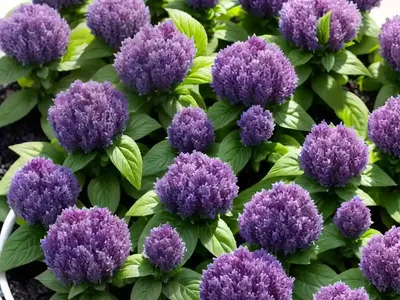
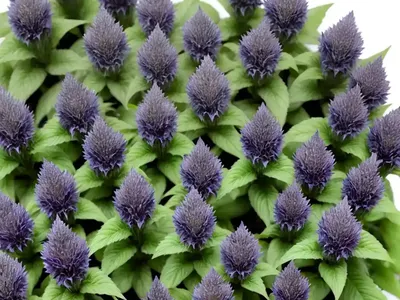
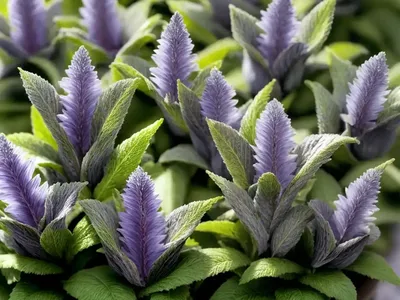
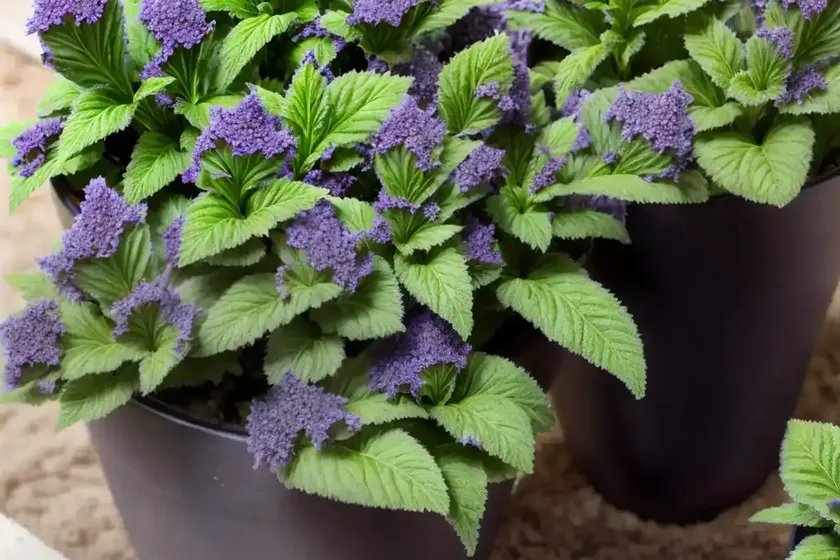
In addition to its captivating foliage, Ajuga reptans ‘Chocolate Chip’ produces slender spikes of lavender-blue flowers in the spring, adding a delightful splash of color to garden beds and borders. These floral displays contribute to the ornamental appeal of the plant and also serve as a valuable nectar source for pollinating insects and beneficial wildlife. The contrast between the rich, dark foliage and the delicate, pastel-hued flowers enhances the overall visual interest of this ground cover plant.
Variation and Cultivars
As with many botanical species, Ajuga reptans ‘Chocolate Chip’ has undergone several hybridizations and cultivar developments, resulting in variations in leaf color, growth habits, and overall visual appeal. Gardeners and landscaping enthusiasts may encounter different cultivars of Carpet Bugle, each with its unique characteristics and aesthetic attributes. Understanding the range of variations and cultivars allows for greater flexibility in incorporating Carpet Bugle into diverse garden designs and landscapes.
Versatility and Adaptability
One of the most notable characteristics of Ajuga reptans ‘Chocolate Chip’ is its versatility and adaptability to various growing conditions. This resilient and hardy plant is well-suited to different soil types, light exposures, and climate zones, making it a valuable asset in landscaping projects with diverse environmental considerations. Its capacity to thrive in challenging conditions while maintaining its ornamental appeal sets it apart as an ideal choice for both novice and experienced gardeners.
Carpet Bugle Plant Care Tips
Successful cultivation and maintenance of Ajuga reptans ‘Chocolate Chip’ entail attention to key care tips and practices that promote its vitality and ornamental qualities. From soil preparation to ongoing maintenance routines, the following guidelines will ensure that this ground cover plant thrives in garden settings and fulfills its aesthetic and ecological roles effectively.
Soil and Site Preparation
Before planting Ajuga reptans ‘Chocolate Chip’, it is essential to prepare the soil and site to create favorable conditions for healthy growth and establishment. The following considerations should be taken into account when preparing the planting site:
- Soil Type: Carpet Bugle thrives in well-draining soils with a slightly acidic to neutral pH range. Amending heavy clay soils with organic matter such as compost or peat moss can improve drainage and create a more suitable growing medium for the plant.
- Moisture Levels: While Carpet Bugle is adaptable to various moisture conditions, it prefers soil that is evenly moist but not waterlogged. Good soil drainage is essential to prevent water stagnation, which can lead to root rot and other detrimental conditions.
- Sunlight Exposure: Ajuga reptans ‘Chocolate Chip’ performs best in partial shade to full shade conditions, making it an excellent choice for shaded garden areas. Avoid planting in locations with intense, direct sunlight, as this can result in leaf scorch and diminished foliage coloration.
Watering Practices
Proper watering is critical for ensuring the health and vigor of Carpet Bugle plants, particularly during the establishment phase and periods of drought or dry weather. The following watering recommendations are essential for maintaining optimal moisture levels:
- Establishment Period: Newly planted Ajuga reptans ‘Chocolate Chip’ should be watered regularly to support root development and avoid stress during the initial growth phase. Providing consistent moisture during this period is essential for promoting healthy establishment.
- Irrigation Frequency: Once established, Carpet Bugle generally requires moderate watering, with a focus on maintaining even soil moisture. While the plant can tolerate short periods of drought, prolonged dry spells should be supplemented with regular irrigation to prevent wilting and diminished foliage quality.
- Mulching: Applying a layer of organic mulch around the base of the plant can help conserve soil moisture, regulate temperature, and suppress weed growth. Organic mulches such as bark chips or shredded leaves are ideal for creating favorable growing conditions for Carpet Bugle.
Sunlight Requirements
As a shade-loving plant, Ajuga reptans ‘Chocolate Chip’ exhibits optimal growth and foliage coloration in environments with filtered or partial sunlight. Understanding its sunlight requirements is essential for ensuring the plant’s longevity and visual appeal:
- Partial Shade: Carpet Bugle thrives in locations with dappled sunlight or filtered light, such as beneath deciduous trees, along garden borders, or under light shade structures. These environments provide the ideal balance of light and shade for vibrant foliage coloration and healthy growth.
- Indirect Light: While Ajuga reptans ‘Chocolate Chip’ can tolerate brief periods of direct sunlight, prolonged exposure to intense rays can lead to leaf scorch and diminished overall vigor. Selecting planting sites with indirect light and adequate shade is crucial for maintaining the plant’s ornamental qualities.
Fertilization Practices
Proper fertilization can enhance the growth and visual appeal of Ajuga reptans ‘Chocolate Chip’, providing essential nutrients for robust foliage and healthy flowering. The following fertilization guidelines are recommended for maintaining the vitality of this ground cover plant:
- Balanced Fertilizer: Applying a balanced, slow-release fertilizer in early spring can support the growth and development of Carpet Bugle. Selecting a fertilizer with an even NPK (nitrogen, phosphorus, potassium) ratio will provide the necessary nutrients without promoting excessive foliage growth at the expense of flowering.
- Minimal Fertilization: Due to its relatively low nutrient requirements, Ajuga reptans ‘Chocolate Chip’ does not demand frequent or heavy fertilization. A once-a-year application of a general-purpose fertilizer is often sufficient to meet the plant’s nutritional needs without inducing excessive leaf growth.
Pruning and Maintenance
Regular pruning and maintenance practices are essential for managing the growth and appearance of Ajuga reptans ‘Chocolate Chip’ and preventing the plant from becoming overly invasive. The following considerations should be taken into account when conducting pruning and maintenance activities:
- Spent Flower Removal: Trimming and removing spent flower spikes after blooming can promote a tidier appearance and redirect the plant’s energy towards foliage growth and vegetative expansion.
- Thinning Outgrowth: As Carpet Bugle spreads and establishes, it may require occasional thinning to prevent overcrowding and maintain a more uniform growth habit. Snipping back excessive runners and growth can help control the plant’s spread and prevent encroachment into neighboring areas.
- Weed Control: Regularly inspecting and removing weeds that infiltrate the Ajuga reptans ‘Chocolate Chip’ bed is essential for preventing competition for resources and preserving the plant’s aesthetic appeal. Mulching can aid in suppressing weed growth and reducing the need for frequent weeding.
Division and Transplanting
Over time, Ajuga reptans ‘Chocolate Chip’ may benefit from division and transplanting to rejuvenate its growth and prevent overcrowding. The following guidelines are recommended for effective division and transplanting practices:
- Division Timing: The best time to divide Carpet Bugle is in early spring or early fall, when the plant is not in active blooming or under temperature stress. Cool, mild weather conditions promote successful division and minimize transplant shock.
- Root Division: Gently lifting and dividing the plant’s root mass into smaller sections allows for the creation of new individual plants that can be transplanted to other garden areas or shared with fellow gardeners. Each division should contain healthy roots and shoots for successful establishment.
- Transplanting Care: After division, ensure that the transplanted sections are promptly replanted in prepared soil and provided with adequate water and gentle care to facilitate root re-establishment and acclimatization.
Propagation of Ajuga reptans ‘Chocolate Chip’
Expanding the presence of Ajuga reptans ‘Chocolate Chip’ in a garden or landscape often involves propagating the plant through reliable and effective methods. The following techniques for plant propagation and expansion are recommended for gardeners and horticulture enthusiasts:
Division Propagation
Division is one of the most straightforward and reliable methods for propagating Ajuga reptans ‘Chocolate Chip’, allowing gardeners to create new plants from established specimens. The following steps outline the process of propagating Carpet Bugle through division:
- Preparation: Select a healthy, well-established Carpet Bugle plant for division, ideally in early spring or early fall when the plant is less stressed and actively growing.
- Lifting and Separation: Carefully lift the plant from the soil, ensuring that the root mass remains intact. Using a sharp, clean tool, divide the root mass into smaller sections, each with viable roots and shoots.
- Replanting: Immediately transplant the divided sections into prepared soil, ensuring that they are watered and monitored closely to support root establishment and acclimatization.
Seed Propagation
While less commonly practiced than division, Ajuga reptans ‘Chocolate Chip’ can also be propagated from seeds, providing a means to create new plants and explore variations in offspring. The following steps outline the process of propagating Carpet Bugle from seeds:
- Seed Collection: Harvest seeds from mature Ajuga reptans ‘Chocolate Chip’ plants after the flowering period, ensuring that the seeds are fully developed and ready for propagation.
- Seed Stratification: Cold stratification, involving the exposure of seeds to cold, moist conditions for a period of time, can enhance germination rates and improve seed viability. Place the seeds in a damp paper towel within a sealed plastic bag and store them in a refrigerator for 4-6 weeks.
- Sowing Seeds: Once stratification is completed, sow the seeds in a seed-starting mix, lightly covering them with a thin layer of soil. Keep the soil consistently moist and provide indirect light to facilitate germination.
- Transplanting Seedlings: Once the seedlings have developed several sets of true leaves, they can be transplanted into individual containers or garden beds, ensuring that they receive proper care and attention for continued growth.
Stem Cutting Propagation
Another effective propagation method for Ajuga reptans ‘Chocolate Chip’ involves the use of stem cuttings to generate new plants that are genetically identical to the parent specimen. The following steps outline the process of propagating Carpet Bugle through stem cuttings:
- Cutting Collection: Select healthy, non-flowering stems from a mature Ajuga reptans ‘Chocolate Chip’ plant, ensuring that the cuttings are approximately 4-6 inches in length and exhibit robust growth.
- Cutting Preparation: Remove the lower leaves from the stem cuttings, leaving only a few sets of leaves at the top of the cutting. Hormone rooting powder can be applied to the cut ends to promote root development.
- Rooting Medium: Insert the prepared stem cuttings into a moistened rooting medium, such as perlite or a mixture of peat and sand, ensuring that they are kept in a warm, humid environment with indirect light.
- Root Development: Over the following weeks, monitor the cuttings for root development and new growth, ensuring that the rooting medium remains consistently moist but not waterlogged. Transplant the rooted cuttings into individual pots once a healthy root system has developed.
Layering Propagation
Layering is an alternate propagation method that involves encouraging stem or runner growth to produce new rooted plants while still attached to the parent specimen. The following