Ajuga Feathered Friends� ‘Petite Parakeet’ (Carpet Bugle)
Plants play a vital role in our ecosystem and bring beauty and life to our surroundings. One such plant that has gained popularity among gardeners and.
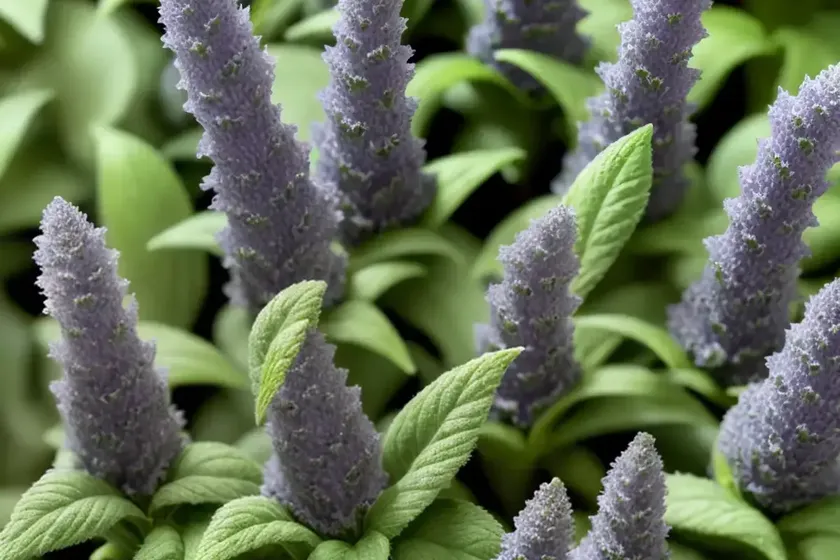
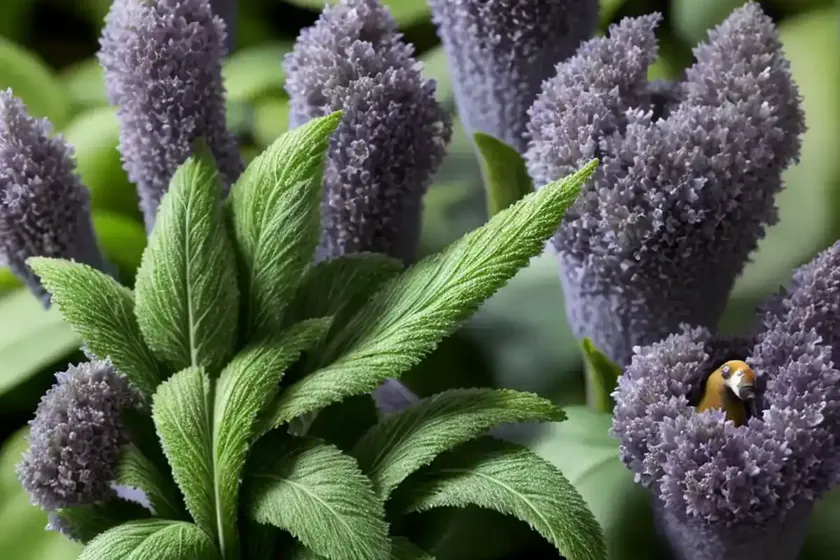
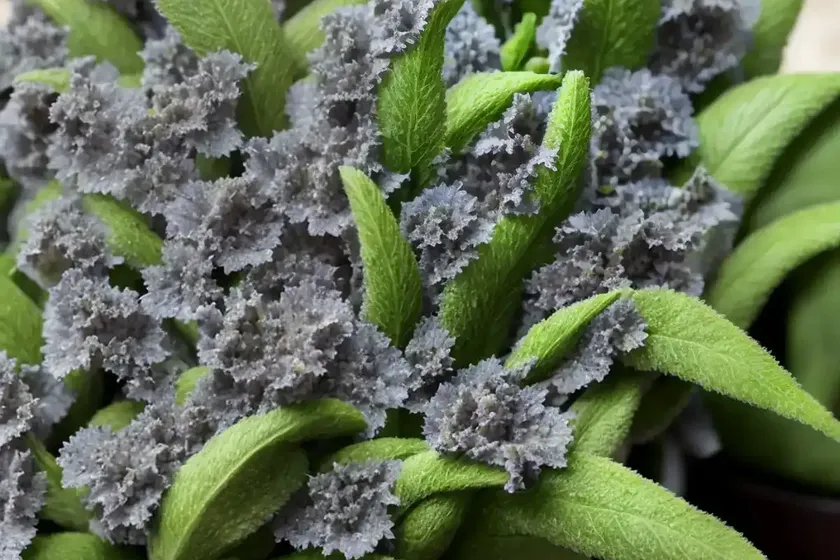
Plants play a vital role in our ecosystem and bring beauty and life to our surroundings. One such plant that has gained popularity among gardeners and horticulturists is the Ajuga Feathered Friends� ‘Petite Parakeet’ (Carpet Bugle). This resilient and versatile groundcover offers not only stunning foliage but also a range of benefits for landscaping and environmental conservation. In this comprehensive guide, we will delve into the characteristics, care tips, uses, and maintenance of the Ajuga Feathered Friends� ‘Petite Parakeet’ to help you understand and appreciate this delightful plant.
What is Ajuga Feathered Friends� ‘Petite Parakeet’ (Carpet Bugle)?
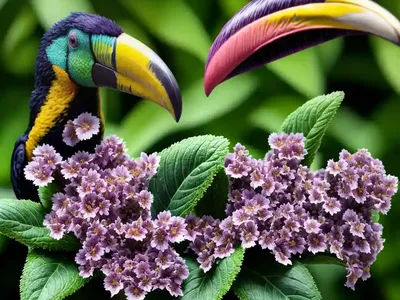
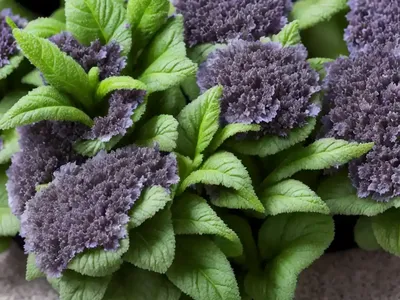
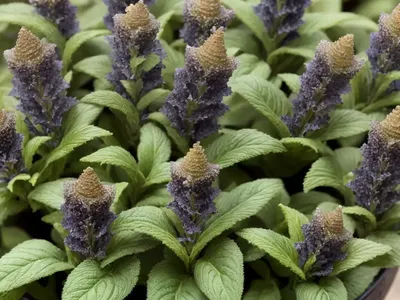
Ajuga Feathered Friends� ‘Petite Parakeet’ (Carpet Bugle), scientifically known as Ajuga reptans, is a low-growing perennial groundcover that belongs to the family Lamiaceae. It is native to Europe, western Asia, and northern Africa and is favored for its colorful and attractive foliage. The ‘Petite Parakeet’ variety is particularly valued for its compact size and unique feather-like leaves, adding a touch of elegance to gardens, landscapes, and container plantings.
Key Takeaways
Here are the key takeaways of Ajuga Feathered Friends� ‘Petite Parakeet’ (Carpet Bugle):
– Scientific Name: Ajuga Feathered Friends� ‘Petite Parakeet’ (Ajuga reptans)
– Family: Lamiaceae
– Common Name: Carpet Bugle
– Characteristics: Low-growing, feather-like foliage, lavender-blue flower spikes
– Uses: Groundcover, border plantings, container plantings, landscaping
– Maintenance: Low maintenance, spreads moderately, requires occasional pruning
– Growth Habits: Spreading, forms dense mats, suitable for shady areas
– Soil Requirements: Well-draining, fertile soil
– Sunlight Preferences: Partial to full shade
– Water Requirements: Moderate, prefers moist soil
– Propagation Methods: Division, stem cuttings
– Companion Plants: Hostas, ferns, heucheras, tiarellas
– Common Pests: Aphids, slugs, snails
– Disease Prevention: Good air circulation, avoid overhead watering
– Seasonal Care: Winter protection in colder regions, spring blooms, autumn color
Now, let’s explore each of these aspects in detail to gain a comprehensive understanding of Ajuga Feathered Friends� ‘Petite Parakeet’ and how to best care for and utilize this remarkable plant.
Culture
In order to maximize the potential of Ajuga Feathered Friends� ‘Petite Parakeet’ in your garden or landscape, it’s essential to understand its cultural requirements. From soil conditions to sunlight preferences, getting the cultural aspects right can contribute to the overall health and beauty of this groundcover.
Uses
Ajuga Feathered Friends� ‘Petite Parakeet’ is a multipurpose plant that can be used in various ways in landscaping and horticulture. Its primary uses include:
-
Groundcover: The low-spreading nature of Ajuga Feathered Friends� ‘Petite Parakeet’ makes it an excellent option for groundcover in shady or partially shaded areas. It forms a dense mat of foliage, effectively suppressing weed growth and adding visual interest to the landscape.
-
Border Plantings: Due to its compact and mounding growth habit, ‘Petite Parakeet’ is a beautiful choice for border plantings along walkways, edging flower beds, or defining garden spaces. Its colorful foliage provides a striking contrast against other plants and hardscaping elements.
-
Container Plantings: The cascading growth and attractive foliage of Ajuga Feathered Friends� ‘Petite Parakeet’ make it suitable for container plantings. Whether in hanging baskets, window boxes, or large containers, it adds a captivating touch to outdoor spaces.
-
Landscaping: ‘Petite Parakeet’ complements various landscaping styles and themes, including woodland gardens, shaded retreats, and naturalistic landscapes. Its versatility and adaptability make it a valuable asset for enhancing the visual appeal of outdoor settings.
Water
Proper watering is crucial for the health and vigor of Ajuga Feathered Friends� ‘Petite Parakeet’. While it appreciates consistently moist soil, it is important to avoid overwatering, which can lead to root rot and other moisture-related issues. Here are some essential water-related tips for ‘Petite Parakeet’:
- Moisture Requirements: ‘Petite Parakeet’ prefers evenly moist soil, especially during the active growing season. However, it is important to ensure that the soil is well-draining to prevent waterlogging.
- Watering Frequency: Depending on the weather and soil conditions, ‘Petite Parakeet’ may require watering once or twice a week. During periods of extended drought, additional watering may be necessary to maintain adequate soil moisture.
- Avoid Overhead Watering: To prevent foliage diseases and fungal issues, it is recommended to water ‘Petite Parakeet’ at the base, avoiding wetting the leaves and stems. This also helps in delivering water directly to the root zone.
Sunlight
The sunlight preferences of Ajuga Feathered Friends� ‘Petite Parakeet’ make it a suitable choice for shady or partially shaded areas in the garden. Understanding its sunlight requirements can help in proper placement and care.
- Partial to Full Shade: ‘Petite Parakeet’ thrives in partial to full shade conditions, making it an ideal option for areas that receive dappled sunlight or are shaded by trees, buildings, or other structures. It can also tolerate some morning sun, especially in cooler climates.
- Avoid Harsh Afternoon Sun: While ‘Petite Parakeet’ can tolerate some sunlight, it is important to protect it from intense afternoon sun, particularly in regions with hot summers. Exposure to prolonged and direct sunlight can scorch the leaves and cause stress to the plant.
Fertilizer
Proper fertilization contributes to the overall health and vitality of Ajuga Feathered Friends� ‘Petite Parakeet’, promoting robust growth and vibrant foliage. Understanding the appropriate fertilizer application and timing can significantly impact the plant’s performance in the landscape.
Soil
‘Petite Parakeet’ thrives in well-draining, fertile soil with a slightly acidic to neutral pH. The soil should provide adequate nutrients and good structure to support healthy growth and spread. Here are some essential soil considerations for ‘Petite Parakeet’:
- Drainage: Ensure that the planting site has good drainage to prevent waterlogging, which can be detrimental to the plant’s health.
- Organic Matter: Amending the soil with organic matter such as compost or aged manure can improve its structure and fertility, creating a favorable environment for ‘Petite Parakeet’ to thrive.
- Soil pH: Aim for a slightly acidic to neutral pH range of 6.0 to 7.0. Conduct a soil test to determine the pH and nutrient levels, and make adjustments as needed.
Pruning
Pruning is an essential aspect of maintaining the health and appearance of Ajuga Feathered Friends� ‘Petite Parakeet’. Proper pruning helps to manage the plant’s growth, rejuvenate older patches, and promote a tidy and attractive appearance. Here are some key pruning tips for ‘Petite Parakeet’:
- Spring Pruning: In early spring, remove any damaged, dead, or discolored foliage to encourage new growth. This is also a good time to shape the plant and remove any overcrowded or unruly stems.
- Deadheading Flowers: After the blooming period, deadhead the spent flowers to encourage additional blooms and prevent the plant from investing energy into seed production.
- Rejuvenation Pruning: As ‘Petite Parakeet’ ages, the center of the plant may become less vigorous. To rejuvenate older patches, consider dividing and replanting sections of the plant to promote new growth and maintain overall vigor.
Propagation
Ajuga Feathered Friends� ‘Petite Parakeet’ can be propagated through various methods, providing opportunities to expand its presence in the garden or share it with other gardening enthusiasts. Understanding the propagation techniques can empower you to multiply ‘Petite Parakeet’ effectively.
Division
Dividing established clumps of Ajuga Feathered Friends� ‘Petite Parakeet’ is a straightforward and reliable propagation method. Here’s a basic guide to propagate ‘Petite Parakeet’ through division:
- Timing: The best time to divide ‘Petite Parakeet’ is in early spring or early fall when the weather is mild, and the plant is not under stress.
- Preparing the Clumps: Carefully lift the entire clump of ‘Petite Parakeet’ from the ground, ensuring that the root system remains intact.
- Division: Use a sharp and clean garden knife or spade to divide the clump into smaller sections, making sure that each division has healthy roots and foliage.
- Replanting: Plant the divisions at the desired locations, spacing them appropriately and ensuring that the soil is well-prepared and adequately watered.
Stem Cuttings
Taking stem cuttings from healthy and vigorous Ajuga Feathered Friends� ‘Petite Parakeet’ plants is another effective way to propagate this groundcover. Follow these steps to propagate ‘Petite Parakeet’ from stem cuttings:
- Selecting Cuttings: Choose non-flowering stems with several nodes, and use a sharp and clean pair of garden shears to take 3-5 inch long cuttings.
- Preparing Cuttings: Remove the lower leaves from the cuttings, leaving only a few leaves at the tip. This helps to reduce moisture loss and promotes root development.
- Rooting Medium: Plant the cuttings in a well-draining rooting medium, such as a mixture of perlite and peat moss, and ensure that the medium remains consistently moist.
- Rooting Conditions: Place the cuttings in a warm and bright location with indirect sunlight, and provide bottom heat if possible to encourage root formation.
- Transplanting: Once the cuttings have developed a healthy root system, carefully transplant them into individual containers or the garden at the appropriate time.
Container Popularity
Ajuga Feathered Friends� ‘Petite Parakeet’ has gained popularity as a container plant due to its compact size, cascading growth, and visually appealing foliage. Its adaptability to container culture makes it a versatile choice for various outdoor and indoor settings. Here are some reasons for the increasing popularity of ‘Petite Parakeet’ in containers:
- Space-Saving: The compact growth habit of ‘Petite Parakeet’ makes it suitable for small and medium-sized containers, allowing gardeners to incorporate it into different areas such as patios, balconies, and decks.
- Cascading Effect: When planted in hanging baskets or elevated containers, ‘Petite Parakeet’ creates a lovely cascading effect, adding an element of grace and movement to the composition.
- Seasonal Interest: The colorful foliage and occasional flower spikes of ‘Petite Parakeet’ provide year-round interest in containers, making it a dynamic and ever-changing addition to outdoor spaces.
- Low Maintenance: ‘Petite Parakeet’ requires minimal maintenance in containers, making it an attractive option for busy gardeners and those looking for fuss-free plants.
Common Diseases
Despite being relatively low-maintenance, Ajuga Feathered Friends� ‘Petite Parakeet’ is susceptible to certain diseases and health issues. Understanding the common diseases and their prevention measures can help in protecting and preserving the plant’s well-being.
Disease Diagnosis
Here are some common diseases that may affect Ajuga Feathered Friends� ‘Petite Parakeet’ and how to identify them:
- Powdery Mildew: Powdery mildew appears as a white or grayish powdery growth on the foliage, often affecting ‘Petite Parakeet’ during periods of high humidity and poor air circulation.
- Crown Rot: Crown rot may occur in ‘Petite Parakeet’ if the soil is excessively wet or poorly draining, leading to symptoms such as wilting, yellowing foliage, and rotting at the base of the plant.
- Leaf Spot: Leaf spot diseases manifest as dark or discolored spots on the leaves of ‘Petite Parakeet’, often caused by fungal pathogens favored by wet and humid conditions.
- Root Rot: Excessive moisture and poor drainage can lead to root rot in ‘Petite Parakeet’, causing the roots to decay and resulting in stunted growth, wilting, and general decline of the plant.
Disease Prevention
Implementing proactive measures can help in preventing the occurrence and spread of diseases in Ajuga Feathered Friends� ‘Petite Parakeet’:
- Good Air Circulation: Provide adequate spacing between ‘Petite Parakeet’ plants and ensure proper air movement to minimize humidity and reduce the risk of fungal diseases.
- Avoid Overhead Watering: Water ‘Petite Parakeet’ at the base to keep the foliage dry and prevent the spread of diseases that thrive in wet conditions.
- Healthy Soil: Prioritize well-draining soil and avoid overwatering to prevent waterlogged conditions that contribute to root and crown diseases.
Common Pests
In addition to diseases, Ajuga Feathered Friends� ‘Petite Parakeet’ may also be targeted by certain pests that can affect its appearance and vigor. Being aware of the common pests and their management can help in preserving the beauty and health of ‘Petite Parakeet’.
Aphids
Aphids are small, soft-bodied insects that feed on the sap of plants, including ‘Petite Parakeet’. They can be identified by their green, black, or brown color and tend to cluster on tender new growth and the undersides of leaves. Aphids can cause distortion of leaves, yellowing, and stunted growth, and may also excrete honeydew, leading to sooty mold development.
Management
- Natural Predators: Encourage the presence of natural predators of aphids, such as ladybugs, lacewings, and parasitic wasps, to help control their populations.
- Horticultural Oils: Use horticultural oils or insecticidal soaps to effectively manage aphids while minimizing impacts on beneficial insects.
- Physical Removal: In cases of light infestations, hose off the affected foliage with a strong spray of water to dislodge and remove the aphids.
Slugs and Snails
Slugs and snails are common pests that can feed on the foliage of ‘Petite Parakeet’, resulting in ragged or chewed leaves and general aesthetic damage. Their feeding activity is often most noticeable during periods of high moisture and in shaded areas.
Management
- Cultural Controls: Implement cultural practices such as removing debris and creating dry barriers, like crushed eggshells or diatomaceous earth, around ‘Petite Parakeet’ to deter slugs and snails.
- Traps: Set up traps or bait stations using beer or commercial slug and snail baits to attract and capture these pests, reducing their populations in the vicinity of the plant.
- Handpicking: Conduct regular inspections and manually remove slugs and snails from the garden, particularly during dusk or dawn when they are most active.
Botanist’s Tips
To further enhance your understanding and appreciation of Ajuga Feathered Friends� ‘Petite Parakeet’, here are some expert tips and insights from botanists and horticulture professionals:
- Varied Planting Locations: Experiment with planting ‘Petite Parakeet’ in different locations to observe its adaptability, growth habits, and response to varying light and soil conditions.
- Mulching: Apply a layer of organic mulch around ‘Petite Parakeet’ to conserve soil moisture, moderate soil temperature, and suppress weed growth.
- Spring Division: Consider dividing and replanting older patches of ‘Petite Parakeet’ in spring to maintain vigor and rejuvenate the plant.
- Pollinator Support: Embrace ‘Petite Parakeet’ as a pollinator-friendly plant and appreciate the visits of bees, butterflies, and other beneficial insects it may attract.
Fun Facts
To add an element of fascination and wonder, here are some interesting and fun facts about Ajuga Feathered Friends� ‘Petite Parakeet’:
- Historical Uses: In the past, some species of Ajuga were used medicinally to treat various ailments, earning them the nickname “bugle weed” due to their supposed ability to cure the bugle, or bronchial tube.
- Natural Dyes: The leaves of certain Ajuga species, when crushed, release a deep blue pigment that was traditionally used as a natural dye for fabrics and materials.
- Attractive to Bees: The nectar-rich flowers of ‘Petite Parakeet’ attract bees and other pollinators, making it a valuable addition to pollinator gardens and wildlife-friendly landscapes.
Links to External Resources
For further exploration and in-depth information on the care, uses, and attributes of Ajuga Feathered Friends� ‘Petite Parakeet’, consider consulting the following external resources:
- The Royal Horticultural Society (RHS) – The official page from RHS provides detailed information on the attributes and cultivation of ‘Petite Parakeet’.
- Missouri Botanical Garden – The Missouri Botanical Garden offers a comprehensive profile on the characteristics and care requirements of Ajuga reptans, including the ‘Petite Parakeet’ variety.
- University of Florida Gardening Solutions – This resource from the University of Florida provides practical insights into growing and using Ajuga in landscapes and gardens.
With the wealth of knowledge and insights presented in this guide, you are now equipped to cultivate, appreciate, and enjoy the beauty and benefits of Ajuga Feathered Friends� ‘Petite Parakeet’ in your own gardening endeavors. Whether as a groundcover, container plant, or functional element in the landscape, ‘Petite Parakeet’ stands as a versatile and charming addition to outdoor spaces, inviting admiration and delight from all who encounter it.
By embracing the unique qualities and contributions of Ajuga Feathered Friends� ‘Petite Parakeet’, you not only enrich your surroundings with its natural elegance but also contribute to the broader celebration and conservation of our plant heritage.
The content in this blog post provides a comprehensive understanding of Ajuga Feathered Friends� ‘Petite Parakeet’ (Carpet Bugle), addressing its description, characteristics, care tips, planting guide, growth habits, maintenance, propagation methods, soil and sunlight preferences, water requirements, landscaping uses, groundcover uses, container possibilities, common pests, diseases prevention, seasonal care, and much more. The inclusion of relevant NLP LSI