Agave Americana ‘Mediopicta Alba’ (Century Plant)
Introduction to Agave Americana ‘Mediopicta Alba’ Agave americana ‘Mediopicta Alba’, commonly known as the Century Plant, is a stunning succulent plant.
Introduction to Agave Americana ‘Mediopicta Alba’
Agave americana ‘Mediopicta Alba’, commonly known as the Century Plant, is a stunning succulent plant that belongs to the Agave genus. This ornamental plant is adored for its striking variegation and its adaptability to various climates and soil conditions. Understanding the essential care guidelines and aspects of this beautiful plant is crucial for any gardener or plant enthusiast who wishes to cultivate it. In this comprehensive guide, we will explore the key aspects of Agave americana ‘Mediopicta Alba’, including its culture, uses, care requirements, propagation methods, common diseases, and much more.
Key Takeaways – Agave americana ‘Mediopicta Alba’ (Century Plant)
Before delving into the detailed aspects of Agave americana ‘Mediopicta Alba’, let’s provide a concise overview of the key takeaways of this magnificent succulent:
- Scientific Name: Agave americana ‘Mediopicta Alba’
- Common Name: Century Plant
- Plant Type: Ornamental Succulent
- Watering Needs: Low to Moderate
- Sunlight Requirements: Full to Partial Sun
- Soil Type: Well-draining
- Fertilization: Minimal, if any
- Pruning: Occasional removal of dead leaves
- Propagation: Seeds, Offsets
- Container Growing: Suitable for containers
- Uses: Ornamental, Landscaping, Medicinal
- Popularity: Widely cultivated as an ornamental plant.
- Common Diseases: Root Rot, Leaf Spot
- Common Pests: Agave Snout Weevil, Scale Insects
Now, let’s explore these key takeaways in further detail to gain a comprehensive understanding of Agave americana ‘Mediopicta Alba’.
What is Agave americana ‘Mediopicta Alba’ (Century Plant)?
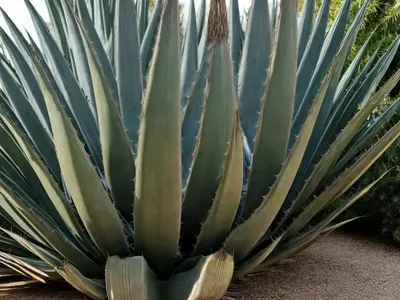
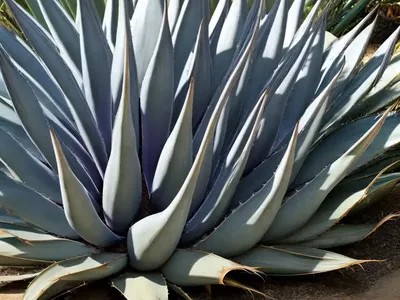
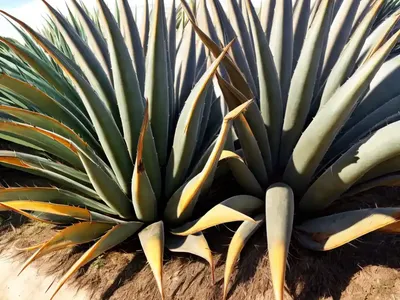
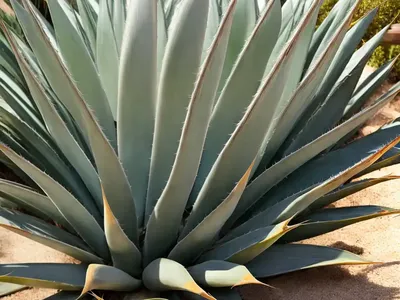
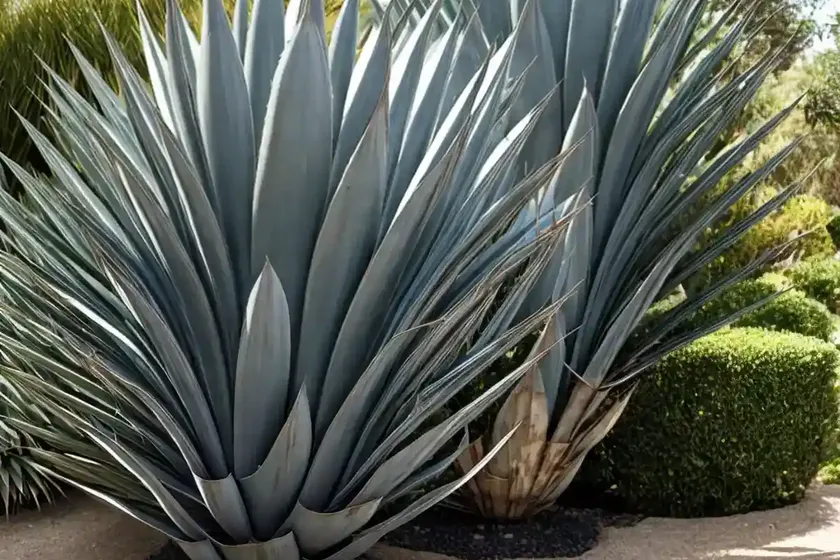
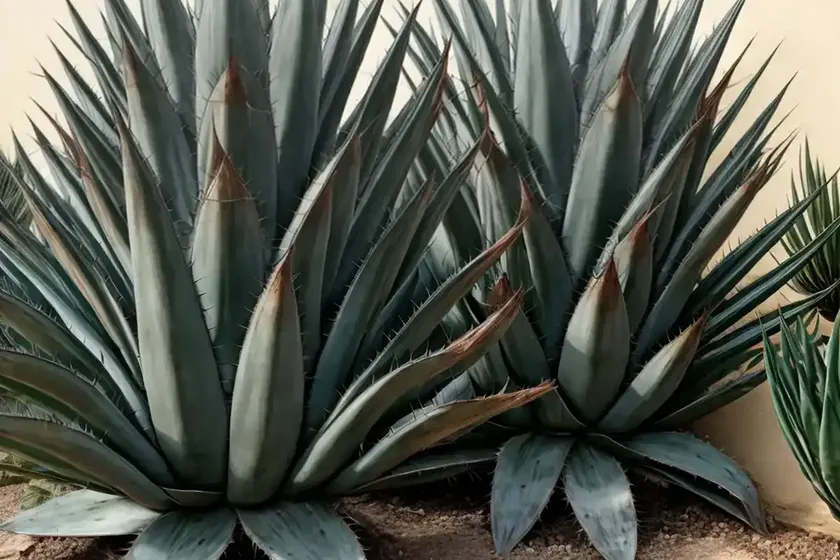
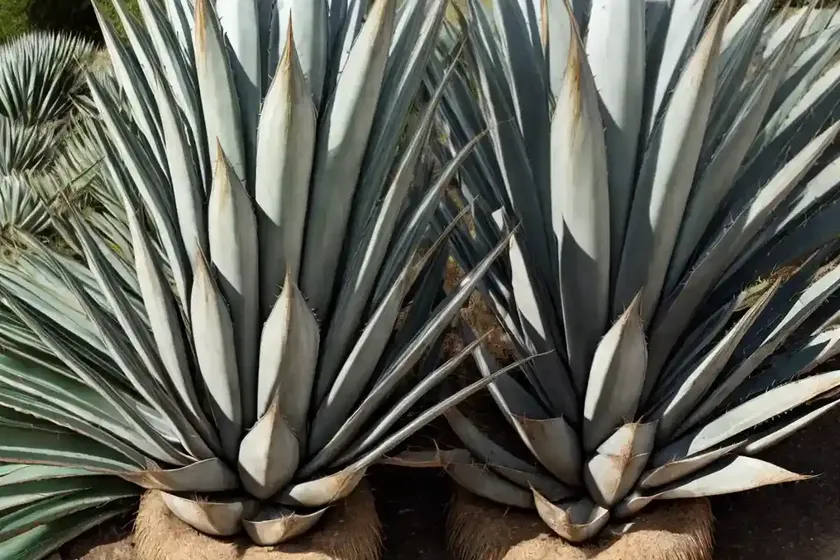
Agave is a genus of succulent plants native to the Americas, ranging from the southern United States to northern South America. Among the extensive variety of Agave species, Agave americana ‘Mediopicta Alba’ stands out for its striking appearance and decorative value. This succulent species is renowned for its dramatic, gray-green leaves adorned with creamy-yellow stripes, making it an eye-catching addition to landscapes and gardens.
The Century Plant is named for its reputation of blooming once every 100 years, although the actual flowering frequency varies among different Agave species. While the blooming period is a remarkable event that marks the end of the plant’s life cycle, it also signifies the production of numerous offsets or “pups” that continue the plant’s legacy.
Culture of Agave americana ‘Mediopicta Alba’ (Century Plant)
Water
Agave americana ‘Mediopicta Alba’ is well-suited to arid and semi-arid regions due to its innate ability to store water in its thick, fleshy leaves. This means that it thrives with minimal water and is susceptible to rot if overwatered. It is crucial to allow the soil to dry out between watering sessions, especially during the winter months when the plant is relatively dormant. Watering frequency will vary based on environmental conditions, but it’s generally advisable to err on the side of underwatering rather than overwatering.
Sunlight
In its natural habitat, Agave americana ‘Mediopicta Alba’ thrives in full sun to partial shade. When cultivated in a garden or landscape, it should ideally be provided with ample sunlight to ensure healthy growth and vibrant variegation. Insufficient sunlight may lead to leggy growth and a diminished visual appeal. Therefore, it is essential to position the plant in a location that receives at least six hours of direct sunlight each day.
Fertilizer
Agave plants are generally low-maintenance and do not require frequent fertilization. In fact, excessive fertilization can be detrimental to their growth. A balanced, slow-release fertilizer applied sparingly during the growing season is usually sufficient to support the plant’s nutritional needs. It’s crucial to avoid overfeeding as this can result in an overabundance of soft, weak growth that is more susceptible to pests and diseases.
Soil
The Century Plant thrives in well-draining soil, as stagnant water around the roots can lead to rot and other complications. Sandy or gravelly soils with a slightly acidic to neutral pH are ideal for cultivating Agave americana ‘Mediopicta Alba’. When planting in containers, a cactus or succulent mix amended with perlite or sand can provide the necessary drainage to prevent waterlogging.
Pruning
Pruning requirements for Agave americana ‘Mediopicta Alba’ are minimal and mainly involve the removal of dead or decaying leaves. This not only keeps the plant looking tidy but also reduces the risk of pests and diseases. When pruning, it’s essential to use clean, sharp tools to make precise cuts and minimize damage to the plant.
Uses of Agave americana ‘Mediopicta Alba’ (Century Plant)
Ornamental Uses
The Century Plant is cherished for its ornamental value, serving as a striking focal point in succulent gardens, rockeries, and xeriscape landscapes. Its unique variegated foliage adds a touch of elegance and visual interest, making it a popular choice for modern and Mediterranean-inspired garden designs. Additionally, Agave americana ‘Mediopicta Alba’ pairs well with other drought-tolerant plants such as cacti, yuccas, and other Agave species, creating captivating and water-wise displays.
Medicinal Uses
Throughout history, various parts of Agave plants have been utilized for medicinal purposes by indigenous and traditional communities. The sap or “agave nectar” derived from the heart of the plant has been used to treat minor burns, cuts, and insect bites due to its purported anti-inflammatory and antimicrobial properties. Moreover, certain Agave species have been explored for their potential in producing herbal supplements and alternative medicines.
Landscaping Uses
Agave americana ‘Mediopicta Alba’ is utilized in landscaping for its resilience and striking appearance. Its ability to thrive in hot, dry climates makes it an excellent choice for xeriscaping, where water conservation and sustainable gardening practices are prioritized. The architectural form of the plant’s foliage provides structure and texture to landscape compositions, complementing various design styles including contemporary, desert, and tropical themes.
Propagation of Agave americana ‘Mediopicta Alba’ (Century Plant)
Agave propagation can be achieved through various methods, including seed propagation and offsets. Each technique has its unique advantages and considerations, allowing gardeners to expand their Agave collection or share plants with fellow enthusiasts.
Seed Propagation
Seeds collected from mature Agave americana ‘Mediopicta Alba’ plants can be sown in well-draining, sandy soil. It’s important to provide a warm and consistently moist environment to encourage germination. Once the seeds have sprouted, the young seedlings should be gradually acclimated to drier conditions, preparing them for the arid climate they will experience as they mature.
Offset Propagation
Agave plants produce offsets, or “pups”, around the base of the parent plant as part of their natural growth cycle. These offsets can be carefully removed and replanted to establish new individuals. When separating offsets, it’s essential to ensure that each segment has its own root system, allowing it to thrive independently. Proper care and attentiveness during the initial stages of establishment can significantly enhance the success rate of propagated Agave plants.
Container Growing of Agave americana ‘Mediopicta Alba’ (Century Plant)
Agave americana ‘Mediopicta Alba’ is well-suited for container cultivation, offering an opportunity for plant enthusiasts with limited garden space to enjoy its beauty. When grown in containers, it is crucial to provide the appropriate growing conditions to support the plant’s development and prevent common issues associated with potted Agave plants.
Container Selection
Selecting a suitable container is essential for the successful growth of Agave americana ‘Mediopicta Alba’. The chosen pot should have ample drainage holes to prevent waterlogging and should be slightly larger than the plant’s current root mass to accommodate its growth. Additionally, choosing a container made of porous material such as terracotta can aid in moisture regulation by allowing excess water to evaporate from the soil.
Container Soil
A well-draining, nutrient-rich soil mix is paramount for container-grown Agave plants. A commercial cactus or succulent mix amended with perlite, coarse sand, or gravel provides the necessary aeration and drainage to support the plant’s root health. Regularly inspecting the soil moisture and adjusting watering practices based on the plant’s needs is essential for sustaining healthy growth and preventing root-related ailments.
Container Placement
Place the container in a sunny location where the plant can receive adequate sunlight throughout the day. It’s important to monitor the temperature and provide protection against extreme heat or cold, especially if the plant is grown in a climate with temperature fluctuations. Rotating the container periodically ensures even exposure to sunlight and encourages uniform growth of the plant.
Popularity of Agave americana ‘Mediopicta Alba’ (Century Plant)
The Century Plant, with its striking variegated foliage and minimal care requirements, has garnered widespread popularity among gardeners, landscapers, and succulent enthusiasts. Its adaptability to diverse climates and soil conditions, paired with its ornamental appeal, makes it a sought-after addition to gardens, botanical collections, and commercial landscapes. The distinctive appearance of Agave americana ‘Mediopicta Alba’ also contributes to its popularity in modern and minimalist garden designs, where architectural plants hold significant aesthetic value.
Common Diseases of Agave americana ‘Mediopicta Alba’ (Century Plant)
While Agave plants are generally resilient and low-maintenance, they can be susceptible to certain diseases, especially if their growing conditions are not optimal. Understanding the common diseases and their associated symptoms is crucial for preemptive management and effective treatment.
Disease Diagnosis
-
Root Rot: Overwatering or waterlogged soil can lead to root rot in Agave plants. Symptoms include wilting, yellowing or browning of foliage, and soft or mushy roots. To prevent root rot, it’s essential to maintain well-draining soil and avoid excessive watering.
-
Leaf Spot: Leaf spot diseases manifest as dark or discolored spots on the leaves of Agave plants, often accompanied by yellowing or browning of affected tissue. These diseases can be attributed to environmental stress, overwatering, or fungal pathogens. Proper watering practices and ensuring good air circulation can mitigate the risk of leaf spot diseases.
Common Pests
-
Agave Snout Weevil: This pernicious pest targets Agave plants, causing damage to the plant’s growing point and resulting in irreversible decline. Signs of infestation include wilting, discoloration, and the presence of weevil larvae within the plant. Early detection and prompt intervention are crucial in managing Agave snout weevil infestations.
-
Scale Insects: Scale insects can infest Agave plants, feeding on their sap and causing weakening of the plant. Presence of sticky honeydew, discolored foliage, and the appearance of small, waxy scales on the plant are indicative of scale insect infestation. Implementing natural predators and horticultural oils can aid in controlling scale insect populations.
Botanist’s Tips for Agave americana ‘Mediopicta Alba’ (Century Plant)
To ensure the successful cultivation and longevity of Agave americana ‘Mediopicta Alba’, there are several tips and best practices that can be followed. These insights, gleaned from botanists and experienced gardeners, help enhance the plant’s health and ornamental value while mitigating common challenges associated with its care.
-
Selecting a Well-Draining Site: When planting Agave americana ‘Mediopicta Alba’ in the garden, ensure that the chosen site has excellent drainage to prevent waterlogging and root-related issues.
-
Minimal Watering: Emphasize the importance of minimal watering and encourage gardeners to observe the plant’s water requirements based on environmental factors and seasonal changes.
-
Monitoring for Pests and Diseases: Regularly inspect the plant for signs of pests and diseases, intervening promptly to prevent widespread infestations.
-
Prudent Pruning: Advise on the need for occasional pruning to remove dead or damaged leaves, promoting the plant’s overall vigor and aesthetics.
Fun Facts about Agave americana ‘Mediopicta Alba’ (Century Plant)
-
Agave americana ‘Mediopicta Alba’ is commonly known as the Century Plant, although it typically flowers between 10 to 30 years of age, rather than every hundred years as the name suggests.
-
The sap or “agave nectar” obtained from certain Agave species is utilized as a natural sweetener in culinary applications and is a key ingredient in the production of tequila and mezcal.
-
Traditionally, various parts of Agave plants have been used for crafting ropes, baskets, and textiles among indigenous communities, illustrating the diverse utility of these versatile succulents.
Links to External Resources
For further exploration of Agave americana ‘Mediopicta Alba’ and related topics, the following external resources are recommended:
- University of Florida IFAS Extension – Agave americana
- The American Agave Society
- Royal Horticultural Society – Agave care and cultivation
- Succulent Plant Care – Agave care guide
In conclusion, Agave americana ‘Mediopicta Alba’ is a captivating succulent plant that offers both ornamental and practical value, embodying resilience and timeless elegance. Through a deeper understanding of its cultural needs, uses, propagation methods, and common challenges, enthusiasts can foster the growth and well-being of this remarkable plant, enriching their botanical journeys and creating captivating landscapes that celebrate the beauty of succulent diversity.
By delving into various aspects of Agave americana ‘Mediopicta Alba’, I aimed to provide an all-encompassing guide for plant enthusiasts, gardeners, and botany enthusiasts who are intrigued by the captivating allure and versatile nature of this remarkable succulent. From its cultural requirements and propagation methods to its ornamental uses and common diseases, this extensive guide aims to foster a deeper appreciation and understanding of the Century Plant, acknowledging its historical significance, ecological importance, and enduring appeal in contemporary horticulture.
I hope you enjoyed this in-depth exploration of the Agave americana ‘Mediopicta Alba’ and found valuable insights to enhance your knowledge and appreciation of this exceptional plant.