Agave Americana ‘Mediopicta Aurea’ (Century Plant)
Agave americana ‘Mediopicta Aurea’, also known as the Century Plant, is a stunning and unique succulent that is a popular choice for both indoor and.
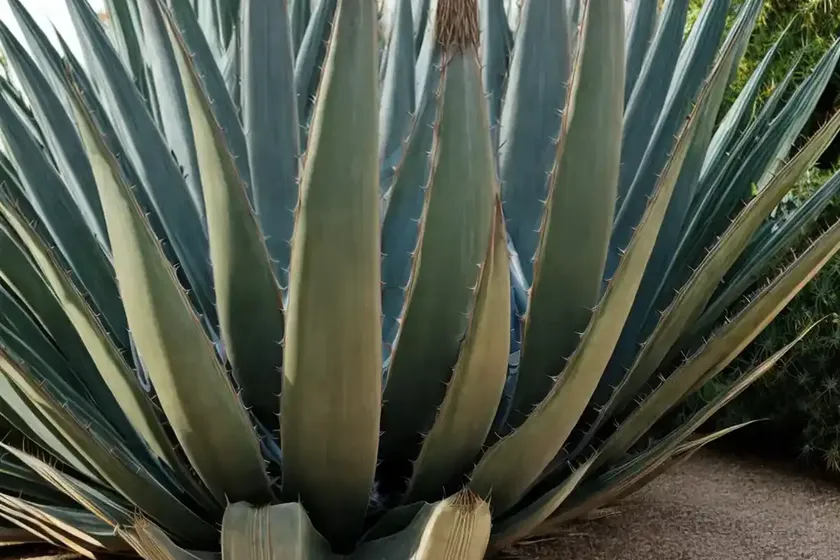
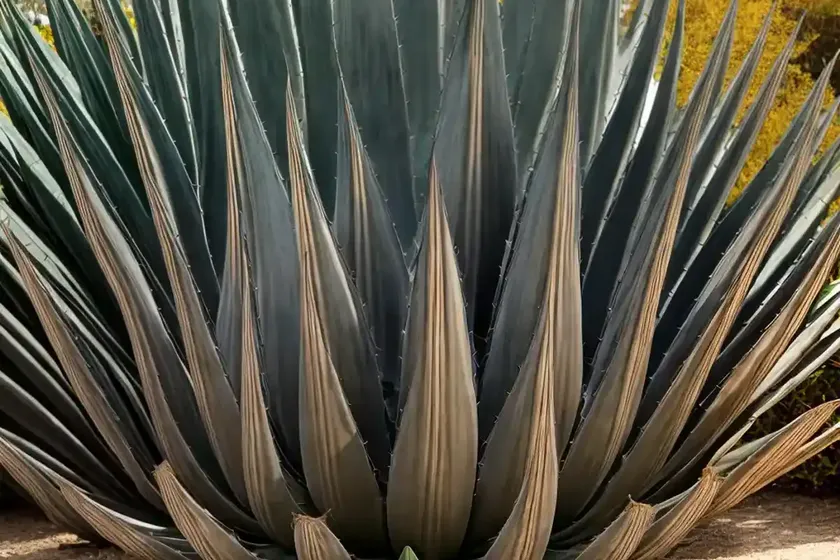
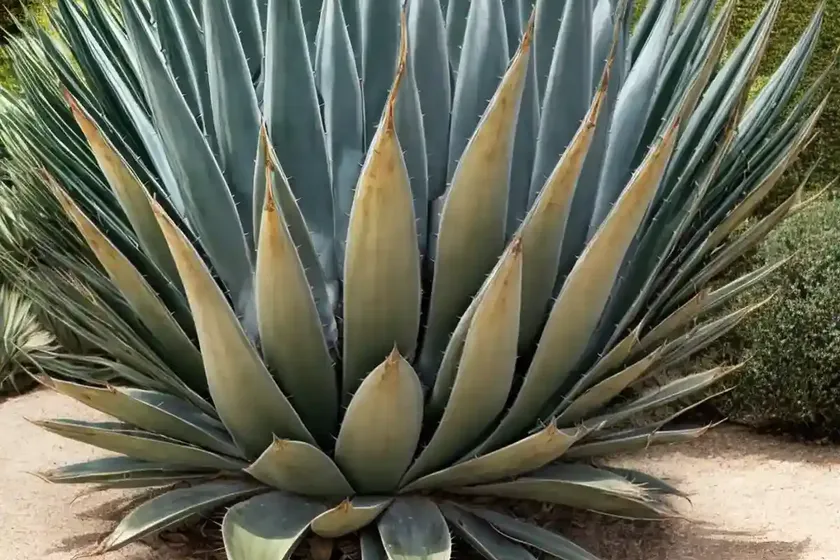
Agave americana ‘Mediopicta Aurea’, also known as the Century Plant, is a stunning and unique succulent that is a popular choice for both indoor and outdoor garden enthusiasts. This striking plant is characterized by its large and fleshy leaves, which form a rosette shape, and its striking yellow and green variegated foliage. In this comprehensive guide, we will delve into the various aspects of caring for and cultivating Agave americana ‘Mediopicta Aurea’, including its cultural requirements, uses, propagation, and maintenance.
Key Takeaways – Agave americana ‘Mediopicta Aurea’
Before diving into the specifics of caring for Agave americana ‘Mediopicta Aurea’, let’s first summarize some key takeaways about this remarkable plant:
- Scientific Name: Agave americana ‘Mediopicta Aurea’
- Common Name: Century Plant
- Growth Habit: Rosette-forming succulent with variegated yellow and green leaves
- Cultural Requirements: Well-draining soil, ample sunlight, minimal water, and occasional fertilization
- Uses: Ornamental landscaping, focal point in gardens, container gardening, and xeriscaping
- Propagation: Offsets, seeds, and stem cuttings
- Common Diseases: Root rot, leaf spot, and agave snout weevil infestation
- Common Pests: Agave snout weevils, scale insects, and aphids
With these key points in mind, let’s explore the various aspects of caring for Agave americana ‘Mediopicta Aurea’ in more detail.
What is Agave americana ‘Mediopicta Aurea’?
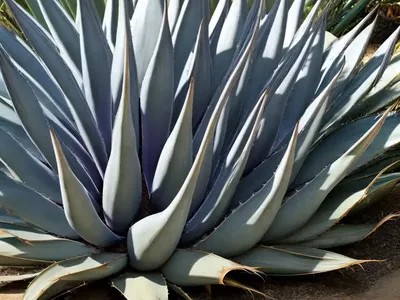
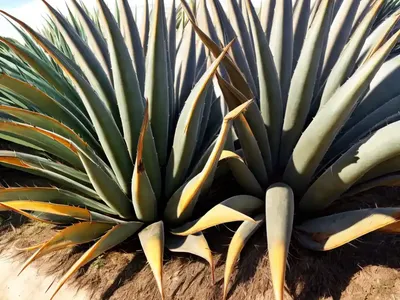
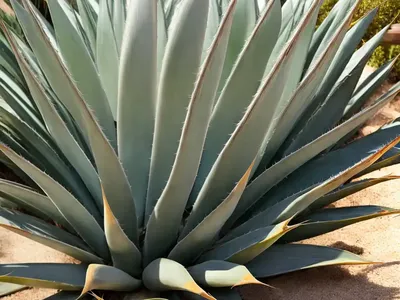
Agave americana ‘Mediopicta Aurea’, commonly referred to as the Century Plant, belongs to the Agavaceae family and is native to Mexico. This striking succulent is renowned for its architectural form and striking variegated foliage. The leaves of Agave americana ‘Mediopicta Aurea’ are large, fleshy, and lance-shaped, with a prominent yellow and green variegation that adds a touch of elegance to gardens and landscapes.
In its natural habitat, Agave americana ‘Mediopicta Aurea’ thrives in arid and semi-arid regions, where it has adapted to endure long periods of drought and high temperatures. The plant’s ability to store water in its succulent leaves allows it to withstand challenging environmental conditions, making it an ideal choice for water-wise landscaping and xeriscaping projects.
Key Characteristics of Agave americana ‘Mediopicta Aurea’
To better understand Agave americana ‘Mediopicta Aurea’, here are some key characteristics that define this distinctive succulent:
- Foliage: The leaves of Agave americana ‘Mediopicta Aurea’ are arranged in a rosette formation and can reach lengths of up to 6 feet. The leaves exhibit a striking variegation, with vibrant yellow longitudinal stripes on a background of deep green.
- Flowering: While Agave americana ‘Mediopicta Aurea’ is known for its imposing foliage, it also produces a tall flower spike, which can soar to heights of 20 feet or more. The flowering event is a spectacle to behold and is typically followed by the plant’s decline, as it blooms only once in its lifetime.
- Habitat: Native to Mexico, Agave americana ‘Mediopicta Aurea’ flourishes in dry and arid regions, often found growing on rocky slopes and cliffs. Its adaptability to harsh conditions makes it a resilient and enduring plant.
Given its exceptional characteristics and visual appeal, Agave americana ‘Mediopicta Aurea’ has become a sought-after addition to gardens, landscapes, and container displays.
Culture
Cultivating Agave americana ‘Mediopicta Aurea’ requires an understanding of its specific cultural requirements, including water, sunlight, soil, and fertilization. Providing the right conditions will ensure the plant’s optimal growth and overall health.
Water
One of the defining features of Agave americana ‘Mediopicta Aurea’ is its exceptional drought tolerance and low water requirements. When it comes to watering this succulent, it is crucial to adhere to a minimal and infrequent watering schedule that mimics its natural habitat. Overwatering can lead to root rot and other moisture-related issues, so it is best to err on the side of underwatering rather than overwatering.
Watering Tips for Agave americana ‘Mediopicta Aurea’
- Established Plants: Once established, Agave americana ‘Mediopicta Aurea’ can thrive with very little supplemental irrigation. In most climates, natural rainfall is sufficient to meet the plant’s needs. Water deeply but infrequently, allowing the soil to dry out completely between watering sessions.
- Container-Grown Specimens: For Agave americana ‘Mediopicta Aurea planted in containers, ensure that the pots have ample drainage holes to facilitate the escape of excess water. Avoid allowing the plant to sit in waterlogged soil, as this can lead to moisture-related problems. Use a well-draining potting mix and water conservatively, adjusting the frequency based on environmental conditions.
Sunlight
Agave americana ‘Mediopicta Aurea’ thrives in full sunlight and requires ample exposure to direct sunlight to support its growth and development. When selecting a planting location for this succulent, opt for a spot that receives full sun throughout the day, especially in regions with cooler climates. In regions with intense heat, some light afternoon shade can be beneficial to protect the plant from scorching sun rays.
Sunlight Requirements for Agave americana ‘Mediopicta Aurea’
- Optimal Sun Exposure: Provide Agave americana ‘Mediopicta Aurea’ with at least 6 to 8 hours of direct sunlight daily for robust growth and vibrant foliage. Insufficient sunlight can lead to elongated and weakened growth, as well as a loss of variegation in the leaves.
- Protection from Extreme Heat: In regions with scorching temperatures, provide some protection from intense midday sun to prevent leaf burn and heat stress. A location with morning sun and partial afternoon shade can offer the right balance of light and protection.
Fertilizer
While Agave americana ‘Mediopicta Aurea’ is known for its resilience and ability to thrive in nutrient-poor soils, occasional fertilization can support its growth and vitality. When applying fertilizer, it is essential to use a balanced formula designed for succulents and to administer it sparingly to prevent overfeeding, which can lead to adverse effects on the plant.
Fertilization Practices for Agave americana ‘Mediopicta Aurea’
- Frequency: Fertilize Agave americana ‘Mediopicta Aurea’ once a year in the spring or early summer, as the plant enters its active growth phase. Refrain from fertilizing during the fall and winter months, as the plant’s metabolic processes slow down during this period.
- Fertilizer Type: Select a balanced, slow-release fertilizer specially formulated for cacti and succulents, with an NPK ratio of approximately 10-10-10 or 7-7-7. Apply the fertilizer at half-strength to avoid overwhelming the plant with nutrients.
- Application Method: Sprinkle the fertilizer granules on the surface of the soil, keeping it away from direct contact with the plant’s base. Water the soil lightly after fertilizing to allow the nutrients to penetrate the root zone.
Soil
The choice of soil is critical to the success of Agave americana ‘Mediopicta Aurea’, as it must mimic the well-draining conditions found in its native habitat. A suitable soil mix will support the plant’s need for aeration, moisture regulation, and nutrient uptake while preventing waterlogged conditions that can lead to root rot.
Ideal Soil Mix for Agave americana ‘Mediopicta Aurea’
- Well-Draining Composition: Use a cacti and succulent potting mix or create a custom mix by combining equal parts of coarse sand, perlite, and well-draining soil. This will ensure excellent drainage while providing some essential nutrients for the plant’s development.
- Avoid Heavy Soils: Refrain from using heavy, moisture-retentive soils such as clay or loam, as they can trap excess moisture and lead to root suffocation and decay.
- Container Media: For container-grown Agave americana ‘Mediopicta Aurea’, use a well-draining potting mix designed for succulents and cacti. Ensure that the container has sufficient drainage holes to prevent water accumulation.
Pruning
Pruning Agave americana ‘Mediopicta Aurea’ is a straightforward process that primarily involves the removal of spent leaves, dead foliage, or offshoots to maintain the plant’s appearance and overall health. While this succulent requires minimal pruning compared to other ornamental plants, periodic maintenance can help enhance its aesthetic appeal and prevent the accumulation of debris and decaying matter.
Pruning Tips for Agave americana ‘Mediopicta Aurea’
- Remove Dead Leaves: As the lower leaves of Agave americana ‘Mediopicta Aurea’ naturally senesce and become unattractive, carefully remove them by gently pulling downward to detach the leaves from the base of the plant. Use clean pruning shears to trim any remaining leaf stubs, taking care to avoid damaging the healthy foliage.
- Trim Offshoots (Pups): Agave americana ‘Mediopicta Aurea’ produces offsets, or pups, around its base as part of its natural growth pattern. These offsets can be left in place to form clumps, or they can be carefully removed and transplanted to propagate new plants. Use a sharp, sterilized knife or pruning shears to separate the pups from the parent plant, ensuring that each pup has some roots attached for successful establishment.
- Prune Flower Stalks: Once the flowering event is complete, the towering flower stalk of Agave americana ‘Mediopicta Aurea’ can be removed to redirect the plant’s energy back into vegetative growth. Cut the flower stalk as close to the base as possible, using sterile pruning tools to prevent the spread of diseases.
By following these pruning guidelines, you can promote the overall neatness and vigor of Agave americana ‘Mediopicta Aurea’ while mitigating potential issues associated with decaying plant material and spent blooms.
Propagation
The propagation of Agave americana ‘Mediopicta Aurea’ can be achieved through several methods, including offsets, seeds, and stem cuttings. Each propagation technique offers unique advantages and challenges, allowing plant enthusiasts to choose the most suitable approach based on their preferences and resources.
Offsets (Pups)
Propagating Agave americana ‘Mediopicta Aurea’ using offsets, also known as pups, is a common and reliable method that leverages the natural reproductive behavior of the plant. Offsets are miniature replicas of the parent plant that sprout from the base or the root system, forming clusters around the mature specimen.
Steps for Offsets Propagation
- Identify Healthy Offsets: Look for well-developed offsets that have their own roots and a few sets of leaves. Offsets are typically produced by mature Agave americana ‘Mediopicta Aurea’ plants after they have reached a certain age and size.
- Separate the Offsets: Gently loosen the soil around the base of the parent plant to expose the offsets and their connecting rhizomes. Using a sharp, sterilized knife or garden spade, carefully sever the offsets from the parent plant, ensuring that each offset has its own intact root system.
- Prepare the Planting Site: Choose a suitable location for the new offsets, ensuring that the soil is well-draining and provides adequate sunlight. Dig planting holes for the offsets, making sure to space them appropriately to allow for future growth.
- Plant the Offsets: Place the separated offsets in their designated planting holes, positioning them at the same depth at which they were originally growing. Backfill the holes with soil and gently tamp the soil down to secure the offsets in place.
- Water and Monitor: Water the newly planted offsets lightly and monitor their progress, providing ongoing care as needed. With time and proper care, the offsets will establish themselves and develop into mature Agave americana ‘Mediopicta Aurea’ plants.
Seeds
Propagating Agave americana ‘Mediopicta Aurea’ from seeds offers an exciting and rewarding way to introduce new plants to your garden. While this method requires more time and patience compared to offsets propagation, it grants you the opportunity to experience the entire lifecycle of the plant, from germination to maturity.
Steps for Seeds Propagation
- Seed Collection: Harvest seeds from mature Agave americana ‘Mediopicta Aurea’ plants by collecting the dried seed pods or capsules once they have ripened and split open. Extract the seeds from the pods and store them in a cool, dry place until you are ready to sow them.
- Seed Sowing: Fill seed trays or small pots with a well-draining seed starting mix, ensuring that the containers have drainage holes to prevent waterlogging. Sow the Agave americana ‘Mediopicta Aurea’ seeds on the surface of the soil and press them gently into the medium without covering them.
- Provide Ideal Conditions: Place the seeded containers in a warm, bright location that receives indirect sunlight. Keep the soil consistently moist but not waterlogged, maintaining a warm and stable temperature to encourage germination.
- Germination and Growth: As the seeds germinate and the seedlings emerge, continue to provide attentive care, ensuring that the young plants receive adequate light, warmth, and moisture. Transplant the seedlings into larger containers as they grow, allowing them to develop strong root systems and foliage.
- Transition to the Garden: Once the seedlings have matured and achieved a sufficient size, acclimate them to outdoor conditions and transplant them into the garden or suitable containers. Provide ongoing care to support their establishment and growth.
Stem Cuttings
While less commonly utilized than offsets and seeds, stem cuttings can be employed to propagate Agave americana ‘Mediopicta Aurea’, especially for instances where alternative propagation methods are not feasible.
Steps for Stem Cuttings Propagation
- Select Healthy Stems: Choose healthy and mature stems from the parent plant, ensuring that they are free from blemishes, diseases, or damage. Use sterilized pruning shears to make clean cuts, selecting segments that are around 4 to 6 inches in length.
- Prepare the Cuttings: After obtaining the stem segments, allow them to air dry and callus for a few days in a warm and dry environment. This step helps prevent potential rot and infection once the cuttings are planted.
- Plant the Cuttings: Once calloused, insert the stem cuttings into a well-draining potting mix, burying one end of the cuttings into the soil to promote root formation. Water the soil lightly to settle it around the cuttings, and place the container in a bright and warm location.
- Provide Care: Keep the potting mix moderately moist and provide indirect sunlight to the cuttings to facilitate root development. Over time, the cuttings will establish roots and begin producing new growth, signaling successful propagation.
By mastering the art of propagating Agave americana ‘Mediopicta Aurea’ through offsets, seeds, and stem cuttings, you can expand your collection of these captivating succulents and share them with fellow gardening enthusiasts.
Container Popularity
Agave americana ‘Mediopicta Aurea’ is a sought-after choice for container gardening due to its striking appearance, minimal maintenance requirements, and adaptability to a wide range of growing conditions. Whether displayed as a standalone specimen or combined with other succulents and ornamental plants, this century plant adds a touch of drama and elegance to container displays.
Benefits of Container-Grown Agave americana ‘Mediopicta Aurea’
- Versatile Aesthetic Appeal: Planted in decorative containers, Agave americana ‘Mediopicta Aurea’ serves as a visual focal point, drawing attention with its bold variegation and sculptural form. It complements a variety of garden styles, from modern and minimalist to rustic and Mediterranean-inspired designs.
- Space-Saving Solution: Containers allow you to showcase Agave americana ‘Mediopicta Aurea’ even in limited garden spaces, such as patios, balconies, and rooftop gardens. By choosing suitable container sizes, you can accommodate this substantial succulent without overwhelming the available area.
- Portability and Protection: Container cultivation offers the advantage of moving Agave americana ‘Mediopicta Aurea’ to sheltered locations during adverse weather conditions, especially in regions prone to severe winter cold or heavy rainfall. This mobility also allows you to reposition the plant for optimum sunlight exposure throughout the year.
To ensure successful container cultivation, it is essential to select the right potting mix, container size, and placement for Agave americana ‘Mediopicta Aurea’, as well as to provide attentive care to support its well-being.
Container Requirements for Agave americana ‘Mediopicta Aurea’
- Potting Mix: Use a well-draining cacti and succulent potting mix or create a custom blend using coarse sand, perlite, and well-aerated soil.
- Container Size: Choose a container that provides ample space for the roots and growth of Agave americana ‘Mediopicta Aurea, with a diameter and depth that accommodate its mature size. Ensure that the container has drainage holes to prevent waterlogging.
- Placing the Container: Position the container in a location that receives ample sunlight, such as a sunny patio, courtyard, or balcony. Ensure that the plant is shielded from harsh midday sun in regions with extreme heat.
- Watering and Maintenance: Monitor the soil moisture regularly and water the plant sparingly, adjusting the frequency based on environmental conditions. Provide occasional fertilization in spring to support the plant’s growth in the container environment.
By meeting these container requirements and incorporating Agave americana ‘Mediopicta Aurea’ into your container garden, you can enjoy the unique charm and resilience of this captivating succulent in diverse settings.
Common Diseases
While Agave americana ‘Mediopicta Aurea’ is known for its robust nature and resistance to many pests and diseases, certain environmental and cultural factors can predispose the plant to health issues. Understanding the common diseases that affect this succulent and implementing preventive measures can help safeguard its vitality and longevity.
Disease Diagnosis for Agave americana ‘Mediopicta Aurea’
- Root Rot: Overly moist or waterlogged soil can lead to root rot, a fungal disease that causes the roots to decay and lose their ability to absorb water and nutrients. Symptoms include wilting, yellowing leaves, and a foul odor emanating from the root