Agastache ‘Kudos Silver Blue’ (Hummingbird Mint)
Agastache ‘Kudos Silver Blue’ is an enchanting perennial plant that has captured the hearts of gardeners with its striking appearance and undeniable appeal.
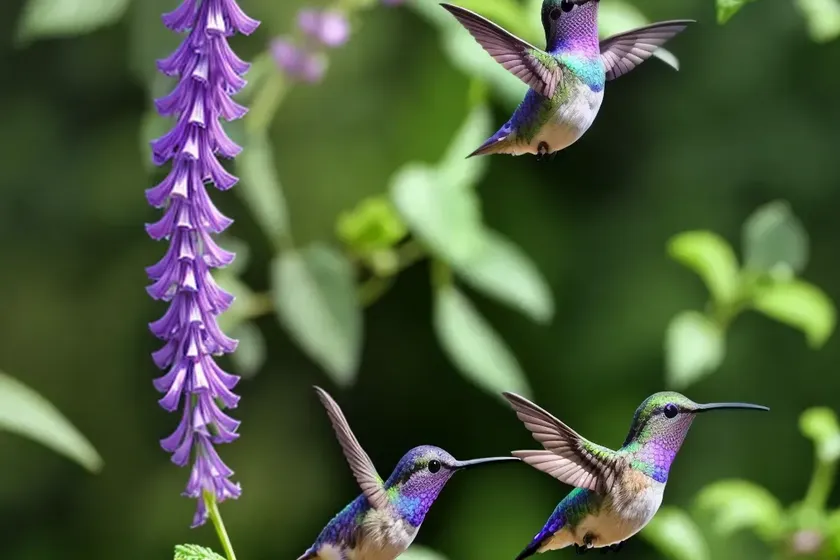
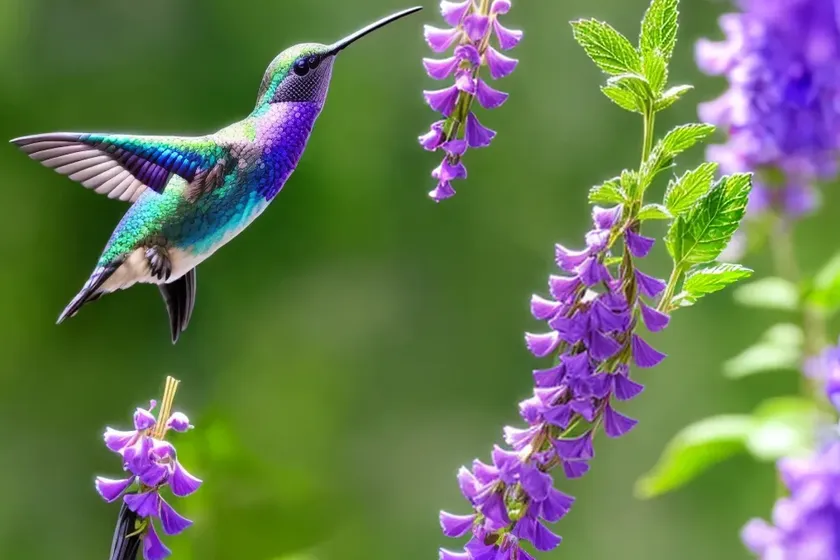
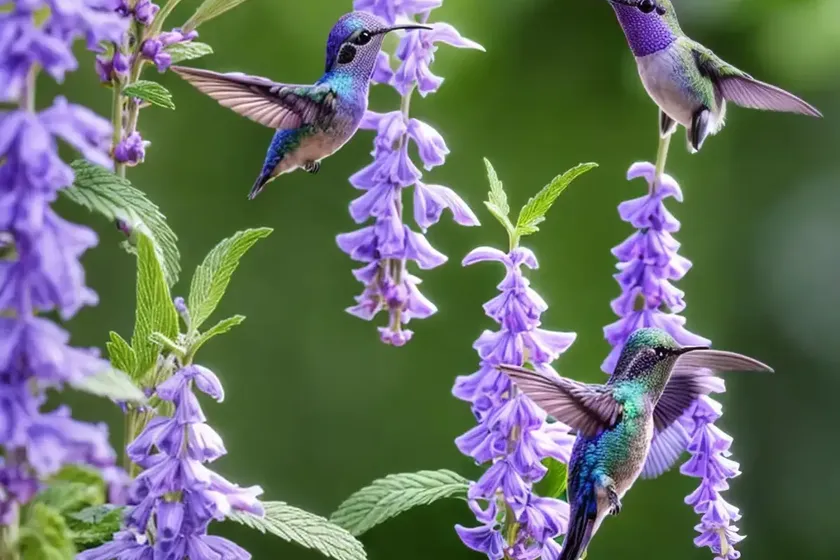
Agastache ‘Kudos Silver Blue’ is an enchanting perennial plant that has captured the hearts of gardeners with its striking appearance and undeniable appeal to pollinators like hummingbirds and bees. This plant is not only visually attractive but also serves as a valuable addition to any garden due to its low-maintenance nature and versatility in various gardening settings.
What is Agastache ‘Kudos Silver Blue’?
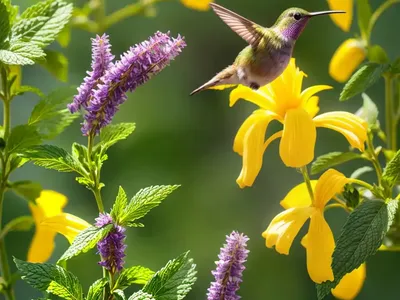
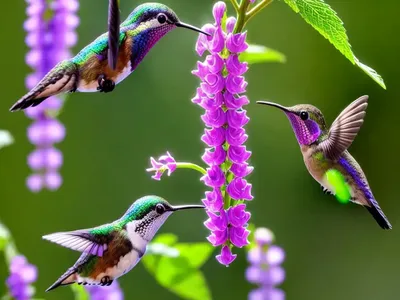
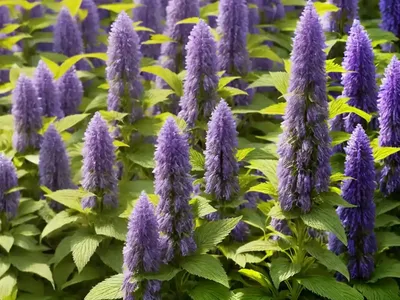
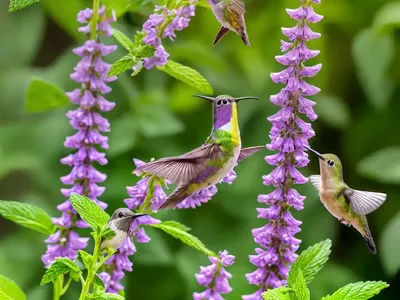
Agastache ‘Kudos Silver Blue’, commonly known as Hummingbird Mint, is a member of the Lamiaceae family. This plant is celebrated for its stunning, tall spikes of tubular, two-lipped flowers that bloom in shades of lavender-blue, creating a visually arresting spectacle in the garden. Apart from its aesthetic value, Agastache ‘Kudos Silver Blue’ is well-regarded for its ability to attract a wide array of pollinators, making it an excellent choice for wildlife-friendly gardens.
This comprehensive guide will delve into the various facets of Agastache ‘Kudos Silver Blue’, including its cultural requirements, uses, growth conditions, common diseases, pest management, and propagation methods. By understanding these key aspects, you will be well-equipped to cultivate and care for this beautiful hummingbird mint in your own garden.
Key Takeaways – Agastache ‘Kudos Silver Blue’ (Hummingbird Mint)
Before we dive into the specifics of cultivating Agastache ‘Kudos Silver Blue’, let’s explore the key takeaways that encapsulate the essence of this remarkable plant:
- Beautiful lavender-blue flowers that captivate the eye and attract pollinators
- Versatile uses in gardens, including borders, containers, and wildlife-friendly plantings
- Drought-tolerant and low-maintenance, making it an ideal choice for busy gardeners
- A fragrance reminiscent of licorice, which adds a delightful sensory dimension to the garden
- Valuable medicinal and culinary uses, extending its utility beyond ornamental purposes
Now, let’s explore the various aspects of caring for and utilizing Agastache ‘Kudos Silver Blue’ in the garden.
Culture
Agastache ‘Kudos Silver Blue’ is a plant that thrives under the right cultural conditions. By understanding its cultural requirements, you can ensure that this perennial will flourish and provide long-lasting beauty in your garden.
Uses
The uses of Agastache ‘Kudos Silver Blue’ are diverse, making it a valuable addition to a range of garden settings. Consider the following applications for this versatile plant:
- Borders: The striking lavender-blue flowers and aromatic foliage of Agastache ‘Kudos Silver Blue’ make it an excellent choice for border plantings, adding color and fragrance to garden edges.
- Containers: Due to its compact size and striking appearance, Agastache ‘Kudos Silver Blue’ is well-suited for container plantings, allowing you to enjoy its beauty on patios, balconies, or any other outdoor space.
- Wildlife Gardens: As a pollinator-friendly plant, Agastache ‘Kudos Silver Blue’ is a wonderful addition to wildlife-friendly gardens, where it can attract and support hummingbirds, bees, and butterflies.
Water
Agastache ‘Kudos Silver Blue’ exhibits good drought tolerance once established, making it a reliable choice for water-wise gardening. When initially establishing this plant, provide regular watering to encourage strong root development. Once established, it is best to allow the soil to dry out between watering sessions, as Agastache ‘Kudos Silver Blue’ is susceptible to root rot in consistently moist conditions.
Sunlight
For optimal growth and flower production, Agastache ‘Kudos Silver Blue’ thrives in full sun exposure. It requires a minimum of 6-8 hours of direct sunlight each day to perform at its best. In regions with intense heat, providing some afternoon shade can help protect the plant from excessive stress.
Fertilizer
Agastache ‘Kudos Silver Blue’ is not particularly demanding when it comes to fertilization. In fact, excessive fertilizer can lead to lush foliage at the expense of flower production. A balanced, slow-release fertilizer applied in spring as new growth emerges should be sufficient to support healthy growth and abundant flowering. Avoid fertilizers high in nitrogen, as this can promote excessive leafy growth at the expense of flowers.
Soil
This plant thrives in well-draining soil with a slightly acidic to neutral pH. Amending the soil with organic matter, such as compost, can help improve drainage and soil structure, promoting optimal growth. Additionally, ensuring good air circulation around the base of the plant can help prevent issues such as root rot.
Pruning
Agastache ‘Kudos Silver Blue’ benefits from regular deadheading to prolong its flowering period and maintain a neat appearance. This involves removing spent flower spikes as soon as they fade, which encourages the plant to produce new blooms. Additionally, a light pruning in early spring can help remove any winter damage and promote robust growth for the upcoming season.
Propagation
Agastache ‘Kudos Silver Blue’ can be propagated through both seeds and cuttings. Here are the basic guidelines for each method:
- Seeds: Collect seeds from mature flower heads in late summer or early fall. Sow the seeds in a prepared seedbed or containers, ensuring good seed-to-soil contact. Keep the soil consistently moist until germination occurs.
- Cuttings: Take stem cuttings in late spring or early summer, ensuring that each cutting has several sets of leaves. Remove the lower leaves and place the cut end in a well-draining rooting medium. Provide bottom heat and consistent moisture to encourage root development.
Container Popularity
Due to its compact growth habit and stunning visual appeal, Agastache ‘Kudos Silver Blue’ is a popular choice for container gardening. When cultivating this plant in containers, be sure to choose a well-draining potting mix and provide sufficient space for root development. Regular watering and appropriate fertilization are vital for sustaining healthy growth in container-grown specimens.
Common Diseases
While Agastache ‘Kudos Silver Blue’ is generally resistant to most common garden diseases, it can be susceptible to issues such as root rot in poorly drained soil, as well as powdery mildew in humid conditions. Ensuring proper cultural practices such as good air circulation, well-draining soil, and appropriate watering can help mitigate the risk of disease occurrence.
Disease Diagnosis
Diagnosing plant diseases can be challenging, especially for inexperienced gardeners. It’s important to closely monitor the plant for any signs of distress, such as wilting, yellowing foliage, or the presence of mold or mildew. In cases of suspected disease, it can be helpful to consult with local horticultural extension services or master gardeners for accurate diagnosis and management recommendations.
Common Pests
Few pests are known to seriously trouble Agastache ‘Kudos Silver Blue’, but occasional infestations of aphids or spider mites can occur. Regularly inspect plants for any signs of pest activity, such as stippled or distorted foliage, and employ appropriate measures such as insecticidal soaps or horticultural oils to manage infestations in a timely manner.
Botanist’s Tips
Here are some additional tips from botanists and horticulturists that can help you maximize the beauty and health of your Agastache ‘Kudos Silver Blue’ plants:
- Mulching: Applying a layer of organic mulch around the base of the plant can help conserve soil moisture, suppress weed growth, and insulate the roots against temperature fluctuations.
- Companion Planting: Pairing Agastache ‘Kudos Silver Blue’ with other sun-loving perennials such as Echinacea, Rudbeckia, or Salvia can create captivating combinations that provide continuous interest throughout the growing season.
- Winter Care: In regions with harsh winters, providing a light layer of mulch or compost over the plant’s root zone can help protect it from temperature extremes and prevent heaving of the plant during freeze-thaw cycles.
Fun Facts
To deepen your appreciation for Agastache ‘Kudos Silver Blue’, here are some fascinating fun facts about this remarkable plant:
- The fragrant foliage of Agastache ‘Kudos Silver Blue’ is not only appealing to humans but also serves as a natural deterrent for certain garden pests due to its aromatic compounds.
- This plant’s blooms are not only visually captivating but also serve as a valuable food source for pollinators, contributing to the overall ecological balance of the garden.
- The aromatic foliage of Agastache ‘Kudos Silver Blue’ can be utilized in herbal teas and culinary preparations, adding a delightful note of anise to dishes and beverages.
Links to External Resources
To further supplement your knowledge and aid in the successful cultivation of Agastache ‘Kudos Silver Blue’, consider exploring the following external resources:
- Royal Horticultural Society: Agastache ‘Kudos Silver Blue’
- Missouri Botanical Garden: Agastache ‘Kudos Silver Blue’
- North Carolina State University: Growing Agastache in the Garden
With the insights and knowledge gained from these resources, you can confidently embark on a successful journey of cultivating and caring for Agastache ‘Kudos Silver Blue’ in your own garden.
In conclusion, Agastache ‘Kudos Silver Blue’ is a compelling and multi-faceted perennial plant with much to offer to gardeners and nature enthusiasts alike. Its striking beauty, versatile uses, and allure to pollinators make it a standout choice for garden landscapes. By understanding its cultural requirements, propagation methods, and potential challenges, you can ensure that Agastache ‘Kudos Silver Blue’ thrives and contributes its unique charm to your outdoor space.
Now that you’ve gained a deeper understanding of Agastache ‘Kudos Silver Blue’, it’s time to embrace the joy of cultivating this captivating plant and witnessing its enduring beauty in your own garden. Happy gardening!
References
- “Agastache ‘Kudos Silver Blue’ care.” Gardening Know How.
- “Agastache ‘Kudos Silver Blue’ planting tips.” American Meadows.
- “Agastache ‘Kudos Silver Blue’ – Planting and Care.” University of Illinois Extension.