Agastache ‘Kudos Mandarin’ (Hummingbird Mint)
Agastache ‘Kudos Mandarin’, commonly known as Hummingbird Mint, is a stunning perennial plant that has gained popularity among gardeners and landscape.
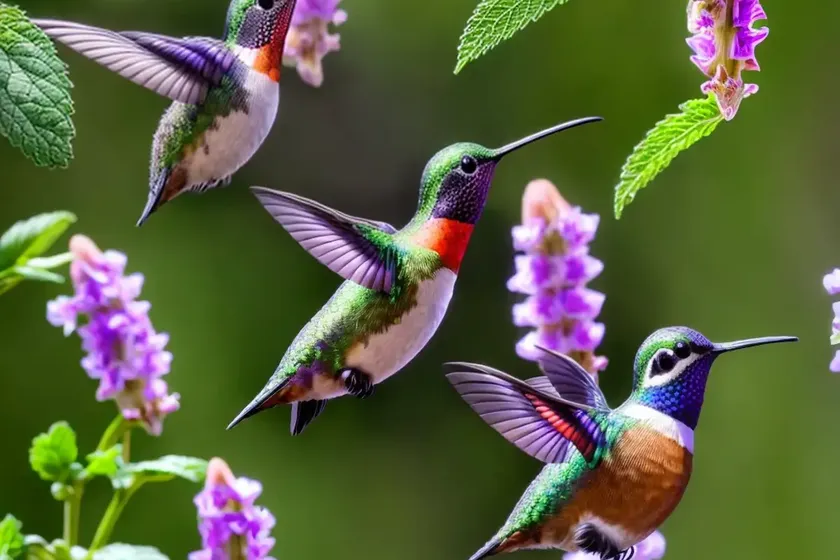
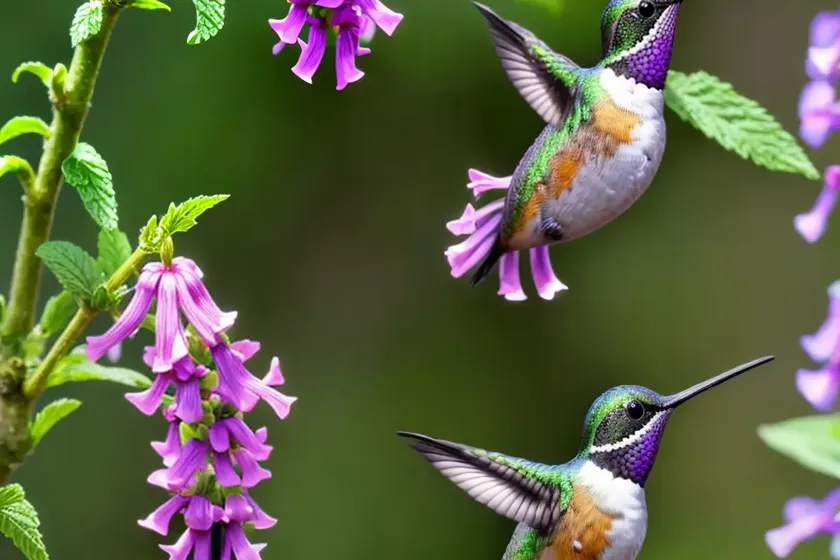
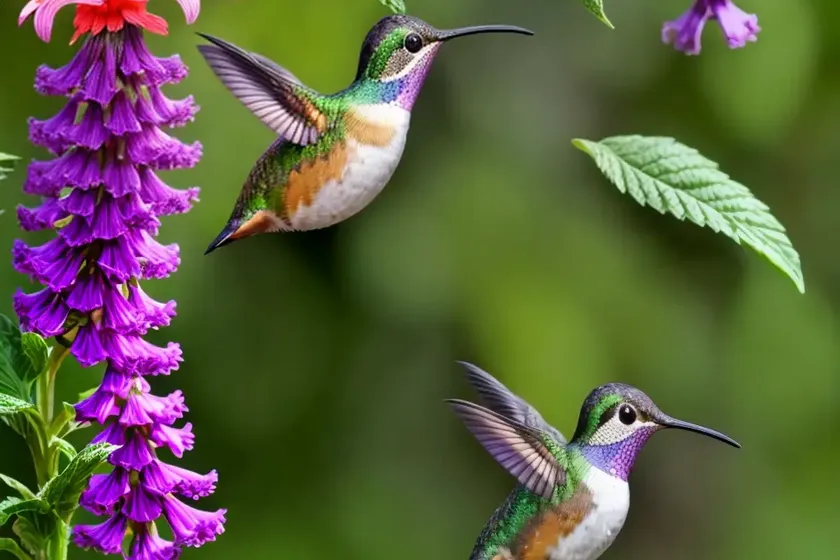
Agastache ‘Kudos Mandarin’, commonly known as Hummingbird Mint, is a stunning perennial plant that has gained popularity among gardeners and landscape enthusiasts. With its vibrant flowers, aromatic foliage, and ability to attract pollinators, this plant has become a favorite choice for many. In this comprehensive guide, we will delve into the various aspects of growing and caring for Agastache ‘Kudos Mandarin’, from its cultural requirements to its medicinal and culinary uses.
What is Agastache ‘Kudos Mandarin’?
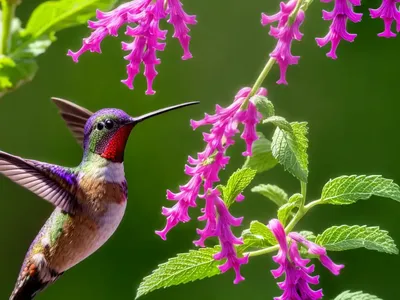
Agastache ‘Kudos Mandarin’, a member of the mint family (Lamiaceae), is a drought-tolerant perennial that is cherished for its striking, brightly colored blooms and aromatic foliage. This cultivar is specifically known for its vibrant orange to coral-colored flower spikes, which are incredibly attractive to hummingbirds, bees, and butterflies.
Key Takeaways
Let’s explore the key takeaways of Agastache ‘Kudos Mandarin’, which will be further discussed in detail throughout this guide.
- Planting Zone: Agastache ‘Kudos Mandarin’ thrives in planting zones 5 to 10.
- Watering: It requires moderate water and well-draining soil to prevent waterlogging.
- Sunlight: The plant flourishes in full sun but can tolerate partial shade.
- Soil Preferences: Well-draining, moderately fertile soil is ideal for this plant.
- Pruning: Regular deadheading of spent blooms can promote continuous flowering.
- Propagation: It can be propagated through seeds or stem cuttings.
- Disease Resistance: Agastache ‘Kudos Mandarin’ is relatively resistant to diseases and pests.
- Medicinal Uses: Some species of Agastache are known for their medicinal properties.
- Culinary Uses: The leaves of Agastache ‘Kudos Mandarin’ can be used to add flavor to culinary dishes.
- Fragrance: The foliage emits a pleasant, minty aroma.
Now, let’s delve deeper into the various aspects of growing, caring for, and using Agastache ‘Kudos Mandarin’.
Culture
Planting
When planting Agastache ‘Kudos Mandarin’, it is essential to consider its planting requirements to ensure its successful growth and development. The following factors should be taken into account:
-
Planting Zone: Agastache ‘Kudos Mandarin’ is ideally suited for USDA planting zones 5 to 10. It is important to ensure that the local climate and environmental conditions align with its preferred planting zone for optimal growth.
-
Planting Time: Spring or early summer is the best time to plant Agastache ‘Kudos Mandarin’. This allows the plant to establish itself before the arrival of harsh winter conditions.
-
Spacing: When planting multiple Agastache ‘Kudos Mandarin’ specimens, it is recommended to space them approximately 18 to 24 inches apart to provide ample room for growth and air circulation.
-
Soil Preparation: Prior to planting, it is advisable to amend the soil with organic matter to improve its fertility and drainage. Agastache ‘Kudos Mandarin’ thrives in well-draining soil, and adding compost or peat moss can aid in enhancing the soil structure.
Uses
Agastache ‘Kudos Mandarin’ is an incredibly versatile plant that offers various uses, ranging from its ornamental value in gardens to its culinary and medicinal applications. Here are some notable uses of Agastache ‘Kudos Mandarin’:
-
Ornamental Value: The vibrant, showy flowers of Agastache ‘Kudos Mandarin’ make it an excellent choice for ornamental planting in gardens, borders, and containers. It adds a pop of color and attracts pollinators, enhancing the visual appeal of the landscape.
-
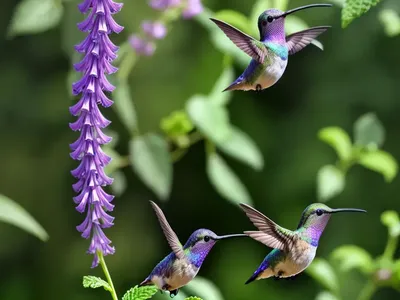
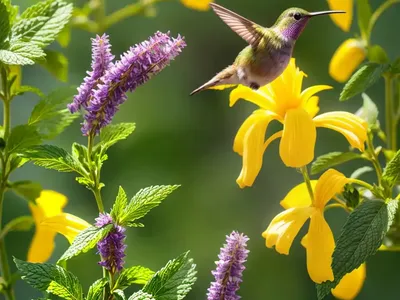
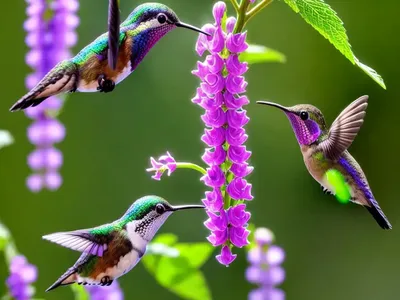
Pollinator Attraction: The nectar-rich blooms of Agastache ‘Kudos Mandarin’ are a magnet for pollinators such as hummingbirds, bees, and butterflies, making it a valuable addition to wildlife gardens and pollinator-friendly landscapes.
-
Culinary Uses: The leaves of Agastache ‘Kudos Mandarin’ can be used as a flavorful culinary herb, imparting a minty and citrusy taste to dishes. They are often utilized in teas, salads, and various culinary creations.
-
Medicinal Properties: Some species of Agastache are known for their medicinal properties. Agastache ‘Kudos Mandarin’ is believed to possess certain medicinal benefits, particularly in traditional herbal medicine.
-
Fragrant Foliage: The aromatic foliage of Agastache ‘Kudos Mandarin’ emits a pleasant, minty fragrance, adding sensory appeal to gardens and outdoor spaces.
Water
Proper watering is crucial for the health and vitality of Agastache ‘Kudos Mandarin’. Understanding its watering needs is essential to prevent issues such as water stress or root rot. Here are the key considerations for watering this plant:
-
Frequency: While Agastache ‘Kudos Mandarin’ is relatively drought-tolerant once established, it still requires regular watering, particularly during dry spells or hot weather. Adequate moisture is essential for promoting robust growth and continuous flowering.
-
Soil Moisture: It is important to maintain moderate soil moisture levels to support the plant’s growth. However, it is equally crucial to avoid overwatering, as excessive moisture can lead to root rot and other water-related issues.
-
Well-Draining Soil: As previously mentioned, Agastache ‘Kudos Mandarin’ thrives in well-draining soil. This is especially important in relation to watering, as it ensures that excess water can easily escape, preventing waterlogged conditions around the plant’s roots.
-
Mulching: Applying a layer of organic mulch around the base of the plant can aid in conserving soil moisture and regulating soil temperature. This can help reduce the frequency of watering while providing the plant with a consistent and favorable growing environment.
Sunlight
Sunlight is a vital element for the growth and performance of Agastache ‘Kudos Mandarin’. Understanding its sunlight requirements is essential for ensuring its overall health and blooming potential. Consider the following factors related to sunlight:
-
Full Sun Exposure: Agastache ‘Kudos Mandarin’ thrives in full sun, preferring at least 6 to 8 hours of direct sunlight each day. Placing it in a location with ample sun exposure is key to encouraging abundant flowering and compact growth.
-
Partial Shade Tolerance: While full sun exposure is ideal, Agastache ‘Kudos Mandarin’ can tolerate partial shade, particularly in regions with intense afternoon sun or during periods of extreme heat. However, it may result in reduced flowering compared to plants grown in full sun.
-
Sunlight Impact on Flowering: Adequate sunlight is directly linked to the plant’s flowering ability. Insufficient sunlight can lead to sparse blooming and diminished overall vigor. Therefore, ensuring that the plant receives sufficient sunlight is critical for its performance.
-
Winter Sun Considerations: In regions with cold winters, it is important to consider the availability of sunlight during the winter months. Choosing a site with good winter sun exposure can help ensure the plant’s survival and readiness for the following growing season.
Fertilizer
Fertilizing Agastache ‘Kudos Mandarin’ is an important aspect of its care regimen, as it provides essential nutrients to support healthy growth and vibrant flowering. Choosing the right fertilizer and applying it at the appropriate times can significantly impact the plant’s performance. Here are some considerations regarding fertilizing this plant:
-
Fertilizer Type: A balanced, all-purpose fertilizer with a formulation such as 10-10-10 or 20-20-20 can be suitable for Agastache ‘Kudos Mandarin’. These formulations provide a balanced supply of essential nutrients, promoting overall plant health and flowering.
-
Timing: Fertilizing can be done in early spring as new growth emerges. A second application in midsummer can further support the plant’s nutrient requirements, particularly during the active growing and flowering period.
-
Application Method: When applying fertilizer, it is important to follow the manufacturer’s recommendations regarding application rates and methods. Broadcasting granular fertilizer around the plant’s root zone and watering it in can be an effective approach.
-
Avoid Overfertilization: While providing nutrients is beneficial, it is important to avoid overfertilizing the plant, as excessive fertilizer can lead to lush, weak growth and may diminish flowering. Adhering to recommended application rates is essential for the plant’s overall health.
-
Organic Fertilizers: For those who prefer organic gardening practices, organic fertilizers such as compost, well-rotted manure, or fish emulsion can serve as suitable alternatives, providing a natural and slow-release source of nutrients.
Soil
The soil in which Agastache ‘Kudos Mandarin’ is planted plays a crucial role in its overall health, growth, and performance. Understanding the plant’s soil preferences and ensuring proper soil management are essential for cultivating thriving specimens. Consider the following aspects related to soil:
-
Well-Draining Soil: Agastache ‘Kudos Mandarin’ thrives in well-draining soil that allows excess water to escape freely. This prevents waterlogged conditions, which can be detrimental to the plant’s root system.
-
Soil pH: The plant generally prefers a slightly acidic to neutral soil pH range of 6.0 to 7.5. Conducting a soil test can help determine the pH of the planting area and make any necessary adjustments to align with the plant’s preferences.
-
Soil Composition: Amending the soil with organic matter such as compost, peat moss, or well-rotted manure can improve its structure and fertility. This can enhance water retention, nutrient availability, and overall soil quality.
-
Container Considerations: For those opting for container gardening, choosing a well-draining potting mix specifically formulated for perennials or herbs can provide an ideal growing medium for Agastache ‘Kudos Mandarin’.
-
Soil Moisture Management: Monitoring soil moisture levels is important to ensure that the soil maintains adequate moisture without becoming waterlogged. Proper soil management is integral to the plant’s overall health and performance.
Pruning
Pruning is an important aspect of caring for Agastache ‘Kudos Mandarin’, as it helps maintain the plant’s shape, encourages continuous flowering, and removes any spent blooms or dead foliage. Here are some key considerations regarding pruning:
-
Deadheading Blooms: Regular deadheading, or the removal of faded flowers, can promote prolonged flowering and prevent the plant from allocating energy into seed production. This encourages the plant to redirect its energy into the production of new blooms.
-
Pruning Time: Pruning can be conducted throughout the growing season as needed, particularly when spent blooms accumulate. However, it is important to avoid heavy pruning in late summer or fall, as this can impact the plant’s ability to overwinter successfully.
-
Sanitizing Tools: When pruning Agastache ‘Kudos Mandarin’, it is advisable to use clean, sharp pruning shears to make precise cuts. Sanitizing the tools before and after use helps prevent the spread of diseases and maintains the overall health of the plant.
-
Removal of Diseased Tissue: Any diseased or damaged foliage should be promptly removed to prevent the spread of diseases and maintain the plant’s overall vigor. Proper sanitation practices are crucial for preventing potential problems.
-
Thinning Out Growth: If the plant becomes overly dense or crowded, selectively thinning out certain stems or branches can improve air circulation and light penetration within the plant, contributing to its overall health.
-
Winter Pruning Considerations: In regions with cold winters, avoiding heavy pruning in late fall can help protect the plant from potential winter damage and enhance its cold hardiness.
Propagation
The propagation of Agastache ‘Kudos Mandarin’ offers the opportunity to expand a collection of these attractive plants or share them with fellow gardening enthusiasts. Understanding the various methods of propagation can enable individuals to propagate the plant successfully. Consider the following approaches to propagating Agastache ‘Kudos Mandarin’:
-
Seed Propagation: Propagating Agastache ‘Kudos Mandarin’ from seeds is a viable option, particularly when collecting seeds from mature flower spikes in the fall. Sowing the seeds in well-prepared seed-starting mix indoors, or directly in the garden in early spring, can yield new plants.
-
Division: Dividing established clumps of Agastache ‘Kudos Mandarin’ allows the production of new plants and the rejuvenation of older specimens. When dividing, it is important to ensure that each division has an adequate portion of roots and healthy shoots for successful establishment.
-
Stem Cuttings: Taking stem cuttings from healthy, non-flowering shoots in the spring or early summer can serve as an effective propagation method. These cuttings can be rooted in a moist, well-draining growing medium to produce new plants.
-
Root Cuttings: While less commonly utilized, root cuttings can also be employed to propagate Agastache ‘Kudos Mandarin’. Sections of healthy roots can be collected and planted in a suitable growing medium to initiate new plant growth.
-
Propagation Success Factors: Providing proper moisture, warmth, and favorable growing conditions are essential for successful propagation. Monitoring the newly propagated plants and ensuring their environmental needs are met can contribute to successful establishment.
Container Popularity
Agastache ‘Kudos Mandarin’ is well-suited for container gardening, offering an excellent option for individuals with limited garden space or those interested in cultivating ornamental plants on patios, balconies, or other outdoor areas. The following are some reasons for its popularity in containers:
-
Space Limitations: For individuals with limited garden space, growing Agastache ‘Kudos Mandarin’ in containers provides the opportunity to enjoy its beauty and benefits in a compact and manageable setting.
-
Ornamental Value: The vibrant blooms and aromatic foliage of Agastache ‘Kudos Mandarin’ make it an attractive choice for container displays, adding color and fragrance to outdoor living areas.
-
Pollinator Attraction: Even in containers, Agastache ‘Kudos Mandarin’ can attract pollinators such as hummingbirds, bees, and butterflies, contributing to a lively and vibrant outdoor environment.
-
Versatility: Containers provide flexibility in terms of placement and can be moved to optimize sunlight exposure, enhance visual impact, or accommodate changing outdoor arrangements.
-
Cultural Control: Growing Agastache ‘Kudos Mandarin’ in containers allows for greater control over soil quality, moisture levels, and overall environmental conditions, providing an opportunity to optimize the plant’s growing environment.
-
Overwintering Option: When grown in containers, Agastache ‘Kudos Mandarin’ can be overwintered in a sheltered location, providing protection from harsh winter conditions and ensuring its survival for the following growing season.
Common Diseases
Understanding the potential diseases that can affect Agastache ‘Kudos Mandarin’ is essential for maintaining its health and preventing the spread of any issues. While this plant is relatively resistant to diseases, there are certain ailments to be mindful of. Here are some common diseases that may impact Agastache ‘Kudos Mandarin’:
-
Powdery Mildew: This fungal disease can manifest as a powdery white substance on the plant’s foliage, potentially impacting its overall vigor and appearance. Good air circulation and the removal of affected foliage can help mitigate powdery mildew.
-
Root Rot: Excessive moisture or waterlogged soil can lead to root rot, a condition that can cause the plant’s roots to decay. Well-draining soil and proper watering practices are essential for preventing root rot.
-
Rust: Rust is another fungal disease that may affect Agastache ‘Kudos Mandarin’, appearing as reddish-brown spots on the foliage. Prompt removal of affected foliage and good sanitation practices can help manage rust issues.
-
Leaf Spot: Leaf spot diseases can cause the development of dark spots or lesions on the plant’s leaves, potentially impacting its overall aesthetic appeal. Avoiding overhead watering and providing proper air circulation can contribute to the prevention of leaf spot diseases.
-
Viral Diseases: Certain viral infections can impact the health of Agastache ‘Kudos Mandarin’, leading to symptoms such as stunted growth, discoloration, or distorted foliage. Prevention through the control of insect vectors and the removal of infected plants can be crucial in managing viral diseases.
-
Disease Prevention: Practicing good sanitation, providing proper growing conditions, and promptly addressing any signs of disease are essential for preventing and managing potential issues. Monitoring the plant’s overall health and promptly addressing any concerns is integral to its well-being.
Disease Diagnosis
Diagnosing potential diseases affecting Agastache ‘Kudos Mandarin’ involves observing its symptoms, assessing the environmental conditions, and identifying any contributing factors. When faced with potential disease issues, the following steps can aid in diagnosis and management:
-
Symptom Observation: Careful observation of the plant’s foliage, stems, and overall appearance can reveal potential disease symptoms such as discoloration, lesions, or abnormal growth patterns.
-
Environmental Assessment: Assessing factors such as soil moisture, airflow, and sunlight exposure can help identify potential contributors to disease issues, such as waterlogged soil and poor air circulation.
-
Pest Presence: In some cases, pests can contribute to the development of diseases. Identifying any pests present on the plant or in its vicinity can aid in understanding potential disease causes.
-
Consultation: Seeking professional guidance or consulting with local gardening experts or plant health specialists can provide valuable insights into potential diseases and their management.
-
Disease Management: Once a disease is diagnosed, implementing appropriate management strategies, such as cultural practices, targeted treatments, or plant removal if necessary, can help mitigate the impact of the disease and protect the overall health of the plant.
-
Preventive Measures: Proactive disease prevention measures, including proper plant care, regular monitoring, and the implementation of suitable growing practices, can help minimize the risk of disease issues arising in the first place.
Common Pests
While Agastache ‘Kudos Mandarin’ is relatively resistant to pests, there are certain insects that may pose potential challenges and affect its overall health. It is beneficial to be aware of these common pests and to implement appropriate pest management strategies. Here are some common pests that may impact Agastache ‘Kudos Mandarin’:
-
Aphids: These small, soft-bodied insects can cluster on the plant’s tender growth, feeding on sap and potentially causing distorted or stunted growth. Natural predators or insecticidal soaps can be utilized to manage aphid populations.
-
Spider Mites: Spider mites are tiny arachnids that can cause discoloration and stippling on the plant’s leaves. Regularly hosing down the foliage and employing natural predators such as ladybugs can help control spider mite infestations.
-
Whiteflies: These small, white, moth-like insects can congregate on the undersides of the plant’s leaves, feeding on sap and potentially causing yellowing or wilting. Insecticidal soaps or horticultural oils can be employed to control whitefly populations.
-
Thrips: Thrips are slender insects that can feed on the plant’s foliage, causing stippling, discoloration, or distorted growth. Certain predatory insects can serve as biological controls for managing thrips infestations.
-
Caterpillars: Some caterpillar species may feed on the foliage of Agastache ‘Kudos Mandarin’, potentially causing defoliation or damage. Regular monitoring and handpicking can help manage caterpillar populations effectively.
-
Integrated Pest Management: Implementing integrated pest management (IPM) practices, which utilize a combination of cultural, biological, and targeted chemical interventions when necessary, can aid in effectively managing potential pest issues