African Hosta (Drimiopsis Maculata)
What is a Plant: African Hosta (Drimiopsis maculata)? Plants are an essential part of our ecosystem and play a crucial role in maintaining the balance of.
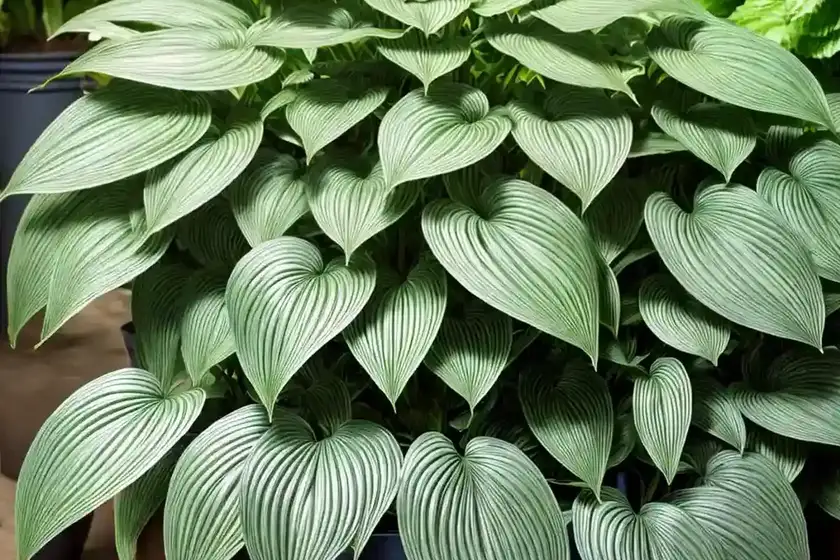
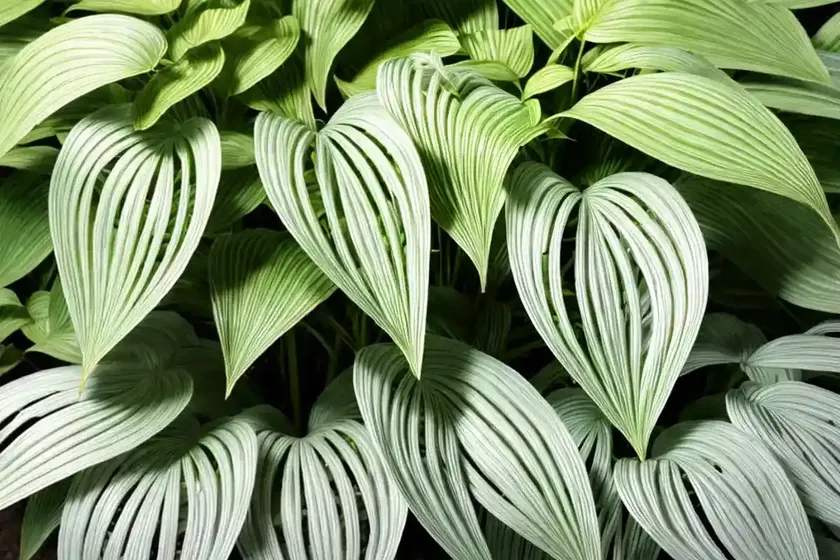
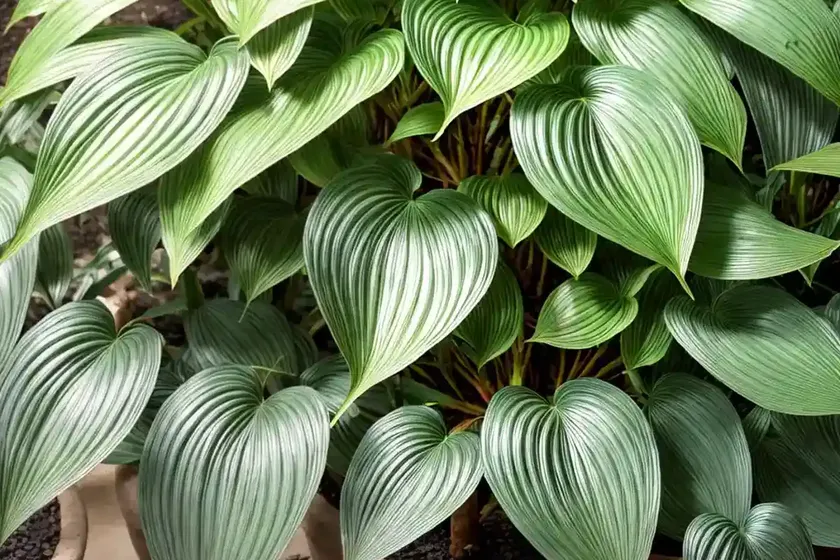
What is a Plant: African Hosta (Drimiopsis maculata)?
Plants are an essential part of our ecosystem and play a crucial role in maintaining the balance of nature. They are photosynthetic, multicellular organisms that belong to the kingdom Plantae. Plants provide us with oxygen, food, medicine, and shelter. They also serve as a vital habitat and food source for various organisms, supporting the overall biodiversity of our planet.
Among the diverse range of plant species, the African hosta, scientifically known as Drimiopsis maculata, stands out for its striking foliage and unique growth habits. Native to South Africa, this plant belongs to the Asparagaceae family and is highly valued for its ornamental attributes.
In this extensive guide, we will delve into the various aspects of cultivating and caring for African hosta, exploring its cultural requirements, uses, maintenance, and common challenges. Whether you are a gardening enthusiast, a plant lover, or a professional horticulturist, this comprehensive resource will equip you with the knowledge and insights needed to nurture and appreciate the beauty of African hosta.
Culture
African Hosta Benefits
The African hosta, or Drimiopsis maculata, offers a multitude of benefits, making it a valuable addition to gardens, landscapes, and indoor spaces. Here are some notable advantages of cultivating this distinctive plant:
-
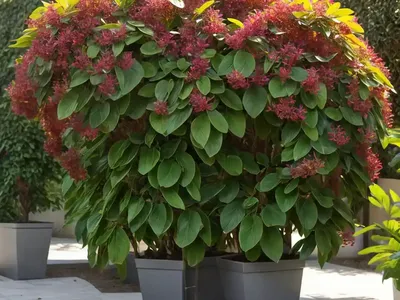
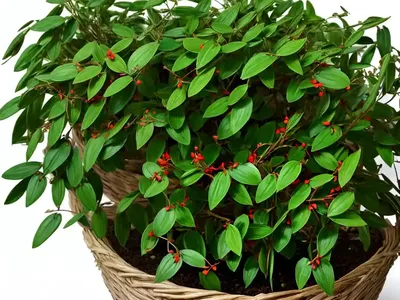
Ornamental Beauty: With its glossy, dark green foliage adorned with attractive silver markings, African hosta adds a touch of elegance and visual interest to any setting. Its unique leaf structure and growth habit make it a captivating presence in both traditional and contemporary garden designs.
-
Low Maintenance: African hosta is relatively low-maintenance, making it an ideal choice for novice gardeners or individuals seeking a plant that does not demand extensive care. Its adaptability and durability contribute to its appeal as a hassle-free ornamental plant.
-
Versatile Use: Whether grown in containers, used for landscaping, or incorporated in indoor decor, African hosta offers versatility in its applications. It can thrive in various environments, making it a versatile choice for different settings.
-
Environmental Benefits: Like many other plants, African hosta contributes to environmental health by releasing oxygen and supporting local ecosystems. Its presence can attract beneficial insects, contributing to a balanced and sustainable garden environment.
African Hosta Thriving Conditions
To ensure the successful cultivation of African hosta, it is essential to create an environment that aligns with its specific requirements. Understanding its thriving conditions will enable you to provide the optimal care and support for this striking plant. Here are the key thriving conditions for African hosta:
-
Moderate Temperatures: African hosta thrives in moderate temperatures, preferring a range between 60°F to 75°F (15°C to 24°C). It is sensitive to extreme cold and heat, so providing a stable and moderate climate is crucial.
-
Filtered Sunlight: While African hosta appreciates bright, indirect light, it benefits from filtered sunlight that shields it from intense exposure. Placing the plant in a location with dappled sunlight or partial shade is advisable for optimal growth.
-
Well-Draining Soil: Adequate drainage is essential for African hosta, as it is susceptible to root rot in waterlogged conditions. Using well-draining soil that retains moisture without becoming waterlogged is essential for the overall health of the plant.
-
Balanced Humidity: Maintaining balanced humidity levels, especially in indoor environments, supports the health and vitality of African hosta. Adequate moisture in the air, without excessive dryness or humidity, contributes to optimal growth.
Uses
African Hosta in Garden Design
African hosta, with its striking foliage and graceful form, serves as an excellent addition to garden designs, adding visual appeal and texture to various settings. Whether used as a focal point, a border plant, or a ground cover, African hosta offers versatility in garden design. Consider the following uses for African hosta in garden design:
-
Accent Plant: The distinctive foliage of African hosta makes it an ideal candidate for accentuating specific areas within the garden. Its unique appearance can draw attention and create visual interest when strategically placed among other plants and landscape features.
-
Ground Cover: In shaded or semi-shaded areas, African hosta can be utilized as a ground cover to create a lush and verdant carpet of foliage. Its dense growth habit and attractive leaves contribute to its effectiveness as a ground cover plant.
-
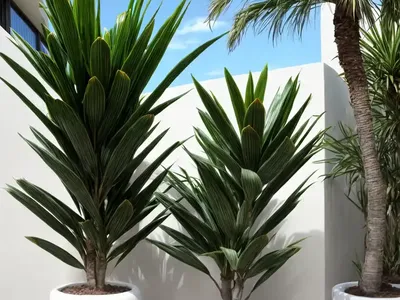
Container Gardening: Due to its adaptability to container growth, African hosta is well-suited for container gardening. It can be featured in outdoor planters, patio containers, or indoor pots, offering an ornamental accent in various settings.
African Hosta Indoor Decor
Bringing the beauty of nature indoors, African hosta serves as an exquisite addition to indoor spaces, enhancing interior decor with its elegant foliage and graceful presence. Integrating African hosta into interior design offers numerous benefits, enriching living and working spaces with natural beauty. Consider the following applications for African hosta in indoor decor:
-
Potted Plant: African hosta thrives as a potted plant, adding a touch of greenery to indoor spaces such as living rooms, offices, or dining areas. Its attractive foliage can serve as a focal point or complement existing decor, contributing to a harmonious indoor environment.
-
Air Purification: Like many other houseplants, African hosta contributes to air purification, filtering out toxins and impurities while releasing oxygen. Its inclusion in indoor spaces can support a healthier and more vibrant living or working environment.
-
Aesthetic Enhancement: Whether used on its own or as part of a curated plant display, African hosta enhances the aesthetic appeal of indoor spaces. Its unique leaf patterns and graceful growth make it a valuable component of interior decor, adding a natural touch to any setting.
Water
Drimiopsis maculata Watering Needs
Watering is a critical aspect of African hosta care, as maintaining appropriate moisture levels is essential for its health and vitality. Understanding the watering needs of Drimiopsis maculata is crucial for providing optimal care for this unique plant. Here are key considerations for watering African hosta:
-
Moderate Moisture: African hosta thrives in consistently moist soil, but it is important to avoid waterlogging, which can lead to root rot. Providing moderate moisture levels, allowing the soil to partially dry between waterings, supports the overall health of the plant.
-
Even Distribution: When watering African hosta, ensure even distribution of water throughout the root zone. Water the soil directly, avoiding moisture on the foliage, to prevent fungal issues and maintain a healthy growing environment for the plant.
-
Seasonal Adjustments: Adjusting the watering frequency based on seasonal changes is essential. During the warmer months or in drier conditions, African hosta may require more frequent watering to sustain adequate moisture levels. In contrast, during cooler or rainy periods, monitor the soil moisture to prevent waterlogged conditions.
African Hosta Drought Tolerance
While African hosta thrives in consistently moist soil, it also exhibits a degree of drought tolerance, making it adaptable to varying environmental conditions. Understanding the plant’s ability to withstand periods of reduced water availability is essential for its successful cultivation. Here are important factors regarding African hosta’s drought tolerance:
-
Established Resilience: Mature African hosta plants demonstrate resilience to short-term drought conditions, utilizing their root systems to access stored moisture and withstand periods of limited water availability.
-
Adaptation to Water Stress: With proper care and gradual acclimatization, African hosta can adapt to moderate water stress, displaying reduced growth and conserving resources to maintain its vitality during drier periods.
-
Management Practices: Incorporating management practices such as mulching, soil amendment, and careful monitoring of moisture levels can support the drought tolerance of African hosta, enhancing its ability to thrive in varied environmental circumstances.
Sunlight
African Hosta Sunlight Requirements
Sunlight is a crucial factor influencing the growth and development of African hosta, shaping its foliage coloration, growth habit, and overall health. Understanding the sunlight requirements of African hosta is essential for providing an optimal growing environment. Here are important considerations regarding African hosta’s sunlight preferences:
-
Filtered Light: African hosta thrives in filtered light, appreciating bright, indirect sunlight that is shielded from intense exposure. Positioning the plant in locations with dappled sunlight, partial shade, or gentle morning sun supports its healthy growth and vibrant foliage.
-
Shade Tolerance: While African hosta benefits from filtered light, it also exhibits a degree of shade tolerance, making it suitable for shaded or semi-shaded areas such as woodland gardens, under tree canopies, or along north-facing borders.
-
Leaf Coloration: Sunlight influences the leaf coloration of African hosta, with variegated varieties displaying enhanced color contrast and vibrancy when provided with appropriate light conditions. Understanding the impact of sunlight on leaf pigmentation can help in selecting optimal planting locations.
African Hosta Seasonal Sun Exposure
Accounting for seasonal variations in sunlight exposure is essential for effectively meeting the needs of African hosta throughout the year. By considering the changing patterns of sunlight during different seasons, you can provide an environment that supports the plant’s growth and well-being. Here are key considerations regarding African hosta’s seasonal sun exposure:
-
Spring and Summer: During the spring and summer months, African hosta benefits from bright, indirect sunlight and partial shade. The increased daylight hours and higher sun intensity during these seasons contribute to vigorous growth and robust foliage development.
-
Fall and Winter: As the seasons transition to fall and winter, African hosta may require adjustments in its sun exposure. With decreasing daylight hours and potential shifts in sunlight angles, ensuring adequate filtered light becomes crucial to support the plant’s health during these periods.
-
Indoor Considerations: For African hosta grown indoors, seasonal changes in natural light availability should be considered. Positioning indoor plants near windows or areas with consistent, filtered light can provide the sunlight necessary for their well-being, even during the darker months of the year.
Fertilizer
Drimiopsis maculata Nutrient Requirements
Fertilization plays a vital role in providing essential nutrients for the growth and development of African hosta. By understanding the nutrient requirements of Drimiopsis maculata, you can effectively support its vigor and maintain the ornamental quality of its foliage. Here are key considerations regarding African hosta’s nutrient requirements:
- Balanced Fertilizer: African hosta benefits from a balanced fertilizer formulation that provides essential macro and micronutrients. Selecting a fertilizer with balanced NPK (nitrogen, phosphorus, and potassium) ratios, as well as supplementary micronutrients, supports the overall health of the plant.
African hosta is influenced by the quality of soil and the fertilizer used for nourishment. Incorporating suitable fertilization practices is crucial for promoting robust growth and enhancing the visual appeal of African hosta’s foliage.
-
Seasonal Application: Adjusting the frequency and timing of fertilizer applications based on the plant’s growth cycle and seasonal changes is vital. Providing supplemental nutrients during the active growing season encourages strong, healthy foliage development and supports the plant’s overall vitality.
-
Natural Organic Amendments: In addition to conventional fertilizers, incorporating natural organic amendments such as compost, aged manure, or organic mulches can enhance the soil structure and nutrient availability for African hosta. These organic materials support long-term soil health and contribute to sustained plant vigor.
African Hosta Fertilization Tips
Effective fertilization tips contribute to the successful nourishment and growth of African hosta, ensuring that the plant receives the essential nutrients it needs for optimal health and ornamental beauty. By implementing these tips, you can support the vigor and vitality of African hosta while enhancing its visual appeal. Here are important tips for fertilizing African hosta:
-
Slow-Release Formulations: Utilizing slow-release or controlled-release fertilizers provides a steady supply of nutrients to African hosta over an extended period. These formulations minimize the risk of nutrient leaching and offer consistent nourishment for the plant.
-
Dilution and Application: When applying liquid fertilizers, it is advisable to dilute the concentration to avoid potential root damage and ensure uniform nutrient distribution. Diligently following the recommended application rates and frequency prevents over-fertilization and minimizes the risk of nutrient imbalances.
-
Soil Testing: Conducting periodic soil tests can provide valuable insights into the nutrient levels and pH balance of the soil in which African hosta is growing. Based on the soil test results, targeted fertilization strategies can be employed to address specific nutrient deficiencies or imbalances.
Soil
African Hosta Soil Preferences
Creating an optimal growing environment for African hosta begins with understanding its soil preferences and providing a suitable substrate that promotes healthy root development and abundant foliage. By addressing African hosta’s soil preferences, you can establish a foundation for successful cultivation and robust growth. Here are important considerations regarding African hosta’s soil preferences:
-
Well-Draining Composition: African hosta thrives in well-draining soil that prevents waterlogging and facilitates adequate aeration of the root zone. Incorporating components such as organic matter, perlite, or coarse sand into the soil mixture can enhance its drainage capabilities.
-
Moisture Retention: While drainage is essential, the soil should also possess moisture-retentive qualities to sustain the consistent moisture levels preferred by African hosta. Balancing drainage with moisture retention promotes the healthy development of the plant’s root system and supports its overall vigor.
-
Nutrient-Rich Content: African hosta benefits from soil that is rich in organic matter and nutrients, providing essential elements for robust growth and lush foliage. Amending the soil with compost, well-rotted manure, or organic fertilizers enhances its nutrient content and supports the plant’s vitality.
-
Optimal pH Range: African hosta thrives in slightly acidic to neutral soil conditions, with an optimal pH range between 6.0 to 7.0. Maintaining an appropriate pH level supports the availability of essential nutrients and mitigates potential nutrient deficiencies associated with extreme pH values.
African Hosta Soil Amendment Practices
Implementing soil amendment practices is essential for creating an optimal growth medium for African hosta, ensuring that the soil provides the necessary support for healthy root development and vigorous foliage growth. By incorporating suitable soil amendments, you can enhance the overall health and vitality of African hosta. Here are important soil amendment practices for African hosta cultivation:
-
Incorporation of Organic Matter: Adding organic matter such as compost, leaf mold, or well-rotted manure to the soil promotes nutrient availability, enhances soil structure, and supports microbial activity, all of which contribute to the well-being of African hosta.
-
Mulching: Applying a layer of organic mulch around the base of African hosta helps conserve soil moisture, suppresses weed growth, and moderates soil temperatures. Mulching also contributes to the gradual enrichment of the soil as the organic material decomposes over time.
-
Soil Compaction Prevention: Preventing soil compaction in the vicinity of African hosta is essential for ensuring adequate aeration of the root zone. Aeration practices such as gentle cultivation, organic mulching, and minimal soil disturbance support the development of healthy root systems.
-
Seasonal Maintenance: Conducting seasonal soil maintenance tasks, such as topdressing with compost, refreshing mulch layers, and monitoring soil moisture levels, supports the ongoing health and vitality of African hosta by addressing changing soil conditions.
Pruning
African Hosta Pruning Techniques
Pruning plays a vital role in shaping the appearance, vitality, and overall health of African hosta, allowing for the removal of spent foliage, maintenance of plant form, and propagation of new plants. Understanding effective pruning techniques is essential for maximizing the ornamental value and longevity of African hosta. Here are key pruning techniques for African hosta:
-
Removal of Spent Foliage: Regularly removing old, discolored, or damaged leaves from African hosta helps maintain a tidy appearance and minimizes the risk of disease development. Pruning away spent foliage also allows space for new growth to emerge.
-
Division and Propagation: Pruning can involve the division of mature African hosta clumps to create new plants. By carefully separating the rhizomes and root structures, healthy divisions can be obtained, allowing for the propagation of additional plants within the garden or landscape.
-
Thinning and Shaping: Thinning out crowded foliage and shaping the overall plant form can be achieved through selective pruning of African hosta. By strategically removing excess leaves and adjusting the plant’s structure, you can enhance air circulation and aesthetic appeal.
-
Post-Flowering Maintenance: After the flowering period, pruning spent flower stalks and addressing any decline in foliage condition supports the rejuvenation of African hosta and prepares it for continued growth and vigor.
Drimiopsis maculata Flowering Period
The flowering period of Drimiopsis maculata, commonly known as African hosta, offers a captivating display of delicate, fragrant blooms, enhancing the ornamental value of this distinctive plant. Understanding the timing, characteristics, and care considerations related to its flowering period empowers you to appreciate and support the floral beauty of African hosta. Here are important aspects of Drimiopsis maculata’s flowering period:
-
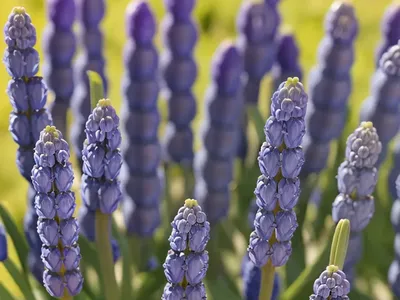
Seasonal Blooms: African hosta typically blooms during the late winter to early spring months, producing clusters of small, star-shaped flowers that exude a sweet fragrance. The appearance of flowers adds an enchanting dimension to the plant’s visual appeal and contributes to its ornamental value.
-
Foliage and Flower Interaction: The transition from flowering to foliage development is an important phase for African hosta, as it marks a shift in energy allocation and growth priorities. Supporting the plant during this transition fosters robust foliage growth and prepares it for subsequent flowering cycles.
-
Sustaining Flowering Health: Adequate moisture, balanced sunlight exposure, and appropriate nutritional support contribute to the overall health and longevity of African hosta’s flowers. Consistent care during the flowering period promotes vibrant blooms and sustains the plant’s ornamental allure.
-
Post-Flowering Care: Following the completion of the flowering period, addressing the maintenance needs of African hosta, including pruning, nutrient replenishment, and preparation for the next growth cycle, supports its ongoing vigor and ensures continued ornamental value.
Propagation
Drimiopsis maculata Propagation
The propagation of Drimiopsis maculata, also known as African hosta, allows for the expansion of its presence within the garden, landscape, or indoor setting, enabling the cultivation of new plants from existing specimens. By understanding effective propagation methods, you can propagate African hosta to create additional ornamental accents and enhance its overall presence. Here are important considerations for Drimiopsis maculata propagation:
-
Rhizome Division: Propagating African hosta through rhizome division involves carefully separating the rhizomes, or underground stems, to obtain viable divisions that can develop into new plants. This method is often used to rejuvenate mature clumps and create additional specimens.
-
Seed Propagation: While less