Adhesive Rehmannia (Rehmannia Glutinosa)
Introduction Adhesive rehmannia (Rehmannia glutinosa), also known as Chinese foxglove, is a perennial herb that has been a staple of traditional Chinese.
Introduction
Adhesive rehmannia (Rehmannia glutinosa), also known as Chinese foxglove, is a perennial herb that has been a staple of traditional Chinese medicine for centuries. This plant is valued not only for its ornamental beauty but also for its numerous medicinal applications. In this comprehensive guide, we will delve into the various aspects of adhesive rehmannia, including its cultivation, uses, care requirements, and fascinating historical and cultural significance.
What is Adhesive Rehmannia (Rehmannia glutinosa)?
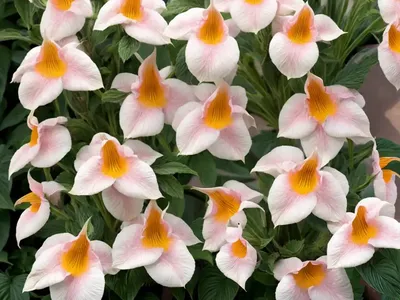
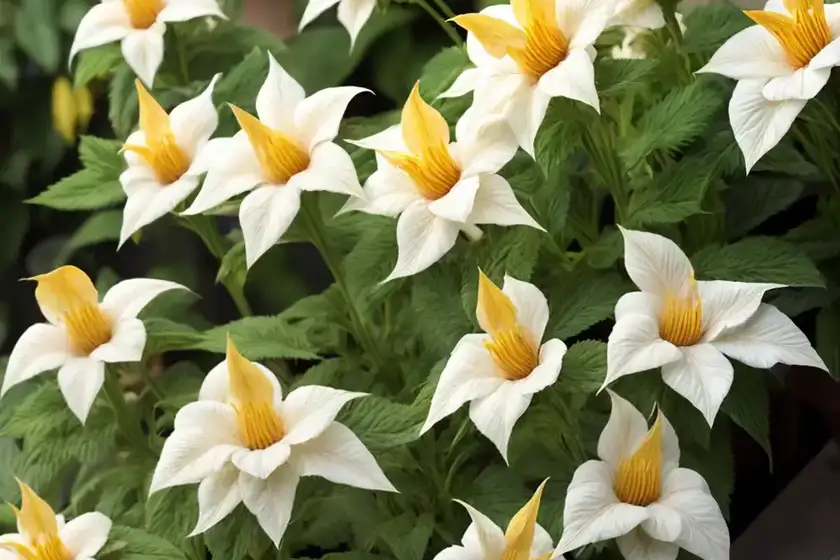
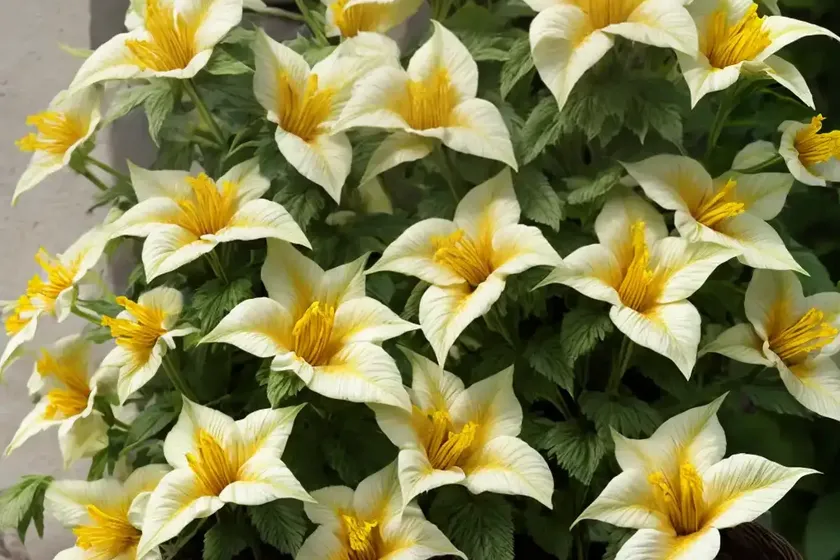
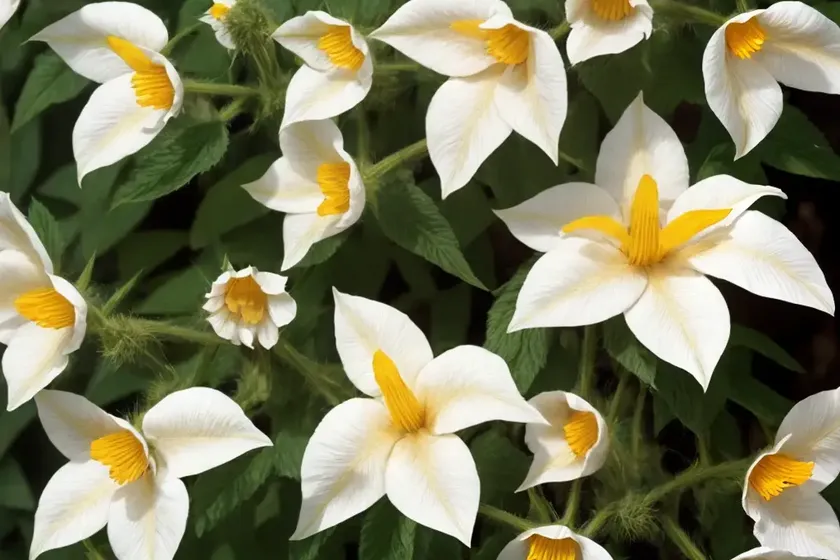
Adhesive rehmannia (Rehmannia glutinosa) is a species of flowering plant in the family Orobanchaceae, native to China, Korea, and Japan. It is a hardy perennial that typically grows to a height of 1 to 2 feet and produces trumpet-shaped flowers in shades of pink, purple, or yellow. The plant derives its common name “adhesive rehmannia” from the sticky nature of its root system, which is attributed to the presence of natural plant gums.
The root of adhesive rehmannia is the primary plant part used for medicinal purposes, and it has been a prominent herb in Chinese herbal medicine for over 1,000 years. Traditional uses of adhesive rehmannia include promoting healthy kidney function, supporting joint health, and bolstering the body’s natural defenses.
Key Takeaways – Adhesive Rehmannia (Rehmannia glutinosa)
Before we delve into the specific aspects of cultivating and caring for adhesive rehmannia, let’s take a moment to highlight the key takeaways about this remarkable plant:
- Adhesive rehmannia (Rehmannia glutinosa) is a perennial herb known for its medicinal properties and ornamental appeal.
- The plant has been a staple of traditional Chinese medicine for centuries, with uses ranging from kidney support to joint health.
- Cultivating adhesive rehmannia requires attention to factors such as water, sunlight, soil, and pruning to ensure its optimal growth and development.
- The plant is valued not only for its medicinal benefits but also for its versatility as an ornamental addition to gardens and landscapes.
Now, let’s explore the specific elements involved in successfully cultivating and caring for adhesive rehmannia.
Cultivation of Adhesive Rehmannia (Rehmannia glutinosa)
Cultivating adhesive rehmannia can be a rewarding experience, whether you are interested in harnessing its medicinal properties or simply appreciating its beauty in a garden setting. Successful cultivation relies on understanding and satisfying the plant’s requirements for water, sunlight, soil, and nutrients. Here’s a comprehensive overview of the cultural needs of adhesive rehmannia:
Water
- Adhesive rehmannia thrives in moist, well-draining soil. Consistent watering is crucial, especially during the plant’s active growing seasons in spring and summer.
- It is important to avoid overwatering, as this can lead to root rot and other moisture-related issues. Allow the soil to dry slightly between watering sessions to maintain optimal moisture levels.
Sunlight
- Adhesive rehmannia flourishes in partial shade to full sun. In regions with intense heat, providing some protection from the harsh afternoon sun may be beneficial.
Fertilizer
- Fertilize adhesive rehmannia with a balanced, slow-release fertilizer in the spring, as the plant begins its growth cycle. Avoid over-fertilization, as this can lead to excessive foliage growth at the expense of flowering.
Soil
- The plant thrives in well-draining, loamy soil. When planting adhesive rehmannia, amend the soil with organic matter to enhance its texture and fertility.
Pruning
- Regular deadheading can promote continuous flowering and prevent the plant from expending energy on seed production. Prune back any damaged or leggy growth to maintain a compact and tidy appearance.
Propagation
- Adhesive rehmannia can be propagated through division or from seed. Division is typically the preferred method, as it allows for the retention of the plant’s desirable traits.
Container Culture
- Adhesive rehmannia can be grown in containers, provided that the containers offer ample drainage. Be mindful of watering needs, as container-grown plants may dry out more quickly than those in the ground.
Popularity
- Adhesive rehmannia has gained popularity not only for its ornamental value but also for its adaptability to a wide range of environmental conditions and its resilience in the garden.
Cultivating adhesive rehmannia entails the thoughtful management of these essential factors to create an environment conducive to the plant’s growth and well-being. In the next section, we will delve into the uses of adhesive rehmannia, shedding light on its valuable contributions to traditional medicine and herbal practices.
Uses of Adhesive Rehmannia (Rehmannia glutinosa)
The uses of adhesive rehmannia (Rehmannia glutinosa) are multifaceted, encompassing both medicinal applications and decorative purposes. Understanding the diverse roles that this plant can play is essential for appreciating its full potential. Let’s explore the primary uses of adhesive rehmannia in detail:
Medicinal Properties
- Adhesive rehmannia has a long history of use in traditional Chinese medicine, where it is prized for its ability to fortify the kidneys and support overall kidney function.
- The plant is also used to address conditions related to joint health and mobility, making it a valuable ally for those seeking natural solutions for maintaining comfortable and flexible movement.
Ornamental Beauty
- In addition to its medicinal virtues, adhesive rehmannia adds a touch of elegance to gardens and landscapes with its showy, trumpet-shaped flowers and lush foliage.
- Whether featured in borders, container gardens, or mixed perennial beds, adhesive rehmannia contributes visual interest and a splash of color wherever it is planted.
Understanding the diverse uses of adhesive rehmannia provides a holistic perspective on the plant’s contributions to human well-being and the natural world. Now, let’s explore the specific care requirements for maintaining healthy and vigorous adhesive rehmannia plants.
Care Guide for Adhesive Rehmannia (Rehmannia glutinosa)
Caring for adhesive rehmannia involves a combination of thoughtful attention to its growth requirements and an understanding of its vulnerabilities to certain pests and diseases. By implementing a comprehensive care regimen, you can ensure that your adhesive rehmannia plants thrive and fulfill their potential. Here’s a detailed guide to caring for adhesive rehmannia:
Watering
- Maintain consistent moisture levels in the soil to support healthy growth and flowering. Regular, deep watering is essential, especially during hot and dry periods.
Sunlight
- Provide adhesive rehmannia with partial shade to full sun, ensuring that it receives adequate sunlight for robust growth and prolific flowering.
Soil Requirements
- Plant adhesive rehmannia in well-draining, loamy soil to prevent waterlogging and promote healthy root development.
Fertilization
- Apply a balanced, slow-release fertilizer in the spring to supply essential nutrients for vigorous growth and abundant flowering.
Pruning Techniques
- Regular deadheading and light pruning help maintain the plant’s appearance and encourage continuous blooming throughout the growing season.
Pest Control
- Monitor adhesive rehmannia plants for signs of aphids, spider mites, and whiteflies, which may occasionally pose a threat. Address pest infestations promptly to prevent damage to the plants.
Disease Prevention
- Implement proper spacing and ventilation to minimize the risk of fungal diseases, such as powdery mildew and root rot, which can impact adhesive rehmannia in humid conditions.
By adhering to these care guidelines, you can foster the optimal growth and development of adhesive rehmannia, thereby ensuring its enduring beauty and potential to contribute to holistic wellness. It is also important to remain vigilant in diagnosing and addressing potential diseases and pests that may affect the health of the plants.
Common Diseases and Pest Management for Adhesive Rehmannia (Rehmannia glutinosa)
Adhesive rehmannia, like many other plants, is susceptible to certain diseases and pests that can compromise its health and vigor. Understanding these potential challenges and the appropriate management strategies is crucial for protecting your adhesive rehmannia plants. Let’s explore common diseases and pests that may affect adhesive rehmannia, along with effective management approaches:
Common Diseases
-
Powdery Mildew: This fungal disease can manifest as a powdery, talcum-like coating on the leaves of adhesive rehmannia, often in humid conditions. To prevent powdery mildew, ensure proper spacing between plants to promote air circulation and use a preventive fungicidal spray if necessary.
-
Root Rot: Excessive soil moisture can lead to root rot, affecting the plant’s ability to absorb nutrients and water. Avoid overwatering and ensure that the soil offers good drainage to mitigate the risk of root rot.
Disease Diagnosis
- Regularly inspect adhesive rehmannia plants for signs of discoloration, wilting, or unusual growth patterns that may indicate the presence of a disease. Prompt diagnosis can facilitate early intervention and prevent the spread of diseases.
Common Pests
-
Aphids: These small, sap-sucking insects can cluster on the tender shoots and foliage of adhesive rehmannia, leading to stunted growth and distorted leaves. Use a strong blast of water or insecticidal soap to control aphid populations.
-
Spider Mites: These tiny arachnids can infest adhesive rehmannia, causing stippling and discoloration of the leaves. Mitigate spider mite infestations by increasing humidity around the plants and using predatory mites as natural control agents.
-
Whiteflies: Whiteflies can congregate on the undersides of adhesive rehmannia leaves, sapping the plant’s vitality. Employ yellow sticky traps and insecticidal soap to manage whitefly populations effectively.
By remaining attentive to the potential onset of diseases and the presence of pests, you can safeguard the health and beauty of adhesive rehmannia, allowing it to flourish and thrive in your garden or landscape.
Botanist’s Tips for Growing Adhesive Rehmannia (Rehmannia glutinosa)
Seasoned botanists and horticulturists offer invaluable insights into the optimal cultivation and care practices for adhesive rehmannia. Drawing from their expertise, we can distill key tips that can enhance your success in growing and maintaining healthy adhesive rehmannia plants:
-
Mulching: Apply a layer of organic mulch around adhesive rehmannia plants to retain soil moisture, suppress weed growth, and regulate soil temperature.
-
Companion Planting: Consider interplanting adhesive rehmannia with complementary species that share similar cultural requirements, creating visually appealing and mutually beneficial plant combinations.
-
Staking: Provide support in the form of stakes or rings for taller varieties of adhesive rehmannia to prevent sprawling and ensure an upright growth habit.
-
Disease-Resistant Cultivars: Select disease-resistant cultivars of adhesive rehmannia to minimize the risk of succumbing to common fungal diseases, enhancing the plant’s long-term resilience.
By integrating these expert recommendations into your approach to growing adhesive rehmannia, you can create an environment conducive to the plant’s well-being and longevity, reaping the rewards of its ornamental and medicinal virtues.
Fun Facts about Adhesive Rehmannia (Rehmannia glutinosa)
Exploring the historical, cultural, and botanical dimensions of adhesive rehmannia unveils intriguing and engaging insights that enhance our appreciation for this remarkable plant. Here are some fun facts about adhesive rehmannia:
-
Cultural Significance: Adhesive rehmannia holds a revered place in traditional Chinese medicine, where it is valued for its restorative and tonifying properties.
-
Ornamental Diversity: The flowers of adhesive rehmannia come in a range of captivating colors, including pink, purple, and yellow, adding a vibrant tapestry of hues to garden landscapes.
-
Longevity: When provided with optimal care, adhesive rehmannia can live for many years, gracing gardens with its elegant presence and contributing to the continuity of natural beauty.
-
Adaptability: Adhesive rehmannia demonstrates notable adaptability to diverse environmental conditions, making it a versatile addition to gardens and landscapes across different climates.
These fun facts underscore the multifaceted appeal and significance of adhesive rehmannia, enriching our understanding of its role in traditional medicine, horticulture, and cultural heritage.
Links to External Resources
To further your exploration of adhesive rehmannia and delve into its diverse applications, here are some valuable external resources:
-
Cultivation and Medicinal Uses of Rehmannia glutinosa: This scholarly article offers detailed insights into the cultivation and medicinal properties of Rehmannia glutinosa.
-
The Art of Chinese Herbal Medicine: Explore the historical and traditional uses of adhesive rehmannia in Chinese herbal medicine, providing valuable context for its cultural significance.
-
Managing Pests in Ornamental Plants: This resource provides practical guidance on identifying and managing pests that may affect adhesive rehmannia and other ornamental plants.
-
The Healing Power of Plants: Delve into the medicinal benefits and therapeutic potential of plants like adhesive rehmannia in this comprehensive scientific review.
By delving into these resources, you can expand your knowledge and appreciation of adhesive rehmannia, gaining deeper insights into its cultivation, medicinal properties, and ornamental significance.
In conclusion, adhesive rehmannia (Rehmannia glutinosa) stands as a captivating fusion of botanical beauty and holistic wellness, offering a tapestry of ornamental delight and traditional medicinal efficacy. By embracing its cultivation, uses, and care requirements, we can honor the diverse contributions of this remarkable plant to human health, cultural heritage, and natural beauty. With its deep-rooted history and enduring appeal, adhesive rehmannia continues to inspire admiration and reverence, inviting us to cultivate and celebrate its unique virtues.
Intrigued by the mystical allure of medicinal plants? Ready to discover more about the captivating world of botany and herbalism? Let’s embark on an enchanting journey through the aromatic pathways of nature’s healing wonders.