Adder’s-tongue (Ophioglossum Vulgatum)
Plants have always been a source of wonder and fascination for humanity. From the lush rainforests to the arid deserts, plants come in a staggering array.
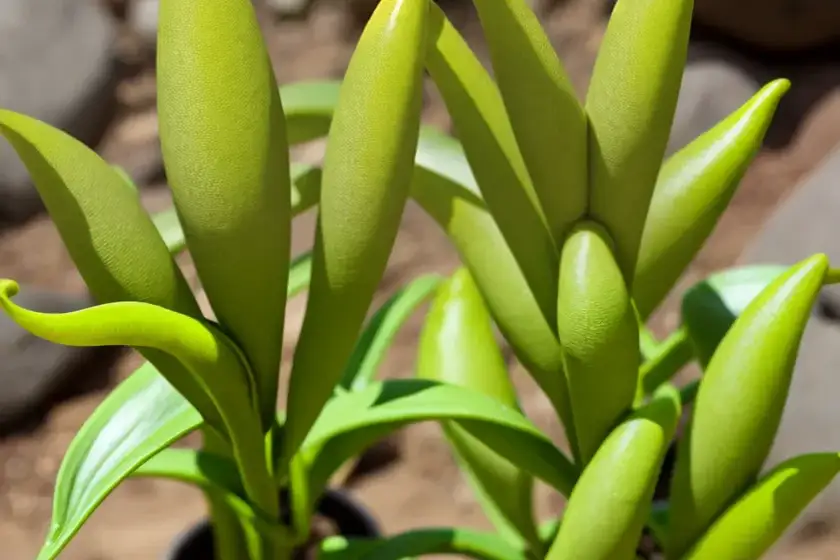
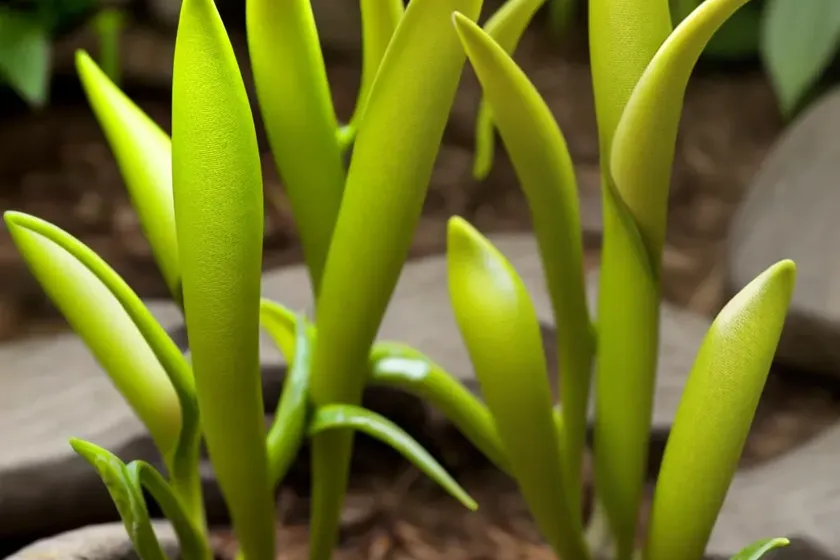
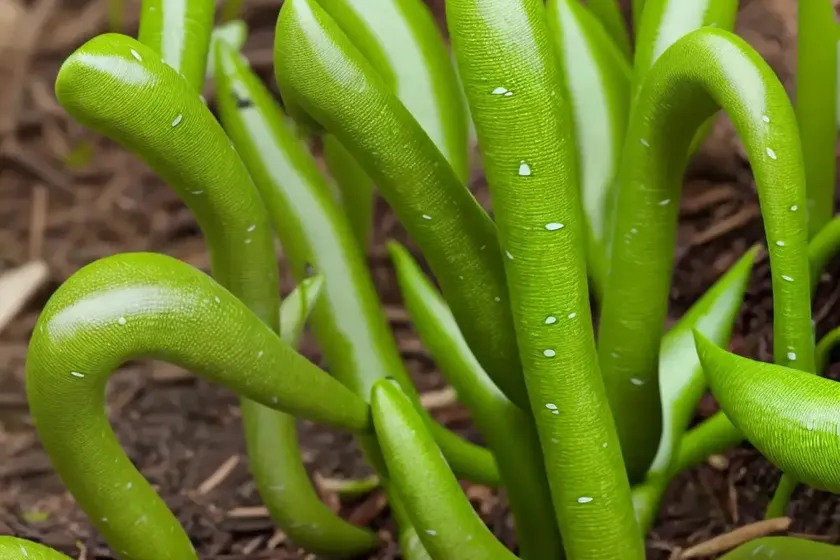
Plants have always been a source of wonder and fascination for humanity. From the lush rainforests to the arid deserts, plants come in a staggering array of shapes, sizes, and functions. Among these diverse botanical wonders is the intriguing Adder’s-tongue (Ophioglossum vulgatum), a unique and captivating fern species that holds a special place in the world of botany. In this comprehensive guide, we will explore the various facets of Adder’s-tongue, including its cultural significance, growth requirements, characteristics, propagation, uses, ecology, and much more.
About the Adder’s-tongue (Ophioglossum vulgatum)?
Adder’s-tongue, scientifically known as Ophioglossum vulgatum, is a species of fern belonging to the family Ophioglossaceae. It is a fascinating plant characterized by its distinctive fronds and unique reproductive structures. Adder’s-tongue is widely distributed across temperate and tropical regions, thriving in diverse habitats, from woodlands to grasslands. Its name “Adder’s-tongue” is derived from its resemblance to a snake’s tongue, particularly in the shape of its fronds.
Key Takeaways – Adder’s-tongue (Ophioglossum vulgatum)
Before delving deeper into the world of Adder’s-tongue, let’s highlight some key takeaways about this remarkable plant:
- Scientific Name: Ophioglossum vulgatum
- Common Names: Adder’s-tongue fern, Adder’s-tongue plant
- Cultivation and Care: Adder’s-tongue requires specific conditions in terms of water, sunlight, soil, and fertilizer for optimal growth.
- Characteristics: The unique fronds and reproductive structures of Adder’s-tongue set it apart from other fern species.
- Propagation: Understanding the propagation methods is essential for expanding the population of Adder’s-tongue.
- Uses: Adder’s-tongue holds cultural, medicinal, and ecological significance, making it valuable in various contexts.
Now, let’s embark on a journey to uncover the captivating facets of Adder’s-tongue, from its cultural symbolism to its growth requirements and conservation status.
Culture
Cultural Significance
Adder’s-tongue has been intertwined with human culture for centuries, featuring in folklore, herbal medicine, and symbolic representations. In folklore, the plant often carries mystical associations, sometimes linked to its unique appearance and elusive characteristics. The folklore and symbolism associated with Adder’s-tongue vary across different cultures, adding to the intrigue and mystery surrounding this remarkable fern.
Medicinal and Folkloric Uses
Historically, Adder’s-tongue has been utilized in traditional herbal medicine for various purposes. Its usage in herbal remedies and folk medicine reflects the perception of the plant as having valuable medicinal properties in certain cultural contexts. The specific uses and applications of Adder’s-tongue in traditional medicine may vary, but its presence in folkloric practices underscores its cultural significance.
Uses
Ecological Role
In its natural habitat, Adder’s-tongue serves an essential ecological role, contributing to the biodiversity and functioning of its ecosystem. As a part of the diverse flora, Adder’s-tongue interacts with other organisms and the environment, playing a role in nutrient cycling, habitat provision, and potentially other ecological processes. Understanding the ecological contributions of Adder’s-tongue is crucial for assessing its conservation status and ecological significance.
Medicinal Potential
The potential medicinal uses of Adder’s-tongue have been explored in traditional herbal medicine. The presence of bioactive compounds or unique chemical properties in the plant may contribute to its perceived medicinal value. Unraveling the medicinal potential of Adder’s-tongue requires rigorous scientific investigation to understand its pharmacological properties and possible applications in modern medicine.
Growth Requirements
Understanding the specific growth requirements of Adder’s-tongue is essential for cultivating and maintaining this captivating fern. From its habitat preferences to its response to different environmental factors, the growth requirements of Adder’s-tongue have a direct impact on its health and vigor.
Water
Adder’s-tongue typically thrives in moist to wet soil conditions, reflecting its preference for adequate water availability. In its natural habitat, Adder’s-tongue often occurs in areas with consistent moisture levels, such as damp woodlands, marshy soils, and stream banks. Maintaining appropriate soil moisture is crucial for supporting the growth and vitality of Adder’s-tongue, preventing drought stress and dehydration.
Sunlight
Like many fern species, Adder’s-tongue tends to favor shaded or partially shaded environments. In its native habitats, it often grows under the canopy of trees or in areas with filtered sunlight. Providing the right balance of light – sufficient to support photosynthesis but not excessive to cause sunburn or heat stress – is important for the optimal growth of Adder’s-tongue, especially when cultivating it in controlled environments.
Soil
The type of soil in which Adder’s-tongue is grown can significantly influence its growth and development. The plant generally prefers well-draining, organic-rich soils with a slightly acidic to neutral pH. Understanding the soil composition and structure that best suits Adder’s-tongue is integral to creating an ideal growing environment for this unique fern species.
Fertilizer
Fertilization practices can be crucial for supporting the healthy growth of Adder’s-tongue, especially when cultivating it in containers or in nutrient-deficient soils. Selecting appropriate fertilizers and application rates, considering the specific nutrient requirements of Adder’s-tongue, is essential for promoting robust and lush growth. Balancing the nutritional needs of the plant without causing excessive fertilizer buildup is a key consideration.
Pruning
The need for pruning in Adder’s-tongue cultivation may vary depending on the growth habits and developmental patterns of the plant. Removing old or damaged fronds, as well as managing the spread of rhizomes in certain propagation contexts, can be part of the pruning practices. Implementing proper pruning techniques can help maintain the aesthetics and health of Adder’s-tongue, ensuring its continued vitality.
Propagation
Understanding the propagation methods for Adder’s-tongue is crucial for expanding its presence and conserving its genetic diversity. From spores to vegetative propagation, different approaches can be employed to propagate Adder’s-tongue effectively. Mastering the propagation techniques contributes to the sustainable management and cultivation of this intriguing fern species.
Spore Propagation
Propagating Adder’s-tongue from spores involves understanding the life cycle and reproductive structures of the plant. By collecting and sowing spores under controlled conditions, it is possible to facilitate the development of new Adder’s-tongue individuals. This method requires attention to environmental factors, sterilization practices, and suitable growing media to support spore germination and early growth.
Rhizome Division
Division of the rhizomes can be another viable propagation method for Adder’s-tongue, particularly in the context of expanding populations or sharing the plant with other enthusiasts. The division process involves carefully separating the rhizomes into individual sections, each with viable buds or growth points. Ensuring the establishment and proper care of the divided rhizomes is essential for successful propagation.
Tissue Culture
In modern cultivation contexts, tissue culture techniques may also be employed for the propagation of Adder’s-tongue. By utilizing specialized laboratory methods, such as micropropagation, it is possible to propagate the plant from small, carefully prepared plant tissues. Tissue culture offers a precise and controlled approach to multiplying Adder’s-tongue, often playing a role in conservation and commercial propagation efforts.
Container Popularity
Adder’s-tongue holds appeal for container gardening enthusiasts, offering an intriguing addition to indoor and outdoor plant collections. The compact size and distinctive appearance of the plant make it a captivating choice for container cultivation, allowing enthusiasts to appreciate its unique characteristics up close. When grown in containers, the specific care requirements of Adder’s-tongue, including watering, light, and soil management, need to be carefully considered to ensure its well-being.
Nurturing Adder’s-tongue in Containers
Cultivating Adder’s-tongue in containers presents an opportunity to create a carefully curated growing environment for this distinctive fern. Selecting appropriately sized pots with good drainage, using well-balanced potting mixes, and monitoring the plant’s water and light needs are essential aspects of container cultivation. By providing the right conditions, enthusiasts can enjoy the beauty and allure of Adder’s-tongue in a container setting.
Common Diseases
Maintaining the health of Adder’s-tongue involves being aware of potential disease issues that may affect the plant. While Adder’s-tongue is generally robust, certain diseases and disorders can impact its growth and appearance. Recognizing common diseases and understanding their management is crucial for safeguarding the well-being of Adder’s-tongue in cultivation settings.
Disease Diagnosis
Identifying the symptoms and signs of diseases affecting Adder’s-tongue is the first step in effective disease management. By observing changes in the foliage, fronds, or overall growth patterns, growers can discern potential disease issues and take appropriate measures. Leaf spot diseases, fungal infections, and physiological disorders are among the concerns that may affect Adder’s-tongue in certain conditions, warranting prompt attention and intervention.
Common Pests
In addition to diseases, Adder’s-tongue may also be susceptible to certain pests that can impact its growth and vitality. Understanding the common pests that may target Adder’s-tongue and implementing measures for pest control are integral to maintaining the plant’s health.
Pest Management
Effective pest management for Adder’s-tongue involves preventive practices, vigilant monitoring, and targeted interventions when pest issues arise. Common pests that may affect Adder’s-tongue include insect species such as aphids, mites, and scale insects, as well as potential vertebrate pests. Employing integrated pest management strategies and cultural practices can minimize pest pressures and protect the well-being of Adder’s-tongue.
Botanist’s Tips
Aspiring and seasoned plant enthusiasts can benefit from valuable insights and tips from botanists and horticulturists to enhance their knowledge and care practices for Adder’s-tongue. Leveraging expert recommendations and techniques can contribute to the successful cultivation and appreciation of this remarkable fern species.
Expert Guidance
Consulting resources from botanists and plant experts can provide valuable guidance on the cultivation, care, and conservation of Adder’s-tongue. Expert tips may encompass areas such as soil management, watering practices, pest control, and propagation techniques, offering practical advice for plant enthusiasts. By integrating botanist’s tips into their care routines, enthusiasts can cultivate and enjoy Adder’s-tongue with increased confidence and success.
Fun Facts
Uncovering the fascinating and obscure aspects of Adder’s-tongue can add another layer of appreciation for this unique fern. From its botanical characteristics to its historical connections, there is a wealth of intriguing information to explore.
In the Wild
In its natural habitats, Adder’s-tongue often thrives in areas with specific microclimatic conditions, contributing to its distinct presence in the wild. Its ability to adapt to diverse environments, from temperate woodlands to tropical locales, showcases its resilience and adaptability as a plant species.
Reproduction
The reproductive structures of Adder’s-tongue, including its distinctive spore-bearing fronds and fertile spikes, are a testament to its intricate life cycle and reproductive strategies. Observing the unique reproductive features of Adder’s-tongue provides insight into its evolutionary adaptations and ecological interactions.
Cultural Associations
The folklore and cultural symbolism tied to Adder’s-tongue across different regions portray the multifaceted significance of the plant throughout history. Its associations with mythical creatures, healing properties, and symbolic meanings reflect the diverse cultural perspectives on this enigmatic fern.
Links to External Resources
For more in-depth exploration of Adder’s-tongue and related botanical topics, consider consulting the following external resources:
- The Ferns of Great Britain and Ireland
- Royal Horticultural Society – Growing Ferns
- International Union for Conservation of Nature (IUCN) Red List of Threatened Species
- Botanical Journal of the Linnean Society
In conclusion, Adder’s-tongue (Ophioglossum vulgatum) stands as a compelling and extraordinary component of the botanical world, captivating enthusiasts and scientists alike with its unique characteristics and cultural significance. From its growth requirements to its cultural uses, Adder’s-tongue encompasses a wealth of botanical knowledge and fascination, making it a plant worthy of appreciation and conservation.
Remember to allow space for the eventual size of some plants, especially tree; after the water settle, fill in whitespaces with additional racking.