Adam’s Needle (Yucca Filamentosa)
Yucca filamentosa, also known as Adam’s Needle or Needleleaf Yucca, is a strikingly beautiful and versatile plant that has been a favorite among gardeners.
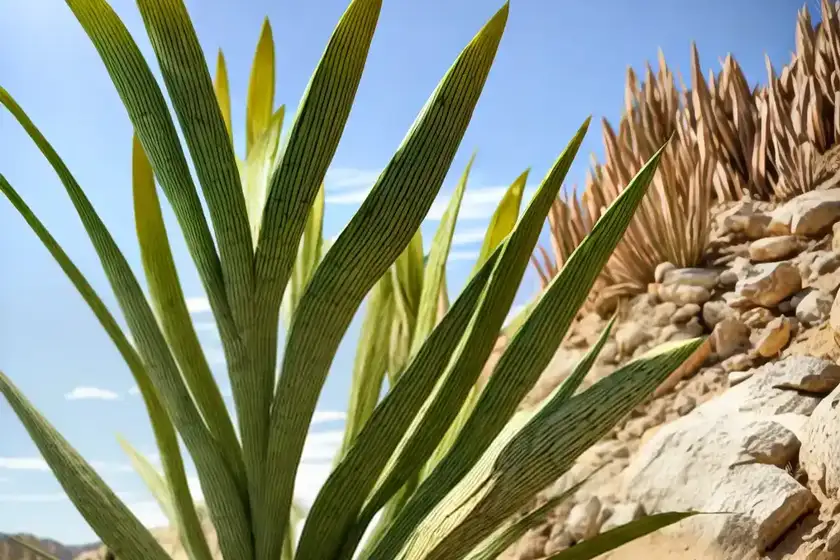
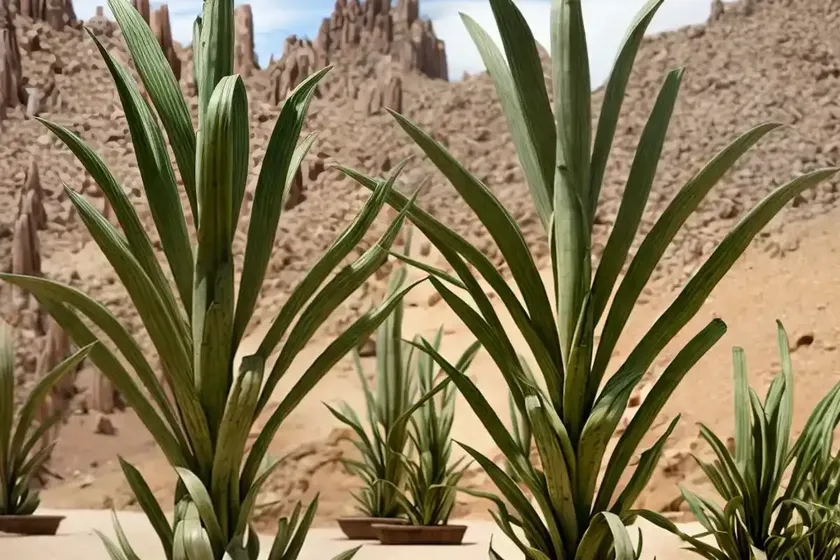
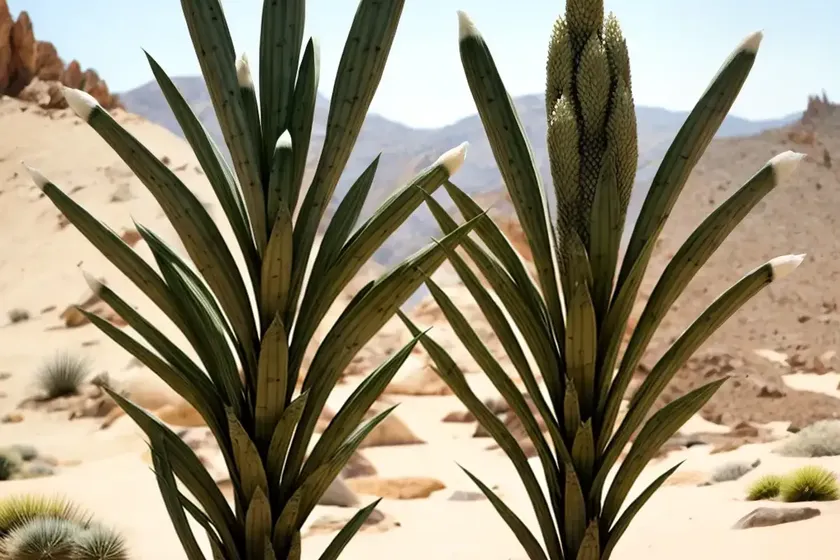
Yucca filamentosa, also known as Adam’s Needle or Needleleaf Yucca, is a strikingly beautiful and versatile plant that has been a favorite among gardeners and landscapers for centuries. This resilient and low-maintenance plant not only adds an exotic touch to any landscape but also offers a plethora of practical uses. In this comprehensive guide, we will delve into the fascinating world of Yucca filamentosa, exploring its culture, uses, care, and much more.
What is Yucca filamentosa?
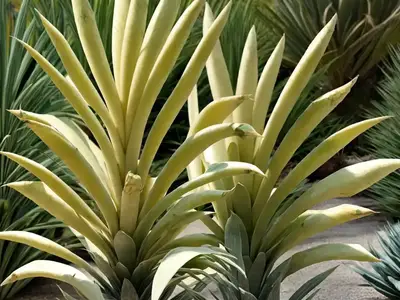
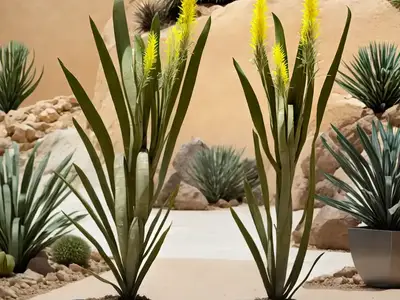
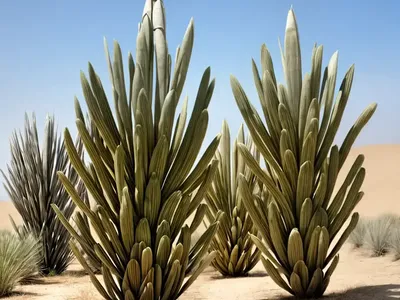
Yucca filamentosa is a perennial plant species native to the southeastern United States. Belonging to the Agavaceae family, this plant is characterized by its evergreen, sword-shaped leaves and tall, spiky flower stalks that bear creamy white, bell-shaped blossoms. Its striking appearance and adaptability to various climatic conditions make it a popular choice for both ornamental and practical purposes.
Key Takeaways – Yucca Filamentosa (Adam’s Needle)
Before we embark on an in-depth exploration of Yucca filamentosa, let’s highlight some key takeaways about this remarkable plant:
- Common Name: Adam’s Needle
- Scientific Name: Yucca filamentosa
- Family: Agavaceae
- Native Habitat: Southeastern United States
- Foliage: Evergreen, sword-shaped leaves
- Flowers: Creamy white, bell-shaped blossoms on tall stalks
- Uses: Ornamental, medicinal, culinary, and industrial
- Characteristics: Drought-tolerant, low-maintenance, and wildlife-attracting
- Hardiness: Thrives in USDA hardiness zones 4-11
- Popularity: Widely used in landscaping, xeriscaping, and container gardening
Now that we have established a basic understanding of this intriguing plant, let’s delve into the specifics of its culture, uses, care, and maintenance.
Culture
Yucca filamentosa is renowned for its adaptability to diverse cultural settings, making it a favorite among gardeners and landscapers. Understanding its cultural requirements is essential to ensure its optimal growth and development.
Water
- Established Plants: Once established, Yucca filamentosa is highly drought-tolerant and requires minimal watering. In most cases, natural rainfall is sufficient to meet its moisture needs.
- Young Plants: Newly planted Yucca filamentosa may benefit from regular watering until they establish a robust root system. However, it is crucial to avoid overwatering to prevent root rot and other moisture-related issues.
Sunlight
- Full Sun: Yucca filamentosa thrives in full sun and prefers at least 6 hours of direct sunlight per day. In regions with scorching summers, providing partial shade during the hottest part of the day can help prevent leaf scorch.
Fertilizer
- Minimal Fertilization: Yucca filamentosa is not heavy feeder and generally thrives in nutrient-poor soils. Applying a balanced, slow-release fertilizer in spring can support healthy growth, but excessive fertilization should be avoided.
Soil
- Well-draining Soil: Yucca filamentosa prefers well-draining, sandy or loamy soil. It is intolerant of waterlogged conditions, so ensuring proper drainage is crucial.
- Soil pH: Thrives in slightly acidic to slightly alkaline soil (pH 6.0-7.5).
Pruning
- Minimal Pruning: Yucca filamentosa requires minimal pruning, mainly for the removal of dead or damaged foliage and spent flower stalks. Be cautious when handling the sharp leaves to avoid injury.
Uses
Yucca filamentosa possesses a wide array of practical uses, ranging from ornamental landscaping to culinary and medicinal applications.
Ornamental
- Landscaping: Widely used in landscaping for its architectural appeal and low-maintenance nature. It can be employed in rock gardens, coastal gardens, and xeriscapes.
- Container Gardening: Well-suited for container cultivation, adding a touch of elegance to patios, decks, and indoor spaces.
- Wildlife Habitat: The flowers of Yucca filamentosa attract pollinators such as bees and butterflies, enhancing the biodiversity of the garden.
Medicinal
- Traditional Medicine: Various parts of the Yucca plant have been used in traditional Native American medicine to treat a range of ailments, including arthritis, skin conditions, and digestive issues.
Culinary
- Edible Flowers: The flowers of Yucca filamentosa are edible and can be used in salads, soups, and other culinary creations.
Industrial
- Fiber Production: The strong, durable fibers from the leaves of Yucca filamentosa have been traditionally used for making rope, baskets, and textiles.
Propagation
Yucca filamentosa can be propagated through several methods, allowing gardeners to expand their collection or share this remarkable plant with others.
- Divisions: Division of mature clumps in early spring can be an effective method of propagation.
- Seeds: Propagation from seeds is possible, but it may take several years for the plants to reach maturity and begin flowering.
Common Diseases
While Yucca filamentosa is generally resistant to most pests and diseases, it may occasionally encounter certain issues that warrant attention.
Disease Diagnosis
- Root Rot: Prolonged exposure to soggy or poorly drained soil can lead to root rot, characterized by wilting, yellowing foliage, and a foul odor from the roots.
- Leaf Spot: Fungal leaf spot diseases may occur under excessively moist conditions, causing circular, discolored lesions on the foliage.
Common Pests
Yucca filamentosa is relatively pest-resistant but may encounter occasional pest infestations that require management.
- Yucca Moth: The larvae of the yucca moth can infest the flowers of Yucca filamentosa, but they generally do not cause significant harm to the plant.
Botanist’s Tips
To ensure the thriving success of Yucca filamentosa in your garden, consider the following expert tips from botanists and experienced gardeners:
- Well-draining Soil: Ensure that the planting site offers excellent drainage to prevent waterlogging.
- Minimal Watering: Once established, allow the soil to dry out between watering to avoid overwatering.
- Full Sun: Position the plant in a location that receives ample sunlight for robust growth and flowering.
Fun Facts
Uncover some intriguing facts about Yucca filamentosa that add to its allure and fascination:
- The plant’s common name, “Adam’s Needle,” is derived from the sharp, needle-like tips of its leaves.
- Yucca filamentosa is the state flower of New Mexico, symbolizing friendship, strength, and purity.
- The flowers of Yucca filamentosa are pollinated exclusively by the yucca moth, demonstrating a remarkable example of mutualistic co-evolution.
Links to External Resources
For further exploration of Yucca filamentosa and its various aspects, here are some valuable external resources:
- Yucca Filamentosa: A Versatile Plant for Your Garden
- Landscaping with Yuccas: Explore the Possibilities
- Yucca Filamentosa: Ecological Significance and Ethnobotanical Uses
In conclusion, Yucca filamentosa, with its captivating beauty and myriad uses, stands as a testament to nature’s ingenuity. Whether adorning a garden bed, attracting wildlife, or serving practical purposes, this remarkable plant continues to captivate and inspire enthusiasts worldwide. By incorporating the insights and guidelines shared in this guide, you can unlock the full potential of Yucca filamentosa, embracing its enduring charm and remarkable versatility.
Remember, the journey of gardening is as enriching as the beauty it bestows, and with Yucca filamentosa gracing your landscape, that journey becomes all the more extraordinary.