Actaea Rubra (Red Baneberry)
In the intricate and fascinating world of plants, Actaea rubra, commonly known as Red Baneberry, stands out for its unique features, cultural significance.
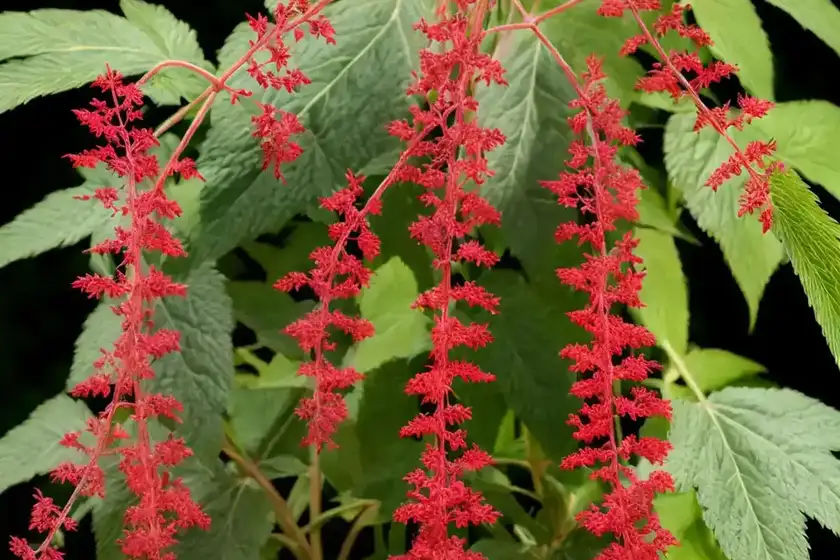
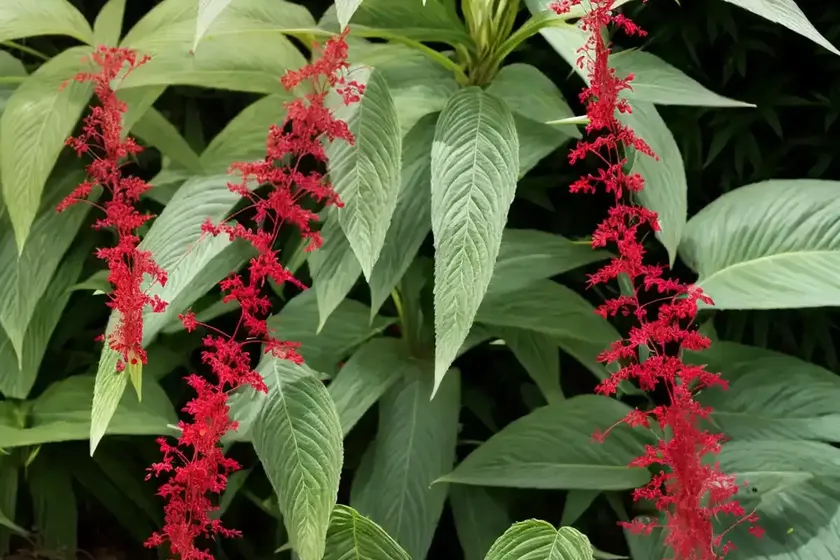
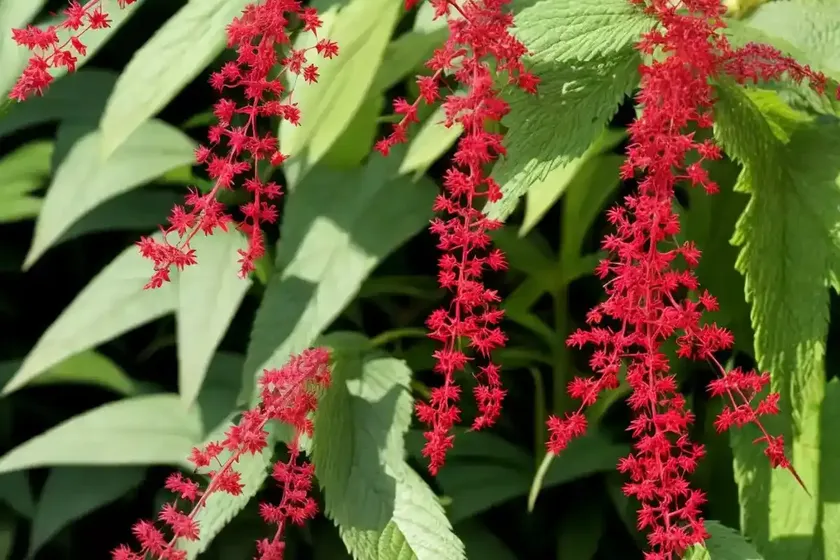
In the intricate and fascinating world of plants, Actaea rubra, commonly known as Red Baneberry, stands out for its unique features, cultural significance, and ecological importance. This blog post serves as a comprehensive guide to understanding every aspect of Actaea rubra, including its growth requirements, uses, folklore, and much more.
What is Actaea rubra (Red Baneberry)?
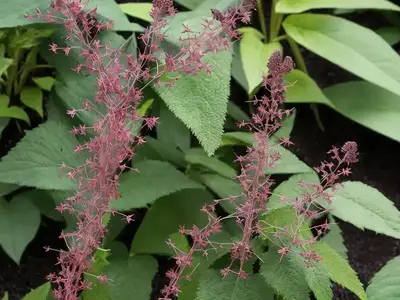
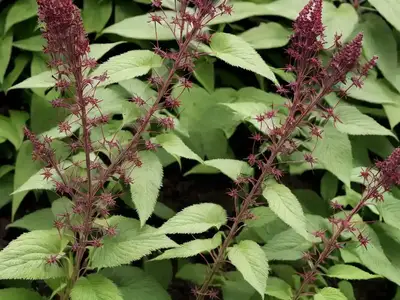
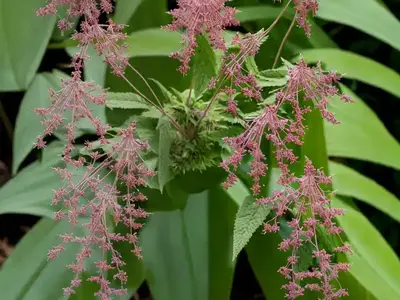
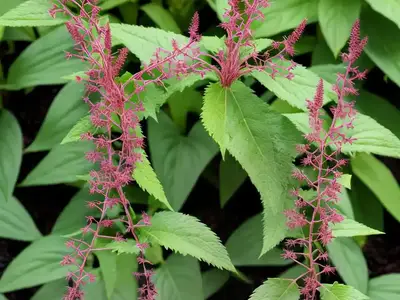
Actaea rubra, a member of the Ranunculaceae family, is a perennial herbaceous plant that is native to North America. This plant is renowned for its striking red or white berries, which are a prominent feature in woodland areas. The plant typically grows in rich, moist, and slightly acidic soils and can be found in diverse habitats, including forests, woodlands, and along streamsides.
Actaea rubra Uses
- Traditional Medicine: Actaea rubra has been used in traditional medicine by Native American tribes to address various health concerns, including rheumatism and headaches.
- Garden Design: Red Baneberry plants are often incorporated into garden designs for their unique foliage and berry display.
- Wildlife Habitat: This plant plays a significant role in providing habitat and food for wildlife, making it an essential component of ecosystems.
Red Baneberry Facts
- Scientific Name: Actaea rubra
- Family: Ranunculaceae
- Native Habitat: North America
- Common Names: Red Baneberry, Doll’s Eyes
- Berries: The plant produces clusters of small, shiny red or white berries that resemble doll’s eyes, hence the common name.
Key Takeaways – Actaea rubra (Red Baneberry)
Before delving into the specific characteristics and requirements of Actaea rubra, let’s explore the key takeaways for this unique plant. These takeaways offer a glimpse into the diverse facets of Red Baneberry and the significance it holds in various aspects of human and natural life.
Cultural Significance
Actaea rubra holds significant cultural and ecological importance, with its presence and uses embedded in traditional practices, folklore, and ecological systems.
Ecological Role
As a native plant species, Red Baneberry plays a crucial ecological role by providing food and habitat for wildlife, contributing to the overall biodiversity of its native habitat.
Medicinal Uses
The plant has historical and current uses in traditional medicine, showcasing its potential health benefits and medicinal properties.
Unique Aesthetic Appeal
With its distinct foliage and vibrant berries, Actaea rubra adds a unique and captivating visual element to gardens and natural landscapes.
With these key takeaways in mind, let’s explore the specific aspects of Actaea rubra in detail, ranging from its cultivation requirements to its ecological value and unique folklore.
Actaea rubra (Red Baneberry) in Detail
Culture
The cultural significance of Actaea rubra extends beyond its ecological role and practical uses. This section delves into the cultural and traditional significance of the plant, shedding light on its folklore, symbolism, and ethnobotanical uses.
Folklore and Mythology
Actaea rubra holds a prominent place in folklore and mythology, with various cultures attributing different symbolism and beliefs to the plant. In some traditions, the berries are associated with protective qualities, while in others, they symbolize danger and caution.
Cultural Practices and Traditional Uses
Throughout history, different cultures have utilized Red Baneberry for various purposes, including medicinal, ritualistic, and decorative practices. These traditional uses reflect the diverse ways in which humans have interacted with and valued this plant.
Uses
Understanding the practical uses of Actaea rubra is essential in appreciating the plant’s versatility and impact on human well-being, ecological systems, and aesthetic pursuits. This section outlines the diverse applications of Red Baneberry, encompassing its uses in traditional medicine, garden design, and wildlife management.
Traditional Medicine
The historical and contemporary uses of Actaea rubra in traditional medicine highlight its potential health benefits and medicinal properties. From treating specific ailments to addressing broader health concerns, the plant’s uses in traditional medicine offer insights into its therapeutic potential.
Garden Design and Landscaping
Red Baneberry’s aesthetic appeal and unique foliage make it a valuable addition to garden designs and landscaping projects. Whether used for its striking berries or distinct leaf structure, the plant enhances visual interest and diversity in various outdoor settings.
Wildlife Habitat and Conservation
As a significant component of native ecosystems, Actaea rubra contributes to wildlife habitat and conservation efforts. Its provision of food and shelter for wildlife species underscores its importance in supporting and maintaining biodiversity.
Water, Sunlight, and Soil Requirements
To cultivate Actaea rubra successfully, it is crucial to understand its specific requirements for water, sunlight, and soil. By meeting these growth conditions, the plant can thrive and express its full potential in garden settings and natural habitats.
Water
Actaea rubra thrives in moist, well-drained soil conditions, indicating its preference for consistent soil moisture. While the plant benefits from adequate hydration, it is essential to avoid waterlogged or excessively wet soil, which can lead to root rot and other issues.
Sunlight
Red Baneberry tends to prefer partial to full shade, especially in regions with warmer climates. Protecting the plant from intense, direct sunlight can prevent leaf scorch and maintain its overall health and vigor.
Soil
The ideal soil for Actaea rubra cultivation is rich, slightly acidic, and well-drained. These soil characteristics support the plant’s growth and development, ensuring that it receives the necessary nutrients and moisture for optimal performance.
Fertilizer and Pruning
Applying appropriate fertilization techniques and implementing pruning practices are essential aspects of Actaea rubra care. By addressing the plant’s fertilizer needs and understanding the benefits of proper pruning, enthusiasts can foster healthy and flourishing Red Baneberry specimens.
Fertilizer
When considering fertilization for Actaea rubra, organic, balanced fertilizers can provide the necessary nutrients without causing excessive soil disturbance or nutrient imbalances. Incorporating compost or organic matter can also support the plant’s growth without relying solely on synthetic fertilizers.
Pruning
Pruning Red Baneberry primarily involves removing dead or damaged foliage and stems to maintain the plant’s overall health and appearance. Additionally, diligent pruning can help manage the plant’s size and prevent overcrowding, promoting better airflow and light penetration.
Propagation and Container Cultivation
Understanding the methods of propagation and the potential for container cultivation is crucial for expanding the presence of Actaea rubra in various settings. By exploring propagation techniques and container considerations, individuals can engage with the plant on a more hands-on level and explore innovative gardening approaches.
Propagation Methods
Actaea rubra can be propagated through seeds or division, offering enthusiasts different pathways for expanding their plant collections or establishing new specimens. These propagation methods enable individuals to actively participate in the plant’s lifecycle and dissemination.
Container Cultivation
For those interested in container gardening or limited outdoor space, Actaea rubra can thrive in suitable containers, provided they meet the plant’s growth requirements. Container cultivation expands the possibilities for incorporating Red Baneberry into diverse environments and settings, offering flexibility in garden design.
Common Diseases and Pest Management
As with any plant species, Actaea rubra is susceptible to certain diseases and pests that can impact its health and vitality. Understanding common diseases and implementing effective pest management strategies are essential for preserving the plant’s well-being and ensuring its long-term success.
Disease Diagnosis
Red Baneberry may be prone to fungal diseases, such as powdery mildew, which can affect its foliage and overall appearance. Timely diagnosis and appropriate treatment can help prevent the spread of diseases and mitigate their impact on the plant’s health.
Common Pests
Pests such as aphids and spider mites can pose threats to Actaea rubra, potentially causing damage to its leaves and other plant parts. Implementing integrated pest management practices can help mitigate pest pressures and preserve the plant’s vitality.
Botanist’s Tips and Fun Facts
Enthusiasts and professionals alike can benefit from expert advice and intriguing facts related to Actaea rubra. This section highlights helpful tips from botanists and presents engaging and educational fun facts about the plant, offering a well-rounded perspective on Red Baneberry.
Botanist’s Tips
- Planting Depth: When planting Actaea rubra, ensure that the crown is at the appropriate soil level to promote healthy growth and establishment.
- Mulching: Applying a layer of organic mulch around the base of the plant can help conserve moisture and create favorable growing conditions.
Fun Facts
- The berries of Actaea rubra are toxic to humans and many animals, earning the plant its distinctive common name, “Doll’s Eyes.”
- Red Baneberry’s striking appearance makes it a popular choice for woodland and shade gardens, adding visual interest and diversity to these settings.
Conclusion
Actaea rubra, or Red Baneberry, embodies a rich tapestry of cultural significance, ecological value, and practical uses, making it a plant of multifaceted importance. From its roles in traditional medicine and garden design to its contributions to wildlife habitat and conservation, the plant’s reach is diverse and far-reaching.
By understanding Actaea rubra’s growth requirements, folklore, and unique characteristics, individuals can forge meaningful connections with the plant, enriching their gardening experiences and ecological stewardship. This comprehensive guide aims to provide a holistic understanding of Red Baneberry, empowering individuals to appreciate and engage with this remarkable plant in various contexts.
References
- Butler, J. L., M. C. Evans, and H. Grise. “Actaea Rubra.” Actaea Rubra. Lady Bird Johnson Wildflower Center – The University of Texas at Austin, 2006. https://www.wildflower.org/plants/result.php?id_plant=ACRU
- Stritch, L., K. Sorber, and L. Bryant. “Conservation Assessment for Red Baneberry (Actaea rubra) L.” USDA Forest Service, Eastern Region (R9), 2012. https://www.fs.fed.us/r9/wfsa/assessments/RedBaneberry.pdf
- “Actaea rubra.” Missouri Botanical Garden, n.d. http://www.missouribotanicalgarden.org/PlantFinder/PlantFinderDetails.aspx?kempercode=h360
- Zomlefer, Wendy B. Guide to Flowering Plant Families. Chapel Hill: The University of North Carolina Press, 2009. ISBN-13: 978-0807853471
Disclaimer: This blog post contains general information about Actaea rubra and should not be considered as professional advice. For specific guidance regarding plant care, cultivation, and usage, it is recommended to consult with qualified experts and reference authoritative sources.