Actaea Simplex (Atropurpurea Group) ‘Black Negligee’ (Baneberry)
Introduction Actaea simplex (Atropurpurea Group) ‘Black Negligee’ is a stunning shade-loving perennial plant that is known for its ornamental value and.
Introduction
Actaea simplex (Atropurpurea Group) ‘Black Negligee’ is a stunning shade-loving perennial plant that is known for its ornamental value and dark, dramatic foliage. In this comprehensive guide, we will explore the culture, uses, care, and propagation of this unique plant. Whether you are a seasoned gardener or a novice plant enthusiast, this article will provide you with valuable insights into the world of Actaea simplex ‘Black Negligee’.
Key Takeaways – Actaea simplex (Atropurpurea Group) ‘Black Negligee’ (Baneberry)
Before delving into the details, let’s take a quick look at the key takeaways regarding Actaea simplex ‘Black Negligee’:
– It belongs to the Atropurpurea Group and is a variety of Actaea simplex.
– This perennial plant has black, lacy foliage and produces white flowers in late summer.
– Actaea simplex ‘Black Negligee’ is suitable for shade gardens and adds a touch of elegance to any landscape.
– Proper care involves attention to watering, sunlight, soil, fertilizer, and pruning.
– Disease resistance and pest control are important aspects of maintaining the health of this plant.
– Propagation can be done through division or seed collection, and it is often grown in containers for easy management.
Now, let’s delve deeper into the various aspects of Actaea simplex ‘Black Negligee’.
What is Actaea simplex (Atropurpurea Group) ‘Black Negligee’?
Actaea simplex, commonly known as baneberry, is a species of flowering plant belonging to the Ranunculaceae family. Within the Actaea simplex species, the Atropurpurea Group includes several varieties with dark foliage, and ‘Black Negligee’ is one of the most popular among them.
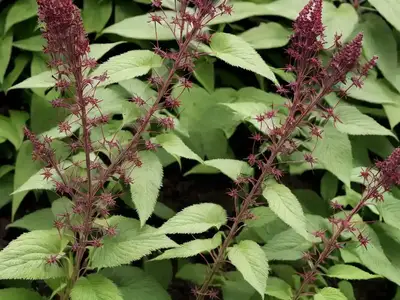
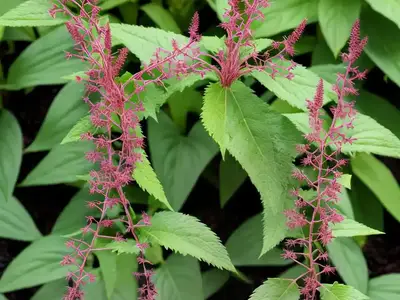
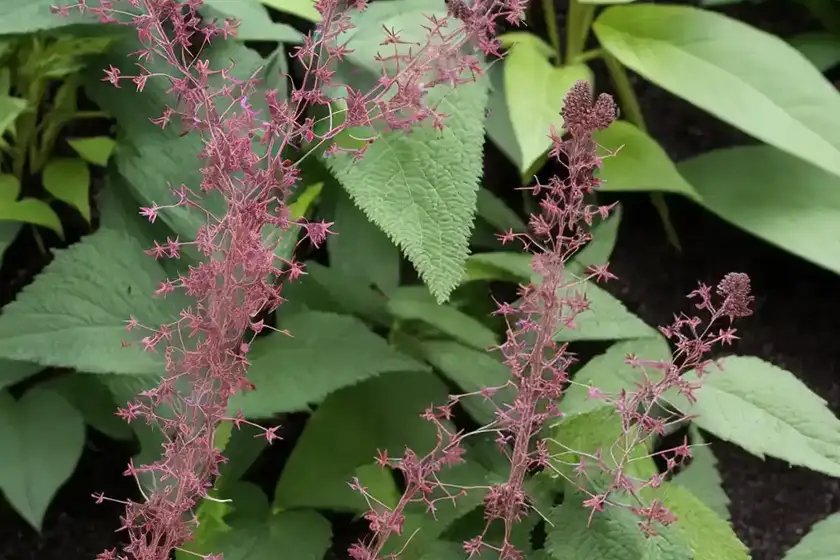
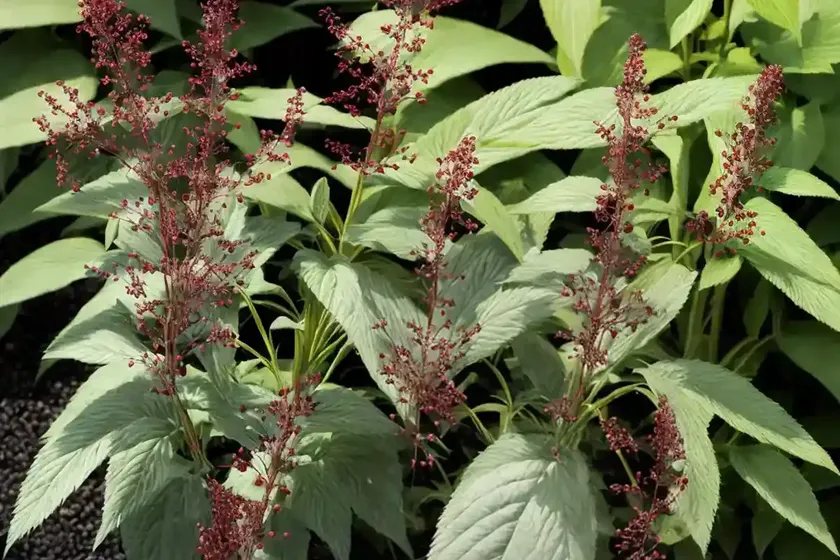
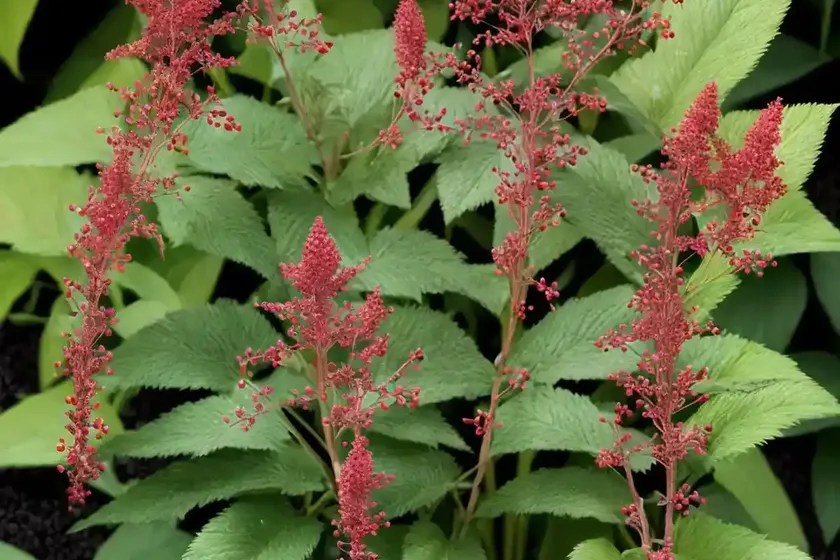
Actaea simplex ‘Black Negligee’ is a herbaceous perennial that typically grows to a height of 2-3 feet. Its most distinctive feature is its deep purple to almost black, finely divided foliage, which creates a striking visual contrast in the shade garden. In late summer, it produces delicate, white, bottlebrush-like flowers on tall, slender stems, adding a touch of elegance to its already dramatic appearance. These flowers give way to attractive clusters of black berries in the fall, further enhancing the ornamental appeal of the plant.
Culture
Uses
- Ornamental Value: Actaea simplex ‘Black Negligee’ is primarily grown for its ornamental value. The dark foliage and unique form of the plant make it a standout in shade gardens and woodland landscapes.
- Wildlife Attraction: While the berries of ‘Black Negligee’ are not suitable for human consumption, they are attractive to birds and other wildlife, making it a valuable addition for wildlife-friendly gardens.
Water
Proper watering is essential for the health and vitality of Actaea simplex ‘Black Negligee’. Here are some key points to consider:
– Moisture Requirements: The plant thrives in consistently moist, well-draining soil. It is important to maintain a regular watering schedule, especially during dry periods, to support healthy growth.
– Avoid Waterlogging: While ‘Black Negligee’ prefers moist conditions, it is important to avoid waterlogging, as overly wet soil can lead to root rot and other issues.
Sunlight
Actaea simplex ‘Black Negligee’ is well-adapted to shade and partial shade conditions. When considering its sunlight requirements, keep the following in mind:
– Ideal Light Conditions: The plant flourishes in dappled or partial shade, making it an excellent choice for shaded gardens or under the canopy of trees.
– Avoiding Harsh Sun: ‘Black Negligee’ should be protected from intense, direct sunlight, especially during the hottest parts of the day.
Fertilizer
Proper fertilization ensures that Actaea simplex ‘Black Negligee’ receives the necessary nutrients for healthy growth and development. Consider the following points when fertilizing this plant:
– Organic Matter: Amending the soil with organic matter such as compost or well-rotted manure can provide a balanced source of nutrients and improve soil structure.
– Controlled-Release Fertilizer: A balanced, controlled-release fertilizer applied in early spring can support the plant’s growth throughout the growing season without the risk of over-fertilization.
Soil
The choice of soil and its preparation play a crucial role in the long-term health and vigor of Actaea simplex ‘Black Negligee’. Here are some important considerations:
– Soil Type: Well-draining, humus-rich soil is ideal for this plant. It should retain moisture without becoming waterlogged, offering an optimal balance of aeration and moisture retention.
– pH Levels: The soil pH should be slightly acidic to neutral (pH 6.0-7.0), as this range provides an environment where the plant can access essential nutrients with ease.
Pruning
Pruning is an important aspect of maintaining the appearance and health of Actaea simplex ‘Black Negligee’. Consider the following guidelines when planning the pruning regimen for this plant:
– Deadheading: Removing spent flowers before the seed formation stage can promote continued flowering and prevent the plant from directing energy towards seed production.
– Spring Pruning: In early spring, removing any dead or damaged stems and thinning out overcrowded growth can help improve air circulation and overall plant health.
Propagation
Actaea simplex ‘Black Negligee’ can be propagated through several methods, which include:
– Division: Dividing established clumps in early spring is an effective way to propagate ‘Black Negligee’ and can help rejuvenate crowded plants.
– Seed Collection: Collecting seeds from the berries and sowing them in a prepared seedbed can be a rewarding way to propagate this plant, though it requires patience due to the relatively slow growth from seeds.
Container Popularity
Actaea simplex ‘Black Negligee’ is well-suited for container gardening, particularly for individuals with limited outdoor space or those looking to add unique ornamental accents to their decks, patios, or balconies. Its adaptability to shade and its striking appearance make it an attractive choice for container cultivation.
Container Considerations
When growing ‘Black Negligee’ in containers, keep the following aspects in mind:
– Container Size: Use a spacious container that provides ample room for root development and stability for the mature plant.
– Well-Draining Soil: Ensure that the container has proper drainage and use a well-draining potting mix to prevent waterlogging.
– Shaded Placement: Position the container in a shaded or partially shaded area to provide the ideal light conditions for the plant.
Common Diseases
While Actaea simplex ‘Black Negligee’ is relatively resistant to most diseases, it can still be susceptible to certain issues, particularly when grown in unfavorable conditions.
Disease Diagnosis
Some common diseases of ‘Black Negligee’ include:
1. Powdery Mildew: Fungal disease that leads to a white, powdery coating on the leaves. It can be managed through proper air circulation and fungicidal treatments if necessary.
2. Leaf Spot: Fungal infection that causes brown or black spots on the leaves. Removing and disposing of infected plant material and applying fungicidal treatments can help control the spread of the disease.
Common Pests
Actaea simplex ‘Black Negligee’ may encounter some pests, but with proper care and vigilance, pest-related issues can be effectively managed.
Pests Control
Common pests that may affect ‘Black Negligee’ include:
– Aphids: Small, sap-sucking insects that can be controlled through the use of insecticidal soap or horticultural oils.
– Slugs and Snails: These pests can cause damage to foliage and are best managed through physical removal and the use of barriers or slug-repelling methods.
Botanist’s Tips
As a plant scientist, I offer the following tips for growing and caring for Actaea simplex (Atropurpurea Group) ‘Black Negligee’:
1. Soil Preparation: Prior to planting, ensure that the soil is well-prepared with organic matter and has good drainage to create an optimal environment for the plant’s root system.
2. Mulching: Applying a layer of organic mulch around the base of the plant can help conserve moisture, regulate soil temperature, and suppress weed growth.
3. Companion Planting: Consider companion planting with other shade-tolerant perennials to create visually appealing combinations and support a diverse garden ecosystem.
Fun Facts
- Actaea simplex ‘Black Negligee’ is known for its historical use in traditional medicine, though it is important to note that the plant’s berries are toxic and should not be ingested.
- The dark foliage of ‘Black Negligee’ provides an elegant backdrop for lighter-colored companion plants, creating visually striking garden compositions.
- Actaea simplex is also known by the common names of baneberry and bugbane, reflecting both its toxic properties and its historical use as an insect repellent.
Links to External Resources
For further information on Actaea simplex (Atropurpurea Group) ‘Black Negligee’ and related topics, explore the following resources:
– Royal Horticultural Society: Actaea simplex ‘Black Negligee’
– University of Florida IFAS Extension: Baneberry
– North Carolina State University Extension: Actaea simplex
– Missouri Botanical Garden: Actaea simplex Atropurpurea Group
In conclusion, Actaea simplex (Atropurpurea Group) ‘Black Negligee’ is a captivating addition to shade gardens and offers a unique combination of dark foliage and delicate white flowers. By understanding its cultural requirements, disease and pest management, and propagation methods, gardeners can successfully cultivate and enjoy the beauty of this shade-loving perennial. Whether used as a focal point in a woodland garden or as an accent in a container, ‘Black Negligee’ adds a touch of elegance and drama to any landscape.