Acer Rubrum (Red Maple)
Acer rubrum, commonly known as the Red Maple, is a vibrant and iconic tree species that can be found throughout North America. As a plant scientist, it’s.
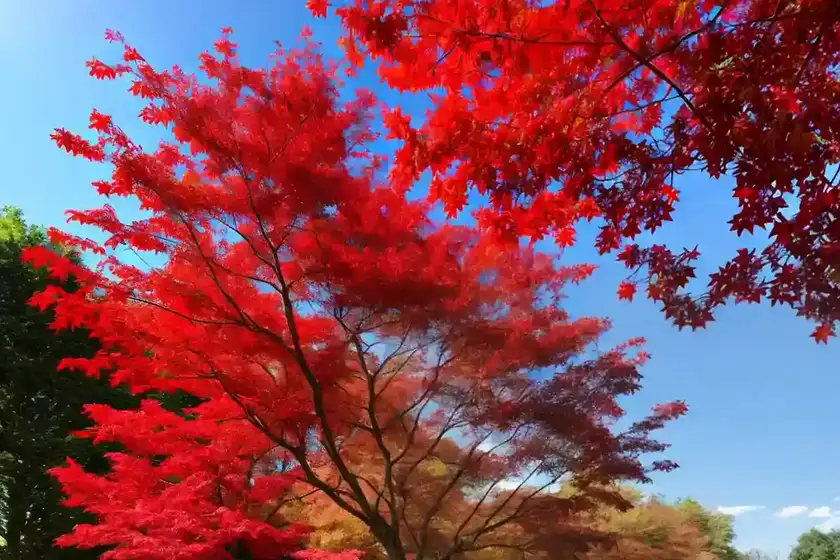
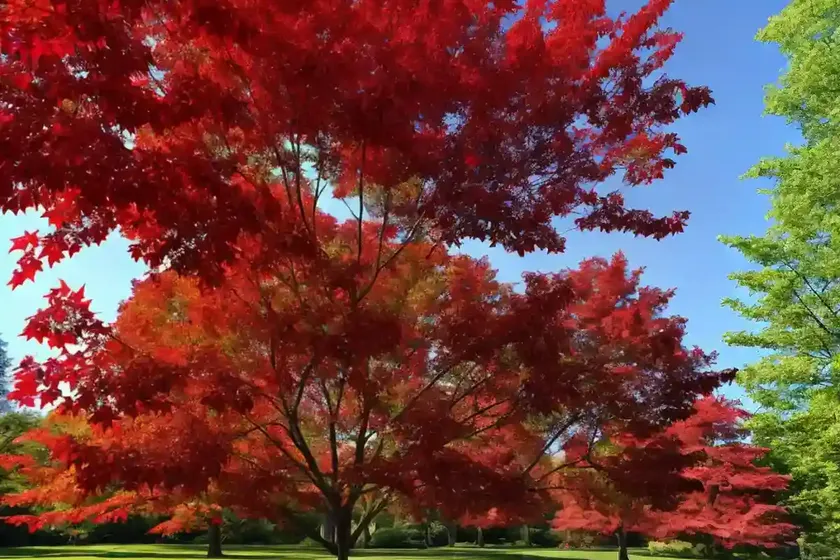
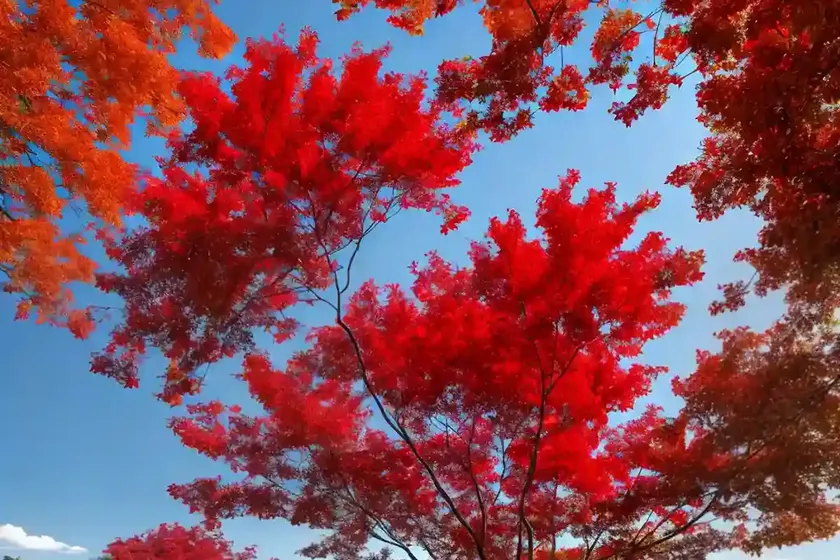
Acer rubrum, commonly known as the Red Maple, is a vibrant and iconic tree species that can be found throughout North America. As a plant scientist, it’s my pleasure to provide an in-depth exploration of this fascinating tree, covering everything from its cultural considerations and uses to its preferred environmental conditions and management. In this comprehensive guide, we will delve into the essential aspects of Red Maple tree cultivation and maintenance.
What is Acer Rubrum (Red Maple)?
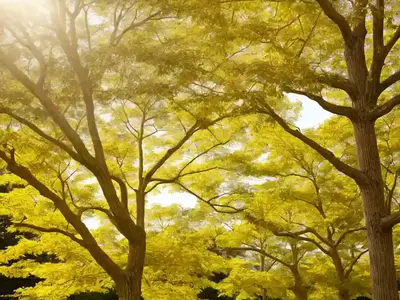
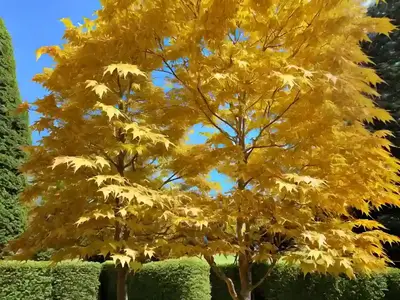
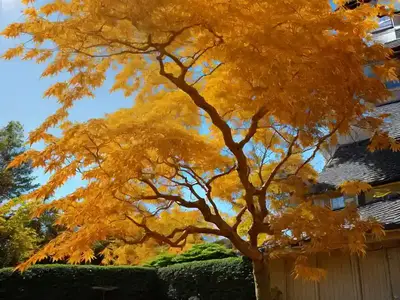
Acer rubrum, widely known as the Red Maple, is a deciduous tree species belonging to the family Sapindaceae. It is native to eastern North America and is particularly abundant in the northeastern United States and southeastern Canada. The Red Maple is celebrated for its striking red flowers, twigs, and seeds as well as its stunning display of autumn foliage, making it a beloved choice for landscaping and ornamental purposes.
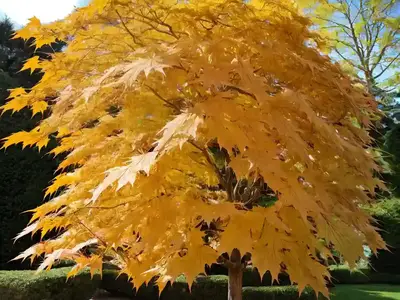
This medium to large-sized tree typically reaches heights of 40 to 60 feet, with exceptional specimens reaching up to 100 feet in height. Its noteworthy features include its distinctive three-lobed leaves, which vary from green to vibrant red throughout the year, and its aesthetically pleasing red-tinged bark, particularly in young trees.
Key Takeaways – Acer Rubrum (Red Maple)
The Red Maple (Acer rubrum) is renowned for its remarkable characteristics and diverse uses. Here are the key takeaways regarding the Red Maple tree, encompassing its culture, uses, environmental requirements, and maintenance.
Culture
- The Red Maple thrives in diverse cultural conditions, ranging from urban landscapes to natural habitats.
- Its adaptability to different soil types and moisture levels makes it an excellent choice for various planting locations.
Uses
- Acer rubrum serves multiple purposes, including providing shade, ornamental landscaping, and supporting local wildlife.
- Its wood has commercial value and can be used for furniture, flooring, and other woodworking applications.
Links to External Resources
As we delve into the detailed exploration of Acer rubrum, we are going to cover each of the aforementioned aspects to provide a comprehensive understanding of this remarkable tree species.
Let’s embark on our journey to explore the captivating world of Acer rubrum.
Culture
The cultural adaptability of Acer rubrum is one of its most noteworthy attributes. This versatile tree species displays a remarkable ability to thrive in a wide range of environmental conditions, making it a popular choice for various landscapes and settings.
Urban Planting
Red Maples are often utilized in urban and suburban environments due to their adaptability to urban conditions. They can withstand pollution, compacted soils, and heat stress, making them valuable assets for urban forestry and greening initiatives. Additionally, their vibrant foliage and attractive appearance enhance the aesthetic appeal of urban landscapes, contributing to a more pleasant and visually appealing urban environment.
Native Habitats
In its natural habitat, Acer rubrum tends to thrive in moist, well-drained soils. It can be found in low-lying areas, along riverbanks, and in mixed hardwood forests. The species exhibits adaptability to a variety of soil types, including loamy, clayey, and sandy soils. This adaptability enables it to thrive in diverse ecosystems, from wetlands to upland forests.
Landscape Design
When strategically incorporated into landscape design, the Red Maple offers vibrant foliage and striking seasonal changes that enhance the visual appeal of residential, commercial, and public spaces. Its diverse growth habits make it suitable for a range of landscaping purposes, including shade trees and ornamental focal points.
Given its adaptability to different soil types and moisture levels, Acer rubrum is often used for reforestation and restoration projects, contributing to ecosystem resilience and biodiversity conservation.
Uses
The Red Maple boasts a wide array of uses, ranging from ornamental landscaping and wildlife support to commercial applications and ecosystem restoration.
Shade and Ornamental Planting
One of the primary uses of Acer rubrum is for shade and ornamental planting. Its wide-spreading, dense canopy provides ample shade, making it an ideal tree for parks, residential gardens, and recreational spaces. Its vibrant foliage and striking foliage transformation during the fall season make it a visually appealing choice for ornamental planting, adding color and visual interest to landscapes.
Wildlife Support
The Red Maple plays a vital role in supporting local wildlife. Its flowers provide nectar for pollinators, such as bees and butterflies, and its seeds offer a food source for birds and small mammals. Additionally, the dense foliage and branching structure provide habitats for nesting birds and small animals, contributing to local ecosystem diversity and stability.
Wood and Commercial Uses
Acer rubrum wood possesses commercial value and is utilized in various woodworking applications. Its wood is often used for furniture, flooring, and decorative wood products due to its attractive grain patterns and workability. The species’ commercial significance extends to the horticultural industry, where cultivated varieties of Acer rubrum are valued for their ornamental characteristics and landscaping appeal.
Ecosystem Restoration
Due to its adaptability and resilience, Red Maple is employed in ecosystem restoration and reforestation initiatives. It is utilized to restore degraded wetlands, riparian zones, and forested landscapes, contributing to the conservation and rehabilitation of vital ecosystems.
Environmental Requirements
Ensuring that Acer rubrum is provided with the appropriate environmental conditions is essential for its optimal growth and development. Here, we will explore the tree’s water, sunlight, and soil requirements, as well as considerations for fertilization and maintenance.
Water
Acer rubrum demonstrates a moderate to high water requirement, particularly during its establishment phase and periods of drought. While the species exhibits tolerance to occasional flooding, it thrives in moist, well-drained soils. Adequate soil moisture is vital for the tree’s health and vigor, especially during its formative years.
When planting Red Maple trees, it is crucial to consider the moisture regime of the chosen site and provide supplementary irrigation if necessary to ensure optimal growth and establishment. As the tree matures, it becomes more tolerant of varying moisture conditions, but consistent watering during dry spells can promote overall health and vitality.
Sunlight
The Red Maple thrives in a range of sunlight conditions, encompassing full sun to partial shade. While it prefers full sunlight for robust growth and vibrant foliage coloration, it exhibits adaptability to partial shade, making it suitable for a variety of planting locations, including open landscapes and forest understories.
When selecting a planting site for Acer rubrum, it is essential to consider its sunlight requirements and ensure that the chosen location provides the adequate light levels for the species’ growth and development.
Fertilizer
Although Acer rubrum is adaptable to a range of soil types and fertility levels, providing supplementary fertilization can enhance its growth and overall health, particularly in nutrient-deficient soils. A balanced, slow-release fertilizer applied during the tree’s active growth period can provide the essential nutrients for optimal performance.
When fertilizing Red Maple trees, it is important to consider soil composition, nutrient deficiencies, and the tree’s specific requirements to avoid over-fertilization and potential adverse effects on the tree’s health. Consulting a professional arborist or horticulturist for soil testing and fertility assessment can aid in determining the appropriate fertilization regimen for Acer rubrum.
Maintenance
Maintaining the optimal soil conditions, proper pruning techniques, and effective propagation methods are essential for promoting the long-term health and growth of Acer rubrum. Here, we will delve into the soil considerations, pruning practices, and propagation techniques for Red Maple trees.
Soil
Acer rubrum is adaptable to various soil types, including loamy, sandy, and clayey soils. However, it thrives in moist, well-drained soils with a slightly acidic to neutral pH range. When planting Red Maple trees, it is beneficial to provide fertile, well-drained soil to facilitate optimal root establishment and growth. Amending the planting site with organic matter and ensuring proper soil drainage can contribute to the tree’s long-term health and vigor.
To maintain the desirable soil conditions for Acer rubrum, regular soil assessments, and potential amendments can aid in addressing nutrient deficiencies and enhancing soil fertility. Furthermore, mulching the tree’s root zone can help conserve soil moisture, suppress weed growth, and promote overall soil health.
Pruning
Pruning is an essential aspect of Red Maple tree maintenance, contributing to healthy growth, structural integrity, and aesthetic appeal. Proper pruning practices can help manage the tree’s form, address structural issues, and remove damaged or diseased branches.
When pruning Acer rubrum, it is important to adhere to best practices to minimize potential damage and promote rapid wound closure. Pruning during the tree’s dormant season, proper tool sterilization, and selective branch removal based on the tree’s growth habits can contribute to successful pruning outcomes.
Propagation
Acer rubrum can be propagated through various methods, including seed propagation, grafting, and cutting propagation. Seed propagation is commonly employed for creating diverse cultivars and new selections of Red Maple, while grafting techniques are used to preserve specific traits and characteristics. Cutting propagation enables the production of genetically identical clones through vegetative propagation methods.
When propagating Red Maple trees, it is essential to consider the desired traits, propagation methods, and environmental conditions to ensure successful propagation outcomes. Monitoring propagation media moisture, temperature, and light levels can aid in promoting healthy root development and overall propagation success.
Common Diseases and Pests
Despite its resilience, Acer rubrum is susceptible to certain diseases and pests that can affect its health and vigor. Here, we will explore the common diseases, pest issues, and strategies for diagnosing and managing potential threats to Red Maple trees.
Diseases
Red Maple trees can be affected by various diseases that impact their foliage, stem, and overall health. Common diseases that affect Acer rubrum include:
-
Anthracnose: A fungal disease that causes leaf spots, defoliation, and twig dieback, particularly during periods of high moisture and humidity. Anthracnose can affect the tree’s aesthetic appeal and foliar health, necessitating appropriate management strategies.
-
Leaf Spot Diseases: Several fungal pathogens can cause leaf spot diseases in Red Maple, resulting in leaf discoloration, lesions, and premature defoliation. Proper sanitation, cultural practices, and fungicidal treatments can aid in managing leaf spot diseases and preserving the tree’s foliage.
-
Verticillium Wilt: A soil-borne fungal disease that can lead to wilting, leaf necrosis, and vascular discoloration in affected trees. Verticillium wilt can pose significant threats to Red Maple trees, requiring vigilant monitoring, soil health management, and potential disease-resistant cultivar selection.
Pests
Acer rubrum is susceptible to various pest issues that can impact its foliage and overall vigor. Common pests that affect Red Maple trees include:
-
Scale Insects: These sap-feeding insects can infest Red Maple trees, causing leaf yellowing, honeydew production, and plant stress. Control measures, such as horticultural oil applications and biological control agents, can aid in managing scale insect populations.
-
Caterpillars: Several caterpillar species, such as gypsy moths and tent caterpillars, can defoliate Red Maple trees, leading to aesthetic damage and potential stress on the tree’s health. Monitoring infestations and applying targeted insecticides can aid in managing caterpillar populations and preserving the tree’s foliage.
-
Borers: Wood-boring insects, including flatheaded borers and clearwing moths, can infest the stems and branches of Red Maple trees, causing structural damage and potential decline. Proper cultural practices, tree vigor maintenance, and early pest detection can aid in managing borer infestations and preserving the tree’s structural integrity.
Botanist’s Tips
Inhancing plants’ communication skills is key to understanding their motivations, history, and unique features. Here are some important tips when it comes to Acer rubrum, the Red Maple:
- Enriched Planting Mobile nutrients sustain healthier, vibrant colors in foliage.
- Height Control Establish practices that promote moderate vertical growth, minimizing stress and maximizing foliage health.
- Practical Watering Maintain an efficient watering schedule to reduce foliar diseases associated with excessive moisture and humidity.
- Sun Protection Young plants are often resistant to full sunlight, so introduce Sun Protection slowly to plants in the incubation stage.
- Fertilizer Nourishment Explore a balanced nutrient delivery system that supports overall plant strength, fortifying against common natural conditions.
- Prune Strategically Encourage the growth of healthy branches by pruning effectively, specifically targeting weak or diseased limbs.
- Regenerate Soil Establish active efforts to rejuvenate the natural soil balance, proactively preparing against nutrient deficiencies.
Fun Facts
The Red Maple offers a multitude of fascinating characteristics and historical significance. Here are some fun facts about Acer rubrum:
-
Symbolic Significance: The Red Maple is the state tree of Rhode Island. It is also a prominent species in the northeastern United States, symbolizing strength, resilience, and natural beauty.
-
Ecological Impact: Acer rubrum serves as a vital food and nesting resource for numerous bird species, contributing to local ecosystem health and biodiversity. Its vibrant foliage provides visual charm and seasonal interest, enriching natural landscapes and urban environments alike.
-
Fall Foliage Spectacle: The Red Maple is renowned for its spectacular autumn display, featuring vibrant shades of red, orange, and yellow. The tree’s striking foliage transformation captivates observers and marks the transition into the fall season with a breathtaking display of natural artistry.
-
Landscape Diversity: Acer rubrum encompasses a broad range of cultivars and selections, offering diverse leaf shapes, colors, and growth habits for horticultural and landscaping applications. These unique varieties enable the tree to adapt to various environments and design preferences, enhancing its visual impact and ornamental value.
Links to External Resources
For further exploration of Acer rubrum and its cultural, environmental, and management aspects, the following external resources provide valuable insights and information:
- USDA Plants Database – Acer rubrum
- University of Florida IFAS Extension – Red Maple
- The Morton Arboretum – Red Maple (Acer rubrum)
- Missouri Botanical Garden – Acer rubrum
Conclusion
As we conclude our comprehensive guide to Acer rubrum, the Red Maple, we have gained insight into its cultural significance, diverse uses, environmental requirements, and management practices. From its adaptable nature to its ornamental value and ecological contributions, the Red Maple stands as a remarkable tree species with substantial botanical and horticultural significance.
Through careful consideration of its cultural, environmental, and maintenance aspects, Acer rubrum can thrive in a variety of landscapes and settings, enriching natural environments and human experiences with its striking beauty and ecological contributions.
I hope this guide serves as a valuable resource for understanding and appreciating the distinct features and cultural significance of Acer rubrum, the Red Maple.
As we continue to explore the diverse world of plant species, I encourage you to engage with the natural world and discover the unique characteristics and ecological roles of trees and plants in our environment.
Happy planting and exploration!
This comprehensive guide to Acer rubrum, the Red Maple, provides a thorough exploration of the tree’s cultural significance, uses, environmental requirements, and management. From its adaptable nature to its ornamental value and ecological contributions, the Red Maple stands as a remarkable tree species with substantial botanical and horticultural significance.