Acer Platanoides (Norway Maple)
Acer platanoides, commonly known as the Norway Maple, is a popular deciduous tree that is native to eastern and central Europe. This tree is widely.


Acer platanoides, commonly known as the Norway Maple, is a popular deciduous tree that is native to eastern and central Europe. This tree is widely cultivated for its attractive foliage and adaptability to a variety of growing conditions. In this comprehensive guide, we will explore the characteristics, cultivation, care, and common issues associated with Acer platanoides, providing plant enthusiasts and horticulturists with valuable insights into the world of this fascinating tree.
What is Plant Acer platanoides (Norway Maple)?
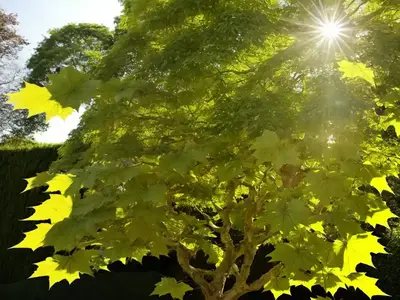
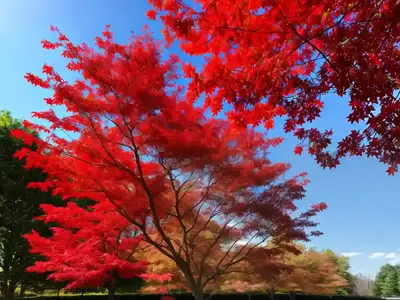
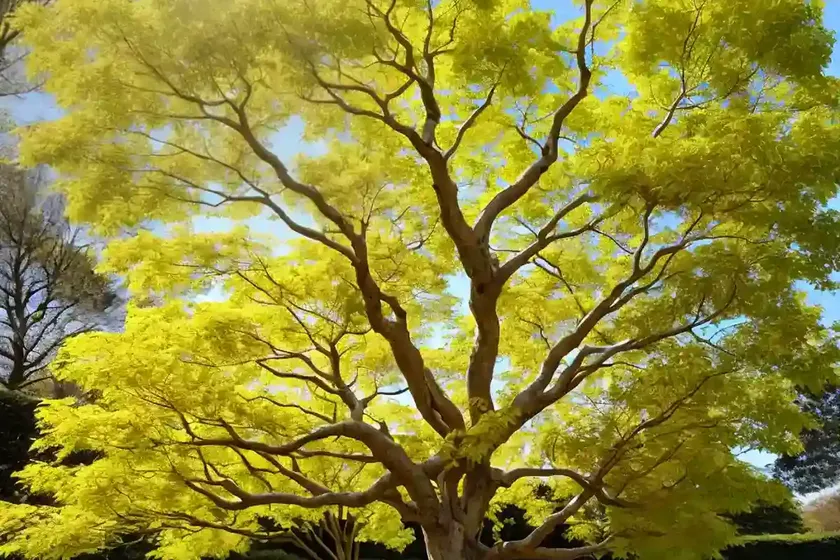
Acer platanoides, belonging to the genus Acer and the family Sapindaceae, is a medium to large-sized deciduous tree that can reach heights of 40 to 50 feet at maturity. This species features a dense, rounded crown and dark green, palmate leaves that turn striking shades of yellow, orange, or red in the fall.
The Norway Maple is characterized by its compact, symmetrical shape and its ability to thrive in a wide range of environmental conditions. Moreover, it produces clusters of small yellow flowers in the spring, followed by winged seeds, known as samaras, that are dispersed by the wind.
Key Takeaways – Acer platanoides (Norway Maple)
Before delving into the specifics of cultivating and caring for Acer platanoides, let’s highlight the key takeaways regarding this remarkable tree.
- Common Name: Norway Maple
- Scientific Name: Acer platanoides
- Family: Sapindaceae
- Native Habitat: Eastern and central Europe
- Mature Height: 40 to 50 feet
- Foliage: Dark green, palmate leaves turning yellow, orange, or red in the fall
- Flowering: Clusters of small yellow flowers in the spring
- Seeds: Winged samaras
Now that we have familiarized ourselves with the basic characteristics of Acer platanoides, let’s explore the cultivation, care, and utilization of this fascinating tree in greater detail.
Cultivation
Cultivating Acer platanoides requires a basic understanding of its environmental preferences, growth habits, and maintenance requirements. By providing the optimal conditions for this species, enthusiasts can facilitate its healthy growth and development. Let’s explore the key aspects of cultivating Norway Maple trees.
Climate Considerations
Acer platanoides is known for its adaptability to a wide range of climatic conditions. However, it thrives in temperate climates and is well-suited for USDA hardiness zones 3 to 7. This indicates that the Norway Maple is capable of withstanding cold temperatures, making it an ideal choice for regions with harsh winters.
Planting Guide
When planting Acer platanoides, it is essential to select a site with well-draining soil and sufficient space for the tree to grow and expand its root system. The planting hole should be at least twice the width of the root ball, allowing ample room for the roots to establish and spread. Proper spacing between individual trees is also crucial to prevent overcrowding and competition for resources.
Soil Preferences
The Norway Maple thrives in moist, well-drained soils with a slightly acidic to neutral pH. While it can tolerate a variety of soil types, including loamy and clay soils, it is important to avoid planting in waterlogged or compacted soils, as these conditions can impede root growth and lead to stress and decline.
Water Requirements
Young Acer platanoides trees benefit from regular watering to promote establishment and early growth. During periods of drought, supplemental watering is particularly important to ensure adequate moisture levels in the soil. However, it is essential to avoid overwatering, as excessive moisture can lead to root rot and other detrimental conditions.
Sunlight
The Norway Maple is well-adapted to both full sun and partial shade, making it a versatile option for various landscape settings. While it thrives in full sun conditions, it can also tolerate some shade, especially in hot climates or during the intense afternoon sun.
Growth Rate
Acer platanoides is known for its moderate to fast growth rate, particularly during its early years. This rapid growth can facilitate the development of a robust canopy and a structurally sound trunk, contributing to the overall appeal and health of the tree.
Transplanting
Transplanting mature Acer platanoides trees should be approached with caution, as the species may exhibit transplant shock if not carefully handled. When transplanting, it is crucial to preserve a substantial portion of the root system and to provide adequate post-transplant care to minimize stress and ensure successful establishment in the new location.
Now that we have established the fundamental considerations for cultivating Acer platanoides, let’s proceed to explore the care requirements and maintenance practices essential for the well-being of this species.
Care and Maintenance
Caring for Acer platanoides involves regular attention to its nutrient needs, pruning requirements, and pest and disease management. By addressing these aspects of maintenance, enthusiasts can ensure the long-term health and vitality of their Norway Maple trees.
Fertilizer
Applying a balanced, slow-release fertilizer in the spring can provide Acer platanoides with the essential nutrients it requires for vigorous growth and foliage development. It is important to follow the manufacturer’s recommendations for application rates and frequency to avoid overfertilization, which can have adverse effects on the tree.
Pruning
Pruning Acer platanoides should primarily focus on the removal of dead, damaged, or diseased branches to maintain overall tree health and appearance. Additionally, selective pruning can help shape the canopy and promote adequate air circulation, reducing the risk of fungal diseases and pest infestations.
Disease Diagnosis
Acer platanoides is susceptible to several common diseases, including anthracnose, tar spot, and verticillium wilt. Monitoring the tree for early signs of these diseases, such as leaf discoloration, wilting, or abnormal growth, can aid in prompt diagnosis and appropriate treatment measures.
Common Diseases
Anthracnose
Anthracnose is a fungal disease that can affect the foliage of Acer platanoides, leading to the development of dark, irregular lesions on the leaves. This disease thrives in moist conditions and can spread rapidly during periods of high humidity. Implementing cultural practices that promote good air circulation and reduce leaf wetness can help mitigate the impact of anthracnose.
Tar Spot
Tar spot, characterized by the presence of black, tar-like spots on the leaves, is another fungal disease that can affect the aesthetic appeal of Acer platanoides. While it does not typically cause severe harm to the tree’s overall health, it can detract from its ornamental value. Raking and disposing of infected leaves in the fall can help reduce the prevalence of tar spot in subsequent growing seasons.
Verticillium Wilt
Verticillium wilt is a serious vascular disease that can affect the Norway Maple, causing wilting, yellowing foliage, and eventual decline. This disease is challenging to manage once established in the soil, making prevention and early detection critical. Planting Acer platanoides in well-drained soils and avoiding stress factors can help reduce the risk of verticillium wilt.
Common Pests
While Acer platanoides is relatively resistant to pest infestations, certain insects, such as aphids, scale insects, and borers, can pose occasional threats to the tree’s health. Regular monitoring of the foliage and trunk can aid in the early detection of pest activity, allowing for timely intervention to prevent significant damage.
Pest Control
Implementing cultural and, if necessary, chemical control measures can effectively manage pest populations on Acer platanoides. Utilizing horticultural oils, insecticidal soaps, or targeted insecticides can provide selective control while minimizing impacts on beneficial insects and the overall ecosystem.
Now that we have discussed the necessary care and maintenance practices for Acer platanoides, let’s delve into the utilization and landscape uses of this versatile tree.
Utilization and Landscape Uses
Acer platanoides offers a myriad of benefits and applications in landscape design and horticultural settings. From its ornamental value to its functional properties, the Norway Maple is a valuable addition to various environments.
Ornamental Value
The vibrant foliage of Acer platanoides, particularly during the fall season, contributes to its ornamental appeal. Its colorful display of yellow, orange, and red leaves can enhance the visual interest of parks, gardens, and urban spaces, making it a popular choice for landscapers and horticulturists.
Shade Tree
Due to its dense canopy and broad, spreading habit, Acer platanoides serves as an effective shade tree, providing cooling relief during the hot summer months. Planted strategically, it can offer shelter and comfort in outdoor recreational areas and residential landscapes.
Avenue Planting
The Norway Maple is well-suited for avenue planting, lining streets, driveways, and walkways with its stately presence and uniform growth habit. Its tolerance to urban conditions and pollution makes it an ideal choice for enhancing the aesthetics and environmental quality of urban spaces.
Wildlife Habitat
Acer platanoides also provides habitat and food sources for various wildlife species, including birds and small mammals. Its flowers attract pollinators, and its seeds serve as a valuable food resource for local fauna, fostering ecological diversity and balance.
Wind Resistance
The Norway Maple exhibits exceptional wind resistance, making it valuable for windbreaks and shelterbelt plantings. Its sturdy branches and robust structure enable it to withstand strong winds, mitigating potential damage and erosion in exposed landscapes.
Timber Uses
While not a primary timber species, Acer platanoides wood is utilized in select woodworking applications, such as furniture making and veneer production. Its fine grain and moderate hardness contribute to its suitability for crafting high-quality wood products.
Drought Tolerance
Acer platanoides demonstrates moderate drought tolerance once established, making it a resilient choice for landscapes with periodic water limitations. Its ability to endure dry conditions without significant decline in health enhances its appeal for regions prone to seasonal droughts.
With its diverse landscape uses and functional attributes, Acer platanoides epitomizes versatility and utility in various horticultural and ecological contexts. This multi-faceted tree continues to capture the interest of enthusiasts and professionals alike, owing to its adaptability and intrinsic value.
Botanist’s Tips
To gain further insights into the cultivation and care of Acer platanoides, let’s explore a set of practical tips from botanists and horticultural experts specializing in this fascinating tree.
Tip 1: Soil Preparation
Prior to planting Acer platanoides, it is essential to amend the soil with organic matter, such as compost or well-rotted manure, to enhance its fertility and structure. This preparation can promote robust root development and overall tree vigor.
Tip 2: Mulching
Applying a layer of organic mulch around the base of the Norway Maple can help conserve soil moisture, suppress weed growth, and regulate soil temperature. Mulching also contributes to the improvement of soil structure and microbial activity, benefiting the tree’s root system.
Tip 3: Watering Practices
Establishing a regular watering schedule during the first growing season after planting is crucial for encouraging strong root establishment. Deep, infrequent watering is preferred over frequent, shallow watering to promote deep root growth and drought tolerance.
Tip 4: Tree Inspection
Regularly inspecting Acer platanoides for signs of pest activity, disease symptoms, and nutrient deficiencies can aid in early intervention and preventive measures. Timely detection of issues can mitigate potential damage and ensure the continuous health of the tree.
Tip 5: Tree Health Assessment
Conducting periodic assessments of the tree’s overall health, including foliage color, leaf size, and growth rate, can provide valuable insights into its nutritional status and environmental adaptation. Addressing any anomalies promptly can prevent the escalation of health concerns.
Tip 6: Professional Consultation
When encountering complex or persistent issues with Acer platanoides, seeking advice from certified arborists or horticultural professionals can offer valuable perspectives and tailored recommendations for effective management and resolution.
By incorporating these expert tips into the cultivation and maintenance practices for Acer platanoides, enthusiasts and horticulturists can optimize the growth and performance of this esteemed tree, ensuring its long-term vitality and appeal.
Fun Facts
Let’s uncover a few intriguing and noteworthy facts about Acer platanoides that showcase its unique attributes and contributions to the plant kingdom.
-
Invasive Concerns: While celebrated for its ornamental qualities, Acer platanoides is classified as an invasive species in certain regions, where its prolific seed production and vigorous growth can outcompete native vegetation.
-
Maple Syrup Substitute: Historically, the sap of Acer platanoides was utilized as a source of edible syrup. However, its lower sugar content and bitter flavor led to the preference of traditional sugar maples for syrup production.
-
Historical Symbolism: In Scandinavian folklore, the Norway Maple symbolizes strength and endurance, reflecting its robust growth and resilience in diverse environments.
-
Ornamental Varieties: Numerous cultivars of Acer platanoides have been developed, showcasing a range of leaf colors, shapes, and growth habits, expanding the aesthetic potential and horticultural value of this species.
-
Urban Tolerance: Acer platanoides is well-suited for urban environments, demonstrating notable tolerance to pollution, compacted soils, and other stress factors commonly encountered in urban landscapes.
-
Insect Attraction: The flowers of Acer platanoides serve as a valuable nectar source for pollinators, including bees and butterflies, contributing to the ecological diversity of its habitat.
These captivating facts exemplify the multifaceted nature of Acer platanoides, underscoring its significance as a cherished ornamental tree and a vital component of diverse ecosystems.
Links to External Resources
For additional information and resources related to Acer platanoides (Norway Maple), the following links can serve as valuable references:
- Royal Horticultural Society – Acer platanoides
- United States Department of Agriculture – Acer platanoides Fact Sheet
- University of Florida IFAS Extension – Norway Maple Management Guide
These external resources offer comprehensive insights and practical guidance on various aspects of Acer platanoides, complementing the information presented in this guide.
In conclusion, Acer platanoides (Norway Maple) stands as a distinguished tree species, renowned for its ornamental charm, ecological significance, and adaptability to diverse growing conditions. By embracing the cultivation and stewardship of this remarkable tree, individuals can partake in the preservation and appreciation of its enduring beauty and environmental contributions.
Through meticulous care, thoughtful integration into landscape designs, and responsible management, Acer platanoides continues to leave an indelible mark in the realm of horticulture and arboriculture, enriching the natural tapestry of our surroundings and inspiring admiration for generations to come.
Remember, every Norway Maple has a unique story to tell, a legacy to impart, and a lasting impact to cherish.
So, let us celebrate the legacy of Acer platanoides, the noble Norway Maple, and the rich tapestry it weaves across the landscapes of our world.