Acer Palmatum ‘Tamukeyama’ (Japanese Maple)
Plants are fascinating organisms that come in a multitude of shapes, sizes, and varieties. They play a crucial role in the natural environment and provide.
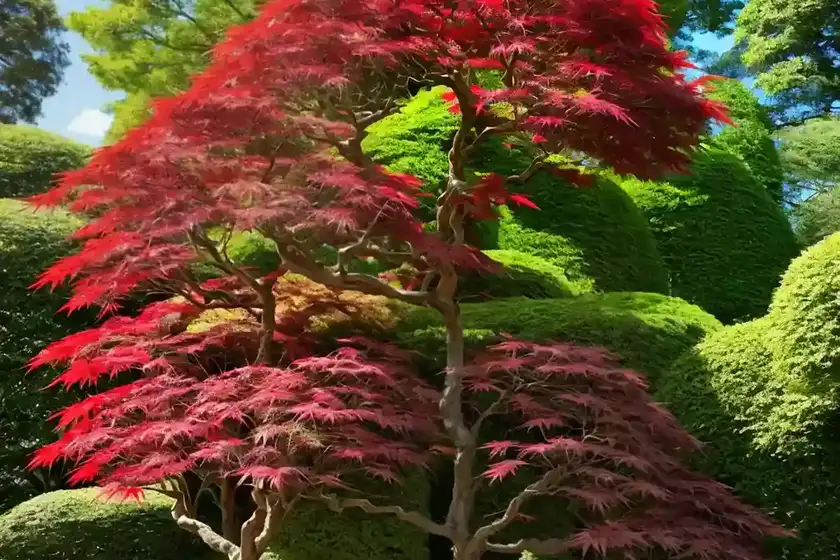

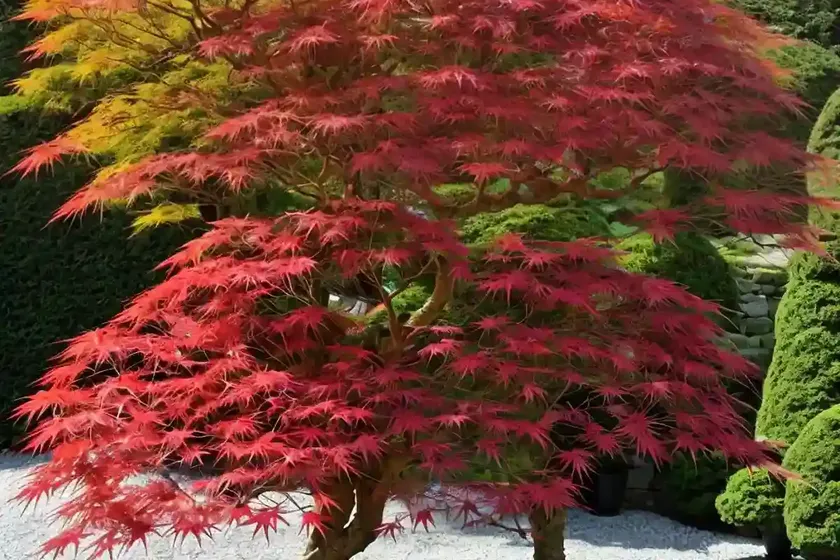
Plants are fascinating organisms that come in a multitude of shapes, sizes, and varieties. They play a crucial role in the natural environment and provide numerous benefits to our daily lives. Among the diverse array of plant species, the Acer palmatum ‘Tamukeyama’ stands out as an especially captivating and popular species, celebrated for its ornamental value in landscaping and gardening. In this comprehensive guide, we will delve into the captivating world of the Acer palmatum ‘Tamukeyama’, exploring its characteristics, care requirements, uses, and much more.
What is Acer palmatum ‘Tamukeyama’ (Japanese Maple)?
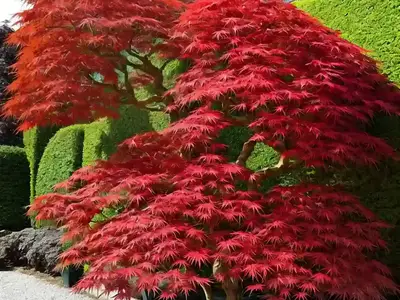
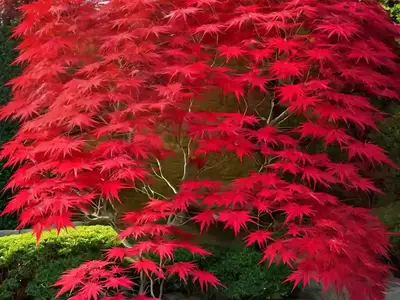
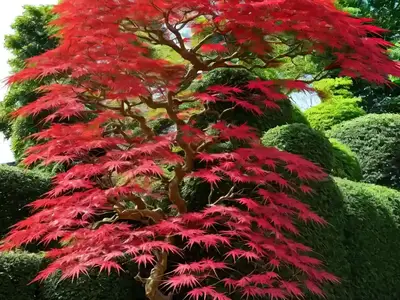
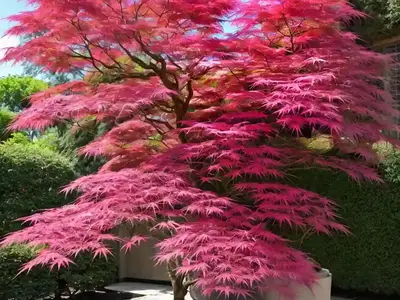
The Acer palmatum ‘Tamukeyama’, commonly known as the Japanese Maple, is a deciduous tree renowned for its stunning foliage and graceful form. Belonging to the family Aceraceae, this ornamental tree is native to Japan, Korea, and China. It is prized for its vibrant, lace-like leaves and elegant, cascading branches, making it a popular choice for landscaping and garden enthusiasts around the world.
Key Takeaways – Acer palmatum ‘Tamukeyama’ (Japanese Maple)
Before we dive into the details of caring for the Acer palmatum ‘Tamukeyama’, let’s highlight some key takeaways about this exquisite plant:
- Cultural Name: Acer palmatum ‘Tamukeyama’ (Japanese Maple)
- Common Name: Japanese Maple ‘Tamukeyama’
- Scientific Classification: Acer palmatum
- Hardiness Zone: 5-8
- Mature Height: 10-15 feet
- Mature Spread: 8-12 feet
- Growth Rate: Slow to moderate
- Landscape Uses: Specimen tree, accent planting, bonsai, and container gardening
- Foliage Color: Deep red to purple in spring and summer, crimson in the fall
Now that we have an overview of this alluring plant, let’s explore the essential aspects of caring for the Acer palmatum ‘Tamukeyama’, ranging from its cultural requirements to its common diseases and pests.
Culture
Water
The Acer palmatum ‘Tamukeyama’ thrives in well-drained soil that retains moisture without becoming waterlogged. Newly planted Japanese Maples should be watered regularly, especially during hot and dry periods, to establish a healthy root system. Once established, they are moderately drought-tolerant but benefit from consistent moisture, particularly in the summer months.
| Water Needs | Description |
|---|---|
| Watering Frequency | Regular watering, especially during the establishment phase. |
| Watering Method | Deep watering to encourage deep root growth. Avoid frequent shallow watering. |
| Moisture Level | Consistently moist, well-drained soil. Avoid waterlogged conditions. |
| Signs of Overwatering | Yellowing leaves, wilting, and root rot in severe cases. |
| Signs of Underwatering | Drooping leaves, leaf scorch, and stunted growth. |
Sunlight
Japanese Maples, including the ‘Tamukeyama’ variety, prefer dappled or partial shade, especially in regions with hot summers. While they can tolerate some direct sunlight, prolonged exposure to intense sun can lead to leaf scorch and stress. In hotter climates, providing protection from the afternoon sun is beneficial.
| Sunlight Needs | Description |
|---|---|
| Preferred Light Conditions | Dappled or partial shade, especially in warmer climates. Direct sun in cooler regions. |
| Tolerance to Full Sun | Limited tolerance, especially in hot and arid climates. Protection from intense afternoon sun is beneficial. |
| Morning Sun vs. Afternoon Sun | Morning sun is generally preferred over intense afternoon sun. |
| Signs of Sun Damage | Leaf scorch, wilting, and browning of foliage. |
Fertilizer
Proper fertilization is essential for promoting healthy growth and vibrant foliage in the Acer palmatum ‘Tamukeyama’. A balanced, slow-release fertilizer formulated for acid-loving plants is ideal. It should be applied in early spring before new growth appears, and again in late spring if necessary. Avoid excessive nitrogen, as it can lead to weak growth and reduced winter hardiness.
| Fertilizer Requirements | Description |
|---|---|
| Fertilizer Type | Slow-release, balanced fertilizer formulated for acid-loving plants. |
| Application Frequency | Once in early spring before new growth, and again in late spring if necessary. |
| Avoiding Excessive Nitrogen | Excess nitrogen can lead to weak growth and reduced winter hardiness. |
| Organic Fertilizer Alternatives | Compost, well-decomposed manure, and organic slow-release fertilizers provide sustainable options. |
Soil
The Acer palmatum ‘Tamukeyama’ thrives in slightly acidic to neutral, well-drained soil. Rich, organic soils with good moisture retention are beneficial for promoting healthy growth and vibrant foliage. Amending the soil with organic matter, such as compost or well-decomposed manure, can improve soil structure and fertility.
| Soil Requirements | Description |
|---|---|
| pH Level | Slightly acidic to neutral soil (pH 5.5-7.0). |
| Soil Texture | Well-drained, loamy soil with good moisture retention. |
| Organic Amendments | Compost, well-decomposed manure, and leaf mold can improve soil fertility and structure. |
| Avoiding Waterlogged Conditions | Proper drainage is imperative to prevent root rot and other moisture-related issues. |
Pruning
Pruning plays a crucial role in shaping the Acer palmatum ‘Tamukeyama’ and maintaining its desired form. It is best carried out during the dormant season to minimize sap loss and stress to the tree. Regular pruning is essential to remove dead, damaged, or diseased branches, as well as to improve air circulation within the canopy.
Pruning Tips for Acer palmatum ‘Tamukeyama’
- Timing: Dormant season (late fall to early spring) is ideal for pruning to minimize stress and sap loss.
- Pruning Objectives: Remove dead, damaged, or diseased branches. Thin out crowded or crossing branches to improve air circulation.
- Tools: Use sharp, clean pruning tools to make precise cuts and minimize the risk of infection.
- Training Young Trees: Shape and train young Japanese Maples for an attractive and balanced form.
- Pruning Frequency: Regular maintenance pruning is beneficial to promote a healthy and well-structured tree.
Propagation
Propagation of the Acer palmatum ‘Tamukeyama’ can be achieved through several methods, including seed propagation, softwood cuttings, and grafting. Each method has its unique advantages and considerations, allowing gardeners and enthusiasts to propagate and expand their collection of these captivating trees.
Propagation Methods for Acer palmatum ‘Tamukeyama’
- Seed Propagation: While viable seeds can be collected from mature Japanese Maples, they may not necessarily produce plants identical to their parent. Seed propagation is suitable for producing diverse genetic variations.
- Softwood Cuttings: Softwood cuttings taken in early summer can root successfully with the use of rooting hormone and a suitable propagation medium.
- Grafting: Grafting onto rootstocks of compatible Acer species or varieties can ensure the propagation of true-to-type clones with established characteristics.
It’s important to note that propagation requires patience and attention to detail to achieve successful results. Each method offers unique opportunities for both amateur and experienced plant enthusiasts to propagate and expand their Acer palmatum ‘Tamukeyama’ collection.
Container Popularity
The Acer palmatum ‘Tamukeyama’ is well-suited for container gardening, offering an elegant and striking presence in outdoor spaces, patios, and balconies. The compact size and graceful form of the Japanese Maple make it an ideal candidate for container cultivation, providing versatility and aesthetic appeal for gardens of all sizes.
| Container Gardening Benefits | Description |
|---|---|
| Space-Saving Elegance | Japanese Maples in containers offer a compact and graceful presence in small outdoor spaces. |
| Versatility | Containers allow for easy placement and mobility, making it suitable for various garden designs. |
| Seasonal Display | Container-grown Japanese Maples can be moved to highlight seasonal foliage and bloom displays. |
Common Diseases
Like many plants, the Acer palmatum ‘Tamukeyama’ is susceptible to certain diseases that can impact its health and appearance. Understanding these diseases and their symptoms is crucial for implementing appropriate preventive and management strategies to maintain the tree’s vigor.
Disease Diagnosis
One of the most common diseases affecting Japanese Maples, including the ‘Tamukeyama’ variety, is powdery mildew. This fungal disease presents as a white, powdery coating on the leaves, often leading to distorted growth and reduced aesthetic appeal. Good air circulation and avoiding overhead watering can help prevent powdery mildew.
| Common Diseases | Description & Symptoms |
|---|---|
| Powdery Mildew | White, powdery coating on the leaves, often leading to distorted growth and reduced aesthetic appeal. |
| Anthracnose | Leaf spots, defoliation, and twig dieback, particularly during wet and cool spring conditions. |
| Verticillium Wilt | Wilting, leaf scorch, and dieback caused by the soil-borne fungus Verticillium dahliae. |
Common Pests
In addition to diseases, certain pests may pose a threat to the health and beauty of the Acer palmatum ‘Tamukeyama’. Vigilance and prompt intervention are essential in managing these pests to prevent damage and maintain the tree’s vitality.
Common Pests
- Aphids: These small, sap-sucking insects can infest the foliage and stems, leading to leaf distortion and reduced vigor. Natural predators and insecticidal soaps can help control aphid populations.
- Scale Insects: Scale insects may infest Japanese Maples, appearing as small, immobile bumps on the stems and leaves. Horticultural oils or insecticidal soaps can be effective in managing scale infestations.
- Caterpillars: Certain caterpillar species may feed on the foliage of the Acer palmatum ‘Tamukeyama’, leading to defoliation and reduced growth. Hand-picking and biological insecticides can help control caterpillar populations.
Botanist’s Tips
We have gathered several key tips and insights that can help enthusiasts and gardeners effectively care for and appreciate this remarkable tree:
- Mulching: Apply a layer of organic mulch around the base of the tree to retain moisture and improve soil structure. Mulching also prevents weed growth and protects the root system.
- Winter Protection: In regions with harsh winters, providing winter protection, such as burlap barriers, can shield the tree from desiccating winds and frost damage.
- Companion Plants: When designing a garden or landscape, consider companion plants that complement the Acer palmatum ‘Tamukeyama’. Plants with contrasting foliage or complementary colors can enhance the overall visual impact.
Fun Facts
- The name ‘Tamukeyama’ translates to “jeweled stream” in Japanese, reflecting the captivating and vibrant nature of this ornamental tree.
- Japanese Maples have been cultivated in Japan for centuries, with numerous cultivars and variations developed over time.
- The unique foliage of the ‘Tamukeyama’ variety intensifies in color during the fall, creating a spectacle of crimson, burgundy, and red hues.
Links to External Resources
To further expand your knowledge and appreciation of the Acer palmatum ‘Tamukeyama’ and Japanese Maples in general, I recommend exploring the following resources:
- The American Conifer Society: This resource offers detailed information about various conifers and ornamental trees, including Japanese Maples. American Conifer Society
- Royal Horticultural Society (RHS): The RHS provides extensive guidance on gardening and plant care, with valuable insights into Japanese Maples and their cultivation. Royal Horticultural Society
- University of Florida Extension: The University of Florida Extension provides informative articles and resources on ornamental plant care, including common pests and diseases of Japanese Maples. University of Florida Extension
By delving into these external resources, you can access a wealth of knowledge and expertise to enrich your understanding of the Acer palmatum ‘Tamukeyama’ and its cultural significance in horticulture.
Conclusion
In conclusion, the Acer palmatum ‘Tamukeyama’ stands as a remarkable and enchanting addition to landscape design and garden settings. Its vibrant foliage, elegant form, and adaptability to various cultural conditions make it a prized choice for both amateur and seasoned plant enthusiasts. By understanding the essential aspects of caring for the ‘Tamukeyama’ Japanese Maple, including its water, sunlight, and fertilizer needs, as well as its propagation and pest management, individuals can cultivate and appreciate the beauty of this ornamental tree.
Through proper care and attention to its cultural requirements, the Acer palmatum ‘Tamukeyama’ can flourish and grace outdoor spaces with its captivating presence, showcasing the awe-inspiring artistry of nature.
This comprehensive guide showcases the remarkable characteristics and care requirements of the Acer palmatum ‘Tamukeyama’ (Japanese Maple). From cultural considerations to pest management and companion planting, the guide provides valuable insights for plant enthusiasts and gardeners. It also offers external resources for further exploration, amplifying the reader’s understanding of this captivating ornamental tree.