Acer Palmatum ‘Twombly’s Red Sentinel’ (Japanese Maple)
Acer palmatum ‘Twombly’s Red Sentinel’, also known as Japanese Maple ‘Twombly’s Red Sentinel’, is a stunning cultivar that is highly prized for its.
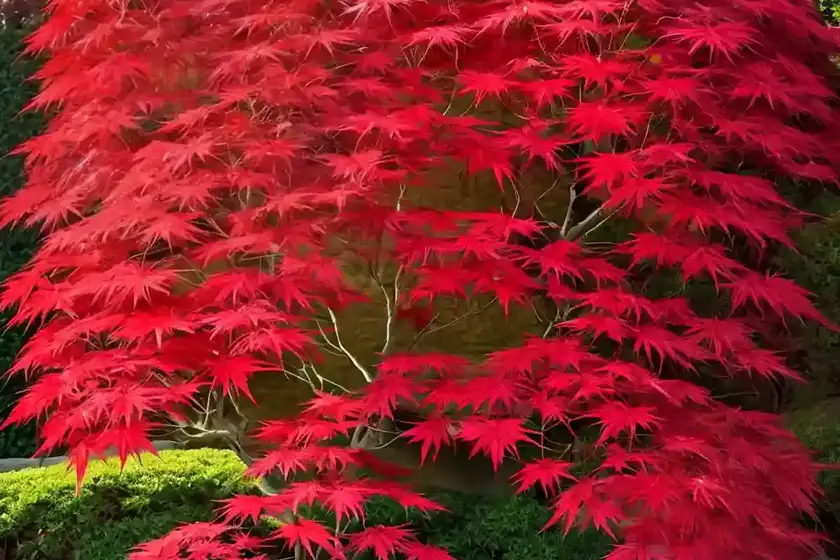
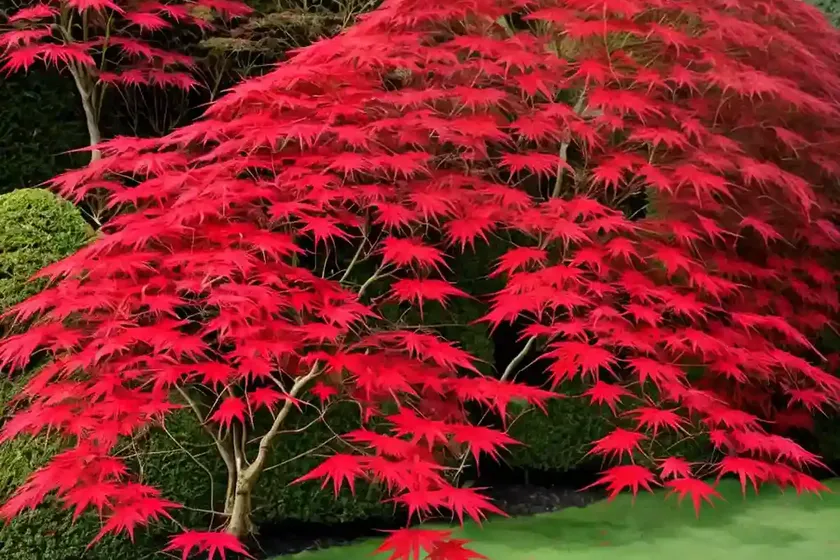
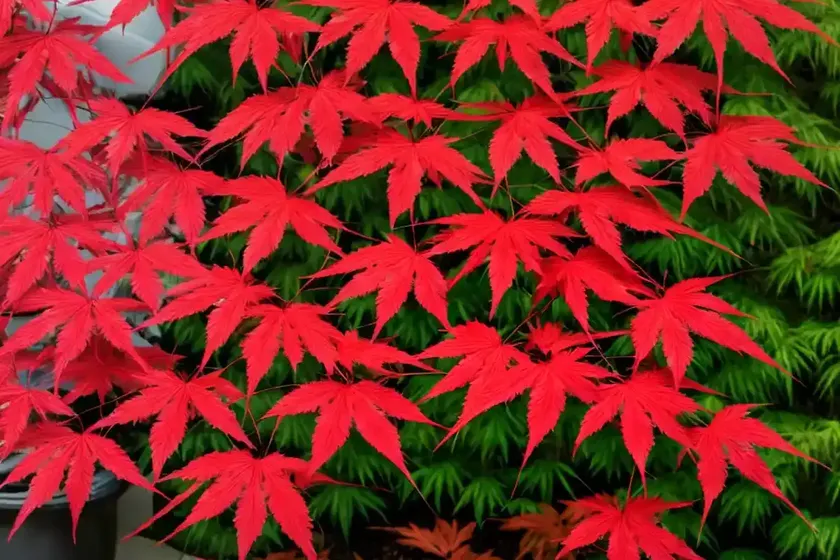
Acer palmatum ‘Twombly’s Red Sentinel’, also known as Japanese Maple ‘Twombly’s Red Sentinel’, is a stunning cultivar that is highly prized for its ornamental value. With its vibrant foliage, elegant structure, and relatively small size, it is a popular choice for gardens, landscapes, and even container cultivation. In this comprehensive guide, we will explore the various aspects of this beautiful plant, including its cultural requirements, uses, maintenance, disease and pest management, and much more.
What is Acer palmatum ‘Twombly’s Red Sentinel’?
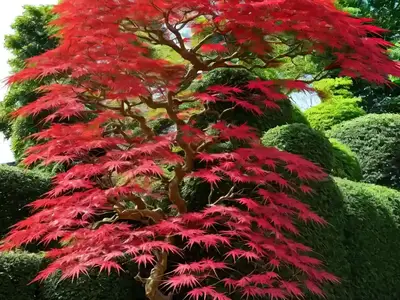
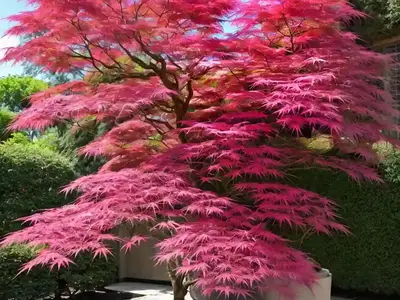
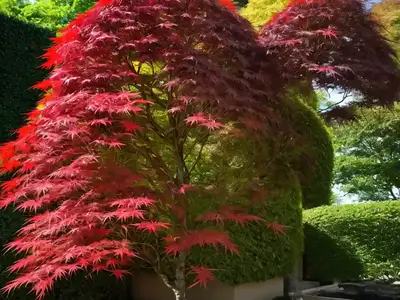
Acer palmatum, commonly known as Japanese maple, is a species of tree native to Japan, Korea, China, eastern Mongolia, and southeast Russia. It belongs to the family Aceraceae and is known for its delicate and intricate leaves, vivid seasonal colors, and elegant, often weeping, growth habit. ‘Twombly’s Red Sentinel’ is a specific cultivar of Acer palmatum characterized by its upright, narrow growth, and striking burgundy-red leaves that maintain their color throughout the growing season.
Key Takeaways
Let’s delve into the key aspects of Acer palmatum ‘Twombly’s Red Sentinel’, covering its culture, uses, water requirements, sunlight preferences, fertilizer needs, soil preferences, pruning techniques, propagation methods, container suitability, popularity, common diseases, pest management, and some fascinating fun facts.
Culture
Uses
- Ornamental Tree: Acer palmatum ‘Twombly’s Red Sentinel’ is primarily grown for its ornamental value. It serves as a focal point in landscapes, gardens, and even containers, adding a touch of elegance and color.
- Accent Plant: Its compact size and striking foliage make it an excellent choice for accentuating garden beds, borders, and pathways.
- Specimen Plant: The distinctive shape and coloration of ‘Twombly’s Red Sentinel’ make it an ideal candidate for featuring as a specimen plant, particularly in smaller gardens and urban spaces.
Water
Proper irrigation is crucial for the health and vitality of Acer palmatum ‘Twombly’s Red Sentinel’. It is important to maintain moist, but not waterlogged, soil conditions, particularly during the hot and dry summer months.
- Watering Needs: Regular watering, especially during periods of drought, is essential for young Japanese maple trees. Adequate moisture promotes healthy growth and helps prevent stress-related issues.
- Mulching: Applying a layer of organic mulch around the base of the tree helps retain soil moisture, regulates soil temperature, and suppresses weed growth. Be sure to keep the mulch several inches away from the trunk to prevent rot and other potential issues.
Sunlight
Acer palmatum ‘Twombly’s Red Sentinel’ thrives in dappled or partial shade, particularly in regions with hot and intense sunlight. While it can tolerate some morning sun, it generally benefits from protection against the harsh afternoon rays.
- Ideal Sun Conditions: Providing a site with filtered sunlight or partial shade is optimal for ‘Twombly’s Red Sentinel’, as it helps preserve the vibrant coloration of the leaves and prevents leaf scorch.
- Shade Tolerance: This cultivar demonstrates good shade tolerance, making it suitable for planting under larger trees or in locations with limited direct sunlight.
Fertilizer
Applying a balanced fertilizer helps ensure that Acer palmatum ‘Twombly’s Red Sentinel’ receives the essential nutrients for healthy growth and vibrant foliage.
- Fertilization Schedule: Fertilize the tree in early spring before new growth emerges and again in late spring or early summer. Avoid fertilizing in late summer or early fall to prevent stimulating late-season growth, which may be vulnerable to winter damage.
- Fertilizer Type: Consider using a slow-release or organic fertilizer specifically formulated for acid-loving plants to support the unique soil requirements of Japanese maples.
Soil
The quality and composition of the soil significantly influence the health and vigor of Acer palmatum ‘Twombly’s Red Sentinel’. It is crucial to provide well-draining, slightly acidic soil with adequate organic matter.
- Soil pH: Aim for a moderately acidic soil pH ranging from 5.5 to 6.5 for optimal growth and nutrient uptake. Testing the soil and amending it as needed can help create a suitable environment for the tree.
- Drainage: Good drainage is essential to prevent waterlogging and root rot. Amending heavy or compacted soils with organic matter, such as compost or peat moss, improves aeration and drainage.
Pruning
Proper pruning is essential for maintaining the attractive form and structure of Acer palmatum ‘Twombly’s Red Sentinel’ and promoting healthy growth. Careful attention to pruning techniques helps enhance the overall appearance of the tree and prevent potential issues.
- Pruning Time: Conduct any necessary pruning during the dormant season in late winter to early spring, avoiding periods of active growth or during the fall. This timing minimizes stress on the tree and reduces the risk of sap bleeding from pruning wounds.
- Pruning Goals: Focus on removing dead, damaged, or crossing branches, as well as any unwanted growth to maintain an open, well-aerated canopy. Additionally, selective thinning can help improve air circulation and light penetration within the tree.
Propagation
While Acer palmatum ‘Twombly’s Red Sentinel’ is typically propagated through grafting to preserve its specific characteristics, some enthusiasts may attempt propagation from seed or softwood cuttings.
- Grafting: Propagation through grafting involves joining a bud or small scion from a selected ‘Twombly’s Red Sentinel’ tree onto a compatible rootstock. This method ensures that the resulting plants exhibit the desired traits of the cultivar.
- Seed Propagation: Growing Japanese maples from seed is possible, but it may not reliably produce offspring with identical characteristics to the parent tree. It is a more suitable method for creating new, unique cultivars rather than reproducing existing ones.
- Cutting Propagation: Propagating Acer palmatum ‘Twombly’s Red Sentinel’ from softwood cuttings offers another potential method, particularly for enthusiasts and collectors interested in experimenting with different propagation techniques.
Container Popularity
The compact size, elegant form, and stunning foliage of Acer palmatum ‘Twombly’s Red Sentinel’ make it a popular choice for container cultivation, both in traditional garden settings and urban environments.
- Container Selection: Choose a large, sturdy container with adequate drainage holes to accommodate the root system and promote healthy growth. Consider a container with insulation properties to help regulate soil temperatures and protect the roots from temperature extremes.
- Cultural Considerations: While Japanese maples in containers require regular watering and fertilization, they may also benefit from some protection against harsh sunlight and drying winds, particularly in exposed locations.
- Versatile Use: Container-grown ‘Twombly’s Red Sentinel’ Japanese maples can be featured on patios, balconies, or even in interior spaces, adding a touch of natural beauty and seasonal interest.
Common Diseases
Acer palmatum ‘Twombly’s Red Sentinel’ is generally a low-maintenance plant, but it can be susceptible to certain diseases that may affect its overall health and appearance.
- Leaf Spot: Fungal leaf spot diseases, such as verticillium wilt and anthracnose, may cause unsightly spots or discoloration on the leaves. Proper sanitation and environmental management can help mitigate the risk of these diseases.
- Root Rot: Overly wet or poorly drained soil can lead to root rot, a serious condition that may adversely impact the health of the tree. Maintaining good soil drainage and avoiding excessive watering are key preventative measures.
- Powdery Mildew: In conditions of high humidity and poor air circulation, Japanese maples, including ‘Twombly’s Red Sentinel’, may be susceptible to powdery mildew. Pruning for improved air movement and applying appropriate fungicidal treatments can help manage this issue.
Disease Diagnosis
When observing potential disease symptoms on Acer palmatum ‘Twombly’s Red Sentinel’, it is essential to accurately diagnose the underlying issue to implement effective management strategies.
- Symptom Recognition: Pay close attention to any changes in leaf color, shape, or texture, as well as the presence of spots, lesions, or abnormal growth. Note any patterns or distribution of symptoms on the tree.
- Professional Consultation: If uncertain about the cause of observed symptoms, seek the expertise of a certified arborist or plant pathologist who can provide a reliable diagnosis and recommend appropriate treatment options.
Common Pests
While Japanese maples are generally not heavily targeted by pests, several common insects may pose potential challenges for Acer palmatum ‘Twombly’s Red Sentinel’.
- Aphids: These small, sap-feeding insects may infest new growth and cause leaf distortion or the development of sticky honeydew on the leaves. Natural predators and horticultural oils can help manage aphid populations.
- Scale Insects: Scale insects are another potential pest that may affect the overall health of the tree. Depending on the severity of the infestation, targeted insecticidal treatments or manual removal may be necessary.
- Caterpillars: Certain caterpillar species may consume the foliage of ‘Twombly’s Red Sentinel’, leading to defoliation and potential stress on the tree. If feasible, handpicking caterpillars or applying biological control agents may help limit damage.
Botanist’s Tips
As a plant scientist with a passion for Acer palmatum ‘Twombly’s Red Sentinel’, I would like to share some additional tips and insights for growing and enjoying this exceptional Japanese maple cultivar.
- Selecting Companion Plants: When designing a garden or landscape with ‘Twombly’s Red Sentinel’, consider incorporating compatible companion plants that complement its attributes. Shrubs, perennials, and ground covers with contrasting foliage, texture, and bloom times can create visually appealing combinations.
- Site Selection: Prior to planting, carefully evaluate the chosen site to ensure that it provides the appropriate light conditions, soil quality, and adequate space for the tree’s mature size and form. Consider any potential obstructions, such as buildings or other trees, that may impact sunlight and airflow.
- Seasonal Observation: Regularly observe the tree throughout the growing season to monitor its growth, leaf color changes, and overall condition. This attention to detail allows for early detection of any issues or changes that may require intervention or adjustment in cultural practices.
Fun Facts
To enrich your appreciation for Acer palmatum ‘Twombly’s Red Sentinel’, here are a few delightful fun facts about this beloved Japanese maple cultivar:
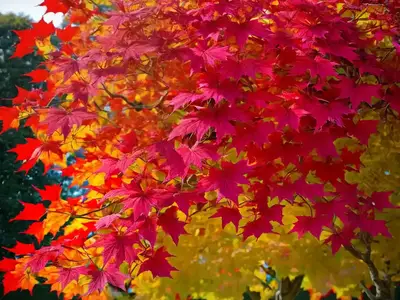
- Fall Foliage: The autumn foliage of ‘Twombly’s Red Sentinel’ transitions to brilliant shades of orange, red, and gold, creating a stunning display of seasonal color.
- Winter Interest: Even during the dormant winter months, the elegant form and interesting bark texture of the tree contribute to its appeal, adding visual interest to the landscape.
- Landscape Design: ‘Twombly’s Red Sentinel’ is a versatile tree that lends itself to a variety of landscape designs, ranging from traditional Japanese gardens to contemporary urban spaces.
Links to External Resources
For further exploration and in-depth information on Acer palmatum ‘Twombly’s Red Sentinel’, consider visiting the following reputable sources:
- The American Horticultural Society
- The Royal Horticultural Society
- The Morton Arboretum
- University of Florida IFAS Extension
In conclusion, Acer palmatum ‘Twombly’s Red Sentinel’ is a captivating Japanese maple cultivar that embodies beauty, elegance, and horticultural interest. By understanding and meeting its specific cultural requirements, recognizing potential challenges, and appreciating its unique characteristics, enthusiasts and horticulturists can cultivate and enjoy this remarkable tree with confidence and success.
Remember to embrace the subtle joys of observing the changing seasons through the vivid foliage and graceful silhouette of ‘Twombly’s Red Sentinel’, and continue to explore the wonderful world of plants with a curious and appreciative spirit.