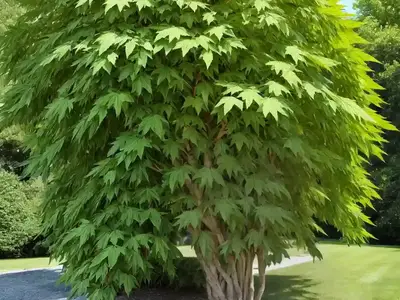
Acer Japonicum ‘Vitifolium’ (Full Moon Maple)
Acer japonicum ‘Vitifolium’ is a stunning and unique plant that belongs to the Aceraceae family. Commonly known as the Full Moon Maple due to the shape of.



Acer japonicum ‘Vitifolium’ is a stunning and unique plant that belongs to the Aceraceae family. Commonly known as the Full Moon Maple due to the shape of its leaves, this plant is a favorite among gardeners and landscape enthusiasts. In this comprehensive guide, we will delve into the various aspects of caring for and growing Acer japonicum ‘Vitifolium’ to help you harness the full potential of this remarkable species.
What is Acer japonicum ‘Vitifolium’ (Full Moon Maple)?
Acer japonicum ‘Vitifolium’ is a deciduous tree that is native to Japan and Korea. It is characterized by its distinct, deeply lobed leaves that resemble the shape of a grape leaf, which is where its name ‘Vitifolium’ is derived from. The leaves change color throughout the seasons, presenting stunning displays of red, orange, and yellow during the fall. The Full Moon Maple is revered for its captivating foliage, making it a sought-after addition to gardens and landscapes.
Acer japonicum ‘Vitifolium’ Features
- Common Name: Full Moon Maple
- Family: Aceraceae
- Origin: Japan, Korea
- Foliage: Deciduous
- Foliage Color: Green, turning to shades of red, orange, and yellow in the fall
- Flower Color: Greenish-yellow
- Bark: Smooth, gray-brown
- Growth Rate: Slow to moderate
- Mature Height: 15-20 feet
- Mature Spread: 15-20 feet
Now that we have an overview of the characteristics of this captivating species, let’s dive into the intricacies of caring for Acer japonicum ‘Vitifolium’ to ensure its optimal growth and vibrancy.
Key Takeaways – Acer japonicum ‘Vitifolium’ (Full Moon Maple)
Before delving into the detailed care guide for Acer japonicum ‘Vitifolium’, let’s take a glance at the key takeaways that will be covered in this comprehensive guide:
- Culture
- Uses
- Water
- Sunlight
- Fertilizer
- Soil
- Pruning
- Propagation
- Container Popularity
- Common Diseases
- Disease Diagnosis
- Common Pests
- Botanist’s Tips
- Fun Facts
- Links to External Resources
With these key takeaways in mind, let’s begin our exploration of the Full Moon Maple’s care and cultivation.
Culture
Understanding the cultural requirements of Acer japonicum ‘Vitifolium’ is essential for creating an environment that fosters its health and vitality.
Uses
The Full Moon Maple can be utilized in various landscaping and gardening settings, adding both aesthetic and functional value to outdoor spaces.
Water
Maintaining appropriate watering practices is crucial for the health and vigor of Acer japonicum ‘Vitifolium’.
Sunlight
Determining the optimal sunlight conditions for the Full Moon Maple is key to ensuring its robust growth and vibrant foliage.
Fertilizer
Providing the right balance of nutrients is vital for nurturing the Full Moon Maple and promoting its overall well-being.
Soil
Understanding the soil preferences of Acer japonicum ‘Vitifolium’ is essential for creating an optimal growing environment.
Pruning
Implementing appropriate pruning techniques is essential for shaping the Full Moon Maple and maintaining its health and vitality.
Propagation
Learning the methods for propagating Acer japonicum ‘Vitifolium’ can enable you to expand its presence in your garden or landscape.
Container Popularity
Exploring the potential for container gardening with the Full Moon Maple offers flexibility in its cultivation.
Common Diseases
Identifying potential diseases that may affect Acer japonicum ‘Vitifolium’ is crucial for implementing timely and effective interventions.
Disease Diagnosis
Understanding the symptoms and signs of common diseases can aid in the prompt diagnosis and treatment of any issues that may arise.
Common Pests
Being aware of common pests that may target the Full Moon Maple is essential for implementing preventive measures and control strategies.
Botanist’s Tips
Gaining insights and tips from botanists can provide valuable guidance in caring for and cultivating Acer japonicum ‘Vitifolium’.
Fun Facts
Exploring interesting and unique facts about the Full Moon Maple adds depth to your appreciation of this captivating species.
Links to External Resources
Accessing additional resources and information can further enrich your knowledge and support your efforts in nurturing Acer japonicum ‘Vitifolium’.
With the key takeaways outlined, let’s delve into the details of each aspect of the care guide for Acer japonicum ‘Vitifolium’.
Acer japonicum ‘Vitifolium’ Care Guide
Water
Proper watering practices are essential for the health and vitality of Acer japonicum ‘Vitifolium’. Here are the key considerations for watering this species:
-
Water Needs: The Full Moon Maple prefers consistently moist soil, especially during its early establishment. However, it is important to avoid waterlogged conditions, as excessive moisture can lead to root rot.
-
Watering Frequency: During periods of insufficient rainfall, regular watering is crucial, particularly in the absence of natural irrigation from rainfall or supplemental watering during dry spells.
-
Seasonal Adjustments: Adjust the frequency of watering based on seasonal changes and environmental conditions. During hot and dry periods, increased watering may be necessary to sustain the Full Moon Maple’s moisture requirements.
-
Watering Techniques: Apply water directly to the root zone of the plant to ensure effective absorption and utilization. Avoid wetting the foliage excessively, as this can contribute to disease and fungal issues.
Sunlight
Understanding the sunlight preferences of Acer japonicum ‘Vitifolium’ is essential for optimizing its growth and foliage quality. Consider the following factors related to sunlight requirements:
-
Sun Exposure: The Full Moon Maple thrives in partial shade to full sun conditions. However, providing some protection from intense afternoon sun in hotter regions can prevent leaf scorching and maintain the plant’s overall well-being.
-
Morning Sun: Morning sunlight is generally beneficial for the Full Moon Maple, as it provides the necessary energy for photosynthesis without subjecting the plant to the harshest rays of the midday and afternoon sun.
-
Shade Tolerance: While the Full Moon Maple can tolerate partial shade, it is important to ensure that it still receives an adequate amount of sunlight to support healthy growth and vibrant foliage.
-
Sunlight Optimization: Observing the plant’s response to sunlight exposure can inform decisions regarding its positioning and the potential need for shading in hotter climates to maintain its leaf color and vitality.
Fertilizer
Providing appropriate nutrients through fertilization is vital for promoting the growth and vigor of Acer japonicum ‘Vitifolium’. Consider the following guidelines for fertilizing the Full Moon Maple:
-
Balanced Fertilizer: Select a balanced, slow-release fertilizer to supply essential nutrients to the Full Moon Maple. A fertilizer with a balanced N-P-K ratio (nitrogen, phosphorus, potassium) can support overall plant health.
-
Application Timing: Apply fertilizer in early spring as the plant begins its active growth phase. Avoid late-season fertilization, as this can stimulate new growth that may be vulnerable to frost damage.
-
Quantity and Frequency: Follow the manufacturer’s recommendations for the specific fertilizer product used, and avoid over-fertilization, as this can lead to excessive leaf growth at the expense of the overall health of the plant.
-
Nutrient Deficiency Signs: Monitor the Full Moon Maple for signs of nutrient deficiencies, such as yellowing leaves or stunted growth, and adjust the fertilization regimen accordingly.
-
Organic Alternatives: Consider organic fertilizers to provide a gradual release of nutrients and contribute to the overall health of the soil and the ecosystem surrounding the Full Moon Maple.
Soil
Understanding the soil preferences of Acer japonicum ‘Vitifolium’ is pivotal for creating an optimal growing environment that supports its root development and overall vitality. Consider the following aspects of soil management for the Full Moon Maple:
-
Well-Draining Soil: The Full Moon Maple thrives in well-draining, loamy soil that retains moisture without becoming waterlogged. Amending heavy clay soils with organic matter can improve drainage and create a more hospitable environment for the plant.
-
Acidic Soil Preference: The Full Moon Maple prefers slightly acidic soil with a pH range of 5.5 to 6.5. Conducting a soil test can provide valuable insights into the existing pH levels and guide the necessary adjustments to ensure optimal growing conditions.
-
Soil Organic Matter: Incorporating organic matter, such as compost or well-rotted manure, can enhance soil structure, fertility, and microbial activity, ultimately benefiting the Full Moon Maple’s growth and resilience.
-
Mulching Benefits: Applying a layer of organic mulch around the base of the Full Moon Maple can help conserve moisture, regulate soil temperature, and suppress weed growth. Additionally, as the mulch decomposes, it contributes organic matter to the soil.
-
Soil Amendments: Consider using specific soil amendments, such as elemental sulfur or lime, to adjust the pH levels of the soil and create an environment that aligns with the preferences of Acer japonicum ‘Vitifolium’.
Pruning
Implementing appropriate pruning techniques is essential for shaping and maintaining the structure, health, and aesthetics of Acer japonicum ‘Vitifolium’. Consider the following guidelines for pruning the Full Moon Maple:
-
Timing: Conduct major pruning during the dormant season in late winter to early spring, before the onset of new growth. Minor pruning, such as the removal of dead or damaged branches, can be performed as needed throughout the year.
-
Purpose of Pruning: Pruning aims to remove dead, diseased, or crossing branches, shape the plant, improve air circulation, and promote healthy growth. It can also address any structural issues and rejuvenate older specimens.
-
Pruning Techniques: Use clean, sharp pruning tools to make precise cuts that promote rapid healing and reduce the risk of disease transmission. Cut at a slight angle just above a bud or lateral branch to encourage new growth in the desired direction.
-
Thinning vs. Heading: Consider whether thinning cuts (removing entire branches at the base) or heading cuts (shortening the length of branches) are more appropriate for achieving the desired shape and structure of the Full Moon Maple.
-
Pruning Frequency: Regular assessment of the Full Moon Maple’s growth and structure can guide the frequency and extent of pruning needed to maintain its health and appearance. Avoid excessive or overly aggressive pruning that may compromise the plant’s vigor.
Propagation
Understanding the methods for propagating Acer japonicum ‘Vitifolium’ enables you to extend the presence of this captivating species in your garden or landscape. Consider the following propagation techniques for the Full Moon Maple:
-
Seed Propagation: Collecting and germinating fresh seeds from the Full Moon Maple can be a rewarding way to propagate new plants. However, keep in mind that seeds may not produce an exact replica of the parent plant due to genetic variability.
-
Cutting Propagation: Propagating Acer japonicum ‘Vitifolium’ from semi-hardwood or hardwood cuttings in a controlled environment can yield genetically identical clones of the parent plant. Ensure that the cuttings receive the necessary moisture and humidity for successful rooting.
-
Grafting: Propagating the Full Moon Maple through bud or graft unions onto rootstock of compatible Acer species can be an effective method of preserving specific cultivars and characteristics. Grafting also allows for the production of plants with desirable attributes.
-
Division: Dividing mature Full Moon Maple specimens to create multiple plants can be accomplished during the dormant season. Carefully separate the root ball into sections, ensuring that each division has sufficient roots and shoots for successful establishment.
-
Propagation Success Factors: Providing consistent moisture, appropriate growing media, and optimal environmental conditions can boost the success rates of various propagation methods for Acer japonicum ‘Vitifolium’.
Container Popularity
The Full Moon Maple’s ornamental beauty and manageable size make it a popular choice for container gardening. Establishing Acer japonicum ‘Vitifolium’ in containers offers flexibility in placement and can enhance outdoor living spaces. Consider the following factors when incorporating the Full Moon Maple into container gardening:
-
Container Size: Select a container that provides ample room for the Full Moon Maple’s root system to develop. A larger container can support the plant’s growth and minimize the need for frequent repotting.
-
Growing Medium: Choose a well-draining and nutrient-rich potting mix to promote healthy root development and overall plant growth. Consider mixing in organic matter to enhance soil structure and water retention.
-
Placement Options: Place the container-grown Full Moon Maple in locations that align with its sunlight and moisture requirements. Container gardening allows for easy repositioning to optimize growing conditions and visual impact.
-
Watering Considerations: Container-grown plants may require more frequent watering, especially during hot and dry periods, as the limited soil volume can lead to quicker moisture depletion. Monitor soil moisture levels and adjust watering accordingly.
-
Overwintering: In regions with harsh winters, protect container-grown Full Moon Maples from freezing temperatures by moving them to sheltered areas or insulating the containers to prevent root damage.
-
Maintenance and Pruning: Regularly check and maintain the condition of the container, and perform any necessary pruning to shape the Full Moon Maple and promote its health. Consider repotting as needed to provide adequate space for root growth.
Common Diseases
As with any plant species, Acer japonicum ‘Vitifolium’ is susceptible to certain diseases that can impact its health and appearance. It is important to be vigilant in identifying and addressing common diseases that may affect the Full Moon Maple:
-
Anthracnose: This fungal disease can cause leaf spots, dieback, and a reduction in the overall vigor of the Full Moon Maple. Implementing proper sanitation and providing adequate air circulation can help manage anthracnose.
-
Verticillium Wilt: A soil-borne fungal infection, verticillium wilt can lead to wilting, leaf browning, and eventual decline of the Full Moon Maple. Careful selection of planting sites and resistant cultivars can mitigate the risk of verticillium wilt.
-
Powdery Mildew: Characterized by a powdery white growth on the leaves, powdery mildew can affect the aesthetic appeal of Acer japonicum ‘Vitifolium’. Adequate spacing, proper air circulation, and fungicidal treatments can help control this common disease.
-
Root Rot: Excessive soil moisture or poor drainage can contribute to root rot in the Full Moon Maple, leading to reduced vigor, wilting, and potential death of the plant. Avoid overwatering, improve soil drainage, and consider fungicidal treatments in severe cases.
-
Leaf Spot Diseases: Various leaf spot diseases, caused by fungal or bacterial pathogens, can manifest as dark spots or lesions on the foliage of the Full Moon Maple. Proper sanitation, pruning of affected areas, and fungicidal treatments can aid in managing leaf spot diseases.
Disease Diagnosis
Prompt and accurate diagnosis of potential diseases affecting Acer japonicum ‘Vitifolium’ is crucial for implementing effective treatment and management strategies. Considering the following factors can aid in the proper diagnosis of diseases in the Full Moon Maple:
-
Symptom Identification: Pay close attention to any changes in the appearance of the foliage, stems, or overall growth of the Full Moon Maple. These may include discoloration, wilting, spotted leaves, or unusual patterns that can indicate disease presence.
-
Pathogen Identification: Understand the common pathogens and environmental conditions that contribute to specific diseases affecting the Full Moon Maple. Identifying the causative agent can guide targeted treatment and preventive measures.
-
Consultation with Experts: Seek the guidance of plant pathologists, horticulturists, or local extension services to obtain professional diagnosis and recommendations for managing diseases in Acer japonicum ‘Vitifolium’.
-
Cultural and Environmental Assessment: Evaluate the cultural practices, soil conditions, and environmental factors surrounding the Full Moon Maple to identify any underlying issues that may contribute to disease development.
-
Timely Intervention: Act promptly upon identifying potential diseases to prevent their spread and minimize the impact on the overall health of the Full Moon Maple. Strive for an integrated approach that combines cultural, biological, and chemical control methods as appropriate.
Common Pests
Acer japonicum ‘Vitifolium’ may be susceptible to various pests that can affect its growth and vitality. Understanding and recognizing common pests is essential for implementing appropriate control methods. Consider the following common pests that may affect the Full Moon Maple:
-
Aphids: These small, sap-sucking insects can cluster on the undersides of leaves, causing curling, yellowing, and distortion of the foliage. Insecticidal soap or horticultural oil applications can help control aphid populations.
-
Scale Insects: Scale insects appear as small, waxy bumps on stems and foliage, often leading to weakened growth and decline of the Full Moon Maple. Systemic insecticides or introducing natural predators can aid in scale control.
-
Japanese Beetles: Adult Japanese beetles feed on the foliage of Acer japonicum ‘Vitifolium’, causing extensive damage and defoliation if left unchecked. Hand-picking, neem oil applications, or biological control agents can help manage Japanese beetle infestations.
-
Caterpillars: Various caterpillar species may feed on the leaves of the Full Moon Maple, leading to skeletonized foliage and reduced plant vigor. Bacillus thuringiensis (Bt) or selective insecticides can be employed to target destructive caterpillars.
-
Spider Mites: These tiny arachnids can cause stippling and webbing on the foliage of the Full Moon Maple, impacting its overall health. Miticides or judicious irrigation to maintain adequate humidity levels can help in controlling spider mite infestations.
Botanist’s Tips
Gaining insights and tips from botanists and plant experts can provide valuable guidance in caring for and cultivating Acer japonicum ‘Vitifolium’. Consider the following botanist’s tips for the Full Moon Maple:
-
Selecting Cultivars: Certain cultivars of Acer japonicum ‘Vitifolium’ may exhibit specific traits, such as unique leaf colorations or growth habits, that appeal to different preferences. Research and select cultivars based on your desired aesthetic and functional attributes.
-
Soil Preparation: Prior to planting or transplanting the Full Moon Maple, prepare the soil by incorporating organic matter and ensuring proper drainage to create an optimal growing environment for the plant.
-
Seasonal Observations: Pay attention to the Full Moon Maple’s responses to seasonal transitions, including changes in foliage color, growth patterns, and overall health. This can provide valuable insights into its performance and needs.
-
Integrated Pest Management: Embrace an integrated approach to pest management by combining cultural, biological, and chemical control methods in a balanced and sustainable manner to address pest issues in Acer japonicum ‘Vitifolium’.
-
Community of Plants: Consider the interactions between Acer japonicum ‘Vitifolium’ and other plants in its vicinity. Select companion plants that complement its growth habits and contribute to the overall aesthetic and ecological value of the landscape