Acer Negundo (Box Elder)
What is Acer negundo (Box Elder)? Acer negundo, commonly known as Box Elder, is a fast-growing deciduous tree belonging to the maple family, Aceraceae. It.
What is Acer negundo (Box Elder)?
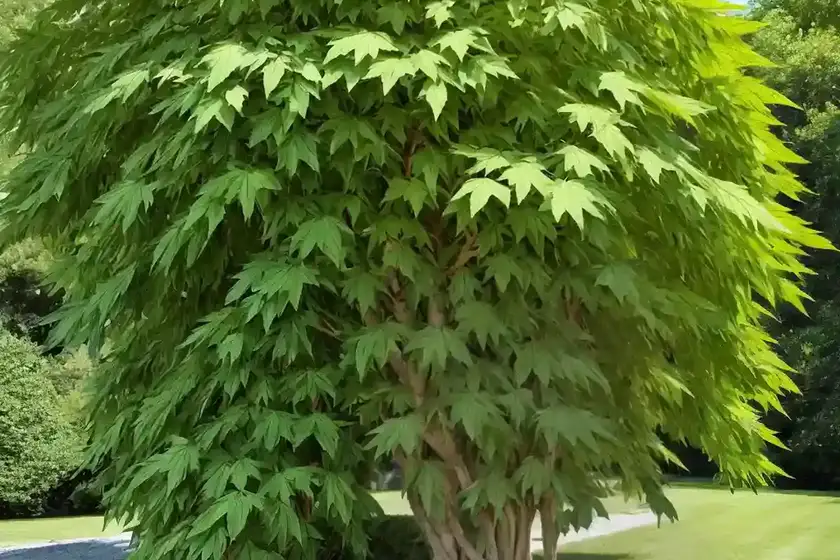
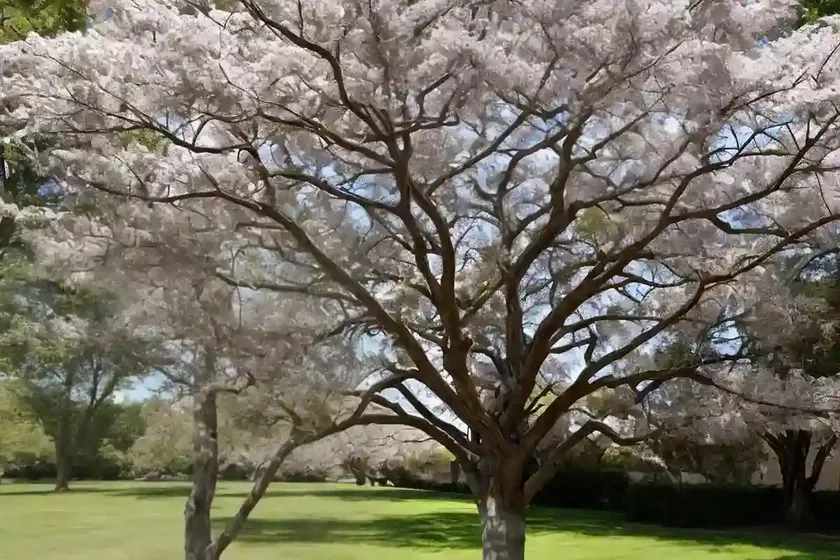
Acer negundo, commonly known as Box Elder, is a fast-growing deciduous tree belonging to the maple family, Aceraceae. It is native to North America, particularly common in the eastern and central parts of the continent. The tree is known for its rapid growth, making it a preferred choice for quick shade or windbreaks. It is often found near riverbanks, streams, and other moist areas where its roots can access abundant water sources.
Key Takeaways – Acer negundo (Box Elder)
- Scientific Name: Acer negundo
- Common Name: Box Elder
- Family: Aceraceae
- Native Range: North America
- Growth Habit: Fast-growing deciduous tree
- Uses: Shade tree, windbreak, ornamental tree
Culture
Uses
The Box Elder tree has several uses, making it a valuable addition to landscapes and ecosystems. Some common uses include:
– Shade Tree: Due to its fast growth, Acer negundo is often planted for providing quick shade in urban and rural areas.
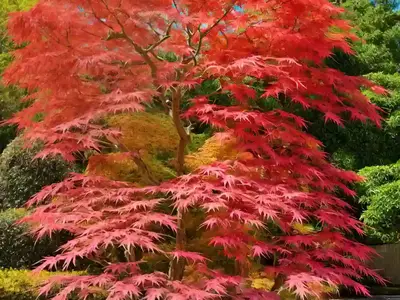
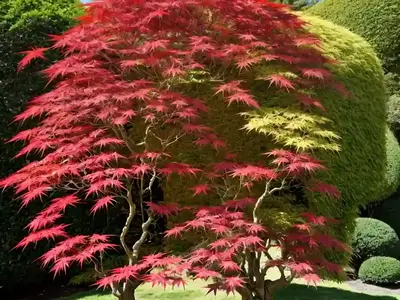
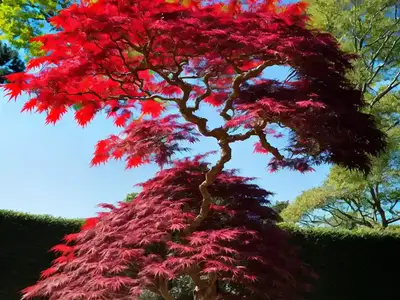
– Ornamental Tree: The tree is valued for its attractive foliage and can be used for ornamental purposes in parks, gardens, and along streets.
– Wildlife Habitat: Box Elder provides food and shelter for various wildlife species, including birds and small mammals.
Water
Acer negundo prefers moist soil and is often found in riparian areas, indicating its affinity for water. However, it can also tolerate drier conditions once established, making it a versatile choice for various landscapes.
Sunlight
The Box Elder tree thrives in full sun to partial shade. It is adaptable and can grow well in a wide range of light conditions, but it prefers full sun for optimal growth and foliage development.
Fertilizer
When it comes to fertilization, Box Elder trees benefit from a balanced, slow-release fertilizer applied in early spring. This can help promote healthy growth and enhance the tree’s overall vigor.
Soil
Acer negundo thrives in a range of soil types, including loamy, sandy, or clay soils, as long as they are well-draining. It is adaptable to varying pH levels and can tolerate both acidic and alkaline soils.
Pruning
Regular pruning is beneficial for Acer negundo to maintain its shape and promote a strong structure. Pruning is best done during the dormant season to prevent excessive sap bleeding.
Propagation
Acer negundo can be propagated through several methods, including:
– Seeds: The tree produces seeds that can be collected and sown in a suitable growing medium.
– Cuttings: Stem cuttings can also be used for propagation, though they may require additional care and rooting hormone to encourage successful establishment.
Container Popularity
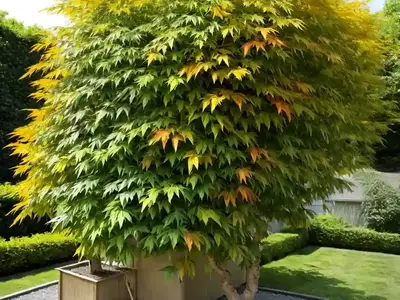
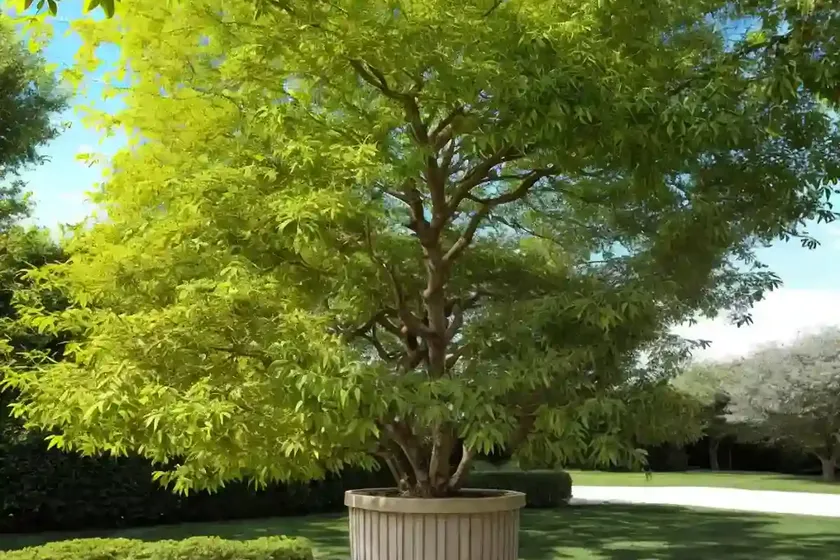
While Acer negundo is commonly planted in landscapes, it can also be grown in containers, particularly when young. However, it is important to select a large enough container to accommodate the tree’s vigorous growth.
Container Common Diseases
When grown in containers, Box Elder trees may be susceptible to certain diseases, including:
– Root Rot: Overly wet conditions can lead to root rot in container-grown trees.
– Powdery Mildew: This fungal disease can affect the foliage, especially in humid environments.
Disease Diagnosis
Diagnosing diseases in Acer negundo involves careful observation of symptoms such as leaf discoloration, wilting, or visible fungal growth. Proper identification is crucial to implementing effective disease management strategies.
Common Pests
Several pests may target Box Elder trees, including:
– Boxelder Bugs: These insects feed on the sap of the tree and can be a nuisance, especially in large numbers.
– Aphids: Aphid infestations can lead to distorted growth and honeydew secretion on the foliage.
Botanist’s Tips
- When selecting a location for planting Box Elder trees, consider its potential for rapid growth and large size at maturity. Allow ample space for the tree to develop without interference.
- Regular inspections for pests and diseases are crucial for maintaining the vitality of Acer negundo. Early intervention can prevent significant damage.
Fun Facts
- The young twigs and leaves of Box Elder trees are often tinged with a purplish hue, adding to their visual appeal.
- Despite its name, Box Elder is not a true elder tree (Sambucus spp.) but is instead a member of the maple family.
Links to External Resources
For more information on Acer negundo and its cultivation, you can explore the following resources:
– USDA Plants Database
– Missouri Botanical Garden – Acer negundo
In conclusion, Acer negundo, or Box Elder, offers a range of valuable qualities for landscapes and natural settings. From its rapid growth to its adaptability, this tree has earned its place as a favored choice for various planting purposes. By understanding the cultural needs, propagation methods, and potential challenges associated with Box Elder trees, gardeners and land managers can make informed decisions regarding the inclusion of this species in their environments.