Abelia X Grandiflora ‘Mardi Gras’ (Glossy Abelia)
The world of plants is incredibly diverse and fascinating. Each species has its own unique characteristics, requirements, and benefits. In this.
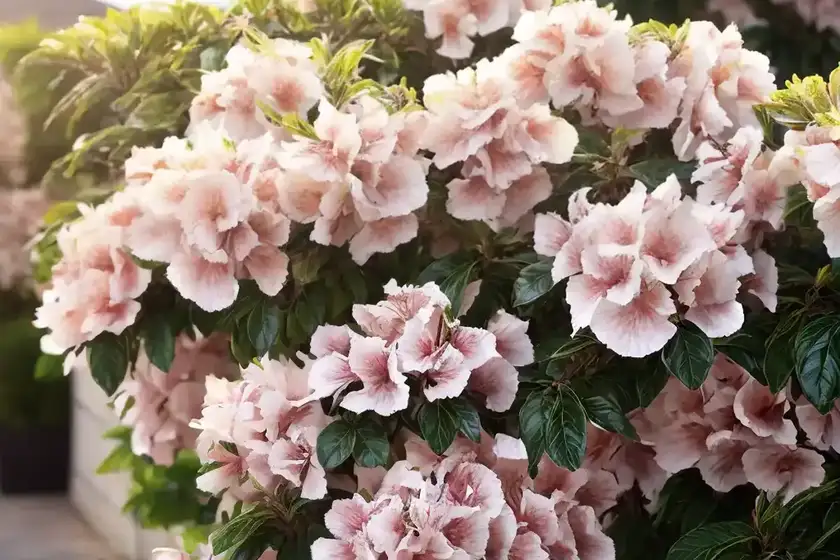
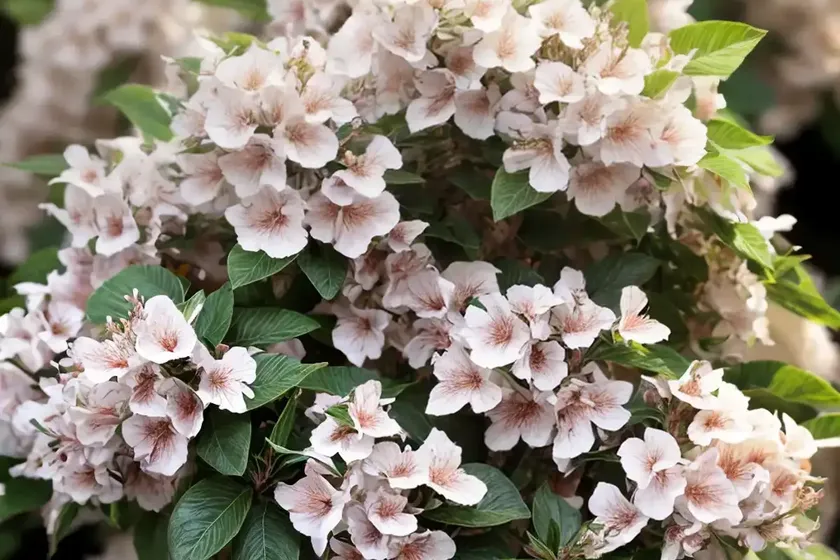
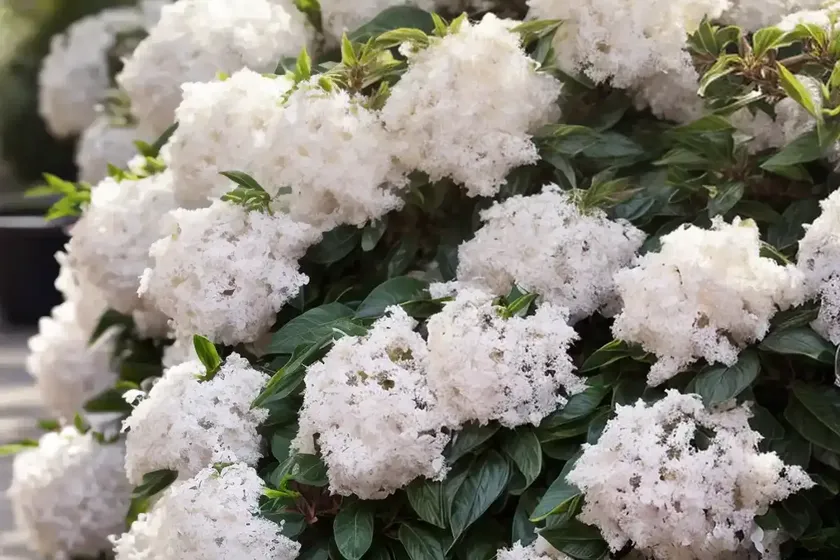
The world of plants is incredibly diverse and fascinating. Each species has its own unique characteristics, requirements, and benefits. In this comprehensive guide, we will delve into the fascinating world of the Abelia x grandiflora ‘Mardi Gras,’ commonly known as the Glossy Abelia. We will explore its cultural requirements, uses, maintenance practices, common diseases and pests, as well as some interesting botanist’s tips. By the end of this guide, you will have a thorough understanding of this exceptional plant and how to care for it in your own garden or landscape.
What is Abelia x grandiflora ‘Mardi Gras’ (Glossy Abelia)?
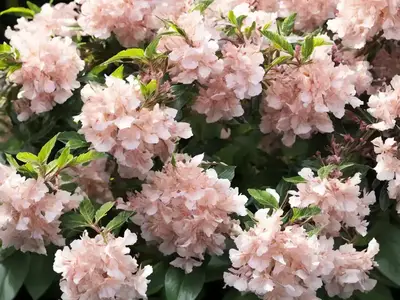
Abelia x grandiflora ‘Mardi Gras’ is a cultivar of the glossy abelia, a hybrid of Abelia chinensis and Abelia uniflora. The ‘Mardi Gras’ variety is known for its compact and mounding growth habit, making it a popular choice for hedges, borders, or standalone ornamental shrubs. This evergreen shrub boasts vibrant foliage and delicate flowers, adding a splash of color to any landscape.
The glossy abelia is valued for its versatility, low maintenance requirements, and ornamental appeal, making it a sought-after choice for gardeners and landscapers alike. With proper care, it can thrive in a variety of environments, enhancing the beauty of gardens, parks, and urban landscapes.
Key Takeaways – Abelia x grandiflora ‘Mardi Gras’ (Glossy Abelia)
Before delving into the specific care and maintenance considerations, let’s outline the key takeaways for Abelia x grandiflora ‘Mardi Gras’:
- Botanical Name: Abelia x grandiflora ‘Mardi Gras’
- Common Name: Glossy Abelia
- Plant Type: Evergreen shrub
- Mature Height: 2-3 feet
- Mature Spread: 3-4 feet
- Sunlight: Full sun to partial shade
- Watering: Regular watering during the first growing season; drought-tolerant once established
- Soil Requirements: Well-draining soil
- Hardiness Zone: 6-9
- Flowering Season: Summer to fall
- Landscape Uses: Hedges, borders, containers, mass plantings
- Special Features: Fragrant flowers, colorful foliage
With these key points in mind, let’s explore the detailed cultural and maintenance aspects of cultivating Abelia x grandiflora ‘Mardi Gras.’
Culture
Water
When it comes to watering glossy abelia, it’s important to provide consistent moisture, especially during the first growing season to help the plant establish its roots. Once established, the glossy abelia is known for its drought tolerance, making it a resilient choice for dry or arid conditions. It’s crucial to strike a balance to prevent over-watering, which can lead to root rot and other moisture-related issues.
To maintain optimal moisture levels, a layer of organic mulch can be applied around the base of the plant to help retain soil moisture and regulate temperature.
Sunlight
Glossy abelia thrives in a location that receives full sun to partial shade. While it can tolerate some shade, providing ample sunlight ensures robust growth and abundant flowering. In regions with intense heat, partial shade during the hottest part of the day can be beneficial to protect the plant from excessive sun exposure.
Ensuring adequate sunlight is essential for promoting vibrant foliage colors and prolific flowering throughout the growing season.
Fertilizer
Proper nutrition is crucial for the healthy growth of glossy abelia. A balanced, slow-release fertilizer can be applied in spring to provide essential nutrients for the upcoming growing season. It’s important to follow the recommended dosage and application instructions to prevent over-fertilization, which can be detrimental to the plant’s health.
Selecting a fertilizer specifically formulated for flowering shrubs can support strong root development, lush foliage, and bountiful blooms.
Soil
Well-draining soil is essential for the glossy abelia to thrive. It prefers moderately fertile soil with good drainage to prevent waterlogging and root suffocation. If the soil is heavy or compacted, amending it with organic matter such as compost can improve its structure and drainage capabilities.
Ensuring proper soil conditions sets the stage for healthy root development, effective nutrient uptake, and overall vitality of the plant.
Pruning
Pruning is an important aspect of glossy abelia maintenance to promote a tidy appearance, encourage new growth, and shape the plant as desired. Pruning can be carried out in late winter or early spring before the onset of new growth.
Key pruning considerations for the glossy abelia include:
- Removing dead or damaged branches: This not only enhances the plant’s aesthetic appeal but also prevents disease spread and promotes overall plant health.
- Thinning out overcrowded growth: Eliminating excessive growth can improve air circulation and sunlight penetration, reducing the risk of disease and encouraging balanced development.
- Shaping the plant: Trimming the plant to achieve a desired form or size can be beneficial for maintaining its appearance within the landscape.
Proper pruning techniques, including the use of sharp, clean tools and strategic branch selection, can help achieve optimal results without compromising the plant’s health.
Propagation
Glossy abelia can be propagated through various methods, including:
- Softwood cuttings: These are taken in early summer when the plant’s new growth is still soft and pliable. They are then rooted in a suitable propagation medium to generate new plants.
- Hardwood cuttings: Collected from mature, woody stems during the dormant season. They are typically planted in a prepared rooting medium and encouraged to form roots under controlled conditions.
- Division: Mature glossy abelia plants can be divided into multiple sections, each containing root systems and shoots. This method can be effective for increasing the number of plants and rejuvenating older specimens.
Each propagation method has its specific requirements and considerations, and success rates can vary based on environmental factors and plant health.
Container Popularity
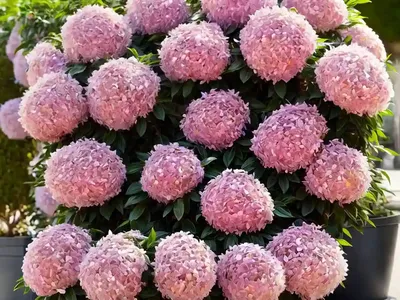
The compact size and ornamental qualities of glossy abelia make it a popular choice for container gardening. Whether grown in individual pots or as part of a mixed container arrangement, it can add visual interest to patios, balconies, or outdoor living spaces. When selecting a container for glossy abelia, it’s important to choose one with adequate drainage holes to prevent water accumulation, which can lead to root rot.
Regular monitoring of soil moisture, sunlight exposure, and proper fertilization is essential to ensure the well-being of glossy abelia grown in containers.
Common Diseases
Disease Diagnosis
Glossy abelia is relatively resistant to diseases, but it may occasionally encounter certain issues that can affect its health and appearance. Some common diseases that can affect glossy abelia include:
- Powdery mildew: This fungal disease manifests as a powdery, white coating on the leaves, affecting the plant’s overall vigor and aesthetics. It thrives in humid conditions and can be managed through proper air circulation and fungicidal treatments.
- Leaf spots: Various fungal pathogens can cause dark spots or lesions on the leaves, potentially leading to defoliation and reduced vitality. Improving air circulation, avoiding overhead watering, and applying appropriate fungicides can help mitigate this issue.
- Root rot: Excessive soil moisture or poor drainage can lead to root rot, causing wilting, yellowing of leaves, and overall decline. Addressing soil drainage issues and adjusting watering practices are essential for preventing and managing this condition.
Common Pests
Glossy abelia is relatively resistant to pest infestations, but it may still encounter some common pests including:
- Aphids: These small, sap-sucking insects can cluster on the foliage and stems, causing distortion of new growth and potentially transmitting viral diseases. Natural predators, such as ladybugs or lacewings, can help control aphid populations, and insecticidal soaps can be utilized for severe infestations.
- Spider mites: These tiny arachnids can cause stippling and webbing on the leaves, leading to reduced vigor and potential leaf loss. Regularly spraying the plant with water can help prevent and manage spider mite infestations, and horticultural oils can be utilized for control.
- Scale insects: These pests can appear as small, raised bumps on the stems or leaves, sucking plant juices and leading to weakened growth. Pruning infested areas and applying horticultural oils can aid in controlling scale populations.
Regular monitoring and early intervention are crucial for managing pest issues and preventing potential damage to glossy abelia.
Botanist’s Tips
As a plant scientist with a passion for botany, I’ve gathered some valuable tips for cultivating and caring for glossy abelia based on my experience and observations:
- Consistent moisture: While glossy abelia exhibits drought tolerance, ensuring consistent moisture during its initial establishment phase can promote strong root development and overall resilience.
- Balanced fertilization: A balanced, slow-release fertilizer can support robust growth and abundant flowering without overstimulating excessive vegetative growth.
- Pruning considerations: When pruning glossy abelia, it’s important to maintain its natural form and shape while removing dead or excessive growth to promote a healthy and aesthetically pleasing appearance.
- Environmental adaptability: Glossy abelia can adapt to a range of soil types and environmental conditions, making it a versatile and adaptable choice for various landscapes and settings.
By applying these botanical insights, you can enrich the health and beauty of glossy abelia in your garden or landscape, creating a vibrant and thriving natural environment.
Fun Facts
To further appreciate the beauty and uniqueness of the glossy abelia, here are some fun and interesting facts about this remarkable plant:
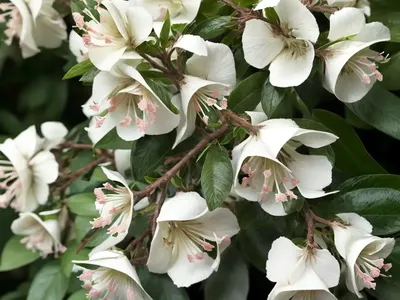
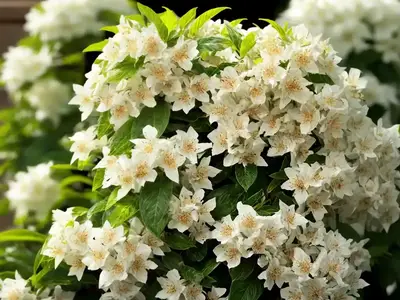
- Fragrant blooms: Glossy abelia produces delicate, tubular flowers with a sweet and pleasant fragrance, attracting pollinators such as bees and butterflies.
- Seasonal interest: Its evergreen foliage offers year-round visual appeal, with changes in color and texture during different seasons, adding dynamic interest to the landscape.
- Wildlife attraction: The flowers of glossy abelia can entice a variety of pollinators, contributing to the ecological diversity and vitality of the surrounding environment.
These fun facts illuminate the exceptional qualities and ecological contributions of glossy abelia, elevating its significance in the natural world.
Links to External Resources
For further exploration and research on Abelia x grandiflora ‘Mardi Gras’ (Glossy Abelia) and related topics, here are some valuable external resources to consider:
-
American Horticultural Society – The American Horticultural Society provides comprehensive information on gardening, plants, and horticultural practices, offering valuable insights into the cultivation of Abelia x grandiflora ‘Mardi Gras’.
-
Royal Horticultural Society – The Royal Horticultural Society offers a wealth of resources on plant care, gardening techniques, and horticultural education, providing in-depth guidance on growing and maintaining Glossy Abelia.
-
[University Extension Services] – Many university extension services, such as the University of California Agriculture and Natural Resources and Cooperative Extension at the University of Arizona, provide research-based information on horticulture, including specific guidance on Abelia x grandiflora ‘Mardi Gras’ cultivation.
-
[Botanical Gardens and Arboreta] – Visiting botanical gardens and arboreta with extensive plant collections can offer firsthand experiences and insights into the beauty and diversity of Glossy Abelia, expanding your appreciation for this exceptional plant.
By tapping into these external resources, you can deepen your knowledge and skills in cultivating and appreciating Glossy Abelia, fostering a deeper connection with the natural world.
In conclusion, Abelia x grandiflora ‘Mardi Gras’ (Glossy Abelia) stands as a versatile, ornamental shrub that enriches landscapes with its vibrant foliage, fragrant blooms, and ecological contributions. By understanding its cultural requirements, maintenance practices, and botanical significance, you can cultivate and steward this remarkable plant with confidence and appreciation, fostering a thriving and harmonious natural environment.
Remember to revel in the beauty of nature and the intricacies of plant life as you embark on your journey with the captivating Glossy Abelia. Happy gardening!
Sources:
– Plant Propagation, Second Edition, by American Society for Horticultural Science
– Western Garden Book, by Sunset Publishing Corporation
– Dirr’s Encyclopedia of Trees and Shrubs, by Michael A. Dirr