Zantedeschia ‘Gold Rush’ (Calla Lily): A Comprehensive Guide
Zantedeschia ‘Gold Rush’ is a captivating and elegant plant that enhances the beauty of any landscape or indoor garden. Its unique foliage and vibrant blooms make it a popular choice among gardeners and landscapers. In this comprehensive guide, we will delve into the various aspects of cultivating and caring for Zantedeschia ‘Gold Rush’, also known as Calla Lily, covering its culture, uses, water, sunlight, fertilizer, soil, pruning, propagation, container gardening, popularity, common diseases, disease diagnosis, common pests, botanist’s tips, fun facts, and more.

Plant Name: Zantedeschia ‘Gold Rush’ (Calla Lily)
Key Takeaways
Zantedeschia ‘Gold Rush’ (Calla Lily)
- Plant Name: Zantedeschia ‘Gold Rush’ (Calla Lily)
- Culture: Moderate
- Uses: Ornamental purposes, cut flowers
- Water: Regular watering, well-draining soil
- Sunlight: Partial to full sun
- Fertilizer: Balanced liquid fertilizer
- Soil: Rich, well-draining
- Pruning: Deadheading spent blooms
- Propagation: Division and seeds
- Container: Suitable for container gardening
- Popularity: Widely admired for its striking appearance
- Common Diseases: Leaf spot, root rot
- Common Pests: Aphids, spider mites
Now, let’s explore the various aspects of cultivating and caring for Zantedeschia ‘Gold Rush’ in detail.
Culture
Zantedeschia ‘Gold Rush’ is a plant that thrives under moderate conditions. It requires adequate watering, sufficient sunlight, and a well-balanced fertilizer regime for optimal growth and blooming.
Uses
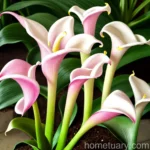
The Zantedeschia ‘Gold Rush’ is primarily grown for ornamental purposes, adding a touch of elegance and charm to gardens, landscapes, and indoor settings. Additionally, its striking blooms make it a popular choice for cut flower arrangements and bouquets.
Water
Proper watering practices are crucial for the health and well-being of Zantedeschia ‘Gold Rush’. It thrives in consistently moist, well-draining soil. While it appreciates moist conditions, it is essential to avoid overwatering, which can lead to waterlogged soil and root rot.
Sunlight
Zantedeschia ‘Gold Rush’ flourishes in partial to full sun exposure. It performs best in locations that receive ample sunlight, providing the energy it needs for robust growth and prolific blooming.
Fertilizer
A balanced liquid fertilizer applied during the growing season can significantly enhance the growth and blooming of Zantedeschia ‘Gold Rush’. Regular application of a well-formulated fertilizer supports the plant’s nutritional requirements, promoting healthy foliage and vibrant blooms.
Soil
The ideal soil for Zantedeschia ‘Gold Rush’ is one that is rich, fertile, and well-draining. A slightly acidic to neutral pH level is preferred, ensuring that the plant’s roots have access to essential nutrients and oxygen.
Pruning
Regular deadheading of spent blooms is beneficial for Zantedeschia ‘Gold Rush’. Removing faded flowers encourages the plant to produce new blooms and helps maintain a tidy and attractive appearance throughout the growing season.
Propagation
Zantedeschia ‘Gold Rush’ can be propagated through division and seeds. Division is a common method used to propagate mature plants, while seeds offer an opportunity to grow new plants from scratch.
Container Gardening
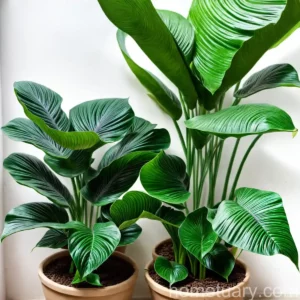
The Zantedeschia ‘Gold Rush’ is well-suited for container gardening, allowing enthusiasts to enjoy its beauty in a versatile and portable manner. When growing in containers, it is essential to ensure proper drainage and provide adequate space for the plant’s roots to thrive.
Popularity
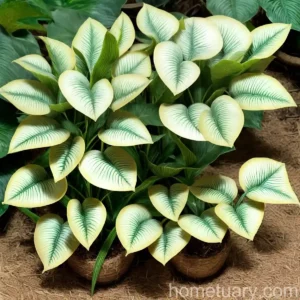
Zantedeschia ‘Gold Rush’ is widely admired for its captivating appearance and is a sought-after addition to gardens, landscapes, and indoor spaces. Its unique foliage and vibrant blooms make it a favorite among gardeners and horticultural enthusiasts.
Common Diseases
Like many plants, Zantedeschia ‘Gold Rush’ is susceptible to certain diseases, including leaf spot and root rot. Implementing proper cultural practices and vigilant monitoring can help mitigate the risk of these common ailments.
Disease Diagnosis
Early detection and prompt intervention are crucial in managing and treating diseases that may affect Zantedeschia ‘Gold Rush’. By closely monitoring the plant for any signs of discoloration, wilting, or unusual growth, gardeners can take proactive measures to address potential issues.
Common Pests
Pests such as aphids and spider mites can pose a threat to the health of Zantedeschia ‘Gold Rush’. Regular inspection and the use of appropriate pest control measures can help protect the plant from infestations and damage caused by these nuisances.
Botanist’s Tips
- Provide regular and consistent moisture without waterlogging the soil.
- Ensure adequate sunlight exposure for optimal growth and blooming.
- Use a well-balanced fertilizer to support the plant’s nutritional needs.
- Monitor for signs of diseases and pests, taking proactive measures as needed.
Fun Facts
- The calla lily is not a true lily and belongs to the genus Zantedeschia.
- Its vibrant blooms come in various colors, including white, yellow, pink, and purple.
- The calla lily holds symbolic meanings of purity, faith, and rebirth in different cultures and traditions.
Now that we’ve explored the various aspects of cultivating and caring for Zantedeschia ‘Gold Rush’, let’s take a look at some external resources for additional information and guidance.
Links to External Resources
- Royal Horticultural Society – Zantedeschia Culture
- University of California – Calla Lily Growing Guide
- American Society for the Prevention of Cruelty to Animals – Toxic and Non-Toxic Plants: Calla Lily
By leveraging the information and insights provided in this guide, gardeners and enthusiasts can effectively cultivate and care for Zantedeschia ‘Gold Rush’, ensuring that it thrives and flourishes in various settings. Whether gracing a garden landscape, adorning a container garden, or enhancing an indoor space, the captivating allure of the Calla Lily is sure to leave a lasting impression.