Zantedeschia Elliottiana (Golden Calla Lily)
Zantedeschia elliottiana, more commonly known as the Golden Calla Lily, is a stunning plant that captivates with its vibrant yellow flowers and unique.
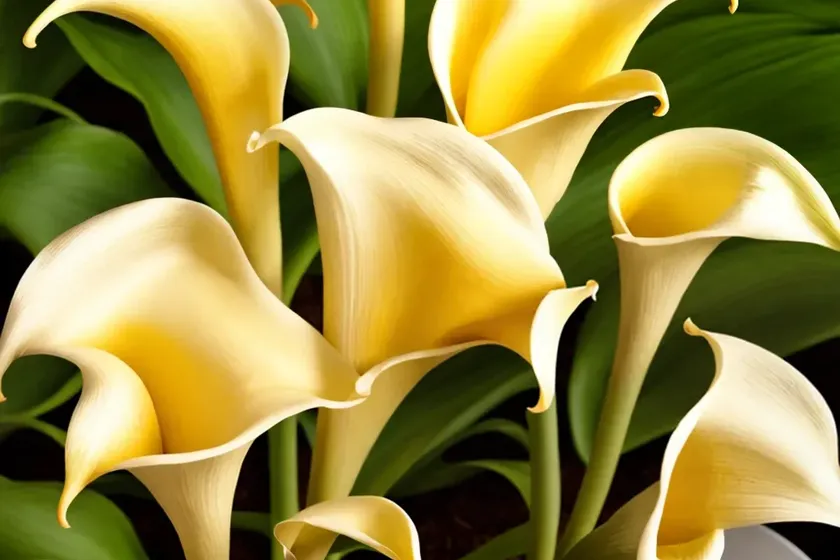
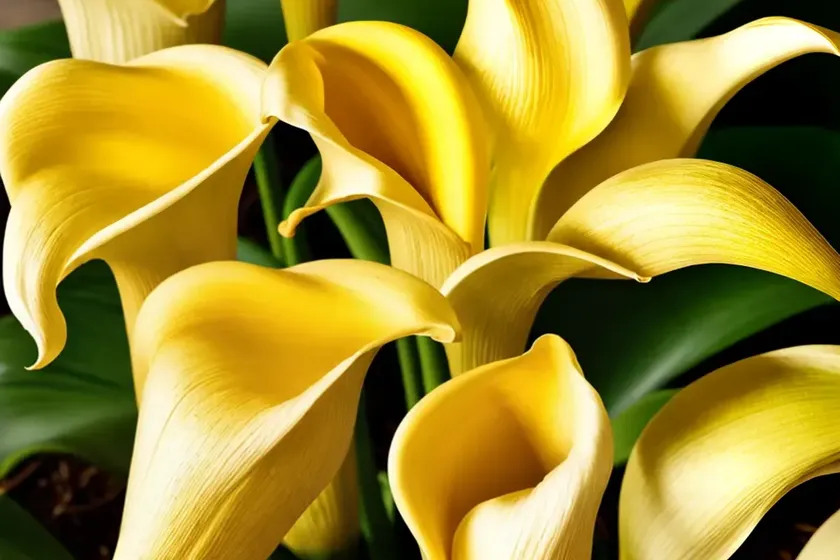
Zantedeschia elliottiana, more commonly known as the Golden Calla Lily, is a stunning plant that captivates with its vibrant yellow flowers and unique foliage. Native to South Africa, this plant belongs to the Araceae family and is widely cultivated for its ornamental value. In this comprehensive guide, we will delve into various aspects of caring for and cultivating Zantedeschia elliottiana, from its cultural requirements to common diseases and pests to propagation and beyond.
Amidst the lush botanical world, the Golden Calla Lily stands out for its elegance and versatility. Whether you’re an avid gardener, a landscape designer, or simply an appreciator of nature’s beauty, this plant has much to offer. By understanding its nuances and specific needs, you can foster an environment in which Zantedeschia elliottiana thrives, bringing joy and fascination to your surroundings.
What is Zantedeschia elliottiana (Golden Calla Lily)?
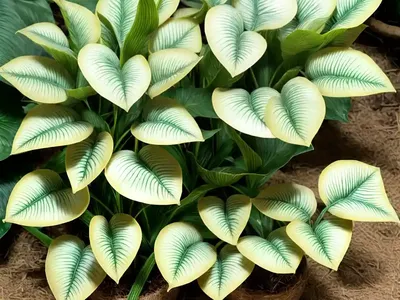
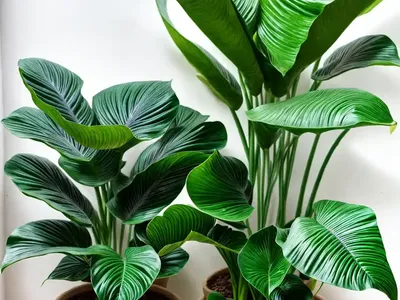
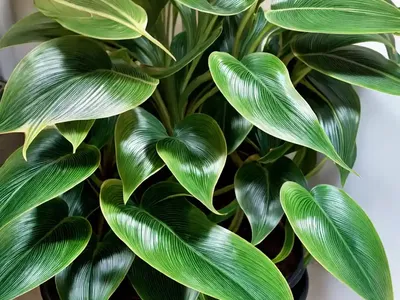
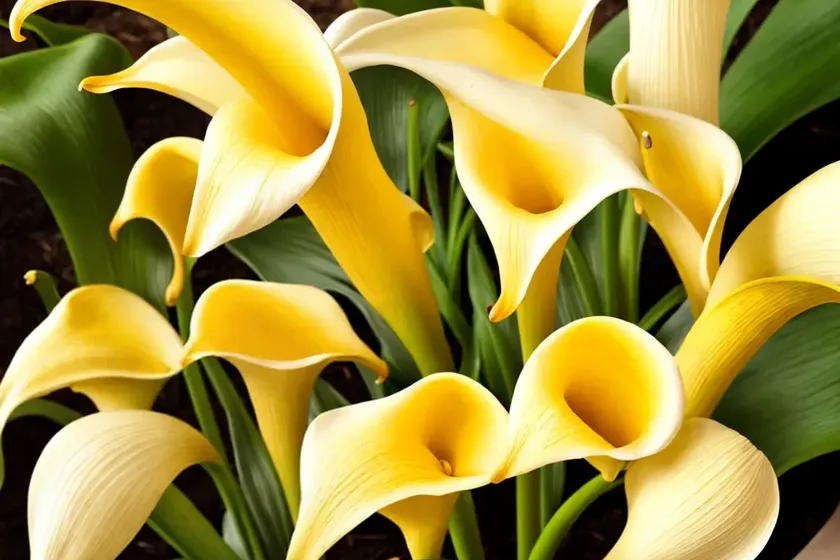
Zantedeschia elliottiana, commonly known as the Golden Calla Lily, is a species of herbaceous perennial plant in the Araceae family. It is native to South Africa, particularly in the Eastern Cape region. The plant is characterized by its vibrant yellow spathes and unique arrow-shaped foliage. This striking combination of bright flowers and interesting leaves makes it a popular choice for ornamental gardening and landscaping.
The Golden Calla Lily is a clump-forming plant, and when cultivated, it can grow to a height of about 60-90 cm (24-36 inches). It typically blooms from late spring to early summer, adding a splash of color to gardens and indoor arrangements.
Key Takeaways – Zantedeschia elliottiana (Golden Calla Lily)
Before we delve into the various aspects of caring for Zantedeschia elliottiana, let’s take a moment to highlight the key takeaways of the plant:
- Scientific Name: Zantedeschia elliottiana
- Common Name: Golden Calla Lily
- Family: Araceae
- Native Habitat: South Africa, Eastern Cape region
- Characteristics: Vibrant yellow spathes, arrow-shaped foliage, herbaceous perennial
- Cultural Uses: Ornamental gardening, landscaping, cut flowers
- Blooming Period: Late spring to early summer
- Height: Approximately 60-90 cm (24-36 inches)
- Special Features: Elegant and striking appearance, suitable for both outdoor and indoor cultivation
Now that we have a basic understanding of the Golden Calla Lily, let’s explore the various facets of caring for this captivating plant.
Culture
Cultivating Zantedeschia elliottiana requires an understanding of its specific cultural requirements. From the type of soil to the ideal watering regimen, providing the right environment is vital for the plant’s overall health and blooming potential.
Uses
The Golden Calla Lily is primarily cultivated for its ornamental value. From gardens to floral arrangements, its vibrant yellow spathes and unique foliage add a touch of elegance and allure to any setting. As a cut flower, it is also sought after for its striking appearance and longevity in arrangements.
Water
Proper watering is essential for the health and blooming of Zantedeschia elliottiana. The plant prefers consistently moist soil, especially during its active growth period. However, it is essential to avoid waterlogging, as this can lead to root rot and other issues. During the blooming period, it is advisable to maintain a slightly higher level of soil moisture to support robust flower production.
Sunlight
Zantedeschia elliottiana thrives in partial shade to full sun conditions. In regions with intense heat, partial shade is preferable as it provides some protection from the midday sun. Adequate sunlight exposure is crucial for the plant’s overall growth and blooming. However, it is equally important to ensure that it is not subjected to prolonged periods of scorching sunlight, especially during the peak of summer.
Fertilizer
Applying a balanced fertilizer formulated for flowering plants can significantly enhance the growth and blooming of Zantedeschia elliottiana. A fertilizer with a higher phosphorus content is beneficial, as it supports robust flower production. It is recommended to fertilize the plant during its active growth period, following the instructions on the product label to prevent over-fertilization.
Soil
The Golden Calla Lily thrives in well-draining, fertile soil. A mix of organic matter such as compost or well-rotted manure can enrich the soil and provide the necessary nutrients for healthy growth. Additionally, maintaining a slightly acidic to neutral pH level in the soil is advantageous for the plant’s overall vigor and blooming potential.
Pruning
Pruning is an essential aspect of maintaining the health and appearance of Zantedeschia elliottiana. By removing spent blooms, damaged foliage, and occasional overcrowding, you can promote continuous blooming and prevent the plant from becoming unsightly. Pruning should be carried out with clean, sharp tools to minimize the risk of disease transmission or damage to the plant.
Propagation
Propagating Zantedeschia elliottiana can be achieved through several methods, including division of rhizomes and seeds. Division of established clumps is the most common and reliable method for propagating the plant. This process involves carefully separating the rhizomes and ensuring that each division has a sufficient number of healthy roots and growing points. Propagation by seeds is also possible, though it may take longer to produce mature, blooming plants.
Container Popularity
The Golden Calla Lily is well-suited for container cultivation, making it a popular choice for balconies, patios, and indoor spaces. Its striking appearance and relatively compact size allow it to thrive in containers, adding a touch of elegance to any setting.
Container Common Diseases
When grown in containers, Zantedeschia elliottiana may be susceptible to certain diseases, including fungal infections and root rot. Proper container drainage, well-draining soil, and adequate airflow can help mitigate these issues. Additionally, practicing good watering habits and avoiding overwatering can further safeguard the plant from container-specific diseases.
Disease Diagnosis
Diagnosing diseases in Zantedeschia elliottiana requires a keen eye for changes in foliage color, texture, and overall plant vigor. Common signs of disease include yellowing or browning of leaves, wilting, and abnormal growth patterns. Identifying the specific symptoms and patterns can aid in accurately diagnosing and addressing potential diseases.
Common Pests
While relatively resilient, Zantedeschia elliottiana may encounter pests such as aphids, spider mites, and thrips. Regular monitoring of the plant can help detect pest infestations early, enabling prompt and targeted intervention. Additionally, practicing good garden hygiene and providing suitable growing conditions can help mitigate pest issues.
Botanist’s Tips
The following tips can enhance the overall care and cultivation of Zantedeschia elliottiana:
- Mulching: Applying a layer of organic mulch around the base of the plant can help retain soil moisture and suppress weed growth.
- Air Circulation: Ensuring adequate airflow around the plant can minimize the risk of fungal diseases and promote overall plant health.
- Deadheading: Regular removal of spent blooms can encourage continuous flowering and maintain the plant’s aesthetic appeal.
- Overwintering: In regions with cold winters, providing protection or bringing container-grown plants indoors can help safeguard them from frost damage.
Fun Facts
As we explore the captivating world of Zantedeschia elliottiana, here are a few fun and intriguing facts about the Golden Calla Lily:
- The Golden Calla Lily is not a true lily, despite its common name. It belongs to the Araceae family, distinct from lilies in the Liliaceae family.
- Zantedeschia elliottiana is valued not only for its vibrant flowers but also for its attractive foliage, which adds texture and visual interest to gardens and arrangements.
- The plant’s scientific name, Zantedeschia, is derived from the Italian botanist Giovanni Zantedeschi, while “elliottiana” honors American botanist Stephen Elliott.
Links to External Resources
For further exploration and in-depth information on the care and cultivation of Zantedeschia elliottiana, the following external resources are valuable references:
- Royal Horticultural Society – Zantedeschia Growing Guide
- University of Minnesota Extension – Calla Lily Care Guide
- American Society for the Prevention of Cruelty to Animals – Calla Lily Plant Guide
In conclusion, Zantedeschia elliottiana, or the Golden Calla Lily, is a mesmerizing plant that captivates with its vibrant flowers and unique foliage. Whether adorning a garden, a floral arrangement, or a potted container, its elegance and charm know no bounds. By understanding its cultural requirements, addressing potential diseases and pests, and harnessing the botanist’s tips, you can cultivate a thriving and visually stunning display of nature’s brilliance.
As you embark on your journey with Zantedeschia elliottiana, may the Golden Calla Lily enrich your surroundings and inspire a deeper appreciation for the marvels of the botanical world.