Zantedeschia Aethiopica (Calla Lily)
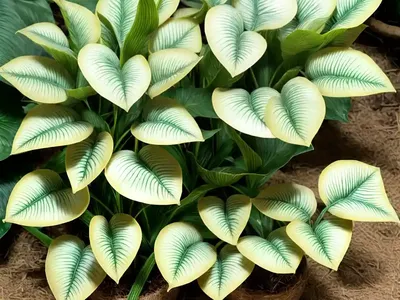
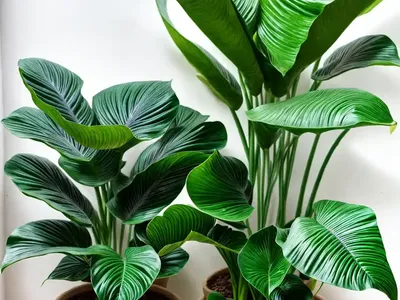
Zantedeschia aethiopica, also known as Calla Lily, is a strikingly beautiful plant that captivates onlookers with its stunning foliage and elegant flowers..
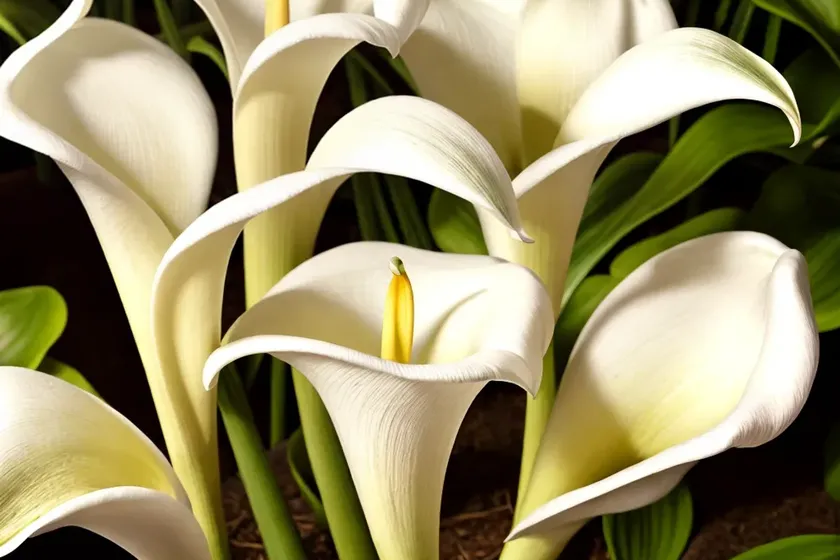
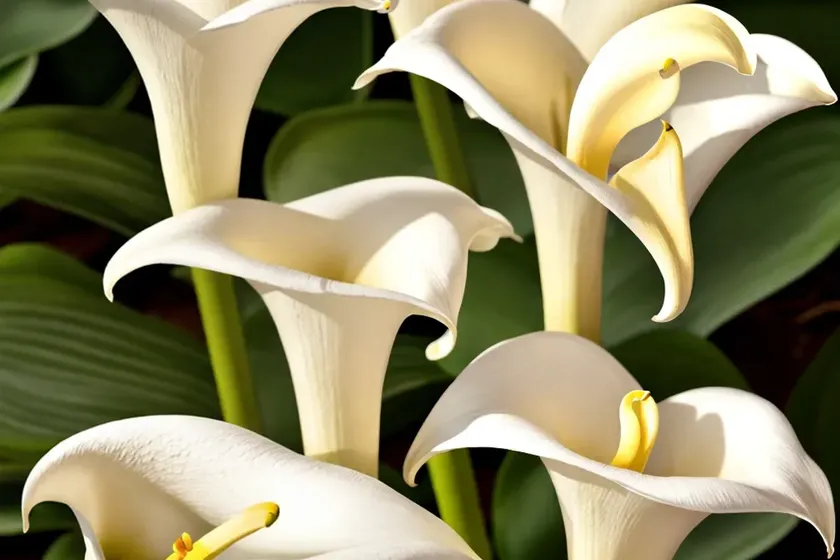
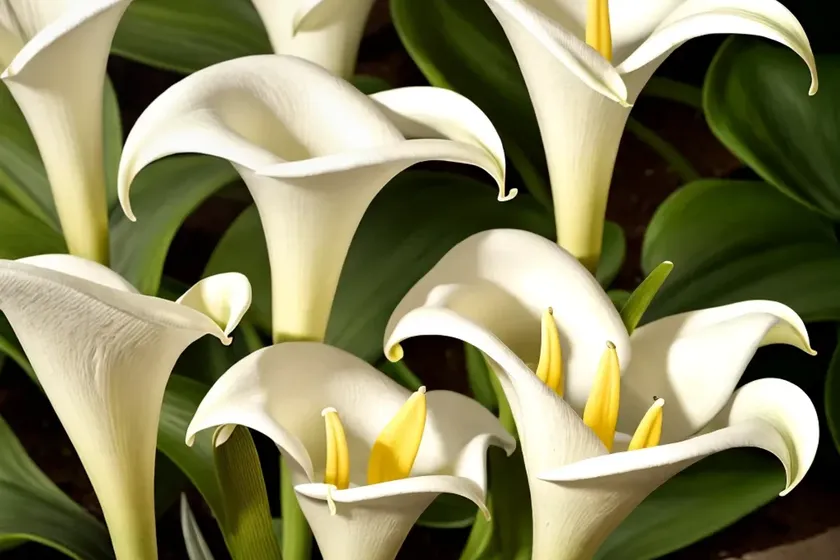
Zantedeschia aethiopica, also known as Calla Lily, is a strikingly beautiful plant that captivates onlookers with its stunning foliage and elegant flowers. This article delves deep into the fascinating world of Zantedeschia aethiopica, exploring its cultural significance, uses, and key requirements for growth and care.
What is Zantedeschia aethiopica (Calla Lily)?
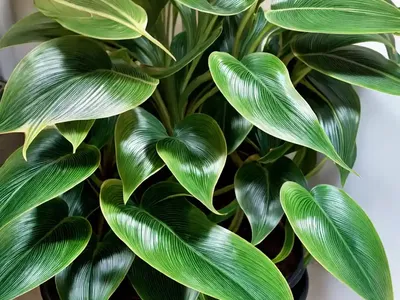
Zantedeschia aethiopica, commonly referred to as Calla Lily, is a perennial herbaceous plant belonging to the Araceae family. Originating from South Africa, this plant has gained global popularity for its unique and sophisticated appearance. It is recognized for its large, glossy, arrowhead-shaped leaves and distinctive trumpet-like flowers, which come in an array of colors, including white, pink, and yellow.
Key Takeaways – Zantedeschia aethiopica (Calla Lily)
– Calla Lily plant
– Zantedeschia aethiopica care
– Growing Calla Lilies
– Zantedeschia aethiopica flowers
– Calla Lily plant information
The allure of Zantedeschia aethiopica lies not only in its aesthetic appeal but also in its varied cultural, ornamental, and medicinal uses. Let’s explore the numerous facets of this fascinating plant.
Culture
The cultural significance of Zantedeschia aethiopica spans many civilizations and traditions. In some cultures, the Calla Lily is associated with purity, faith, and rebirth, making it a popular choice for wedding bouquets and floral arrangements. The white Calla Lily, in particular, is often used in ceremonies and religious rituals to symbolize purity and divinity.
Symbolizing resurrection and the triumph of life over death, the Calla Lily is an integral part of Easter celebrations in various parts of the world. The plant’s elegant form and vibrant hues make it a favored choice for floral decorations during the festive season.
Uses
The versatility of Zantedeschia aethiopica is reflected in its diverse uses. Whether as a captivating ornamental plant, an essential component of garden landscapes, or a source of inspiration for artistic and cultural expression, the Calla Lily holds a special place in human society.
- Ornamental Purposes: Zantedeschia aethiopica’s striking flowers and lush foliage make it a favored choice for ornamental plantings in gardens, parks, and indoor settings. Its graceful appearance adds a touch of elegance to any space, whether in the form of potted plants, border plantings, or cut flower arrangements.
- Art and Culture: The Calla Lily has inspired artists and artisans alike, featuring prominently in paintings, sculptures, and other forms of creative expression. Its alluring form and symbolism have made it a popular motif in art and design across various cultures.
- Medicinal Uses: In traditional medicine, certain parts of the Calla Lily plant have been used for their astringent and antirheumatic properties. However, it’s important to consult with a qualified healthcare professional before using any plant for medicinal purposes.
Growing Conditions
Understanding the key requirements for successful growth and flourishing of Zantedeschia aethiopica is vital for cultivating this magnificent plant. From water and sunlight to soil and fertilization, each aspect plays a crucial role in nurturing healthy and vibrant Calla Lilies.
Let’s explore the essential growing conditions for Zantedeschia aethiopica:
Water
Zantedeschia aethiopica thrives in moist, well-drained soil and requires regular watering, especially during its active growth phase. Adequate moisture is essential for the development of its foliage and flowers. However, it’s crucial to avoid waterlogging, as excessive moisture can lead to root rot and other complications.
Sunlight
Calla Lilies prefer bright, indirect sunlight for optimal growth. While they can tolerate partial shade, providing them with ample light is essential for encouraging robust foliage and vibrant blooms. In regions with hot climates, it is advisable to provide some protection from intense midday sun to prevent leaf scorching.
Soil
The ideal soil for Zantedeschia aethiopica is well-draining, fertile, and rich in organic matter. A slightly acidic to neutral pH range is preferred for promoting healthy root development and overall vigor. Incorporating organic mulch into the soil can help maintain moisture levels and enhance the nutrient content.
Fertilizer
Applying a balanced fertilizer specifically formulated for flowering plants can support the growth and blooming of Zantedeschia aethiopica. A slow-release fertilizer can be applied during the growing season to provide a steady supply of essential nutrients. Care should be taken to follow the manufacturer’s recommendations regarding application rates and frequency.
Pruning
Regular maintenance, including proper pruning, is crucial for promoting the health and longevity of Zantedeschia aethiopica. Pruning should focus on removing faded flowers, yellowing leaves, and any damaged or diseased plant parts. This not only enhances the plant’s appearance but also prevents the onset and spread of diseases.
Propagation
Zantedeschia aethiopica can be propagated through various methods, including division of rhizomes, seed sowing, and tissue culture. Division of rhizomes is the most common and reliable method for propagating Calla Lilies. It involves separating the rhizomes (underground stems) and planting them in well-prepared soil, ensuring proper moisture and warmth to encourage new growth.
Container Popularity
The compact size and ornamental charm of Zantedeschia aethiopica make it an excellent choice for container gardening. Whether on a patio, balcony, or window ledge, Calla Lilies can thrive and dazzle in containers, adding a touch of sophistication to any outdoor or indoor setting.
Common Diseases
Like many plants, Zantedeschia aethiopica is susceptible to certain diseases and pests that can affect its overall health and vitality. Being aware of common diseases and their diagnosis is essential for implementing timely interventions and preventive measures to safeguard the plant’s well-being.
Disease Diagnosis
Some of the common diseases that can afflict Zantedeschia aethiopica include:
- Bacterial Soft Rot: This disease is characterized by water-soaked spots on leaves, which eventually lead to tissue decay. Foul-smelling, slimy lesions may also develop on the affected plant parts.
- Leaf Spot: Leaf spots caused by fungal pathogens can appear as small, water-soaked lesions that gradually expand and turn brown or black. These spots may coalesce, leading to extensive damage to the foliage.
- Root Rot: Excessive moisture and poorly drained soil can lead to root rot, manifesting as discolored, mushy roots and wilting of the plant.
Early detection of these diseases through careful observation of the plant’s appearance and symptoms can aid in prompt treatment and management. Implementing good cultural practices, such as proper watering and sanitation, is crucial in preventing the onset and spread of these diseases.
Common Pests
Pests can pose a significant threat to the health and vitality of Zantedeschia aethiopica, requiring vigilant monitoring and appropriate control measures to mitigate their impact.
Some of the common pests that can affect Calla Lilies include:
- Aphids: These small, sap-sucking insects can cluster on the undersides of leaves, causing yellowing and distortion of the foliage.
- Spider Mites: These tiny arachnids can infest the plant, causing stippling and discoloration of the leaves due to their feeding activity.
- Thrips: Thrips are slender insects that can cause silvering or bronzing of the foliage as they feed on plant sap.
Regular inspection of the plant for signs of pest infestation, such as distorted leaves, stippling, or the presence of insects, is essential for early detection and prompt intervention. Integrated pest management strategies, including cultural, biological, and mechanical control methods, can effectively manage pest populations while minimizing the use of chemical pesticides.
Botanist’s Tips
Here are some essential tips for successfully growing and caring for Zantedeschia aethiopica:
- Provide Adequate Drainage: Ensure that the soil has good drainage to prevent waterlogging, which can lead to root rot and other moisture-related issues.
- Monitor Moisture Levels: Regularly check the moisture levels in the soil, especially during the active growth phase, and adjust watering accordingly to maintain optimal moisture levels.
- Protect from Frost: In regions with cold winters, provide protection from frost by mulching or moving container-grown plants to a sheltered location.
Fun Facts
- The flowers of Zantedeschia aethiopica are not true flowers but are specialized leaf structures called spathes, which surround the central column of tiny, true, inconspicuous flowers.
- In addition to its ornamental value, the rhizomes of Zantedeschia aethiopica are utilized in some culinary traditions as a starchy food source.
- The Calla Lily is associated with various symbolic meanings, representing purity, rebirth, and faith in different cultures and traditions.
Do you want to learn more about Zantedeschia aethiopica? Explore the links below for further insights and information:
- Royal Horticultural Society – Zantedeschia aethiopica
- University of Florida – Calla Lily Production Guide
- North Carolina State University – Growing Calla Lilies in North Carolina
Intriguing, isn’t it? Zantedeschia aethiopica, or Calla Lily, truly captivates with its distinctive charm and cultural significance. Whether adorning a garden landscape or making a bold statement in a floral arrangement, this elegant plant continues to enchant enthusiasts and aficionados worldwide.
Ready to embark on the delightful journey of cultivating and appreciating the timeless beauty of Zantedeschia aethiopica? Your garden awaits the allure of Calla Lilies, adding a touch of grace and sophistication to your natural surroundings.