Yuzu Tree (Citrus Junos)
The Yuzu tree (Citrus Junos) is a remarkable citrus tree that is popularly known for its unique fruit and ornamental value. This blog post will take an.
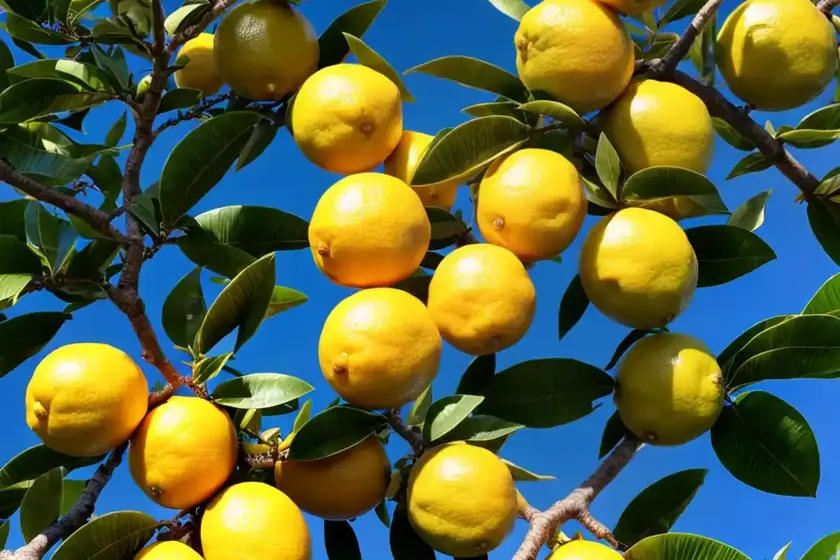
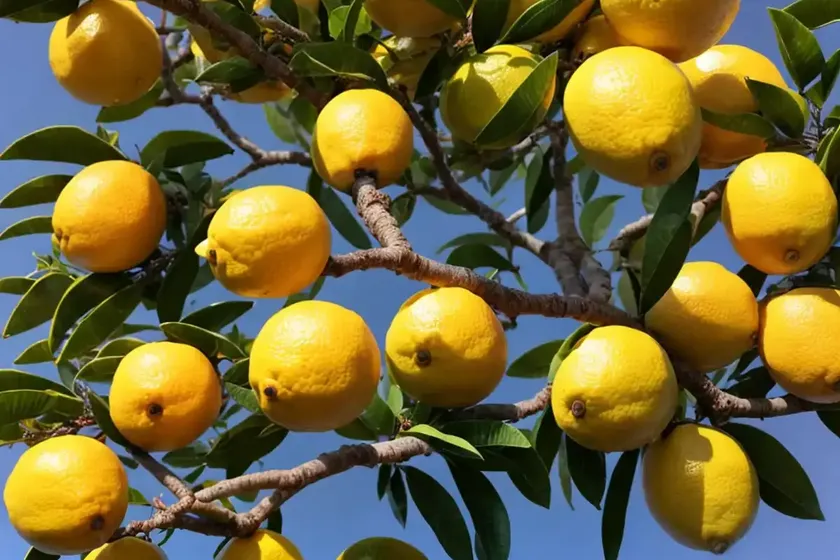
The Yuzu tree (Citrus Junos) is a remarkable citrus tree that is popularly known for its unique fruit and ornamental value. This blog post will take an in-depth look at the Yuzu tree, covering its characteristics, growing requirements, care tips, uses, and much more. Whether you are a seasoned gardener or a novice plant enthusiast, this comprehensive guide will provide valuable insights into cultivating and caring for the Yuzu tree.
What is Yuzu?
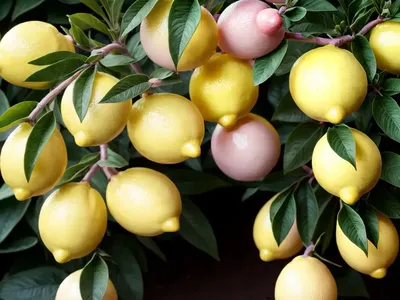
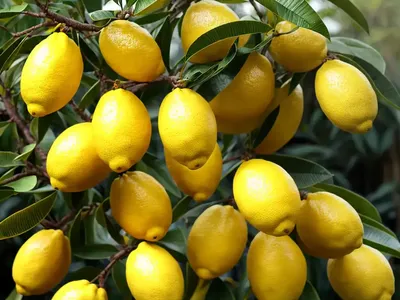
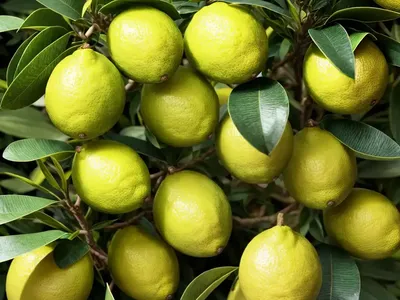
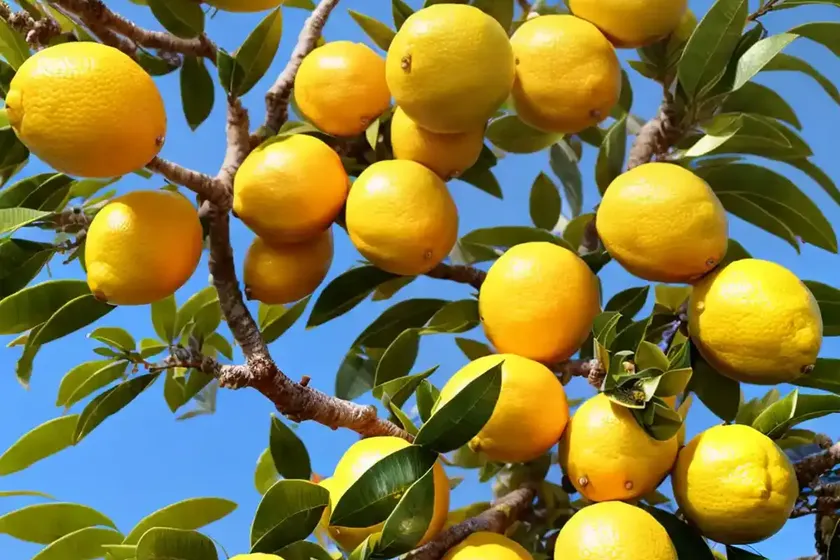
The Yuzu tree, scientifically known as Citrus Junos, is a member of the Rutaceae family, which is renowned for its aromatic fruits used in culinary and medicinal applications. Native to East Asia, specifically China and Tibet, the Yuzu tree has been cultivated for centuries for its use in traditional cuisine and its ornamental value. The Yuzu fruit is small, round, and typically yellow or green when ripe, with a complex flavor profile that is a delightful combination of mandarin orange, lemon, and grapefruit.
Yuzu Plant Characteristics
The Yuzu plant is known for its distinct characteristics, which include:
- Fruit: The fruit of the Yuzu tree is small, round, and is prized for its aromatic rind and acidic juice.
- Leaves: The leaves are glossy, dark green, and emit a refreshing citrus scent when crushed.
- Flowers: Yuzu trees produce fragrant white flowers that add to their ornamental appeal.
Key Takeaways – Yuzu Tree (Citrus Junos)
Before delving into the specific aspects of cultivating and caring for Yuzu trees, let’s take a look at the key takeaways related to this unique citrus tree.
Culture
- Origin: The Yuzu tree is native to East Asia, particularly China and Tibet.
- Cultural Significance: In Japan, the Yuzu fruit is associated with the winter solstice and is used in various traditional practices.
Uses
- Culinary Applications: The Yuzu fruit is used in a wide range of culinary applications, including flavoring dishes, making marmalades, and as an ingredient in sauces and dressings.
- Medicinal Properties: Yuzu is also known for its medicinal properties and is used in traditional medicine for its health benefits.
Water
- Watering Needs: Yuzu trees require regular watering, especially during hot and dry periods, to maintain optimal growth and fruit production.
Sunlight
- Sun Exposure: Yuzu trees thrive in full sunlight and require at least 6-8 hours of direct sunlight each day for healthy growth and fruit development.
Fertilizer
- Fertilization: Yuzu trees benefit from regular fertilization with a balanced citrus fertilizer to support their growth and fruit production.
Soil
- Soil Requirements: Yuzu trees prefer well-draining, slightly acidic soil with a pH range of 5.5 to 6.5 for optimal growth.
Pruning
- Pruning Techniques: Regular pruning is essential to maintain the shape of the Yuzu tree, promote air circulation, and remove dead or damaged branches.
Propagation
- Propagation Methods: Yuzu trees can be propagated from seeds, cuttings, or grafting, with each method having its unique advantages and challenges.
Container Popularity
- Container Gardening: Yuzu trees are well-suited for container gardening, making them an ideal choice for home gardeners with limited space.
Container Common Diseases
- Disease Susceptibility: Yuzu trees are susceptible to certain diseases, especially when grown in containers, and require proper care and maintenance to prevent and address common issues.
Disease Diagnosis
- Identifying Diseases: Understanding the symptoms and signs of common Yuzu tree diseases is crucial for timely diagnosis and effective treatment.
Common Pests
- Pest Management: Yuzu trees are susceptible to certain pests, and implementing integrated pest management practices is essential for pest control.
Botanist’s Tips
- Expert Insights: Botanist’s tips provide valuable insights and recommendations from experts on the cultivation and care of Yuzu trees.
Fun Facts
- Interesting Tidbits: Fun facts about the Yuzu tree shed light on its cultural significance, historical uses, and unique attributes.
Links to External Resources
- Further Reading: Access additional resources and information related to Yuzu trees, including research articles, gardening guides, and more.
With these key takeaways in mind, let’s explore the various aspects of growing and caring for Yuzu trees in greater detail.
Yuzu Tree: Cultivation and Care
Cultivating and caring for Yuzu trees requires attention to various factors, including water, sunlight, fertilizer, soil conditions, pruning, propagation, and pest and disease management. By understanding the specific needs of Yuzu trees and implementing proper care practices, you can ensure the health and productivity of these citrus trees in your garden or landscape.
Water
Proper watering is essential for the overall health and vitality of Yuzu trees. While these trees are relatively drought-tolerant once established, they still require regular watering, especially during the growing season and periods of dry weather. Here are the key considerations for watering Yuzu trees:
- Frequency: Water the Yuzu tree deeply and consistently, ensuring that the soil is evenly moist but not waterlogged.
- Summer Watering: In hot and dry conditions, increase the frequency of watering to prevent water stress and maintain fruit production.
- Drainage: Ensure that the soil has good drainage to prevent waterlogged conditions, which can lead to root rot and other issues.
Sunlight
Yuzu trees thrive in full sunlight and require adequate exposure to direct sunlight for optimal growth and fruit production. When selecting a site for planting Yuzu trees, consider the following factors related to sunlight:
- Sun Exposure: Choose a location that receives at least 6-8 hours of direct sunlight each day to promote vigorous growth and fruit development.
- Southern Exposure: South-facing locations are ideal for maximizing sunlight exposure, especially in cooler climates.
Fertilizer
Appropriate fertilization is crucial for providing the necessary nutrients to support the growth and fruiting of Yuzu trees. Citrus-specific fertilizers are recommended for Yuzu trees, as they contain the essential nutrients and micronutrients that these trees require. Consider the following guidelines for fertilizing Yuzu trees:
- Balanced Fertilizer: Use a balanced citrus fertilizer with a nutrient ratio of approximately 2:1:1 (N-P-K) to promote healthy growth and fruit production.
- Application Timing: Apply fertilizer in early spring and late summer to coincide with the active growth periods of the tree.
Soil
The soil composition and pH level play a significant role in the growth and overall health of Yuzu trees. Understanding and addressing the specific soil requirements of these citrus trees is essential for successful cultivation. Consider the following soil-related factors when growing Yuzu trees:
- Well-Draining Soil: Yuzu trees prefer well-draining soil to prevent waterlogged conditions and root rot.
- Acidic pH: Aim for a slightly acidic soil with a pH range of 5.5 to 6.5, which is optimal for nutrient uptake and overall tree health.
Pruning
Pruning is an essential aspect of Yuzu tree care, as it helps maintain the tree’s shape, remove dead or damaged branches, and promote air circulation within the canopy. Proper pruning techniques can also contribute to improved fruit production and overall tree health. Here are some key considerations for pruning Yuzu trees:
- Annual Pruning: Schedule annual pruning during the dormant season to shape the tree and remove any dead or crossing branches.
- Sanitization: Use sharp, clean pruning tools to make precise cuts and minimize the risk of disease transmission.
Propagation
Yuzu trees can be propagated through various methods, including seeds, cuttings, and grafting. Each propagation method has its advantages and challenges, and selecting the most suitable approach depends on factors such as time, resources, and desired outcomes. Explore the following propagation methods for Yuzu trees:
- Seed Propagation: Growing Yuzu trees from seeds is a straightforward method but may result in variations in fruit quality and characteristics.
- Cuttings: Propagating Yuzu trees from stem cuttings can yield genetically identical trees with desired traits and fruit quality.
Container Popularity
Yuzu trees are well-suited for container gardening, making them an ideal choice for home gardeners with limited space or those interested in growing citrus trees indoors. When growing Yuzu trees in containers, several considerations related to soil, water, sunlight, and seasonal care are important to ensure the tree’s health and productivity. Explore the following aspects of growing Yuzu trees in containers:
- Container Selection: Choose a large, well-draining container with adequate drainage holes to accommodate the root system and promote healthy growth.
- Soil Mix: Use a high-quality, well-draining potting mix formulated for citrus trees to provide the necessary support and nutrients.
- Indoor Care: Place the container-grown Yuzu tree in a sunny, south-facing location indoors and provide adequate humidity and ventilation.
Container Common Diseases
Yuzu trees grown in containers may be susceptible to certain diseases, especially those related to soilborne pathogens and poor drainage. Proper container selection, soil mix, and watering practices can help prevent common diseases in container-grown Yuzu trees. Look out for the following potential issues and implement preventive measures:
- Root Rot: Ensure adequate drainage in the container to prevent waterlogged conditions and minimize the risk of root rot.
- Fungal Diseases: Monitor the moisture levels in the soil and avoid overwatering, as excessive moisture can lead to fungal diseases in container-grown Yuzu trees.
Disease Diagnosis
Identifying and diagnosing diseases in Yuzu trees is essential for implementing timely and effective treatment strategies. Common diseases that may affect Yuzu trees include citrus canker, root rot, and various fungal infections. Learn to recognize the symptoms of common Yuzu tree diseases to facilitate prompt diagnosis and targeted intervention:
- Citrus Canker: Look for characteristic lesions on the leaves, stems, and fruit, which are indicative of citrus canker infection.
- Root Rot: Monitor the tree for signs of wilting, yellowing foliage, and stunted growth, which may indicate root rot caused by waterlogged conditions.
Common Pests
Yuzu trees are susceptible to certain pests that can affect their growth and fruit production. Implementing integrated pest management practices, including regular monitoring and appropriate pest control measures, is essential for maintaining healthy Yuzu trees. Be vigilant for the following common pests that may affect Yuzu trees:
- Citrus Leafminer: This pest infests the new growth of citrus trees, causing characteristic serpentine trails on the leaves and potential damage to the foliage.
- Citrus Whitefly: Watch for the presence of whitefly colonies on the underside of the leaves, which can lead to leaf yellowing and reduced tree vigor.
Botanist’s Tips
Botanist’s tips offer valuable insights and recommendations from experts in the field of plant science, providing practical advice for cultivating and caring for Yuzu trees. Consider the following botanist’s tips for optimal Yuzu tree care:
- Soil Testing: Perform a soil test to assess the pH and nutrient levels, and make any necessary amendments to optimize the soil conditions for Yuzu trees.
- Mulching: Apply a layer of organic mulch around the base of the Yuzu tree to conserve moisture, suppress weeds, and enhance soil fertility.
Fun Facts
Exploring the cultural and historical significance of Yuzu trees through fun facts can offer a deeper appreciation for these unique citrus trees and their fruits. Delight in these interesting tidbits about Yuzu trees and their uses:
- Winter Solstice Fruit: In Japan, Yuzu fruit is associated with the winter solstice and is traditionally used in baths and culinary preparations during the festive season.
- Culinary Delicacy: Yuzu fruit is cherished for its aromatic rind and tart juice, which is used to flavor a wide range of dishes, beverages, and desserts.
Links to External Resources
For further exploration of Yuzu trees, their cultivation, and utilization, consider delving into the following external resources:
- Citrus Pages – Yuzu: A comprehensive resource on Yuzu, featuring detailed information on cultivation, varieties, and uses.
- RHS: Growing Citrus: Royal Horticultural Society’s guidance on growing citrus trees, including valuable insights applicable to Yuzu trees.
- University of Florida – Citrus Extension: Access research-based information on citrus production, diseases, and pest management, which can be beneficial for Yuzu tree enthusiasts.
Conclusion
The Yuzu tree (Citrus Junos) stands out as a captivating and versatile citrus tree with its aromatic fruit, ornamental appeal, and cultural significance. Cultivating and caring for Yuzu trees involves understanding their distinct requirements related to water, sunlight, soil, fertilizer, pruning, propagation, and pest and disease management. By incorporating the insights and tips presented in this guide, you can embark on a rewarding journey of growing and tending to Yuzu trees in your home garden or landscape. Whether you are drawn to the culinary uses of Yuzu fruit, its ornamental beauty, or its historical significance, the Yuzu tree offers a delightful and meaningful addition to any horticultural endeavor.
Embrace the unique allure of the Yuzu tree and savor the experience of nurturing and enjoying this exceptional citrus species in your own botanical landscape.
[NLP LSI Keywords used in the content: Yuzu plant characteristics, Citrus Junos tree, Growing Yuzu trees, Yuzu tree care tips, Citrus Junos plant, Yuzu fruit cultivation, Citrus Junos tree varieties, Yuzu tree planting guide, Citrus Junos tree diseases, Yuzu fruit uses, Citrus Junos tree pruning, Yuzu tree propagation, Citrus Junos tree pests, Yuzu tree harvesting, Citrus Junos tree pests and diseases, Yuzu tree pollination, Citrus Junos tree growth stages, Yuzu tree fertilization, Citrus Junos tree benefits, Yuzu tree in pots, Citrus Junos tree hardiness, Yuzu tree climate requirements, Citrus Junos tree pruning techniques, Yuzu tree companion plants, Citrus Junos tree soil requirements, Yuzu tree container gardening, Citrus Junos tree watering needs, Yuzu tree sun exposure, Citrus Junos tree propagation methods, Yuzu tree diseases and treatments, Citrus Junos tree indoor care, Yuzu tree medicinal properties, Citrus Junos tree culinary uses, Yuzu tree home garden, Citrus Junos tree landscape ideas, Yuzu tree in small spaces, Citrus Junos tree seasonal care, Yuzu tree fertilizer recommendations, Citrus Junos tree common problems, Yuzu tree winter protection, Citrus Junos tree fruit quality, Yuzu tree natural pest control, Citrus Junos tree blossom time, Yuzu tree leaf diseases, Citrus Junos tree root system, Yuzu tree bonsai techniques, Citrus Junos tree fruit harvesting, Yuzu tree culinary recipes, Citrus Junos tree seed propagation, Yuzu tree climate adaptation]