Yellow Bells (Tecoma Stans GOLD STAR)
Yellow bells (Tecoma stans GOLD STAR) is a stunning flowering plant that is revered for its vibrant yellow trumpet-shaped blooms and its ability to attract.
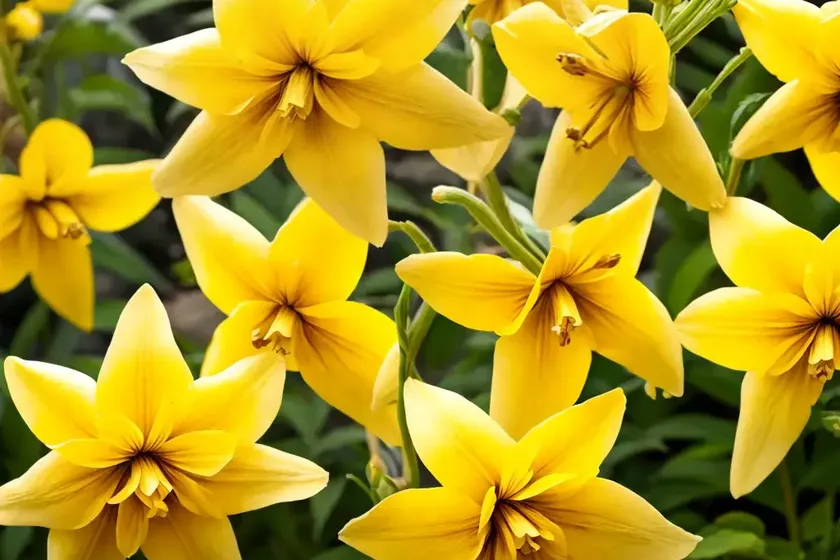
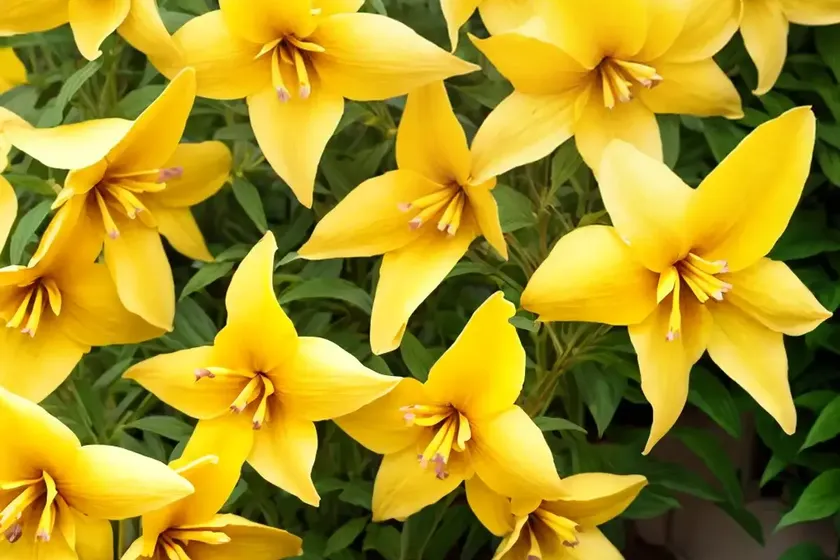
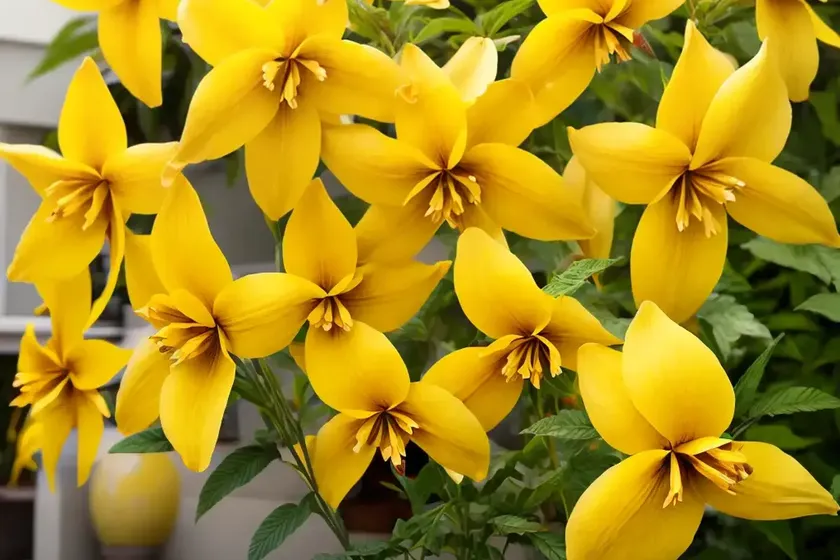
Yellow bells (Tecoma stans GOLD STAR) is a stunning flowering plant that is revered for its vibrant yellow trumpet-shaped blooms and its ability to attract a variety of wildlife. This article aims to provide a comprehensive guide to understanding and cultivating this beautiful plant. We will delve into its cultural significance, uses, preferred growing conditions, maintenance, common diseases, and optimal propagation techniques. By the end of this article, you will have a thorough understanding of yellow bells and be equipped with the knowledge to cultivate and care for it successfully.
What is Plant: Yellow Bells (Tecoma stans GOLD STAR)
Yellow bells, scientifically known as Tecoma stans GOLD STAR, is a species of flowering shrub that belongs to the Bignoniaceae family. Native to the Americas, particularly in the southern regions, it is valued for its bright yellow flowers and its potential for attracting hummingbirds and butterflies.
Key Takeaways – Yellow Bells (Tecoma stans GOLD STAR)
Before delving into the specifics of cultivating yellow bells, let’s highlight the key takeaways of this remarkable plant:
- Plant Name: Tecoma stans GOLD STAR
- Common Name: Yellow Bells
- Family: Bignoniaceae
- Type: Perennial flowering shrub
- Flower Color: Bright yellow
- Wildlife Attraction: Attracts hummingbirds and butterflies
- Cultural Significance: Used in traditional medicine, landscaping, and ornamental gardening
Now, let’s explore the various aspects of this captivating plant in greater detail.
Culture
Culturally, yellow bells hold significant importance. The plant has various cultural and symbolic meanings in different regions. In traditional medicine, parts of the plant are utilized for their medicinal properties, while in landscaping, it is esteemed for its ornamental appeal. Additionally, yellow bells play a vital role in the local ecosystem by attracting and providing sustenance for wildlife.
Uses
Yellow bells (Tecoma stans GOLD STAR) has a multitude of uses, ranging from traditional medicine to landscaping and ornamental gardening. Let’s explore these uses in detail:
-
Traditional Medicine: In various traditional medicinal practices, different parts of yellow bells are used to formulate remedies for certain ailments. The plant extracts are believed to possess medicinal properties that contribute to human well-being.
-
Landscaping: Yellow bells are extensively utilized in landscaping to add vibrant color and visual appeal to outdoor spaces. They often serve as border plants, accent plants, or specimen plants in gardens, parks, and other green spaces.
-
Wildlife Attraction: The bright, trumpet-shaped blooms of yellow bells attract hummingbirds and butterflies, making it an excellent addition to wildlife-friendly gardens.
Water
Proper watering is vital for the health and vitality of yellow bells. While the plant possesses some level of drought resistance, regular watering is essential, especially during the initial stages of growth and in periods of prolonged dryness.
-
Watering Schedule: Water newly planted yellow bell shrubs every 2-3 days during the first few weeks. Once established, they can be watered 1-2 times per week, depending on the weather conditions and soil moisture levels.
-
Watering Method: Direct watering at the base of the plant to ensure the root system receives an adequate amount of water. Avoid overhead watering to prevent water wastage and to minimize the risk of fungal diseases.
Sunlight
Yellow bells thrive in full sunlight and require ample exposure to ensure robust growth and prolific flowering. When choosing a planting location, it is important to prioritize sites that receive direct sunlight for the majority of the day.
-
Sunlight Requirements: Aim to provide at least 6-8 hours of direct sunlight per day for optimal growth and blooming.
-
Site Selection: Select a planting site that is free from excessive shade and obstructions, allowing the plant to bask in sunlight from morning to evening.
Fertilizer
Fertilizing yellow bells is essential to promote healthy growth and abundant flowering. By supplying the plant with the necessary nutrients, you can ensure that it thrives and displays its characteristic vibrant blooms.
-
Fertilizer Type: Utilize a balanced, slow-release fertilizer that provides essential nutrients such as nitrogen, phosphorus, and potassium. Additionally, a fertilizer with micronutrients can further enhance the plant’s overall health.
-
Fertilizing Schedule: Apply fertilizer in early spring before the onset of new growth. Follow up with subsequent applications during the growing season, preferably every 4-6 weeks, to support continuous blooming.
-
Application Method: Sprinkle the fertilizer evenly around the base of the plant, ensuring that it is not in direct contact with the stems to prevent potential burning.
Soil
Yellow bells thrive in well-draining soil and can adapt to various soil types, including sandy, loamy, or rocky soils. While the plant is tolerant of different soil conditions, ensuring proper drainage is crucial to prevent waterlogging that can lead to root rot.
-
Soil Composition: Aim for a well-draining soil mix that is rich in organic matter. You can incorporate compost or peat moss into the soil to improve its structure and fertility.
-
Soil pH: Yellow bells prefer a slightly acidic to neutral soil pH ranging from 6.0 to 7.5. Conduct a soil test to determine the pH of the planting area and make necessary amendments to achieve the desired range.
Pruning
Pruning is an essential practice for maintaining the shape, size, and overall health of yellow bells. Proper pruning not only enhances the plant’s appearance but also encourages new growth and flowering.
-
Pruning Time: Perform major pruning in late winter or early spring before the start of the growing season. Additionally, light pruning can be conducted throughout the growing season to remove spent blooms and shape the plant.
-
Techniques: Use sharp, sterile pruning shears to remove any dead, damaged, or overgrown branches. Additionally, you can selectively prune to encourage bushier growth and a more compact form.
Propagation
Propagating yellow bells allows for the expansion of your plant collection and offers an opportunity to share the beauty of this species with others. The following are common propagation methods for yellow bells:
-
Seed Propagation: Collect mature seeds from the plant and sow them in a well-prepared seed-starting mix. Maintain consistent moisture and warmth to facilitate germination.
-
Stem Cuttings: Utilize stem cuttings taken from healthy, actively growing branches. Dip the cut ends in rooting hormone and plant them in a potting medium. Enclose the cuttings in a plastic bag or provide a humid environment to promote root development.
Container Popularity
Yellow bells are popular choices for container gardening, offering a burst of color and elegance to outdoor spaces with limited planting areas. They are suitable for various types of containers, ranging from traditional planters to decorative pots.
-
Container Selection: Choose a well-draining container with sufficient depth to accommodate the plant’s root system. Ensure that the container has drainage holes to prevent water accumulation at the base.
-
Soil Mix: Fill the container with a good-quality potting mix that promotes drainage while retaining adequate moisture. Consider adding perlite or coarse sand to improve the soil’s structure.
Common Diseases
While yellow bells are relatively resilient, they may be susceptible to certain diseases, particularly if grown in unfavorable conditions. Being aware of common diseases and their symptoms is crucial for prompt intervention and effective management.
Disease Diagnosis
It’s essential to be able to identify common diseases that may affect yellow bells to implement appropriate treatment measures. Here are some prevalent diseases that may afflict yellow bells:
-
Powdery Mildew: Characterized by a powdery white growth on the leaves, powdery mildew can hinder the plant’s photosynthetic capabilities and overall vigor.
-
Root Rot: Excessive moisture or poorly draining soil can lead to root rot, causing the plant to exhibit wilting, yellowing foliage, and stunted growth.
-
Leaf Spot: Darkened spots or lesions on the foliage indicate the presence of leaf spot diseases, which can lead to defoliation and reduced plant health.
Disease Management
Preventive measures and early intervention are key to managing and mitigating the impact of diseases on yellow bells. Here are some strategies for disease management:
-
Cultural Practices: Implement proper watering techniques, ensure adequate air circulation, and maintain overall plant hygiene to minimize disease occurrence.
-
Fungicidal Treatments: In cases of severe fungal infections, utilize appropriate fungicidal products to control the spread of diseases and protect the plant.
Common Pests
Yellow bells are generally resilient to pest infestations, but certain pests may pose a threat to their health and vitality. Recognizing common pests and their signs is crucial for timely pest management.
-
Aphids: These small, sap-sucking insects can cluster on new growth and the undersides of leaves, causing distortion and yellowing of the foliage.
-
Spider Mites: These tiny arachnids feed on plant sap, leading to stippled or discolored leaves and the development of fine webbing.
Botanist’s Tips
To ensure the successful cultivation of yellow bells, consider the following tips from botanists and horticultural experts:
-
Selecting the Planting Site: Prioritize well-draining, sunny locations for planting to provide the optimal growing conditions for yellow bells.
-
Pruning Practices: Regular, selective pruning can promote a bushier habit and enhance flowering while maintaining the plant’s desired shape.
-
Winter Care: In regions with colder climates, provide protection for yellow bells during the winter, such as mulching around the base of the plant to insulate the roots.
Fun Facts
- Yellow bells (Tecoma stans GOLD STAR) are known for their striking yellow, trumpet-shaped blooms that enliven garden landscapes.
- In addition to their ornamental value, yellow bells play a vital role in attracting and supporting beneficial wildlife, including hummingbirds and butterflies.
Links to External Resources
To further expand your knowledge and understanding of yellow bells (Tecoma stans GOLD STAR), consider exploring the following external resources:
- Yellow Bells: A Plant Lover’s Guide
- Cultivating Tecoma stans GOLD STAR in Your Garden
- Wildlife-friendly Gardening with Yellow Bells
- Managing Common Diseases in Tecoma stans GOLD STAR
- Pest Identification and Control for Yellow Bells
Conclusion
Yellow bells (Tecoma stans GOLD STAR) are exceptional plants with a myriad of cultural, ornamental, and ecological significance. By understanding its preferred growing conditions, maintenance requirements, and potential challenges, you can cultivate and care for this plant effectively. Whether you are an aspiring gardener, a seasoned horticulturist, or simply an admirer of vibrant floral displays, incorporating yellow bells into your outdoor spaces can undoubtedly enhance their beauty and appeal. With the knowledge gained from this guide, you are well-prepared to embark on an enriching journey of cultivating and cherishing this remarkable species.
Let the golden allure of yellow bells enrich your gardening endeavors, and may the trumpet-shaped blooms bring joy and life to your outdoor sanctuary!
References
– Add references here