Everything You Need to Know About Yarrow (Achillea millefolium ‘Saucy Seduction’)
Yarrow, also known as Achillea millefolium ‘Saucy Seduction’, is a delightful perennial plant that has been long appreciated for its ornamental, medicinal, and cultural significance. In this comprehensive guide, we will explore the key aspects of yarrow, from its cultivation and uses to its ecological importance and fascinating folklore.
What is Yarrow (Achillea millefolium ‘Saucy Seduction’)?
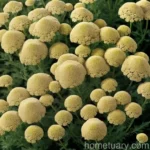
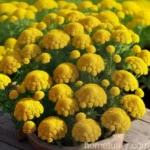
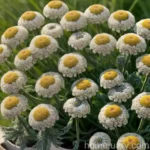
Achillea millefolium, commonly referred to as yarrow, is a flowering plant in the Asteraceae family. The ‘Saucy Seduction’ variety is a cultivar known for its vibrant and showy flower clusters with hues of pink, making it a popular choice for ornamental gardening and landscaping.
Key Takeaways
Yarrow (Achillea millefolium ‘Saucy Seduction’)
- Yarrow is a resilient and versatile perennial plant with ornamental, medicinal, and cultural significance.
- ‘Saucy Seduction’ is a cultivated variety cherished for its vibrant pink flower clusters.
- The plant is acclaimed for its drought tolerance, wildlife attraction, and numerous herbal uses.
- Yarrow can be utilized in diverse garden designs, including pollinator-friendly landscapes and natural dye production.
Culture
Cultivating yarrow, specifically the ‘Saucy Seduction’ variety, requires attention to specific cultural practices to ensure its optimal growth and development.
Uses
The uses of yarrow, spanning from medicinal to creative applications, make it a multifaceted and valuable addition to any garden or landscape.
Water
Yarrow is known for its resilience to drought conditions, making it an excellent choice for water-wise landscapes and low-maintenance gardens.
Sunlight
The ‘Saucy Seduction’ yarrow variety thrives in full sun exposure, typically requiring at least 6 to 8 hours of sunlight per day.
Fertilizer
Yarrow generally does not require heavy fertilization. However, a balanced, organic fertilizer can be applied in early spring to support healthy growth.
Soil
The plant prefers well-draining soil and is adaptable to various soil types, including sandy, loamy, and rocky soils.
Pruning
Pruning yarrow after the blooming season can promote tidiness and encourage a second flush of flowers.
Propagation
Yarrow can be propagated through division or seeds, offering opportunities for gardeners to expand their plantings or share the beauty of yarrow with others.
Container Popularity
Yarrow, including the ‘Saucy Seduction’ variety, is well-suited for container gardening, showcasing its versatility in various gardening settings.
Common Diseases
Yarrow is generally resistant to many common plant diseases. However, it may occasionally be susceptible to certain issues that should be monitored and managed effectively.
Disease Diagnosis
Understanding and identifying potential diseases that may affect yarrow is crucial for maintaining the plant’s health.
Common Pests
While yarrow is relatively resistant to pests, there are certain insects that may pose occasional challenges.
Botanist’s Tips
Professional insights and recommendations from botanists can provide valuable guidance for successfully growing and utilizing yarrow.
Fun Facts
Exploring the intriguing and lesser-known facts about yarrow showcases the plant’s unique attributes and contributions.
Links to External Resources
To further enrich your knowledge and exploration of yarrow, here are additional resources:
This comprehensive overview of yarrow (Achillea millefolium ‘Saucy Seduction’) demonstrates the diverse attributes and uses of this remarkable plant. Whether admired for its ornamental beauty, cherished for its medicinal properties, or valued for its ecological contributions, yarrow continues to captivate and inspire those who cultivate and appreciate it.
Incorporating yarrow into your garden or landscape presents a myriad of opportunities to enhance the natural beauty and practicality of your outdoor spaces. By leveraging its resilience, aesthetic appeal, and cultural significance, yarrow remains a timeless and invaluable addition to diverse horticultural settings.
In conclusion, yarrow embodies a harmonious blend of artistry and utility, weaving together a rich tapestry of tradition, innovation, and natural splendor. As you embark on your journey of yarrow cultivation and exploration, may the allure and versatility of this exceptional plant inspire your gardening endeavors and foster a deeper appreciation for the wonders of the natural world.
References:
- “Achillea millefolium – Yarrow” Royal Horticultural Society. [www.rhs.org.uk]
- “Yarrow: Uses, Side Effects, Interactions, Dosage, and Warning” WebMD. [www.webmd.com]
- “Discovering the Folklore and Botanical Legend of the Yarrow Plant” Gaia Herbs. [www.gaiaherbs.com]
- “Growing Yarrow” University of Minnesota Extension. [www.extension.umn.edu]
- “Wild Urban Plants of the Northeast: A Field Guide” by Peter Del Tredici, The New York Botanical Garden, 2010.
- “Yarrow: A Field Guide” Ontario’s Invading Species Awareness Program. [www.invadingspecies.com]