Xanthosoma Aurea ‘Lime Zinger’ (Xanthosoma Aurea ‘Lime Zinger’)
Plants are an integral part of our ecosystem and play a significant role in supporting life on Earth. Their diversity in form, structure, and function has.
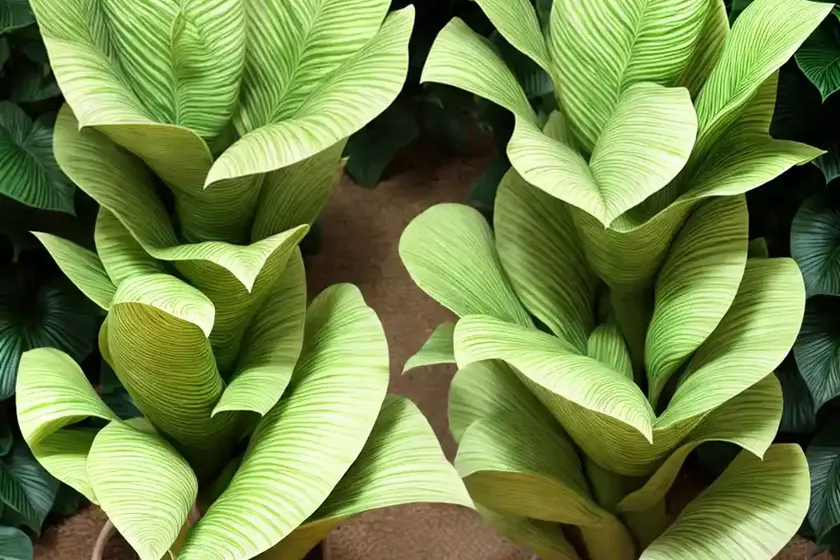
Plants are an integral part of our ecosystem and play a significant role in supporting life on Earth. Their diversity in form, structure, and function has captivated the human imagination for millennia. Among the vast array of plant species, Xanthosoma aurea ‘Lime Zinger’ stands out as an intriguing and aesthetically pleasing specimen that has gained popularity among plant enthusiasts and horticulturists alike.
In this comprehensive guide, we will delve into the fascinating world of Xanthosoma aurea ‘Lime Zinger’, exploring its cultural significance, uses, growth requirements, maintenance, and much more. Whether you’re a seasoned gardener, a plant enthusiast, or someone with a budding interest in botanical wonders, this guide aims to provide valuable insights into the care and cultivation of Xanthosoma aurea ‘Lime Zinger’.
What is Xanthosoma aurea ‘Lime Zinger’?
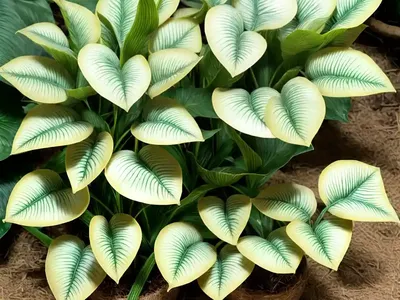
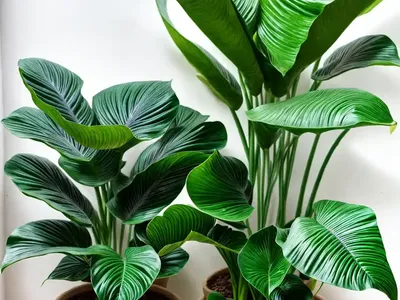
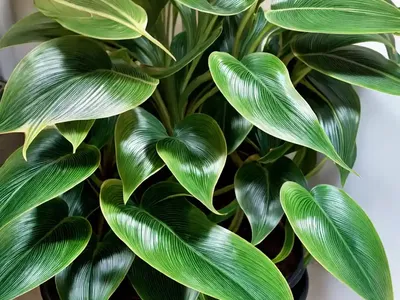
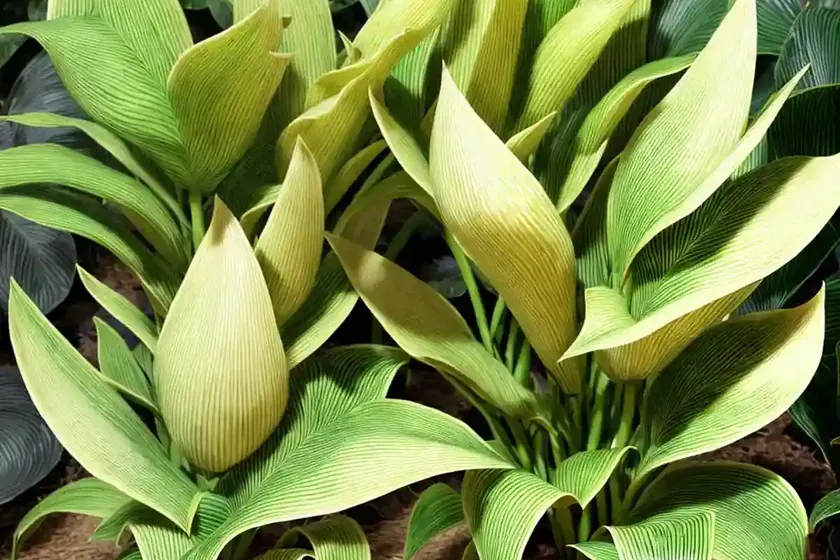
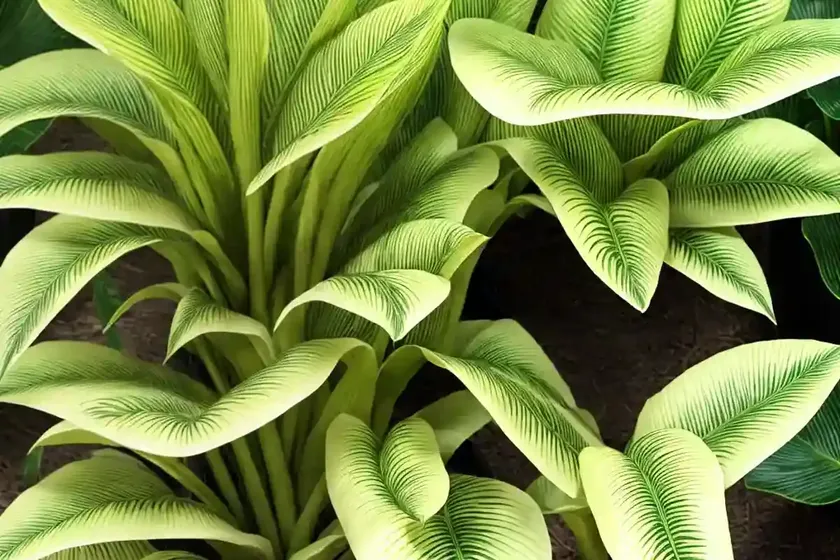
Xanthosoma aurea ‘Lime Zinger’, also known as the Lime Zinger Taro, belongs to the family Araceae and is a cultivar of the species Xanthosoma aurea. This tropical plant is renowned for its vibrant and striking foliage, making it a sought-after addition to gardens, landscapes, and indoor spaces. The characteristic feature of this cultivar is its stunning lime green leaves, which set it apart from other varieties within the Xanthosoma genus.
With its visually captivating appearance and adaptable nature, Xanthosoma aurea ‘Lime Zinger’ has carved a niche for itself in the realm of ornamental plants, captivating the attention of gardening enthusiasts and landscape designers.
Key Takeaways – Xanthosoma aurea ‘Lime Zinger’
Before we delve deeper into the various aspects of Xanthosoma aurea ‘Lime Zinger’, here are some key takeaways that encapsulate its essence:
- Foliage: Striking lime green leaves with an attractive pattern.
- Cultural Significance: A popular ornamental plant prized for its aesthetic appeal.
- Growth Requirements: Thrives in well-draining soil and requires ample sunlight.
- Maintenance: Minimal pruning needs and moderate watering.
- Uses: Suitable for gardens, landscapes, and container cultivation.
- Adaptability: Exhibits resilience in a range of growing conditions.
Now that we have a brief overview of Xanthosoma aurea ‘Lime Zinger’, let’s embark on a comprehensive exploration of its cultural significance, cultivation techniques, care requirements, and more.
Cultural Significance of Xanthosoma aurea ‘Lime Zinger’
Uses
Xanthosoma aurea ‘Lime Zinger’ owes its appeal to a myriad of uses, both practical and ornamental. Understanding the diverse applications of this remarkable plant sheds light on its cultural significance and relevance in various settings.
Ornamental Value
The striking foliage of Xanthosoma aurea ‘Lime Zinger’ positions it as a coveted ornamental plant, adorning gardens, landscapes, and indoor spaces with its vibrant presence. The distinct lime green leaves, often adorned with contrasting patterns, serve as an eye-catching focal point, lending an aesthetic charm to any setting.
Whether used as a standalone specimen, combined with other ornamental plants, or incorporated into artistic arrangements, Xanthosoma aurea ‘Lime Zinger’ commands attention and adds a touch of tropical elegance to its surroundings.
Culinary Uses
Beyond its visual allure, some cultivars of the Xanthosoma aurea species, including ‘Lime Zinger’, hold culinary significance in certain cultures. The starchy corms of these plants are utilized in traditional cooking, offering a source of sustenance and a distinct flavor profile to culinary creations.
The versatile nature of the corms allows them to be incorporated into various dishes, from stews and soups to savory preparations, contributing to the culinary heritage of regions where they are cultivated and consumed.
Water
Watering the Xanthosoma aurea ‘Lime Zinger’ is essential for maintaining the plant’s health and promoting optimal growth. While this cultivar exhibits some tolerance to drought conditions, it thrives when provided with consistent moisture, especially during periods of active growth.
Key Points:
– Ensure soil moisture by watering when the top inch of soil feels dry.
– Avoid overwatering, which can lead to waterlogged conditions and root rot.
– Adjust watering frequency based on environmental factors such as temperature and humidity.
Sunlight
Being a tropical plant, Xanthosoma aurea ‘Lime Zinger’ thrives in environments characterized by ample sunlight. Adequate exposure to sunlight is crucial for the development of its vibrant foliage and overall vigor.
Key Points:
– Place the plant in a location with bright, indirect sunlight.
– Shield from harsh midday sun to prevent leaf scorching.
– Consider supplemental lighting for indoor cultivation to mimic ideal sunlight conditions.
Fertilizer
Fertilization plays a pivotal role in supporting the growth and development of Xanthosoma aurea ‘Lime Zinger’. Providing essential nutrients through well-balanced fertilizers contributes to vibrant foliage and overall plant health.
Key Points:
– Use a balanced fertilizer with equal N-P-K (nitrogen, phosphorus, potassium) ratio.
– Apply fertilizer during the active growing season, typically from spring to early fall.
– Avoid over-fertilization, as it can lead to salt buildup and adversely affect the plant’s well-being.
Soil
The choice of soil greatly influences the well-being and growth of Xanthosoma aurea ‘Lime Zinger’. A well-draining and nutrient-rich substrate provides an optimal foundation for the plant to thrive and display its characteristic vigor and vitality.
Key Points:
– Use a well-draining potting mix rich in organic matter.
– Ensure adequate aeration to prevent waterlogging and promote healthy root development.
– Consider amending the soil with compost to enhance its nutrient content and texture.
Pruning
Pruning is an integral aspect of plant maintenance, promoting a tidy appearance and efficient resource allocation within the plant. When it comes to Xanthosoma aurea ‘Lime Zinger’, minimal pruning needs are in line with its low-maintenance attributes.
Key Points:
– Remove dead or damaged foliage to maintain plant aesthetics and health.
– Trim overgrown or unruly stems to encourage a balanced growth habit.
– Exercise caution when pruning to avoid damaging the plant or causing undue stress.
Propagation
The propagation of Xanthosoma aurea ‘Lime Zinger’ offers an avenue to expand and share the plant’s presence, whether for personal enjoyment or horticultural endeavors. Understanding effective propagation techniques facilitates the successful reproduction of this captivating cultivar.
Key Points:
– Propagate through division of rhizomes, ensuring each division has viable growing points.
– Utilize stem cuttings with at least one leaf node for vegetative propagation.
– Provide optimal conditions, including warmth and humidity, to support successful rooting and establishment.
Container Cultivation
The versatility of Xanthosoma aurea ‘Lime Zinger’ extends to container cultivation, offering opportunities to adorn indoor and outdoor spaces with its vibrant presence. Cultivating this striking plant in containers enables flexibility in placement and enhances its visual appeal in various settings.
Key Points:
– Select a spacious container with adequate drainage holes to accommodate the plant’s growth.
– Use a well-draining potting mix tailored for tropical plants to provide optimal growing conditions.
– Monitor the plant’s water and light requirements and adjust as needed for container cultivation.
Popularity
The growing popularity of Xanthosoma aurea ‘Lime Zinger’ reflects its broad appeal and ability to captivate the imagination of plant enthusiasts, designers, and individuals seeking to enhance their surroundings with a touch of tropical charm.
Key Points:
– Increasing demand for this cultivar in the horticultural market.
– Prized for its ornamental value and unique visual appeal.
– Adaptable nature and ease of care contribute to its growing popularity.
Common Diseases and Pests
While Xanthosoma aurea ‘Lime Zinger’ is known for its resilience, it may encounter certain diseases and pest problems that require attention and proactive management. Familiarizing yourself with these potential issues empowers you to address them effectively and safeguard the well-being of the plant.
Disease Diagnosis
Being mindful of common diseases that can affect Xanthosoma aurea ‘Lime Zinger’ allows for early detection and prompt intervention, minimizing the impact of diseases on the plant’s health and vitality.
Key Diseases:
1. Leaf Spot: Manifests as dark, water-soaked spots on foliage, potentially leading to leaf yellowing and defoliation. Ensure good air circulation and avoid overhead watering to prevent leaf spot.
2. Root Rot: Caused by waterlogged conditions, leading to rotting of roots and decline in overall plant health. Maintain well-draining soil and moderate watering to prevent root rot.
3. Corm Rot: Excessive moisture and poor drainage can contribute to corm rot, characterized by foul odor and softening of the corms. Implement proper watering practices and soil management to prevent corm rot.
Common Pests
Pests can pose a threat to the well-being of Xanthosoma aurea ‘Lime Zinger’, necessitating vigilance and appropriate control measures to mitigate their impact and protect the plant from damage.
Key Pests:
1. Aphids: Small, sap-sucking insects that can cause leaf distortion and stunted growth. Use insecticidal soaps or horticultural oils to control aphid infestations.
2. Spider Mites: These tiny arachnids feed on plant sap, leading to stippled, discolored foliage. Regularly mist the plant and introduce natural predators like ladybugs to manage spider mite populations.
3. Thrips: Thrips can cause silvery or bronzed streaks on leaves due to their feeding activity. Use insecticidal sprays and maintain good plant hygiene to deter thrips.
Botanist’s Tips for Xanthosoma aurea ‘Lime Zinger’
As a plant scientist with a passion for botanical wonders, I am thrilled to share some valuable tips and insights for cultivating and caring for Xanthosoma aurea ‘Lime Zinger’. Drawing from my expertise and firsthand experience with this captivating plant, I hope to provide practical guidance to aid in your journey of nurturing and appreciating the allure of Xanthosoma aurea ‘Lime Zinger’.
Fun Facts
Unveiling the intriguing facets of Xanthosoma aurea ‘Lime Zinger’ through a collection of delightful and fascinating tidbits invites a deeper appreciation for this remarkable plant and adds a layer of enchantment to its presence in your botanical repertoire.
- Natural Elegance: The lime green foliage of Xanthosoma aurea ‘Lime Zinger’ emanates a natural elegance, reminiscent of tropical landscapes and lush, verdant environments.
- Leaf Adornments: The striking patterns and variegation on the leaves of ‘Lime Zinger’ evoke a sense of artistry and individuality, with each leaf bearing its own unique tapestry of colors and shapes.
- Cultural Significance: In certain cultures, Xanthosoma aurea species, including the ‘Lime Zinger’ cultivar, hold symbolic and culinary significance, adding layers of cultural heritage to their botanical allure.
- Adaptability: Despite its tropical origins, ‘Lime Zinger’ showcases a remarkable adaptability to diverse growing conditions, making it a versatile and resilient addition to a range of settings.
- Ornamental Splendor: The visual impact of Xanthosoma aurea ‘Lime Zinger’ makes it a captivating choice for gardens, landscapes, and interior spaces, offering an infusion of tropical splendor.
Links to External Resources
For further exploration into the world of Xanthosoma aurea ‘Lime Zinger’ and the diverse facets of its care, cultivation, and botanical significance, consider delving into the following external resources:
-
American Society for Horticultural Science (ASHS): Access scholarly articles and research insights related to Xanthosoma species and ornamental plant cultivation through the ASHS database.
-
Royal Horticultural Society (RHS): Explore valuable guides, gardening tips, and expert advice on tropical plants, including Xanthosoma aurea ‘Lime Zinger’, through the RHS website resources.
-
Botanical Gardens and Arboreta: Visit local botanical gardens and arboreta to encounter Xanthosoma aurea ‘Lime Zinger’ in diverse settings, gaining inspiration and practical knowledge for your own cultivation endeavors.
-
Specialty Plant Nurseries: Engage with specialty nurseries and horticultural establishments that focus on tropical and ornamental plants to access firsthand expertise and resources tailored to Xanthosoma aurea ‘Lime Zinger’.
-
Online Gardening Communities: Join online communities, forums, and social media groups dedicated to plant enthusiasts and gardening aficionados, where you can share experiences, gain insights, and connect with fellow enthusiasts of Xanthosoma aurea ‘Lime Zinger’.
Conclusion
The allure of Xanthosoma aurea ‘Lime Zinger’ extends beyond its striking foliage, encompassing a rich tapestry of cultural significance, ornamental value, and horticultural potential. As we conclude our comprehensive guide, I hope that you have gained valuable insights into the care, cultivation, and appreciation of this captivating plant.
By understanding its growth requirements, maintenance techniques, common diseases and pests, and the cultural nuances surrounding its uses and significance, you are better equipped to embark on a fulfilling journey of nurturing and celebrating the vibrant presence of Xanthosoma aurea ‘Lime Zinger’ in your botanical endeavors.
I encourage you to integrate the knowledge and insights shared in this guide into your interactions with Xanthosoma aurea ‘Lime Zinger’, fostering a deeper connection with this enchanting botanical wonder and enriching your horticultural pursuits with its tropical splendor.