Wool Grass (Scirpus cyperinus): A Comprehensive Guide
Wool grass, scientifically known as Scirpus cyperinus, is a remarkable plant that offers numerous benefits and uses, particularly in wetland and natural landscaping environments. In this comprehensive guide, we will delve into all aspects of wool grass, including its cultural requirements, uses, propagation, maintenance, common diseases, pests, and much more. Whether you are a gardening enthusiast, a landscape designer, or simply intrigued by the wonders of plants, this guide will provide valuable insights into the world of wool grass.
What is Wool Grass?
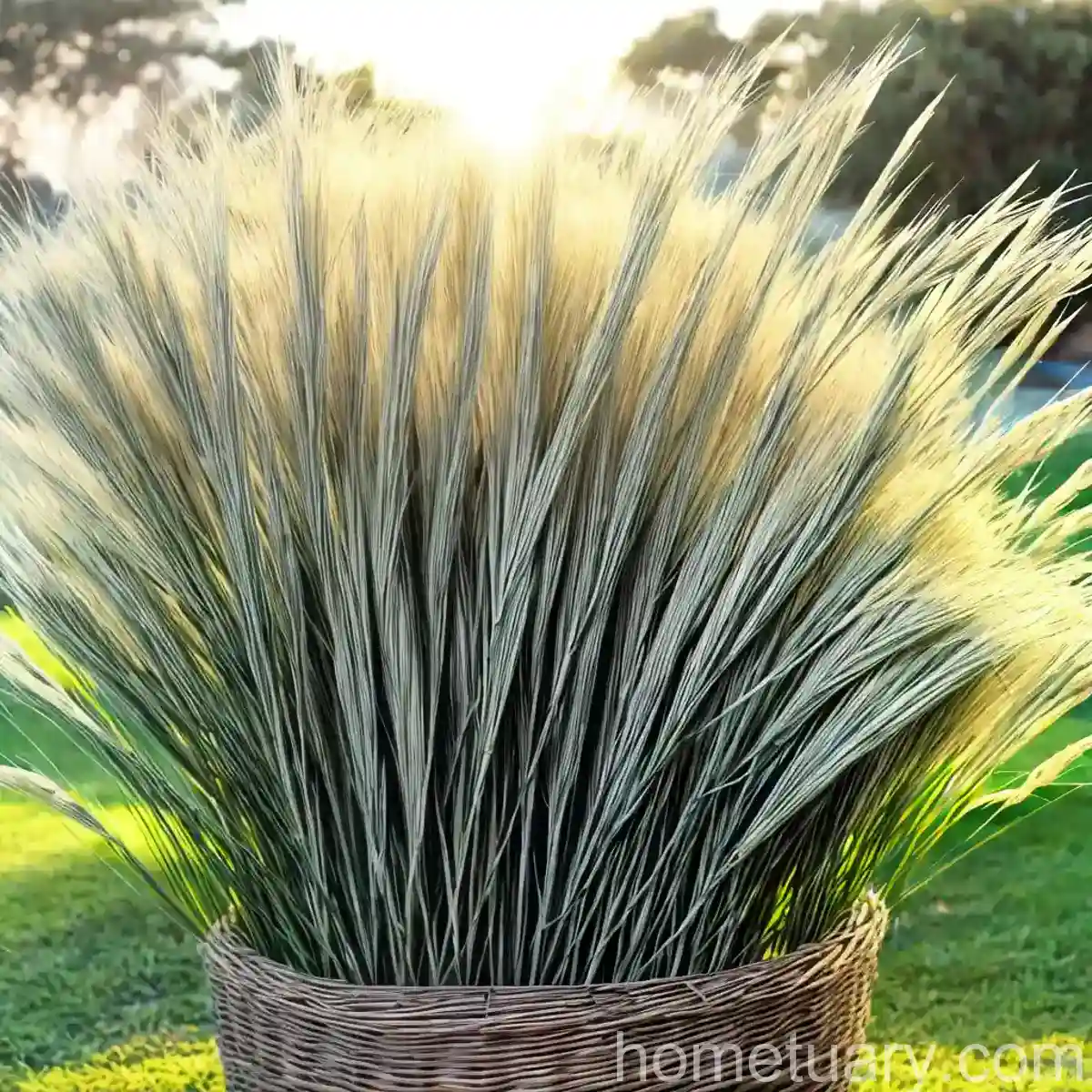
Wool grass, also known as Scirpus cyperinus, is a herbaceous perennial plant that belongs to the family Cyperaceae. It is native to North America and is commonly found in wetland habitats such as marshes, swamps, and along the edges of ponds and streams. The plant derives its common name “wool grass” from the fluffy, cotton-like appearance of its seed heads, which resemble tufts of wool. These distinctive seed heads add a unique aesthetic quality to landscapes, especially when grown in large clusters.
Key Takeaways – Wool Grass (Scirpus cyperinus)
Before we delve into the specifics of wool grass, here are some key takeaways about this remarkable plant:
- Scientific Name: Scirpus cyperinus
- Family: Cyperaceae
- Common Names: Wool Grass, Woolly Bulrush, Tule Bulrush
- Native Range: North America
- Plant Type: Herbaceous Perennial
- Habitat: Wetlands, Marshes, Swamps, Pond Edges
- Distinctive Feature: Fluffy, Cotton-Like Seed Heads
- Uses: Wetland Restoration, Erosion Control, Wildlife Habitats, Natural Filtration
Now that we have a general overview of wool grass, let’s explore its cultural requirements, uses, maintenance, and much more in detail.
Culture
Understanding the cultural requirements of wool grass is essential for successfully cultivating and maintaining this plant. Whether you are considering adding it to your garden, a wetland restoration project, or incorporating it into a natural landscaping scheme, getting to grips with the plant’s specific needs is crucial.
Water
As a plant that naturally occurs in wetland environments, wool grass has a high affinity for water. When cultivated in gardens or landscapes, it thrives in consistently moist to wet soil conditions. It is well-suited to areas that may experience periodic flooding, making it an excellent choice for rain gardens, pond edges, and shoreline stabilization projects. While it can tolerate standing water for brief periods, it also performs admirably in soils that are consistently moist but not waterlogged.
Sunlight
Wool grass thrives in sunny to partially shaded locations. In its natural habitat, it can be found in open wetlands where it receives ample sunlight. When planting wool grass in garden settings, aim to position it in an area that receives at least 6 hours of direct sunlight per day. However, it can also tolerate partial shade, particularly in regions with intense summer heat, where some shelter from the sun may be beneficial.
Fertilizer
One of the advantages of wool grass is its relatively low maintenance requirements, including minimal fertilizer needs. In most cases, it will thrive without the need for additional fertilization. However, if you are growing wool grass in soil that is particularly nutrient-poor, a light application of a balanced, slow-release fertilizer in early spring can encourage healthy growth. Always follow the specific recommendations on the fertilizer package and avoid over-fertilizing, as this can lead to excessive vegetative growth at the expense of the plant’s natural form.
Soil
The ideal soil for wool grass is rich, organic, and consistently moist. It performs best in soils with good water retention capabilities, such as loamy or silty soils. While it can tolerate a range of soil pH levels, it generally prefers slightly acidic to neutral conditions. When planting wool grass, amending the soil with compost or organic matter can enhance its moisture-retention properties and provide a nutrient boost without the need for heavy fertilization.
Pruning
Wool grass generally requires minimal pruning, particularly when it is grown in natural landscapes or wetland restoration projects. However, in garden settings, some light maintenance may be necessary to keep the plant looking tidy and to prevent the accumulation of dead or decaying foliage. In late winter or early spring, before new growth emerges, you can trim back any dead or desiccated foliage from the previous season. This can help promote vigorous new growth and maintain the plant’s overall health and appearance.
Propagation
Propagating wool grass can be achieved through division, seed propagation, or transplantation of nursery-grown specimens. Here are the key methods for propagating wool grass:
Division
Division is one of the most common methods for propagating established wool grass plants. This is typically done in early spring before new growth begins. Using a sharp, clean garden spade, carefully dig up the clump of wool grass, being mindful to preserve the root structure. Once the clump is lifted, use the spade or a sharp knife to divide it into smaller sections, ensuring that each division has a healthy portion of roots and shoots. Replant the divided sections in prepared soil, ensuring that they are kept consistently moist during the establishment phase.
Seed Propagation
While wool grass can be propagated from seeds, it is worth noting that the plant may not come true from seed due to potential cross-pollination and genetic variability. To propagate wool grass from seed, collect mature seed heads in late summer or fall when they have ripened. Sow the seeds in containers filled with a well-draining growing medium, keeping the soil consistently moist. Germination typically occurs within a few weeks to a few months, and the resulting seedlings can be transplanted into the garden once they have developed sufficiently.
Transplantation
For those seeking a more straightforward approach to propagating wool grass, nursery-grown specimens can be transplanted directly into the desired location. Be mindful to water the transplanted specimens thoroughly and monitor their progress carefully, particularly during the initial establishment phase. This approach can be particularly beneficial for large-scale landscaping projects or wetland restoration efforts where a significant number of plants are required.
Container Popularity
While wool grass is predominantly known for its role in wetland environments and natural landscapes, it is also gaining popularity as a container plant. Its graceful form and unique seed heads make it an attractive addition to container gardens, particularly those designed to mimic wetland habitats or showcase native plant species. When choosing containers for wool grass, opt for those that provide ample room for the plant’s root system, and ensure that they have adequate drainage to prevent waterlogging.
Container Planting Tips
When planting wool grass in containers, consider the following tips to ensure its success:
- Container Size: Select containers that are at least 12-18 inches in diameter and depth to accommodate the plant’s root system and allow for ample soil moisture.
- Growing Medium: Use a well-draining growing medium, such as a mix of potting soil, sand, and perlite, to mimic the moist, nutrient-rich conditions that wool grass thrives in.
- Watering: Containers may require more frequent watering, particularly during hot, dry periods. Monitor the soil moisture regularly and water as needed to keep it consistently moist but not waterlogged.
Common Diseases
While wool grass is generally resistant to most common plant diseases, it can occasionally be susceptible to certain issues, particularly in conditions of poor air circulation or excessive moisture. Here are some common diseases to watch out for when cultivating wool grass:
Leaf Spot
Leaf spot, caused by various fungal pathogens, can result in the development of dark, water-soaked lesions on the foliage of wool grass. This can lead to premature leaf drop and a decline in the plant’s overall vigor. To mitigate leaf spot, ensure that the plant is grown in an area with good air circulation and avoid overhead watering, which can create conditions conducive to fungal proliferation.
Rust
Rust is another fungal disease that can affect wool grass, leading to the formation of reddish-brown pustules on the foliage. While not typically fatal, severe infestations can impact the plant’s aesthetic appeal and overall health. Maintaining good sanitation practices, such as removing and disposing of infected plant material, can help prevent the spread of rust within the garden or landscape.
Root Rot
Root rot, often caused by waterlogged or poorly-draining soils, can pose a threat to wool grass, particularly in garden or container settings. To prevent root rot, ensure that the plant is grown in well-drained soil and avoid overwatering. If symptoms of root rot, such as wilting or yellowing foliage, are observed, take prompt action to correct the underlying soil and water conditions to prevent further damage to the plant’s root system.
Disease Diagnosis
Diagnosing plant diseases can be a challenging task, particularly for those new to gardening or plant care. When it comes to diagnosing potential diseases in wool grass, it is essential to closely monitor the plant for any unusual symptoms and changes in its overall appearance. Here are some steps to consider when diagnosing potential diseases in wool grass:
- Observation: Regularly inspect the foliage, stems, and overall appearance of the wool grass plant for any signs of discoloration, lesions, or unusual growth patterns.
- Symptom Identification: Take note of any specific symptoms, such as leaf spots, wilting, or abnormal growth, and gather information on when these symptoms first appeared and how they have progressed.
- Environmental Assessment: Consider the prevailing environmental conditions, including soil moisture, sunlight exposure, and air circulation, and how these factors may be impacting the plant’s health.
- Research and Consultation: Utilize reputable plant disease resources and, if needed, seek guidance from local extension services or plant health experts to assist in identifying and managing potential diseases.
By following these steps and staying vigilant in monitoring the plant’s health, early diagnosis and intervention can help mitigate the impact of diseases on wool grass.
Common Pests
While wool grass is generally resistant to a wide range of pests, it can occasionally attract certain insects that may pose a threat to its health and vigor. Here are some common pests that may affect wool grass and strategies for managing them:
Aphids
Aphids are small, sap-feeding insects that can infest the foliage and stems of wool grass, leading to stunted growth and distortion of new growth. To manage aphid infestations, consider using insecticidal soaps or horticultural oils to suffocate and eliminate the pests. Additionally, encouraging natural predators, such as ladybugs and lacewings, can help keep aphid populations in check.
Grasshoppers
Grasshoppers can feed on the foliage and tender shoots of wool grass, causing significant damage if left unchecked. To deter grasshoppers, consider implementing physical barriers or deterrents, such as row covers or netting, to protect the plants. Additionally, maintaining a diverse garden ecosystem that attracts beneficial predators, such as birds and predatory insects, can help naturally control grasshopper populations.
Slugs and Snails
Slugs and snails are notorious for feeding on the tender foliage of many plants, including wool grass. To manage slug and snail populations, consider strategies such as handpicking the pests, using organic slug baits, and creating barriers, such as copper tape, around vulnerable plants to deter their presence.
By staying vigilant and promptly addressing potential pest issues, wool grass can thrive without succumbing to significant pest-related damage.
Botanist’s Tips
As a seasoned botanist, my years of experience in studying and cultivating plants have provided valuable insights into the successful care and management of wool grass (Scirpus cyperinus). Here are some botanist’s tips to consider when growing wool grass:
-
Embrace its Wetland Nature: Utilize wool grass in its natural element by incorporating it into wetland restoration projects, rain gardens, and pond edges, where its affinity for moist soils and water can be fully realized.
-
Consider its Aesthetic Qualities: Appreciate the unique visual appeal of wool grass, particularly its fluffy, cotton-like seed heads, which add an enchanting quality to landscapes and container gardens.
-
Pair with Complementary Species: Complement the graceful form of wool grass with other native wetland species, such as irises, sedges, and marsh marigolds, to create harmonious and ecologically sound planting schemes.
-
Encourage Wildlife Habitats: Recognize the role of wool grass in providing habitat and food sources for a variety of wildlife, including birds, amphibians, and insects, and the intrinsic value of supporting local biodiversity.
-
Contribute to Erosion Control: Harness the soil-stabilizing properties of wool grass by incorporating it into erosion-prone areas, such as slopes and water edges, where its dense root system can help prevent soil erosion.
By embracing these botanist’s tips, you can unlock the full potential of wool grass and create vibrant, ecologically rich landscapes.
Fun Facts
To further appreciate the allure of wool grass and its ecological significance, here are some intriguing fun facts about this remarkable plant:
-
Traditional Uses: Historically, Native American tribes utilized wool grass for weaving mats, baskets, and cordage due to the plant’s strong, flexible stems.
-
Wildlife Support: Wool grass provides valuable habitat and food sources for a diverse array of wildlife, including nesting birds, waterfowl, and small mammals.
-
Wetland Restoration: As a native wetland species, wool grass plays a crucial role in ecological restoration efforts to reestablish and conserve vital wetland habitats.
-
Erosion Control Champion: The dense, fibrous root system of wool grass contributes to effective soil stabilization, making it a valuable ally in combating erosion in riparian and wetland settings.
These fun facts provide a glimpse into the multi-faceted role of wool grass in both natural and cultural contexts, underscoring its significance and value in various environmental and human contexts.
Links to External Resources
To further expand your knowledge of wool grass and its ecological and horticultural significance, consider exploring the following external resources:
- U.S. Department of Agriculture Plants Database
- Lady Bird Johnson Wildflower Center – Native Plant Database
- The Nature Conservancy – Wetland Restoration and Conservation
- North American Native Plant Society
These resources offer valuable insights, plant databases, and conservation initiatives that can further enhance your understanding of wool grass and broader ecological themes.
In conclusion, wool grass (Scirpus cyperinus) stands as a testament to the remarkable adaptability and ecological importance of wetland plants. Whether utilized in wetland restoration projects, natural landscaping designs, or container gardens, its graceful form, water-loving nature, and habitat-providing qualities make it an invaluable addition to a diverse range of environmental settings. By embracing its cultural requirements, diverse uses, and ecological significance, wool grass exemplifies the potential of native plants to contribute to sustainable, biodiverse landscapes.
As you venture into the world of wool grass and its myriad applications, I encourage you to appreciate its intrinsic beauty, ecological value, and centuries-old role in human and wildlife communities. Embracing the wonders of wool grass can not only enrich your own gardening and ecological endeavors but also contribute to the broader conservation and restoration efforts that underpin our shared natural heritage.