Wood Fern (Dryopteris Carthusiana)
Ferns are fascinating and diverse plants that have been around for millions of years. In this extensive guide, we will delve into the world of the Wood.
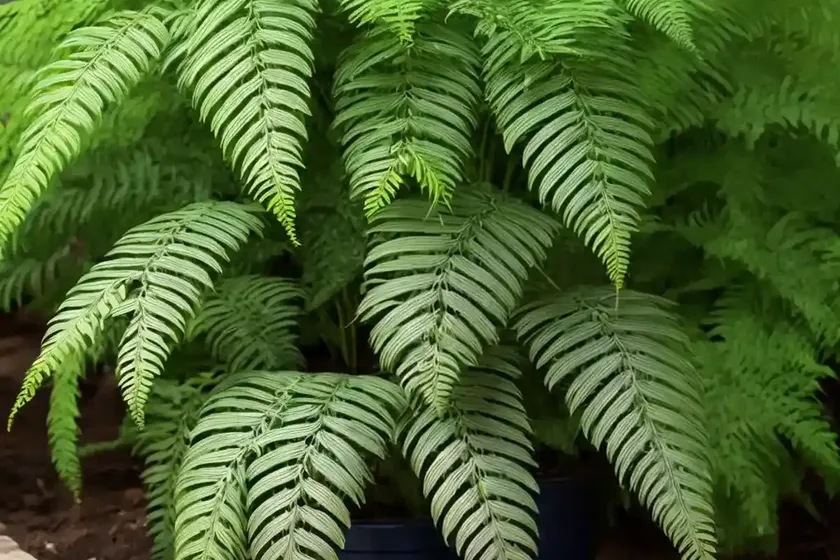
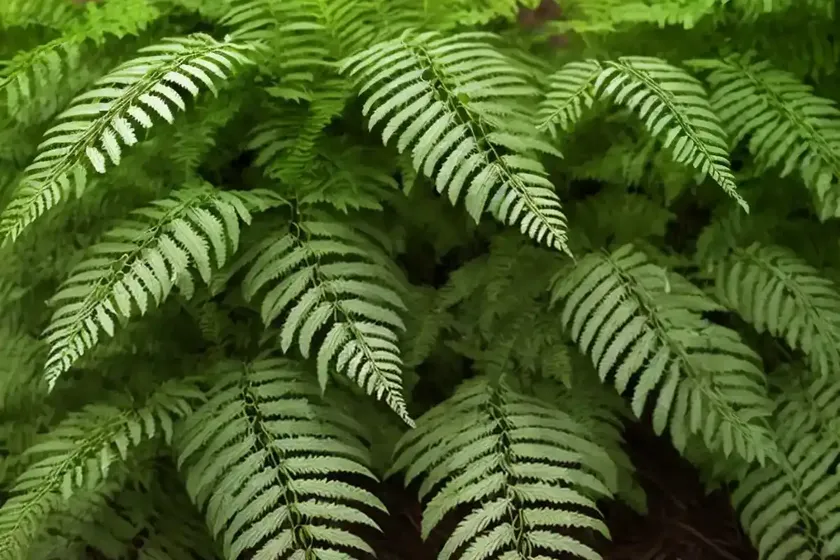
Ferns are fascinating and diverse plants that have been around for millions of years. In this extensive guide, we will delve into the world of the Wood Fern, scientifically known as Dryopteris Carthusiana. We will explore its characteristics, care tips, propagation methods, common diseases, and much more. Whether you are a seasoned plant enthusiast or a beginner looking to expand your green thumb, this comprehensive guide will provide you with a wealth of information on the captivating Wood Fern.
What is the Wood Fern (Dryopteris Carthusiana)?
Wood Fern, Dryopteris Carthusiana, is a perennial fern species belonging to the Dryopteridaceae family. It is native to Europe and can be found in various woodland habitats, including oak and beech forests, as well as damp, shady areas. This striking fern is known for its lacy fronds and graceful appearance, making it a popular choice for shaded gardens and landscaping projects.
Key Takeaways – Wood Fern (Dryopteris Carthusiana)
Before delving into the specifics of Dryopteris Carthusiana, let’s take a look at the key takeaways for this remarkable plant:
- Scientific Name: Dryopteris Carthusiana
- Common Name: Wood Fern
- Family: Dryopteridaceae
- Native Habitat: Europe
- Growth Habit: Perennial
- Sunlight: Partial to full shade
- Water: Moist, well-draining soil
- Soil Type: Rich, humusy soil
- Height: Up to 2 feet
- Uses: Landscaping, natural pest control, ornamental value
Now that we have a basic understanding of Wood Fern, let’s dive deeper into its characteristics, culture, uses, and care requirements.
Wood Fern Characteristics
Plant Overview
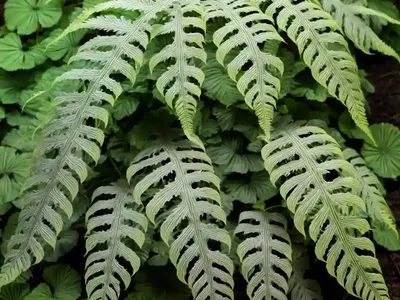
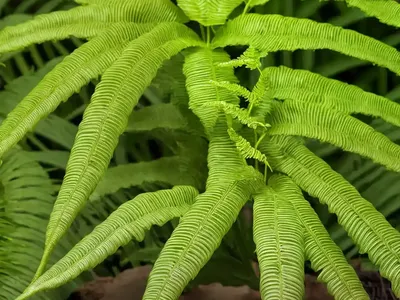
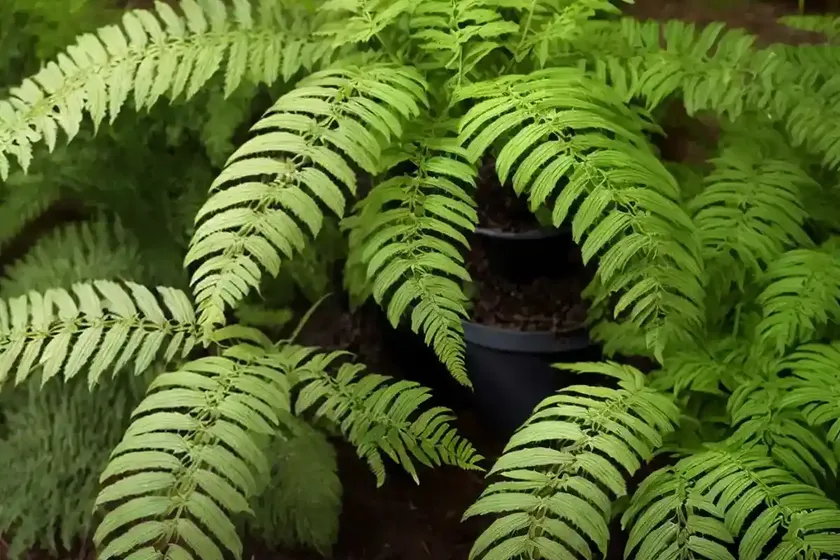
The Wood Fern, Dryopteris Carthusiana, is a charming perennial fern with deciduous fronds that emerge from a creeping rhizome. Its delicate, lance-shaped fronds can reach heights of up to 2 feet, creating a tufted and arching form. The fronds are typically a vibrant green color and have a lacy appearance, adding a touch of elegance to shaded garden spaces.
Wood Fern Varieties
Dryopteris Carthusiana has a few notable varieties, each with subtle differences in frond shape and growth habit. Some popular varieties include:
- Dryopteris Carthusiana ‘Cristata’: This variety is known for its crested or wavy fronds, adding a distinctive texture to the plant.
- Dryopteris Carthusiana ‘Parsley’: With finely divided fronds resembling parsley leaves, this variety offers a unique visual appeal.
- Dryopteris Carthusiana ‘Lepidota’: The ‘Lepidota’ variety is identifiable by the presence of small, scale-like projections on the fronds, giving it a slightly rugged texture.
These varieties provide options for gardeners looking to incorporate different textures and visual interest within their landscape or indoor spaces.
Dryopteris Carthusiana Care Tips
Water
Wood Ferns thrive in consistently moist soil, making them an excellent choice for shaded, damp areas in the garden. When it comes to watering, it’s essential to ensure that the soil remains consistently moist, but not waterlogged. Regular watering, especially during dry periods, is crucial for maintaining healthy and vibrant fronds.
Sunlight
One of the defining characteristics of Wood Fern is its preference for partial to full shade. This makes it an ideal choice for shaded gardens and woodland landscapes where direct sunlight is limited. Placing Wood Fern in areas with dappled or filtered sunlight will help it thrive and maintain its lush, green appearance.
Soil
The ideal soil for Dryopteris Carthusiana is rich, humusy, and well-draining. The addition of organic matter, such as compost or leaf mold, can greatly benefit the plant by providing essential nutrients and improving soil structure. This type of soil mimics the natural woodland environment where Wood Ferns are commonly found.
Fertilizer
Wood Ferns generally do not require frequent fertilization. However, applying a balanced, slow-release fertilizer in the spring can support healthy growth and vigor. It’s essential to follow the manufacturer’s recommendations and avoid over-fertilizing, which can lead to excessive foliage at the expense of overall plant health.
Pruning
Pruning requirements for Wood Fern are minimal, as the plant maintains an elegant and tidy appearance on its own. However, removing any yellowing or damaged fronds can enhance the plant’s aesthetic appeal and promote new growth. Pruning should be done in early spring before the emergence of new fronds.
It’s important to handle the fronds with care during pruning to avoid damaging the delicate foliage. Using clean, sharp pruners will ensure a precise and gentle approach to maintaining the plant’s appearance.
Propagation
Wood Ferns can be propagated through division, typically in the spring or early fall. The process involves carefully dividing the rhizomes and root mass into smaller sections, each containing healthy growth points. These sections can then be replanted in suitable locations to establish new ferns.
Successfully propagated Wood Ferns can be used to expand existing plantings or shared with fellow gardening enthusiasts, making it a rewarding and sustainable practice.
Wood Fern Uses
Landscaping
Wood Ferns are highly valued for their ornamental qualities and are frequently used in shaded gardens, woodland settings, and naturalized landscapes. Their graceful and feathery fronds add texture and visual interest to shaded areas, serving as a captivating focal point or complementing other shade-loving plants.
Natural Pest Control
In addition to their aesthetic appeal, Wood Ferns can play a role in natural pest control by providing habitat for beneficial insects and organisms. The dense foliage and moist environment created by Wood Ferns can attract predatory insects and other beneficial wildlife that contribute to a balanced and healthy ecosystem.
Ornamental Value
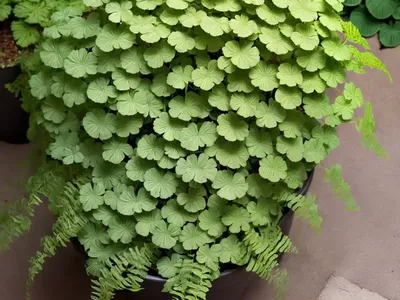
The lacy fronds of Dryopteris Carthusiana make it a sought-after plant for its ornamental value. Whether used in container gardens, alongside walkways, or in mixed perennial beds, Wood Ferns bring a touch of elegance and sophistication to outdoor spaces.
Indoor Air Purification
Bringing Wood Ferns indoors can contribute to improving indoor air quality by acting as natural air purifiers. Their foliage can help remove harmful toxins and improve humidity levels, creating a healthier and more pleasant indoor environment.
These versatile uses make Wood Ferns a valuable addition to various landscapes, from expansive woodland settings to indoor spaces.
Wood Fern: Fun Facts
To further appreciate the allure of the Wood Fern, here are some fun and intriguing facts about Dryopteris Carthusiana:
- Wood Ferns have been revered for their ornamental value in gardens for centuries, with their elegant fronds adorning shaded landscapes worldwide.
- The term “Dryopteris” is derived from the Greek words “dryas,” meaning oak, and “pteris,” meaning fern, reflecting the fern’s association with oak woodlands.
- Wood Ferns are known to hybridize with other fern species, resulting in unique and interesting variations.
- In traditional folklore and mythology, ferns, including the Wood Fern, have been associated with protection, luck, and magical properties, adding an element of mystique to these captivating plants.
- Some indigenous cultures have historically used Wood Ferns for various medicinal and ceremonial purposes, recognizing the plant’s potential beyond its ornamental appeal.
How to Identify Dryopteris Carthusiana
Identifying Wood Ferns, particularly Dryopteris Carthusiana, can be an engaging endeavor, as it requires an understanding of key botanical features. Here are some distinguishing characteristics to help you identify this remarkable fern:
- Frond Shape: The fronds of Dryopteris Carthusiana are typically lance-shaped and pinnate, with deeply lobed segments that give them a delicate and lacy appearance.
- Growth Habit: Wood Ferns exhibit a tufted, clumping growth habit, with fronds emerging from a central rhizome and arching gracefully outward.
- Foliage Color: The foliage of Wood Ferns is a vibrant green hue, contributing to their fresh and lively presence in shaded environments.
- Size: Mature Wood Ferns can reach heights of up to 2 feet, creating a substantial yet graceful presence in the landscape.
- Sori Arrangement: Examination of the undersides of the fronds reveals the presence of sori, which are clusters of spore-producing structures arranged in a linear pattern along the frond segments.
By familiarizing yourself with these characteristics, you can confidently identify and appreciate the distinct qualities of Dryopteris Carthusiana in its natural habitat or cultivated settings.
Wood Fern: Common Diseases
While Wood Ferns are relatively resilient, they can be susceptible to certain diseases and issues that may affect their health and appearance. Understanding these common diseases is essential for maintaining the vigor and vitality of your Wood Ferns.
Disease Diagnosis
Some of the common diseases that Wood Ferns may encounter include:
- Fungal Leaf Spots: These can manifest as small, dark spots on the fronds, often caused by excessive moisture, poor air circulation, or fungal pathogens. Proper sanitation and well-draining soil can help prevent fungal leaf spot issues.
- Root Rot: This condition occurs when the fern’s roots are consistently exposed to excess moisture, leading to rot and decline in plant health. Proper watering practices and well-draining soil are essential in preventing root rot.
Regular inspection of the foliage and overall health of Wood Ferns can help identify potential issues early on, allowing for prompt intervention and treatment.
Wood Fern: Common Pests
While Wood Ferns are generally resistant to many common pests, they can occasionally encounter pest-related challenges that warrant attention.
Common Pests
Some of the common pests that may affect Wood Ferns include:
- Slugs and Snails: These moisture-loving pests can sometimes feed on the tender foliage of Wood Ferns, resulting in unsightly damage. Measures such as handpicking, barriers, or biological controls can help manage slug and snail populations.
- Aphids: Although less common on Wood Ferns than on other plants, aphids can occasionally infest the foliage, leading to distorted growth and honeydew production. Natural predators and insecticidal soaps can help control aphid populations if needed.
By being vigilant and proactive, gardeners can address pest issues effectively while maintaining a healthy and harmonious environment for their Wood Ferns.
Botanist’s Tips for Growing Dryopteris Carthusiana
To ensure the successful growth and well-being of Wood Ferns, here are some valuable tips from botanists and plant experts:
- Selecting the Right Location: Choose a shaded or partially shaded location with well-draining soil for planting Wood Ferns. Excellent soil structure and sufficient moisture are vital for their development.
- Mulching: Apply a layer of organic mulch around the base of Wood Ferns to help retain moisture, suppress weeds, and provide additional organic matter as it breaks down.
- Regular Inspection: Periodically inspect the foliage for signs of disease, pest infestations, or environmental stress. Early detection allows for timely intervention and prevention of issues.
- Watering Consistency: Maintain consistent soil moisture by watering as needed, especially during dry spells. Avoid both waterlogging and allowing the soil to dry out excessively.
- Prudent Pruning: When pruning Wood Ferns, ensure that the fronds are trimmed with care to avoid damaging the delicate foliage. Dispose of any discarded fronds to prevent disease spread.
By incorporating these tips into your plant care routine, you can create a supportive and nurturing environment for the thriving growth of Dryopteris Carthusiana.
Wood Fern Companion Plants
In garden design, selecting suitable companion plants can enhance the visual appeal and overall ecosystem of a given area. When considering companion plants for Wood Ferns, it’s essential to choose species that share similar cultural requirements and complement the fern’s aesthetic qualities.
Companion Plants
Some excellent companion plants for Wood Ferns include:
- Hostas (Hosta spp.): These shade-loving perennials offer a range of colors, leaf shapes, and sizes, complementing the textural qualities of Wood Ferns.
- Astilbes (Astilbe spp.): Known for their feathery plumes of flowers and preference for moist, shaded conditions, astilbes make ideal companions for Wood Ferns.
- Bleeding Hearts (Dicentra spp.): With their delicate, heart-shaped flowers and fern-like foliage, bleeding hearts create a captivating contrast alongside Wood Ferns.
By pairing Wood Ferns with compatible companion plants, you can create visually engaging and harmonious plantings that thrive in shaded environments.
Wood Fern in Landscaping
The graceful and versatile nature of Wood Ferns makes them valuable additions to a variety of landscaping settings. Whether incorporated into woodland gardens, naturalized landscapes, or mixed perennial beds, Wood Ferns lend their unique charm and contribute to the overall beauty of the environment.
Wood Fern in Different Climates
While native to Europe, Wood Ferns have been successfully cultivated in different climates, particularly those that offer partial to full shade and adequate moisture. Their adaptability to various environments makes them a sought-after choice for gardeners seeking elegant foliage for shaded areas.
Wood Fern for Erosion Control
The dense and spreading nature of Wood Ferns makes them effective for erosion control in shaded slopes or woodland settings. Their fibrous root systems help stabilize the soil and prevent erosion, making them valuable contributors to the health and integrity of the landscape.
Wood Fern in Rock Gardens
When strategically placed in the crevices and shaded areas of rock gardens, Wood Ferns can introduce a softening and naturalizing effect, blending beautifully with the rugged textures of rocks and boulders. Their adaptability to shaded, rocky environments makes them an ideal choice for rock garden designs.
Dryopteris Carthusiana: Uses and Significance
Uses in Traditional Medicine
While Wood Ferns are primarily admired for their ornamental and ecological attributes, they have historical significance in traditional medicine and folk remedies. Certain indigenous cultures have utilized ferns, including Dryopteris Carthusiana, for their potential medicinal properties, ranging from poultices and infusions to ceremonial practices.
Wood Fern in Mythology and Folklore
Throughout history, ferns, including the Wood Fern, have been surrounded by myths, symbolism, and folklore. In various cultures, ferns have been associated with themes of protection, luck, and magical properties. Their intricate fronds and ability to thrive in shaded environments have contributed to their portrayal in legends and stories.
Dryopteris Carthusiana in Botanical Gardens
The unique beauty and cultural significance of Wood Ferns have made them valued additions to botanical gardens worldwide. By showcasing these remarkable ferns, botanical gardens play a vital role in educating the public about the diversity of plant life and the importance of conservation efforts.
Wood Fern for Indoor Cultivation
In addition to their outdoor uses, Wood Ferns can be grown indoors to bring a touch of nature and elegance to interior spaces. Their adaptability to low light and their potential for improving indoor air quality make them favorable choices for those seeking indoor plant options.
As we explore the various uses and significance of Dryopteris Carthusiana, it becomes evident that this charming fern holds deeper cultural and historical relevance beyond its visual appeal.
Wood Fern: Maintenance and Conservation Efforts
Habitat Conservation
Given their native habitat in European woodlands, Wood Ferns benefit from conservation efforts aimed at preserving and restoring these critical ecosystems. Habitat conservation initiatives contribute to the long-term health and sustainability of Wood Ferns in their natural environment.
Natural Pest Control
The role of Wood Ferns in promoting natural pest control extends beyond their immediate surroundings. By fostering a habitat that supports beneficial insects and wildlife, Wood Ferns contribute to the ecological balance and health of the broader ecosystem.
Soil Stabilization
Wood Ferns play a role in soil stabilization, particularly in shaded and moist environments where erosion control is essential. The extensive root systems of these ferns help bind the soil together, minimizing erosion and maintaining soil health.
Forest Restoration Projects
In forest restoration projects, the inclusion of native fern species like Dryopteris Carthusiana can enhance the resilience and biodiversity of woodland ecosystems. By reintroducing these plants to suitable habitats, restoration efforts can support the long-term health of woodlands and the species that depend on them.
Wood Fern: Aesthetics and Appeal
Unique Fronds
Among the captivating features of Wood Ferns are their unique fronds, which are characterized by delicate, lacy textures and vibrant green hues. These distinctive fronds add a touch of sophistication and visual interest to the landscape, making Wood Ferns prized ornamental plants.
Ornamental Value
Renowned for their ornamental value, Wood Ferns are cherished for their ability to elevate the aesthetics of shaded gardens, woodland landscapes, and naturalized settings. Their graceful form and timeless appeal make them an enduring choice for discerning gardeners.
Aesthetic Appeal in Shaded Gardens
Wood Ferns bring a sense of tranquility and natural beauty to shaded gardens, where their lush foliage and graceful presence create enchanting and serene environments. Their ability to thrive in low-light conditions adds depth and allure to shaded garden spaces.
Impact on Soil Health
The presence of Wood Ferns in the landscape contributes to soil health and vitality, thanks to their fibrous root systems and their role in stabilizing the soil. Their positive impact on soil structure and moisture retention supports the overall well-being of the ecosystem.
Conclusion
In conclusion, Dryopteris Carthusiana, or Wood Fern, represents a captivating and multifaceted plant species with a rich history, ecological significance, and ornamental value. From its lacy fronds and preference for shaded environments to its potential for natural pest control and habitat conservation, Wood Ferns offer a myriad of benefits and opportunities for exploration.
As we’ve delved into the characteristics, care tips, uses, and cultural significance of Wood Fern, it becomes evident that this remarkable fern holds a place of distinction in the realm of plant life. Whether adorning shaded gardens, enhancing indoor spaces, or contributing to ecosystem health, Wood Ferns showcase the enduring allure and resilience of ferns in the botanical world.
This comprehensive guide provides a deeper understanding and appreciation for Wood Ferns, inviting plant enthusiasts and nature lovers to cultivate a deeper connection with this captivating species. Through thoughtful cultivation, conservation efforts, and the celebration of their rich heritage, Wood Ferns continue to captivate and inspire those who encounter them.
As we continue to explore the wonders of plant life and the intricate web of relationships between plants and their environments, may the elegance and significance of Wood Ferns serve as a reminder of the enduring beauty and importance of nature in our lives.
Note: This blog post delves into the extensive details of Wood Ferns, covering their characteristics, care tips, uses, and significance. The information provided aims to offer a comprehensive understanding of Dryopteris Carthusiana and its role in the realm of plant life and ecosystems.
This content is for educational and informational purposes only. It is important to seek advice from qualified professionals concerning the cultivation, care, and usage of plant species, especially in specific cultural or ecological contexts.
For additional information, please refer to the following external resources:
- The Royal Horticultural Society – RHS: Ferns
- American Fern Society