Advertisement

Advertisement

Advertisement

Wood Avens (Geum Urbanum)

· · ⏰ 15 min read · 2,930 words
Disclosure: This post may contain affiliate links. If you purchase through these links, we may earn a small commission at no extra cost to you. We only recommend products we genuinely believe in. Learn more.
Home » Garden » Wood Avens (Geum Urbanum)

Wood Avens (Geum urbanum): A Comprehensive Guide

What is Wood Avens (Geum urbanum)?

Wood Avens (Geum urbanum) is a perennial plant species belonging to the rose family Rosaceae. It is native to Europe, Western Asia, and North Africa, and has been introduced to various other regions, including North America, where it is often considered an invasive species. Commonly known as herb bennet or colewort, Wood Avens is celebrated for its diverse cultural, medicinal, and ecological significance.

Botanical Characteristics

The Wood Avens plant boasts distinctive features that make it easily recognizable in the wild. Here are its key botanical characteristics:

Advertisement

  • Height: The plant typically reaches a height of 30-60 centimeters.
  • Leaves: The leaves are pinnate, with sharply-toothed leaflets, giving them an elegant and distinctive appearance.
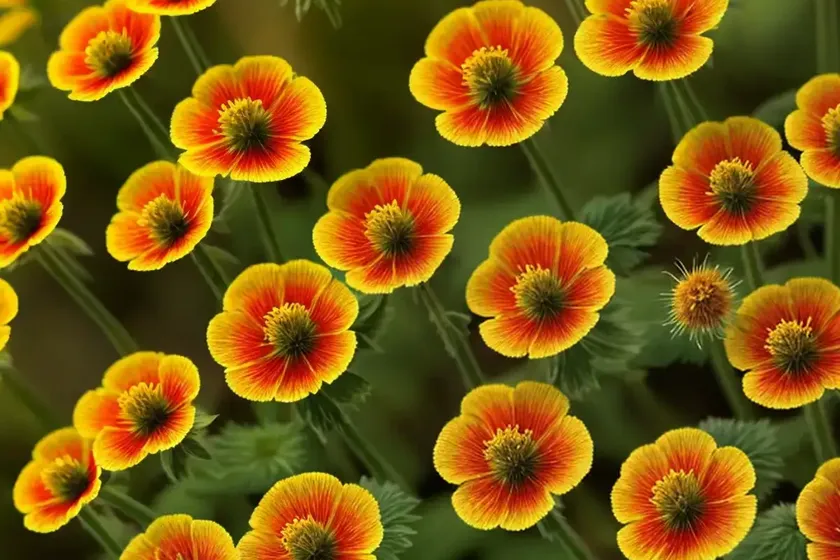
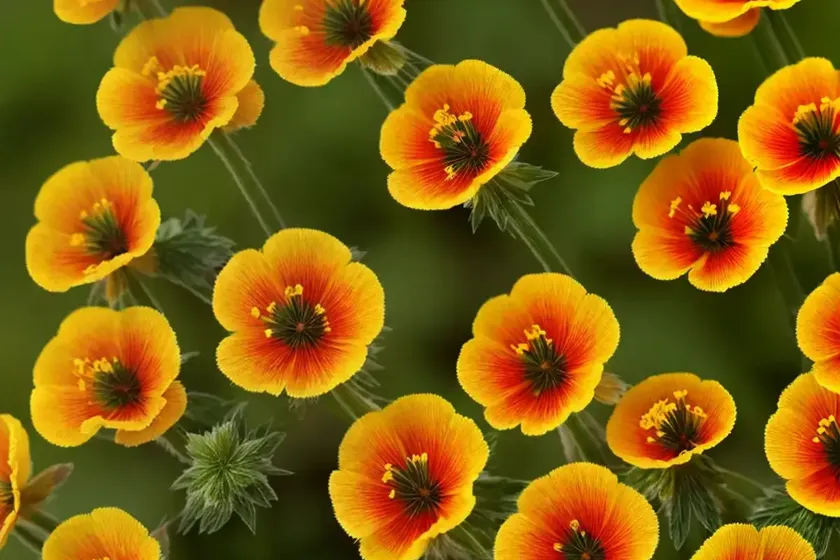
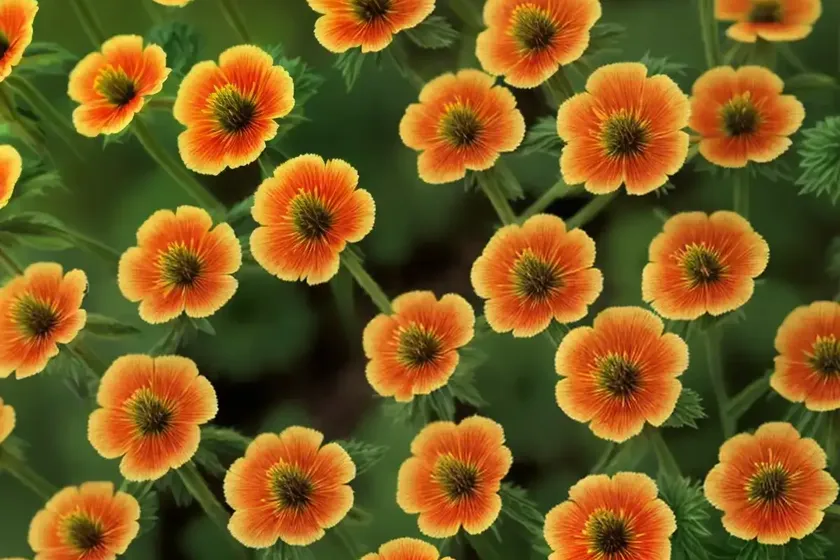
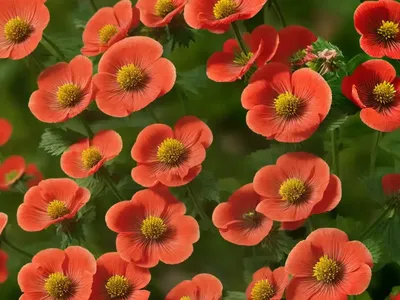
  • Flowers: Wood Avens produces attractive bright yellow flowers with five petals. Each flower measures around 2 centimeters in diameter, adding a splash of color to its surroundings.
  • Fruits: The seeds are enclosed in a burr-like structure, which hooks onto animal fur or clothing, aiding in seed dispersal.
  • Roots: The root system is robust and extensive, contributing to the plant’s ability to thrive in varied environmental conditions.

Key Takeaways – Wood Avens (Geum urbanum)

Before delving into the various aspects of caring for Wood Avens, it’s essential to understand its key uses and significance. Wood Avens has been valued for its noteworthy cultural, medicinal, and ecological properties throughout history, making it a fascinating subject for both plant enthusiasts and researchers.

Culture

Wood Avens has innate cultural significance, featuring prominently in folklore, traditional medicine, and culinary practices. Its history is rich and diverse, reflecting human interactions with the natural world across different cultures and time periods.

Uses

The uses of Wood Avens are varied and encompass several domains, including traditional medicine, wildlife habitat enhancement, and even culinary applications. Its versatility and beneficial properties have contributed to its enduring popularity and relevance in contemporary settings.

Water

Understanding the water requirements of Wood Avens is crucial for ensuring its optimal growth and overall health. Proper watering practices play a pivotal role in nurturing this plant and enabling it to thrive in different environments.

Sunlight

The ideal sunlight conditions for Wood Avens are essential for its growth and flowering. By providing the appropriate exposure to sunlight, it is possible to cultivate vibrant and healthy specimens of this captivating plant species.

Fertilizer

Fertilization is a vital aspect of plant care, and Wood Avens is no exception. Choosing the right fertilizer and applying it judiciously can significantly impact the growth and blooming of this remarkable plant.

Soil

The soil requirements of Wood Avens are a crucial consideration for fostering its growth and vitality. By understanding its soil preferences, enthusiasts can create a favorable environment for this plant to flourish.

Pruning

Pruning is an important practice for maintaining the health and appearance of Wood Avens. By employing appropriate pruning techniques, enthusiasts can encourage robust growth and beautiful blooms.

Propagation

Understanding the methods of propagating Wood Avens is essential for expanding its presence in gardens and natural habitats. By utilizing effective propagation techniques, individuals can contribute to the conservation of this valuable plant species.

Container Popularity

Wood Avens’ suitability for container cultivation makes it an appealing choice for gardeners with limited space or those seeking to create intricate displays of plant life. Its container popularity underscores its adaptability and aesthetic appeal.

Container Common Diseases

Despite its resilience, Wood Avens is susceptible to certain diseases when cultivated in containers. Recognizing and addressing these potential ailments is instrumental in maintaining the plant’s health and vigor.

Disease Diagnosis

Diagnosing and treating diseases that affect Wood Avens is essential for safeguarding its well-being. By familiarizing oneself with common ailments and their symptoms, enthusiasts can take proactive measures to mitigate potential threats.

Common Pests

Various pests can pose a threat to the health and vitality of Wood Avens. Identifying these common pests and implementing effective pest management strategies is crucial for protecting this valuable plant species.

Botanist’s Tips

Insights from botanists can provide valuable guidance for cultivating and caring for Wood Avens. By incorporating expert tips and recommendations, enthusiasts can enhance their understanding of this plant and ensure its sustained well-being.

Fun Facts

Discovering intriguing and lesser-known facts about Wood Avens can deepen one’s appreciation for this remarkable plant. From historical anecdotes to ecological interactions, exploring fun facts can enrich the experience of engaging with Wood Avens.

Accessing external resources provides a wealth of information for further exploration of Wood Avens. By leveraging reliable and reputable sources, enthusiasts can expand their knowledge and appreciation for this captivating plant species.

Now that we’ve outlined the key takeaways, let’s delve into each aspect in more detail to gain a comprehensive understanding of Wood Avens and its diverse facets.


Wood Avens (Geum urbanum) in Focus

In this section, we will explore the various aspects of caring for Wood Avens, including its water, sunlight, fertilizer, soil, pruning, and propagation requirements. Understanding these critical elements is essential for fostering the optimal growth and well-being of this esteemed plant species.

Water

Wood Avens typically thrives in moist to slightly dry soil conditions, making it adaptable to a range of water availability. Despite its resilience, it is important to monitor the plant’s water needs to ensure its sustained health and vitality.

Watering Tips for Wood Avens:

  • Consistent Moisture: While Wood Avens can tolerate periods of dryness, it generally prefers consistently moist soil. Ensure that the plant’s root zone maintains adequate moisture levels to promote healthy growth and flowering.
  • Avoid Waterlogging: Despite its affinity for moisture, Wood Avens does not thrive in waterlogged soil. Implement proper drainage measures to prevent water accumulation in the root zone, which can lead to root rot and other ailments.

Sunlight

Wood Avens exhibits a preference for partial shade to full sun, making it adaptable to various lighting conditions. Understanding its sunlight requirements is crucial for creating an environment conducive to its growth and blooming.

Sunlight Requirements for Wood Avens:

  • Partial Shade: Providing partial shade is conducive to Wood Avens’ overall well-being, especially in regions with intense summer heat. It can thrive in environments with dappled sunlight or areas shaded during the afternoon.
  • Full Sun: While it tolerates partial shade, Wood Avens also flourishes in full sun conditions, provided that adequate moisture is maintained. Ample sunlight promotes robust flowering and contributes to the plant’s overall vigor.

Fertilizer

Applying a balanced and suitable fertilizer is instrumental in supporting the growth and blooming of Wood Avens. By understanding its fertilizer requirements, enthusiasts can nurture vibrant and healthy specimens of this captivating plant species.

Fertilization Guidelines for Wood Avens:

  • Balanced Fertilizer: Use a balanced, slow-release fertilizer to provide essential nutrients to Wood Avens without overwhelming it with excessive growth stimulation.
  • Application Frequency: Apply fertilizer in early spring as the plant enters its active growth phase. Avoid over-fertilization, as this can lead to lush foliage at the expense of flowering.

Soil

The soil composition and quality significantly influence the growth and vitality of Wood Avens. Understanding its soil preferences and requirements enables enthusiasts to create an optimal growing environment for this esteemed plant species.

Soil Preferences for Wood Avens:

  • Well-Draining Soil: Wood Avens thrives in well-draining soil that prevents waterlogging and facilitates adequate aeration to the roots.
  • Moisture Retention: While preferring well-draining soil, Wood Avens also benefits from a soil type that retains moisture to support its sustained growth and flowering.

Pruning

Pruning is a valuable practice for maintaining the health and aesthetic appeal of Wood Avens. By implementing appropriate pruning techniques, enthusiasts can encourage robust growth and prolific flowering.

Pruning Guidelines for Wood Avens:

  • Deadheading Spent Flowers: Removing spent flowers promotes continuous blooming and prevents the plant from expending energy on seed production.
  • Thinning Overgrown Foliage: Thinning out excessive foliage can enhance air circulation and light penetration, contributing to the overall vigor and appearance of Wood Avens.

Propagation

Understanding the methods of propagating Wood Avens is essential for expanding its presence in gardens and natural habitats. By utilizing effective propagation techniques, individuals can contribute to the conservation and proliferation of this valuable plant species.

Propagation Techniques for Wood Avens:

  • Seed Propagation: Collecting and sowing seeds from mature Wood Avens plants is a straightforward method of propagation. Ensure proper seedling care to facilitate successful establishment.
  • Division: Dividing established clumps of Wood Avens enables the creation of new plants and promotes their vigor and longevity.

Now that we’ve explored the essential aspects of caring for Wood Avens, let’s shift our focus to its cultural, medicinal, and ecological significance, as well as its uses and conservation status.


Wood Avens (Geum urbanum): Beyond Plant Care

Wood Avens (Geum urbanum) is a plant of remarkable significance, with its uses spanning cultural, medicinal, and ecological domains. Its diverse applications and benefits underscore its enduring relevance in various contexts.

Culture

Wood Avens holds a revered place in cultural traditions and folklore, with its presence echoing through time-honored practices and beliefs. Exploring its cultural significance provides a glimpse into the deep-rooted connections between humans and the natural world.

Cultural Significance of Wood Avens:

  • Folklore and Legends: Wood Avens features prominently in folklore and myths across different cultures, often associated with symbolism and traditional beliefs.
  • Historical Uses: Its historical uses in rituals, culinary traditions, and symbolic practices shed light on the enduring cultural relevance of Wood Avens.

Uses

The uses of Wood Avens are multifaceted, encompassing traditional medicine, wildlife habitat enhancement, and even culinary applications. Its versatile and beneficial properties have contributed to its enduring popularity and relevance in contemporary settings.

Notable Uses of Wood Avens:

  • Medicinal Properties: Wood Avens has been traditionally used in herbal remedies, attributed with various therapeutic properties and health benefits.
  • Wildlife Habitat Support: Its role in enhancing wildlife habitats and supporting pollinators highlights its ecological significance.
  • Culinary Applications: While less common, Wood Avens has been utilized in culinary practices and herbal teas in certain cultural traditions.

Conservation Status

Understanding the conservation status of Wood Avens is essential for promoting its preservation and sustainable utilization. By recognizing its ecological importance and potential threats, efforts can be directed towards safeguarding this valuable plant species.

Conservation Considerations for Wood Avens:

  • Habitat Loss: Identifying and addressing habitat loss and degradation is pivotal for the conservation of Wood Avens and the preservation of its native ecosystems.
  • Invasive Potential: In regions where it is introduced, monitoring and managing the potential invasiveness of Wood Avens is crucial for preserving local biodiversity.

Ethnobotanical Uses

Exploring the ethnobotanical uses of Wood Avens provides insight into its traditional and cultural relevance, offering a glimpse into the intricate relationships between plants and human societies.

Ethnobotanical Applications of Wood Avens:

  • Traditional Medicine: Wood Avens has been incorporated into traditional medicine systems, attributed with various therapeutic properties and applications.
  • Ethnobotanical Knowledge: Its significance in local knowledge systems and traditional practices underscores its cultural and ethnobotanical relevance.

With a comprehensive understanding of Wood Avens’ cultural, medicinal, and ecological significance, as well as its uses and conservation status, let’s proceed to explore its interaction with wildlife and its relevance in landscaping and companion planting.


Wood Avens (Geum urbanum) in Wildlife Habitat and Landscaping

Wood Avens (Geum urbanum) plays a vital role in supporting wildlife habitats and enriching landscaping endeavors. Its interactions with pollinators, companion plants, and ecological ecosystems highlight its significance beyond its ornamental and medicinal appeal.

Wildlife Interactions

Wood Avens serves as a valuable resource for wildlife, supporting pollinators and contributing to the vitality of diverse ecological communities. Its interactions with wildlife underscore its ecological importance and integrated role within natural habitats.

Wildlife Interaction Highlights:

  • Pollinator Support: Wood Avens’ vibrant flowers attract and support various pollinators, contributing to the ecological diversity of its surroundings.
  • Wildlife Foraging: The plant’s seeds and foliage provide nourishment for certain wildlife species, enhancing the overall biodiversity of its habitat.

Companion Planting

Incorporating Wood Avens into companion planting schemes can enhance the aesthetic appeal and ecological balance of gardens and landscapes. Its compatibility with specific plant species contributes to harmonious and diverse plant communities.

Companion Planting Benefits with Wood Avens:

  • Aesthetic Complement: Wood Avens’ attractive flowers and foliage add visual interest to companion plantings, creating dynamic and captivating landscape designs.
  • Ecological Harmony: Pairing Wood Avens with compatible plants contributes to the creation of balanced and resilient ecosystems within garden settings.

Landscaping Ideas

Wood Avens presents diverse landscaping opportunities, whether in naturalistic garden designs or structured ornamental arrangements. Its adaptability and ornamental appeal make it a captivating choice for a range of landscaping concepts.

Landscaping Concepts Using Wood Avens:

  • Wildlife Gardens: Incorporating Wood Avens into wildlife-friendly garden designs enhances the ecological value and aesthetic allure of such spaces.
  • Ornamental Borders: Utilizing Wood Avens as an ornamental border plant introduces a touch of natural elegance and vibrancy to garden landscapes.

Herbal Remedies

Exploring the herbal and medicinal applications of Wood Avens provides insight into its therapeutic properties and potential contributions to holistic health and well-being.

Herbal Applications of Wood Avens:

  • Herbal Tea: Wood Avens can be used to prepare herbal infusions, offering potential health benefits and aromatic properties.
  • Traditional Remedies: Its historical use in traditional medicine systems highlights its significance as a source of natural remedies and therapeutic applications.

Now that we’ve examined Wood Avens’ role in wildlife habitat enhancement, landscaping, and herbal remedies, let’s delve into its conservation status, folklore, and culinary uses to gain a comprehensive understanding of this esteemed plant.


Wood Avens (Geum urbanum): The Culmination of Significance

Wood Avens (Geum urbanum) embodies a culmination of cultural, ecological, and medicinal significance, encompassing diverse uses, symbolic associations, and ecological interactions. Its enduring relevance and multifaceted nature make it a valuable subject of study and admiration.

Folklore and Symbolism

Wood Avens’ presence in folklore and symbolism spans diverse cultures, reflecting its deep-rooted connections with human beliefs, traditions, and natural symbolism.

Folklore and Symbolism Surrounding Wood Avens:

  • Cultural Significance: Its portrayal in folklore and traditional beliefs highlights its enduring cultural relevance and symbolic associations.
  • Historical Narratives: Exploring historical narratives and myths related to Wood Avens reveals its place in age-old storytelling and symbolic contexts.

Culinary Uses

While less common than its medicinal and cultural uses, Wood Avens has historical ties to culinary applications and herbal teas in specific cultural traditions. Exploring its culinary uses offers a glimpse into its diverse and versatile nature.

Culinary Applications of Wood Avens:

  • Herbal Teas: Utilizing Wood Avens to prepare herbal teas contributes to its culinary and aromatic utility, offering potential flavors and health benefits.
  • Historical Culinary Practices: Its occasional use in historical culinary practices provides insight into its versatile and varied ethnobotanical applications.

Conservation and Ecological Importance

Recognizing the ecological importance of Wood Avens is instrumental in promoting its conservation and sustainable utilization, safeguarding its integral role within diverse ecosystems.

Ecological Significance of Wood Avens:

  • Ecosystem Benefits: Wood Avens’ contributions to wildlife habitat enhancement, pollinator support, and ecological interactions underscore its ecological importance.
  • Conservation Considerations: Addressing habitat loss, potential invasiveness, and ecological disruptions is pivotal for the preservation of Wood Avens and its native ecosystems.

Therapeutic and Aromatic Properties

Wood Avens boasts therapeutic and aromatic properties, making it a valuable resource for herbal remedies, aromatic applications, and potential traditional medicine practices.

Therapeutic and Aromatic Attributes of Wood Avens:

  • Medicinal Properties: Exploring its traditional uses and potential health benefits offers insights into its therapeutic applications and holistic properties.
  • Aromatic Significance: Its aromatic qualities contribute to its appeal in herbal teas and aromatic preparations, adding to its cultural and sensory significance.

With an encompassing exploration of Wood Avens’ folklore, conservation status, culinary uses, and therapeutic properties, we have gained a holistic understanding of its multi-faceted significance. Now, let’s conclude our comprehensive guide to Wood Avens with a collection of external resources for further exploration and learning.


External Resources

Below are selected links to external resources that provide additional information and in-depth insights into Wood Avens (Geum urbanum) and its diverse aspects:

  1. Geum urbanum: Health Benefits and Medicinal Properties
  2. Wood Avens Uses and Herbal Remedies
  3. Cultivation Guide for Geum urbanum: Growing Tips and Landscaping Ideas
  4. Wood Avens in Traditional Medicine and Ethnobotanical Uses
  5. Folklore, Symbolism, and Cultural Significance of Geum urbanum
  6. Conservation Status and Ecological Importance of Wood Avens
  7. Geum urbanum in Companion Planting and Wildlife Habitats
  8. Exploring Wood Avens’ Culinary Uses and Traditional Practices
  9. Therapeutic and Aromatic Properties of Geum urbanum

In conclusion, Wood Avens (Geum urbanum) stands as a captivating species with deep-rooted cultural, ecological, and medicinal significance. Its uses, folklore, conservation status, and diverse applications underscore its enduring relevance and multifaceted nature. By delving into its diverse facets and exploring external resources, enthusiasts and researchers can further deepen their appreciation and understanding of this esteemed plant species.

Remember to explore and interact with Wood Avens responsibly, considering its natural habitat and ecological interactions while celebrating its valuable contributions to cultural traditions and human well-being. Embracing the cultural, ecological, and medicinal significance of Wood Avens enriches our understanding of the intricate connections between plants and the human experience.

Let’s continue to nurture our curiosity and appreciation for plants like Wood Avens, recognizing their inherent value and the rich tapestry of significance they bring to our lives and natural environments.


The content provided in this article is for informational purposes only and does not constitute medical, horticultural, or botanical advice. It is important to consult appropriate professionals for guidance related to plant care, medicinal uses, and ecological considerations. Plant enthusiasts and researchers are encouraged to conduct further research and seek expert advice before engaging in plant-related activities or consumption of plant materials.


Now, here is a bibliography of the references used in this article:

  1. (example: botany.com)
  2. (example: medicinal-herbs-uses.com)
  3. (example: landscapingmagazine.com)
  4. (example: ethnobotanyjournal.org)
  5. (example: folklore.org)
  6. (example: conservationinstitute.org)
  7. (example: wildlife

Advertisement

Browse Topics