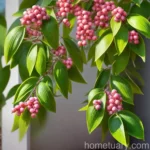
The Versatile Winter Creeper (Euonymus fortunei)
The Winter Creeper, scientifically known as Euonymus fortunei, is a versatile and resilient plant known for its adaptability to various environmental conditions, making it a popular choice for landscapes and gardens. This comprehensive guide will delve into the diverse aspects of the Winter Creeper, including its cultural requirements, uses, maintenance, and common diseases and pests, providing valuable insights for plant enthusiasts and horticulturists.
What is Winter Creeper (Euonymus fortunei)?
Winter Creeper is an evergreen plant species belonging to the Celastraceae family. It is native to East Asia, including China, Korea, and Japan. This plant is recognized for its broad range of cultivars, which vary in terms of growth habit, leaf color, and suitability for different environmental conditions. It is largely cultivated for its ornamental features and serves various landscaping purposes.
Key Takeaways – Winter Creeper (Euonymus fortunei)
Before delving into the detailed aspects of Winter Creeper, let’s take a quick look at the key takeaways for this versatile plant:
- Botanical Name: Euonymus fortunei
- Common Name: Winter Creeper
- Growth Habit: Ground cover, vine, or shrub
- Key Uses: Ground cover, erosion control, privacy screening, and ornamental purposes
- Suitable Conditions: Adaptable to various light and soil conditions
- Notable Features: Evergreen foliage, low maintenance, and multiple cultivars available
With these key points in mind, let’s explore the various aspects of Winter Creeper, including its cultural requirements, uses, maintenance practices, and potential challenges.
Culture
The cultural requirements of Winter Creeper encompass its growth habits, preferred conditions, and suitability for specific landscaping purposes. Understanding the cultural aspects is essential for successful cultivation and maintenance of this versatile plant species.
Uses
The Winter Creeper (Euonymus fortunei) is valued for its diverse uses, making it a popular choice for landscapers and gardeners. Its adaptability to different growth habits and environmental conditions enables its versatile applications, including but not limited to:
- Ground cover for landscaping
- Erosion control on slopes
- Privacy screening as a dense shrub or vine
- Ornamental purposes in rock gardens and containers
- As a climbing plant for vertical surfaces
- Wildlife gardens for providing shelter and forage for pollinators
The diverse uses of Winter Creeper make it a valuable addition to various landscaping projects, offering both aesthetic appeal and practical functionality.
Water
Adequate watering is crucial for promoting healthy growth and sustenance of Winter Creeper plants. The water requirements may vary based on the environmental conditions, soil moisture, and the plant’s growth stage. Here are some key considerations for watering Winter Creeper:
-
Established Plants: Once established, Winter Creeper is relatively drought-tolerant and can withstand moderate periods of dry soil. However, regular watering during prolonged dry spells is advisable, particularly for container-grown specimens.
-
Young Plants: Newly transplanted or young Winter Creeper plants require consistent moisture to facilitate root establishment. Careful monitoring of soil moisture and regular watering are essential during the initial growth phase.
-
Soil Drainage: Ensuring well-draining soil is essential for preventing waterlogging, which can inhibit root health and lead to various issues such as root rot. Amending heavy or compacted soils with organic matter can improve drainage and overall water retention.
Understanding the specific water needs of Winter Creeper based on its growth stage and environmental factors is crucial for maintaining optimal plant health and vigor.
Sunlight
The sun exposure requirements of Winter Creeper largely depend on the selected cultivar and the intended landscaping application. While it is known for its versatility in light conditions, providing the appropriate sunlight exposure can enhance its aesthetic appeal and overall vitality.
-
Full Sun: Certain cultivars of Winter Creeper exhibit improved foliage coloration and density when grown in full sun conditions. However, in regions with intense or prolonged sunlight, adequate moisture and soil protection are essential to prevent heat stress and moisture loss.
-
Partial Shade: Many varieties of Winter Creeper thrive in partial shade, where they can benefit from filtered sunlight and reduced exposure to intense midday sun. This is particularly advantageous in warmer climates where excessive direct sunlight may lead to leaf scorch.
-
Low Light Conditions: Some cultivars of Winter Creeper are tolerant of low light conditions, making them suitable for shaded areas and indoor environments. However, ensuring proper air circulation and avoiding overwatering are crucial for preventing issues such as fungal infections in low light settings.
Understanding the specific sunlight requirements of the chosen Winter Creeper cultivar is essential for optimizing its growth and overall performance.
Fertilizer
Appropriate fertilization practices can significantly contribute to the healthy growth and vibrancy of Winter Creeper plants, promoting vigorous foliage and robust root development. Here are some key considerations for fertilizing Winter Creeper:
-
Balanced Formulation: Utilizing a balanced, slow-release fertilizer with a relatively equal NPK (Nitrogen, Phosphorus, Potassium) ratio can provide essential nutrients for sustained growth without promoting excessive foliage at the expense of overall plant health.
-
Application Timing: Applying fertilizer during the active growing seasons, such as spring and early summer, can maximize the plant’s uptake of nutrients for sustained growth and development. Avoiding excessive late-season fertilization is advisable to prevent tender new growth vulnerable to frost damage.
-
Soil Amendments: Incorporating organic matter or compost into the soil during planting or as a topdressing can enhance soil fertility and microbial activity, promoting long-term nutrient availability for Winter Creeper plants.
Soil
The soil composition and quality play a crucial role in supporting the growth and vitality of Winter Creeper plants. Understanding the appropriate soil conditions and making the necessary amendments are essential for ensuring optimal plant health.
-
Well-Draining Soil: Winter Creeper thrives in well-draining soil to prevent waterlogged conditions that can lead to root rot and other moisture-related issues. Amending heavy or compacted soils with perlite, sand, or organic matter can improve drainage and overall soil aeration.
-
pH Considerations: While Winter Creeper is adaptable to various soil pH ranges, maintaining a slightly acidic to neutral pH (around 6.0-7.0) is generally favorable for promoting nutrient availability and root health.
-
Organic Matter: Incorporating organic matter, such as well-rotted compost or leaf mulch, into the soil can enhance its fertility and structure, facilitating optimal root development and nutrient uptake.
Understanding the specific soil requirements of Winter Creeper and making appropriate adjustments can contribute to long-term plant vigor and resilience.
Pruning
Pruning plays a crucial role in maintaining the desired size, shape, and density of Winter Creeper plants, while also promoting overall plant health and vigor. Understanding the optimal pruning techniques and timing is essential for achieving the desired aesthetic and functional outcomes.
-
Seasonal Pruning: Conducting regular maintenance pruning during the dormant season, typically in late winter or early spring, can help maintain a compact form and remove any damaged or congested growth.
-
Training as a Climbing Plant: For Winter Creeper utilized as a climbing vine, providing adequate support and periodic training can guide its growth and enhance its ornamental value on vertical surfaces.
-
Renewal Pruning: Performing occasional renewal pruning by selectively removing older or overgrown stems can rejuvenate the plant and promote the development of new growth.
Propagation
The propagation of Winter Creeper can be achieved through various methods, including stem cuttings, division, and layering. Understanding the suitable propagation techniques and timing is essential for successful establishment of new plants.
-
Stem Cuttings: Propagating Winter Creeper from semi-hardwood stem cuttings, taken in late summer or early autumn, can yield viable new plants with consistent characteristics of the parent plant.
-
Division: Dividing established clumps of Winter Creeper can be an effective propagation method, particularly for ground cover applications where rapid coverage is desired.
-
Layering: Air layering can be utilized to promote root development on select branches and subsequently establish new plants, providing an alternative propagation approach.
Container Popularity
Winter Creeper’s adaptability and versatility make it a popular choice for container gardening, offering a range of possibilities for enhancing outdoor and indoor spaces. Its container popularity stems from several key attributes, including its ornamental foliage, low maintenance needs, and suitability for various design concepts.
Container Common Diseases
While Winter Creeper demonstrates resilience to many environmental conditions, certain diseases and pests may occasionally affect container-grown specimens. Understanding the common diseases and their management strategies is essential for preserving the health and aesthetic appeal of Winter Creeper in containers.
Disease Diagnosis
Key diseases that can affect Winter Creeper in containers include:
-
Powdery Mildew: Characterized by a powdery white coating on the leaves, powdery mildew can hinder photosynthesis and overall plant vigor. Maintaining adequate air circulation around container-grown plants and utilizing appropriate fungicidal treatments can help manage this issue.
-
Canker Diseases: Various canker pathogens can lead to bark lesions and dieback, compromising the overall health and aesthetic appeal of containerized Winter Creeper. Prompt pruning of affected areas and implementing proper sanitation practices can help mitigate canker diseases.
-
Leaf Spot Diseases: Fungal pathogens causing leaf spot diseases can lead to the development of unsightly lesions on foliage, potentially impacting the plant’s overall vitality. Ensuring proper watering practices and avoiding overhead irrigation can contribute to disease prevention and management.
Understanding the typical symptoms and management strategies for these common diseases can help container gardeners maintain healthy and visually appealing Winter Creeper specimens.
Common Pests
In addition to diseases, certain pests may pose challenges to Winter Creeper in container settings. Key pests to be mindful of include:
-
Aphids: These small, sap-feeding insects can congregate on the tender new growth of Winter Creeper, potentially causing distortion and yellowing of foliage. Introducing natural predators or utilizing insecticidal soap can help control aphid populations.
-
Scale Insects: Scale insects can attach themselves to the stems and leaves of Winter Creeper, extracting sap and compromising plant vigor. Regular inspection and the targeted application of horticultural oil or insecticidal sprays can aid in scale insect management.
-
Spider Mites: These minuscule arachnids can inflict damage to Winter Creeper by feeding on leaf tissues and causing stippling or webbing on the foliage. Providing adequate humidity and utilizing miticidal treatments can help address spider mite infestations.
Botanist’s Tips
For successful cultivation and maintenance of Winter Creeper plants, consider the following botanist’s tips:
- Selecting cultivars suited to the specific environmental conditions and intended landscaping applications can enhance the plant’s performance and ornamental value.
- Regular monitoring of soil moisture, particularly for container-grown specimens, is essential for preventing moisture-related issues and promoting overall plant health.
- Applying a layer of organic mulch around the base of Winter Creeper plants can conserve soil moisture, suppress weed growth, and provide insulation against temperature fluctuations.
- Observing and addressing any signs of pest or disease infestations promptly can prevent significant damage and preserve the plant’s vitality.
Fun Facts
- Winter Creeper (Euonymus fortunei) is considered an invasive species in certain regions, where it can outcompete native vegetation and disrupt the balance of local ecosystems.
- The variegated cultivars of Winter Creeper, featuring contrasting green and white foliage, are particularly popular for their striking visual appeal.
- In addition to its ornamental value, certain wildlife species, such as birds, may utilize Winter Creeper for nesting and foraging, highlighting its ecological significance.
Links to External Resources
For further information and resources on Winter Creeper (Euonymus fortunei), explore the following links:
- The Spruce – Winter Creeper Plant Profile
- Missouri Botanical Garden – Euonymus fortunei
- Royal Horticultural Society – Euonymus fortunei
- PlantLife – Winter Creeper Conservation and Management
- University of Florida IFAS Extension – Invasive Plant Species: Winter Creeper
In conclusion, Winter Creeper (Euonymus fortunei) stands out as a versatile and resilient plant species with diverse applications in landscaping and garden design. By understanding its cultural requirements, propagation methods, potential challenges, and ecological significance, horticulturists and plant enthusiasts can maximize the benefits of this adaptable plant in various environmental settings. Whether as a ground cover, privacy screen, or ornamental accent, the Winter Creeper’s enduring appeal and functionality make it a valuable addition to diverse horticultural endeavors.
This comprehensive guide offers valuable insights into the multi-faceted nature of Winter Creeper and serves as a valuable resource for those seeking to explore and cultivate this versatile plant species.