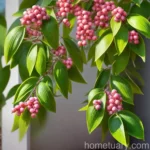
European Spindletree (Euonymus europaeus)
As a plant scientist, I am excited to share insights about the European spindletree, also known as Euonymus europaeus. This versatile shrub has significant cultural, ecological, and medicinal relevance, making it a fascinating subject for horticultural enthusiasts and researchers alike. In this comprehensive guide, we will explore the various aspects of the European spindletree: its characteristics, cultivation, landscape uses, ecological importance, and much more. Whether you are a gardening enthusiast, a nature lover, or a student of botany, this blog post will provide valuable insights into the intriguing world of Euonymus europaeus.
What is the European Spindletree (Euonymus europaeus)?
Euonymus europaeus, commonly known as the European spindletree, is a deciduous shrub native to a vast region spanning from Europe to Western Asia. It belongs to the Celastraceae family and is characterized by its distinctive appearance, vibrant foliage, and ornamental fruits. The plant has been valued for centuries due to its various uses, including ornamental landscaping, traditional medicine, and wildlife support. Let’s delve into the multifaceted nature of Euonymus europaeus and explore its cultural, ecological, and horticultural significance.
Key Takeaways – European Spindletree (Euonymus europaeus)
Before we embark on our exploration of Euonymus europaeus, it’s essential to outline the key takeaways that we will cover in this comprehensive guide. From its cultural symbolism to its ecological importance, this section provides an overview of the diverse topics we will explore throughout this blog post.
- Euonymus europaeus benefits
- European spindle tree characteristics
- Euonymus europaeus growth habits
- Euonymus europaeus care recommendations
- Euonymus europaeus landscape uses
- Euonymus europaeus pests and diseases
- Euonymus europaeus ecological significance
- Euonymus europaeus folklore and cultural symbolism
- Euonymus europaeus medicinal properties
- Euonymus europaeus propagation methods
- Euonymus europaeus gardening and landscape tips
- Euonymus europaeus natural remedies
Now, let’s delve into the specific aspects of European spindletree, covering its cultural, horticultural, and ecological dimensions.
Plant Name: “European Spindletree (Euonymus europaeus)”
Scientific Classification:
- Kingdom: Plantae
- Clade: Tracheophytes
- Clade: Angiosperms
- Clade: Eudicots
- Clade: Rosids
- Order: Celastrales
- Family: Celastraceae
- Genus: Euonymus
- Species: Euonymus europaeus
Now that we have a foundational understanding of the European spindletree, let’s explore its cultivation, uses, and cultural significance in more detail.
Culture
Culturally, Euonymus europaeus has garnered significant attention due to its symbolic meanings and traditional uses. This section will delve into the cultural significance of the European spindletree, shedding light on its folklore, symbolic representations, and traditional applications.
Folklore and Symbolism
Euonymus europaeus has been intertwined with folklore and cultural symbolism for centuries. In various European traditions, the plant’s vibrant fruits were associated with mystical properties and were often used in rituals and superstitions.
- In some folklore, the spindle tree was believed to ward off evil spirits and protect against malevolent forces.
- The bright pink and orange fruits were also associated with love and prosperity in certain cultural narratives, leading to their incorporation in ceremonies and celebrations.
The symbolic significance of the European spindletree reflects its cultural legacy and enduring presence in traditional beliefs. As we explore its horticultural aspects, it’s important to acknowledge the rich folklore and symbolism surrounding this captivating shrub.
Cultural Significance
The cultural significance of Euonymus europaeus extends beyond folklore, encompassing its role in traditional customs and ceremonies. In some regions, the plant’s foliage and fruits were utilized in decorative arrangements and symbolic displays during festive occasions and cultural events.
- The distinct appearance of the European spindletree made it a popular choice for ornamental purposes, enriching cultural landscapes and traditional settings.
- Its vibrant autumn foliage and colorful fruits further contributed to its cultural appeal, becoming emblematic of seasonal festivities and visual splendor.
The enduring cultural significance of Euonymus europaeus underscores its intrinsic value and allure, making it an integral part of diverse cultural expressions and traditions.
Let’s shift our focus to the practical aspects of cultivating and caring for the European spindletree, including its water, sunlight, fertilizer, and soil requirements.
Uses
The European spindletree, with its ornamental features and versatile attributes, has found diverse uses across various domains, ranging from horticulture to traditional medicine. Understanding its uses is crucial for appreciating its practical applications and ecological contributions.
Ornamental Use
Euonymus europaeus is revered for its ornamental qualities, adding visual interest and aesthetic appeal to landscapes and gardens. The plant’s striking foliage, vibrant fruits, and autumn coloration make it a prized choice for ornamental plantings and horticultural designs.
- The vibrant foliage of the European spindletree, characterized by its green leaves and vivid autumn colors, contributes to seasonal landscapes and garden displays.
- The decorative fruits, which transition from pink to orange, enhance visual variety and create distinctive focal points in garden settings.
The ornamental use of Euonymus europaeus underscores its role in enriching landscapes and gardens, offering a captivating visual display throughout the seasons.
Traditional Medicine
Beyond its ornamental value, Euonymus europaeus has a historical association with traditional medicine, with various parts of the plant being used for medicinal purposes.
- The plant’s bark and roots have been traditionally utilized to prepare decoctions and extracts, believed to possess medicinal properties with potential health benefits.
- In certain herbal practices, Euonymus europaeus was employed for its purported digestive and diuretic properties, offering a natural remedy for specific ailments.
The traditional medicinal uses of the European spindletree highlight its historical significance and the cultural heritage associated with herbal remedies and folk medicine.
Now that we have explored the cultural and practical uses of Euonymus europaeus, let’s delve into the specific care requirements for successfully cultivating this versatile shrub.
Water
Ensuring adequate water supply is crucial for the optimal growth and health of Euonymus europaeus. Understanding the plant’s water requirements and establishing appropriate irrigation practices are essential for promoting vigorous growth and vibrant foliage.
Water Needs:
- Established Plants: Once established, Euonymus europaeus displays moderate drought tolerance, but regular watering is recommended, especially during dry spells or prolonged periods of low rainfall.
- Young Plants: Newly planted spindletrees require consistent watering to support root establishment and initial growth. Regular, deep watering is advised to facilitate robust root development.
Watering Tips:
- Soil Moisture: Ensure that the soil remains consistently moist, but not waterlogged, particularly during the plant’s early stages of growth.
- Mulching: Apply a layer of organic mulch around the base of the plant to retain soil moisture and regulate temperature, promoting optimal growing conditions.
By addressing the water needs of Euonymus europaeus, gardeners can support its overall health and vigor, fostering lush foliage and abundant fruiting.
Sunlight
Euonymus europaeus thrives in a variety of light conditions, demonstrating adaptability to different sun exposures. Understanding the plant’s sunlight requirements is essential for selecting suitable planting sites and optimizing its growth potential.
Sun Exposure:
- Full Sun: The European spindletree exhibits excellent tolerance to full sunlight, flourishing in open, sunny locations with direct exposure to the sun’s rays.
- Partial Shade: While it prefers full sun, Euonymus europaeus can also thrive in partial shade, making it a versatile choice for various garden settings.
Planting Tips:
- Sunlight Considerations: When selecting planting sites, prioritize locations with adequate sunlight exposure, ensuring optimal growth and fruit production for Euonymus europaeus.
- Shade Tolerance: Recognize the plant’s capacity to adapt to partial shade, allowing flexibility in site selection and landscape design.
By accommodating the sunlight preferences of Euonymus europaeus, gardeners can establish thriving plantings, enhancing the visual appeal and vitality of their landscapes.
Fertilizer
Applying appropriate fertilizers is essential to supply essential nutrients and support the growth and development of Euonymus europaeus. Understanding the plant’s fertilizer requirements and implementing suitable feeding practices are integral to fostering healthy, vigorous shrubs.
Fertilization Guidelines:
- Balanced Fertilizer: Use a balanced, slow-release fertilizer to provide essential nutrients, promoting overall plant health and enhancing fruiting potential.
- Application Timing: Apply fertilizer in early spring, coinciding with the onset of active growth, to support the plant’s nutrient needs and encourage robust flowering and fruiting.
Feeding Tips:
- Soil Analysis: Conduct soil tests to assess nutrient levels and pH, enabling informed fertilizer selection and customized feeding regimens for Euonymus europaeus.
- Organic Amendments: Incorporate organic matter into the soil to enrich nutrient content and improve soil structure, benefiting the long-term health and vitality of the plant.
By meeting the fertilizer requirements of Euonymus europaeus, gardeners can foster strong, resilient shrubs with vibrant foliage and abundant fruiting, enhancing the horticultural appeal of their landscapes.
Soil
The soil composition and quality play a pivotal role in supporting the growth and vitality of Euonymus europaeus. Understanding the plant’s soil preferences and implementing suitable soil management practices are crucial for establishing thriving plantings.
Soil Type:
- Well-Draining Soil: Euonymus europaeus thrives in well-draining, loamy soils that offer good water permeability and aeration, preventing waterlogging and root suffocation.
- Soil pH: The plant tolerates a range of soil pH levels, but it generally prefers slightly acidic to neutral soils, with a pH range of 6.0 to 7.0.
Soil Preparation:
- Amendment: Enrich the soil with organic matter, such as compost or well-rotted manure, to improve nutrient content, soil structure, and moisture retention.
- Soil Texture: Ensure that the soil has a friable, crumbly texture, allowing for adequate root penetration and optimal nutrient uptake for Euonymus europaeus.
By attending to the soil requirements of Euonymus europaeus, gardeners can establish favorable growing conditions, promoting robust growth, and vibrant foliage for this versatile shrub.
Pruning
Pruning is a fundamental horticultural practice that supports the health, shape, and aesthetic appeal of Euonymus europaeus. Understanding the plant’s pruning requirements, techniques, and seasonal considerations is essential for promoting well-maintained shrubs and enhancing their ornamental value.
Pruning Techniques:
- Deadwood Removal: Regularly prune out dead or diseased wood to maintain plant vigor and reduce the risk of disease spread or pest infestations.
- Size Control: Conduct selective pruning to manage the size and shape of Euonymus europaeus, promoting a tidy, well-groomed appearance and preventing overcrowding in the planting area.
Seasonal Pruning:
- Winter Pruning: Conduct pruning in late winter or early spring to shape the plant, remove damaged branches, and stimulate new growth as the growing season commences.
- Minimal Pruning: While Euonymus europaeus responds well to pruning, exercise caution to avoid excessive or unneeded cutting, preserving the plant’s natural form and growth habit.
By implementing appropriate pruning practices, gardeners can enhance the aesthetic appeal and structural integrity of Euonymus europaeus, supporting its longevity and ornamental value in garden settings.
Propagation
Propagating Euonymus europaeus offers an opportunity to expand plantings, share specimens with others, and maintain genetic diversity within cultivated populations. Exploring the plant’s propagation methods and techniques is essential for successfully reproducing this captivating shrub.
Propagation Techniques:
- Seed Propagation: Collect ripe fruits from Euonymus europaeus and extract the seeds for sowing in prepared seed beds or containers, fostering new plant growth from seedlings.
- Cutting Propagation: Obtain semi-hardwood cuttings from established plants and propagate them in a controlled environment, fostering the development of rooted cuttings for transplantation.
Optimal Conditions:
- Temperature and Humidity: Provide favorable conditions for seed germination and cutting rooting, ensuring adequate warmth, moisture, and protection from environmental stressors.
By mastering the art of propagating Euonymus europaeus, gardeners and horticultural enthusiasts can expand their plantings and perpetuate the presence of this remarkable shrub in diverse landscapes and horticultural collections.
Container Popularity
Euonymus europaeus’ versatile qualities and ornamental appeal make it a popular choice for container gardening, offering opportunities for creative landscaping and horticultural expression in confined settings.
Container Gardening Benefits:
- Space Utilization: The plant’s compact nature makes it suitable for small gardens, balconies, and urban spaces, enabling enthusiasts to integrate vibrant foliage and seasonal fruiting into limited areas.
- Design Flexibility: Container plantings allow for artistic arrangements, seasonal displays, and mobility, offering dynamic options for enhancing outdoor and indoor environments.
Container Care Tips:
- Drainage: Ensure that containers have adequate drainage holes to prevent waterlogging and root rot, promoting healthy growth for Euonymus europaeus in confined settings.
- Fertilization: Apply a balanced, slow-release fertilizer to containerized plants, replenishing essential nutrients and supporting vigorous growth and fruit development.
By embracing container gardening with Euonymus europaeus, enthusiasts can explore innovative horticultural expressions, maximizing the plant’s ornamental potential in diverse spatial contexts.
Common Diseases
As with any plant, Euonymus europaeus is susceptible to certain diseases that can impact its health and ornamental value. Understanding the common diseases and their management practices is essential for safeguarding the well-being of this captivating shrub.
Disease Identification:
- Powdery Mildew: This fungal disease presents as white, powdery patches on the leaves, often affecting plant vigor and overall appearance. Implementing cultural controls and, if necessary, targeted fungicidal treatments can mitigate powdery mildew.
- Leaf Spot: The presence of circular, dark spots on the foliage may indicate the development of leaf spot diseases. Prune affected branches and ensure proper sanitation to manage leaf spot occurrences.
Disease Management:
- Cultural Practices: Maintain good air circulation, proper spacing, and optimal watering practices to minimize disease susceptibility and create unfavorable conditions for pathogen development.
- Pruning: Remove and dispose of infected plant parts to limit disease spread and support overall plant health and vitality.
By promptly identifying and managing common diseases, gardeners can preserve the health and visual appeal of Euonymus europaeus, ensuring its continued contribution to ornamental landscapes and horticultural collections.
Common Pests
Like many plants, Euonymus europaeus may face challenges from pests that can affect its growth and ornamental value. Familiarizing oneself with the common pests and implementing appropriate pest management measures is essential for preserving the health and aesthetics of this captivating shrub.
Pest Identification:
- Aphids: These small, sap-sucking insects may appear on the plant’s tender shoots and foliage, leading to distorted or stunted growth. Natural predators and targeted insecticidal treatments can help control aphid infestations.
- Scale Insects: The presence of scale insects, often visible as immobile, waxy coverings on stems and leaves, can compromise plant health. Physical removal and horticultural oil applications can aid in managing scale insect populations.
Pest Management:
- Integrated Pest Management: Employ a holistic approach that integrates cultural practices, beneficial insects, and selective pesticide use to effectively manage pest pressures and minimize environmental impact.
- Monitoring: Regularly inspect Euonymus europaeus for signs of pest activity, intervening promptly to prevent population escalation and mitigate potential damage.
By addressing common pest challenges with diligence and ecological consciousness, gardeners can safeguard the vitality and attractiveness of Euonymus europaeus in diverse horticultural settings.
Botanist’s Tips
As a practicing botanist, I have accumulated valuable insights and practical recommendations for cultivating and appreciating the intrinsic beauty and ecological significance of Euonymus europaeus.
Nutrient Management:
- Soil Testing: Regularly conduct soil tests to assess nutrient levels and pH, allowing for informed fertilization strategies and customized soil amendments to support the plant’s health and vitality.
Wildlife Support:
- Ecological Role: Recognize the plant’s ecological importance in providing food and habitat for wildlife, contributing to biodiversity and ecosystem resilience in natural and cultivated landscapes.
Cultivation Practices:
- Pruning Guidance: Exercise restraint and selective pruning when shaping Euonymus europaeus, preserving its natural form and growth habit while promoting plant health and aesthetics.
My botanical tips aim to enhance your understanding of Euonymus europaeus and provide practical guidance for cultivating this remarkable shrub with care, intention, and environmental stewardship.
Now that we have covered various aspects of Euonymus europaeus, including its cultural significance, ornamental uses, and horticultural care, it’s time to delve into the fascinating world of this versatile shrub’s ecological importance and medicinal properties.
Fun Facts
To further enrich your appreciation for the European spindletree, here are some engaging and noteworthy fun facts about Euonymus europaeus that shed light on its enchanting qualities and captivating attributes:
-
The vibrant fruits of Euonymus europaeus are known for their dramatic color transformation, shifting from pink to orange as they mature, creating a visually striking display in the autumn landscape.
-
The name “spindletree” is derived from the historical use of the plant’s hard, straight twigs as spindles for spinning wool and flax, reflecting its practical utility in traditional crafts.
-
Euonymus europaeus is a valuable resource for wildlife, providing nourishing fruits that attract birds and small mammals, contributing to the biodiversity and ecological balance of various habitats.
-
In traditional medicine, certain parts of Euonymus europaeus were employed in herbal remedies, reflecting its historical association with folk medicine and natural healing practices.
These fun facts offer a glimpse into the diverse dimensions of Euonymus europaeus, illuminating its allure, historical relevance, and ecological interconnectedness. Embracing these facets of the European spindletree enriches our understanding of this captivating shrub’s cultural and ecological significance.
Links to External Resources
Expanding your exploration of Euonymus europaeus and broadening your horticultural knowledge can be enriched by referencing credible external resources. Here are some recommended links to reputable sources that offer valuable insights into various aspects of the European spindletree, from its ecological role to its ornamental uses and cultural significance:
- Royal Horticultural Society – Euonymus europaeus: [RHS – Euonymus europaeus](https://www.rhs.org.uk/plants/202564/i-euonymus-europaeus