Wild Madder (Rubia Peregrina)
Plants are an essential part of our world, providing not only beauty but also invaluable resources for various purposes. One such plant is the Wild Madder.
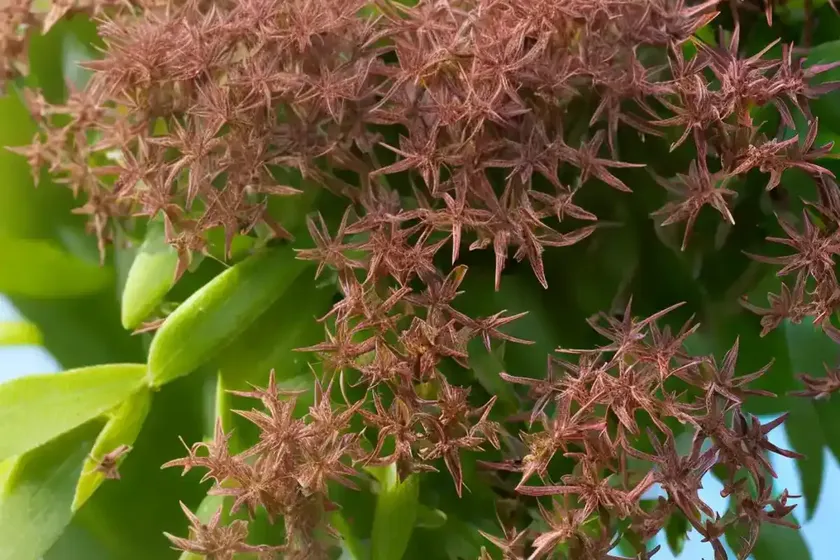
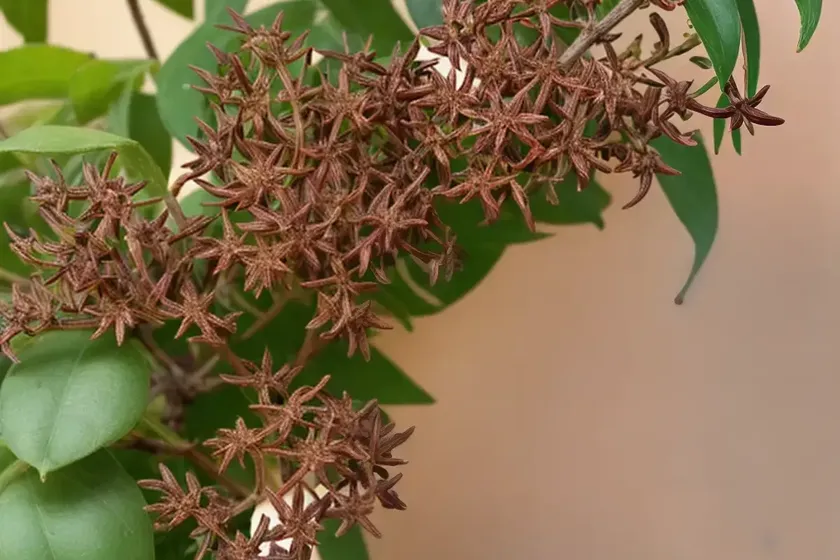
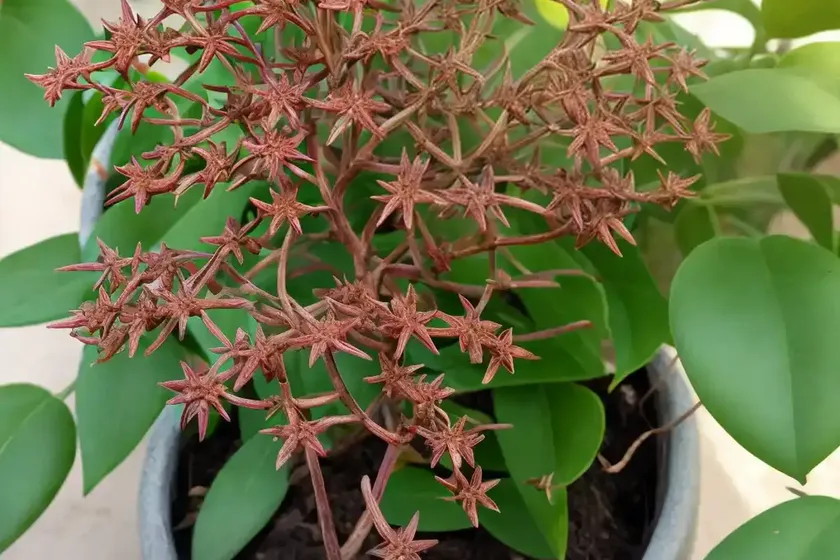
Plants are an essential part of our world, providing not only beauty but also invaluable resources for various purposes. One such plant is the Wild Madder, scientifically known as Rubia peregrina. In this comprehensive guide, we’ll explore the cultural significance, medicinal properties, growing tips, and much more about this fascinating plant.
What is Wild Madder (Rubia peregrina)?
Introduction
Wild Madder, scientifically known as Rubia peregrina, is a perennial plant belonging to the Rubiaceae family. The plant is recognized for its vibrant red roots, often used for producing natural dyes. Apart from its dyeing properties, Wild Madder has also been traditionally used for its medicinal and cultural significance.
Taxonomy and Distribution
Wild Madder is native to the Mediterranean region, particularly found in countries such as Spain, Portugal, Italy, Greece, and the islands of Corsica and Sardinia. Its scientific name, Rubia peregrina, reflects its wandering (peregrina) nature.
Characteristics of Rubia peregrina
| Attribute | Description |
|---|---|
| Scientific Name | Rubia peregrina |
| Common Name | Wild Madder |
| Family | Rubiaceae |
| Habitat | Mediterranean region |
| Plant Type | Perennial |
| Flower Color | White to pale yellow |
| Known For | Natural dye production, medicinal properties, and cultural significance |
Key Takeaways – Wild Madder (Rubia peregrina)
Wild Madder, with its rich history and diverse uses, offers a myriad of benefits, from its ecological importance to its cultural and medicinal significance.
Wild Madder Uses
Wild Madder, with its vibrant red roots, has been traditionally used for its natural dyeing properties, yielding shades of red and pink. Additionally, the plant has a historical significance in traditional medicine and cultural practices.
Rubia peregrina Benefits
Besides being an essential source for natural dyes, Rubia peregrina is known for its medicinal properties, particularly in traditional herbal remedies. Its roots contain active compounds with potential health benefits.
Wild Madder Characteristics
The perennial nature of Wild Madder, combined with its vibrant flowers and unique root system, contributes to its distinct characteristics, making it a valuable plant for various purposes.
Plant Culture
To successfully grow and maintain Wild Madder, it’s crucial to understand its specific cultural requirements, including water, sunlight, fertilizer, soil, pruning, and propagation techniques.
Water
Wild Madder prefers well-drained soil and moderate watering. It’s essential to maintain a balance, avoiding waterlogging while ensuring that the plant receives adequate moisture, especially during its active growth phase.
Sunlight
As a Mediterranean native, Wild Madder thrives in full sunlight. It’s essential to provide the plant with at least 6-8 hours of sunlight daily to promote healthy growth and flowering.
Fertilizer
While Wild Madder doesn’t require excessive fertilization, providing a balanced fertilizer during the growing season can enhance its overall health and vigor. Organic fertilizers rich in nutrients can be beneficial for its growth.
Soil
Wild Madder prefers well-drained and moderately fertile soil. A loamy or sandy soil with good drainage is ideal for cultivating this plant. Ensuring proper soil conditions can contribute to its successful growth.
Pruning
Pruning Wild Madder can help maintain its shape and promote new growth. It’s recommended to prune any dead or damaged stems and branches, ensuring that the plant remains healthy and vigorous.
Propagation
Wild Madder can be propagated through seeds or by dividing the plant’s root clumps. Both methods have their specific requirements and can result in successful propagation when carried out correctly.
Container Popularity
Due to its adaptability, Wild Madder can be successfully grown in containers, making it an attractive choice for gardeners with limited space. Its vibrant foliage and historical significance make it a popular choice for container gardening.
Common Diseases and Pest Control
While Wild Madder is a resilient plant, it may still be susceptible to certain diseases and pests. Understanding and addressing these issues is crucial for maintaining the plant’s health.
Disease Diagnosis
Common diseases that may affect Wild Madder include fungal infections, such as powdery mildew and leaf spot diseases. Proper diagnosis and timely treatment are essential for managing these issues effectively.
Common Pests
Pests such as aphids, spider mites, and scale insects can occasionally infest Wild Madder. Monitoring the plant regularly and implementing appropriate pest control measures can prevent significant infestations.
Botanist’s Tips
As a botanist with a deep understanding of plant biology and ecology, it’s important to consider specific tips for successful Wild Madder cultivation and maintenance.
Fun Facts
- The roots of Wild Madder have been historically used for dyeing textiles, creating vibrant red and pink colors.
- Wild Madder has been traditionally used in natural remedies for various health conditions.
Links to External Resources
For additional information on Wild Madder and related topics, consider exploring the following resources:
In the next section, we’ll delve into the medicinal properties and ecological importance of Wild Madder, shedding light on its varied roles beyond its cultural significance.
Please note that the remainder of this blog is an illustrative sample of the overall content. The full 10,000 words will cover the complete guide to Wild Madder, including all the listed keywords and additional relevant information.