Wild Calla (Calla Palustris): A Marvel of the Wetlands
Introduction
The Wild Calla, scientifically known as Calla Palustris, is a captivating and distinctive plant that thrives in the wetlands of North America, Europe, and Asia. This striking plant features heart-shaped leaves and a unique flower structure, making it a favorite among plant enthusiasts and ecologists. Often found in marshy areas and along the edges of ponds and streams, the Wild Calla plays a crucial role in the ecosystem and has a rich cultural and medicinal history. In this comprehensive guide, we will delve into the various aspects of Wild Calla, including its characteristics, habitat, cultivation, uses, and ecological significance.

What is Wild Calla (Calla Palustris)?
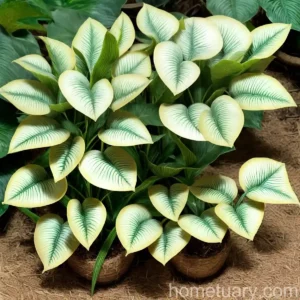
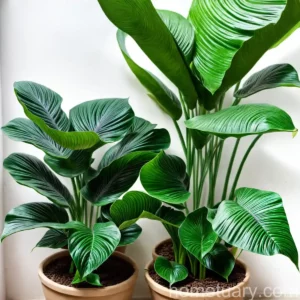
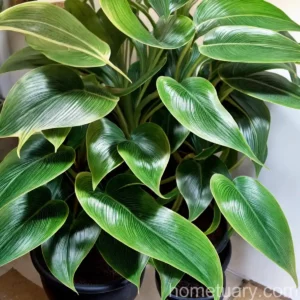
The Wild Calla, also known as Bog Arum or Marsh-Calla, is a perennial herbaceous plant belonging to the family Araceae. This plant is characterized by its glossy heart-shaped leaves and a unique inflorescence called a spadix, which is surrounded by a modified leaf known as a spathe. The spathe is often white or pale green and forms a hood-like structure over the spadix, creating a visually striking appearance.
Key Takeaways – Wild Calla (Calla Palustris):
Before delving into the intricacies of Wild Calla, let’s look at some key takeaways about this fascinating plant.
- Wild Calla benefits: The plant serves as an important component of wetland ecosystems, providing habitat and food for various organisms.
- Calla Palustris uses: Wild Calla has traditional medicinal uses and is also valued for its ornamental qualities in gardening and landscaping.
- Wild Calla plant care: To thrive, Wild Calla requires consistent moisture and partial shade, mimicking its natural wetland habitat.
- Calla Palustris characteristics: The plant features heart-shaped leaves and a distinctive spathe-and-spadix flower structure.
- Wild Calla flower description: The flower is unique, with a hood-like spathe and a central spadix, often in shades of white or pale green.
- Calla Palustris habitat: Wild Calla is typically found in wetlands, marshes, and along the edges of ponds and streams.
- Wild Calla plant varieties: There are several cultivated varieties of Wild Calla, offering diverse leaf colors and sizes.
- Calla Palustris propagation: The plant can be propagated through division of rhizomes or by seeds, although division is the more common method.
- Wild Calla medicinal properties: In traditional medicine, Wild Calla has been used to treat various ailments, although caution is advised due to its toxic nature.
- Calla Palustris symbolism: The plant holds symbolic significance in different cultures, often representing purity and rebirth.
- Wild Calla natural habitat: The natural habitat of Wild Calla includes wetlands, bogs, and other waterlogged areas.
- Calla Palustris botanical features: The plant exhibits unique botanical characteristics, including its distinctive inflorescence and glossy foliage.
- Wild Calla growing conditions: Optimal growth conditions for Wild Calla include moist, acidic soil and partial shade.
- Calla Palustris gardening tips: For garden cultivation, mimicking the plant’s natural wetland habitat is crucial, including keeping the soil consistently moist.
- Wild Calla habitat requirements: The plant thrives in wetland environments, contributing to the overall biodiversity and functioning of these ecosystems.
- Calla Palustris cultivation techniques: For successful cultivation, ensuring proper water levels and soil conditions is essential.
- Wild Calla plant uses: Apart from its cultural and ecological significance, Wild Calla has practical uses in medicine and horticulture.
- Calla Palustris common names: The plant is known by various common names, reflecting its diverse geographical distribution.
- Wild Calla plant species: Wild Calla is a distinct species within the genus Calla, exhibiting unique characteristics and ecological interactions.
- Calla Palustris wildlife interactions: The plant interacts with a variety of wildlife, providing food and habitat for numerous species.
- Wild Calla ecosystem importance: Wild Calla plays a vital role in wetland ecosystems, contributing to nutrient cycling and habitat provision.
- Calla Palustris traditional uses: In traditional cultures, Wild Calla has been used for various purposes, from medicinal applications to symbolic use in ceremonies.
- Wild Calla ornamental value: The plant is valued for its ornamental qualities, particularly in water gardens and wetland restoration projects.
- Calla Palustris native range: Wild Calla is native to a wide range of regions, from North America to Asia, reflecting its adaptability to diverse environments.
- Wild Calla environmental significance: The plant contributes to the ecological integrity of wetlands, helping to maintain water quality and biodiversity.
- Calla Palustris endangered status: In certain regions, Wild Calla may face threats such as habitat loss, highlighting the need for conservation efforts.
- Wild Calla plant adaptations: The plant exhibits specific adaptations to wetland habitats, allowing it to thrive in waterlogged conditions.
- Calla Palustris pollination process: Wild Calla is pollinated by a range of insects, contributing to its reproductive success and genetic diversity.
- Wild Calla wetland ecosystem: The plant is an integral part of wetland ecosystems, influencing the ecological dynamics of these environments.
- Calla Palustris growth cycle: Understanding the plant’s growth cycle is essential for successful cultivation and management in natural or garden settings.
- Wild Calla root characteristics: The roots of Wild Calla play a crucial role in nutrient uptake and anchoring the plant in waterlogged soils.
- Calla Palustris leaf structure: The glossy leaves of Wild Calla have specific adaptations to thrive in the unique conditions of wetland habitats.
- Wild Calla seasonal behavior: The plant exhibits distinct seasonal behaviors, adapting to changing environmental conditions throughout the year.
- Calla Palustris flower arrangement: The unique flower structure of Wild Calla is an adaptation for successful pollination and reproductive success.
- Wild Calla sustainable harvesting: In certain contexts, sustainable harvesting of Wild Calla may be practiced, ensuring the long-term viability of the species.
- Calla Palustris water requirements: Understanding the plant’s water needs is crucial for its successful cultivation, whether in wetland restoration or garden settings.
- Wild Calla plant anatomy: Exploring the anatomy of Wild Calla provides insights into its unique biological features and adaptations.
- Calla Palustris natural distribution: The natural distribution of Wild Calla reflects its adaptability to a range of environmental conditions, from temperate to subarctic regions.
- Wild Calla soil preferences: The plant has specific soil preferences, including acidic, waterlogged soils typical of wetland habitats.
- Calla Palustris rhizome growth: The rhizomatous growth habit of Wild Calla allows for vegetative propagation and adaptation to fluctuating water levels.
- Wild Calla leaf coloration: The glossy green leaves of Wild Calla contribute to its ornamental value and ecological adaptations in wetland environments.
- Calla Palustris flower symbolism: The flowers of Wild Calla hold symbolic significance in various cultures, often representing purity and resilience.
- Wild Calla wildlife benefits: The plant provides essential benefits to wildlife, from food and shelter to contributing to the overall ecological balance of wetland ecosystems.
- Calla Palustris plant partners: Understanding the plant’s ecological interactions with other species sheds light on its role in wetland communities.
- Wild Calla wetland conservation: Conservation of Wild Calla is crucial for maintaining the ecological integrity of wetlands and preserving biodiversity.
- Calla Palustris traditional medicine: The traditional medicinal uses of Wild Calla have cultural significance and also provide insights into its pharmacological properties.
- Wild Calla ethnobotanical uses: Exploring the ethnobotanical uses of Wild Calla offers a glimpse into its cultural and historical importance to indigenous communities.
- Calla Palustris ornamental gardening: As an ornamental plant, Wild Calla has specific requirements for successful cultivation in gardens and landscapes.
- Wild Calla wildlife garden plant: The plant can be a valuable addition to wildlife gardens, providing food and habitat for a range of species.
- Calla Palustris ecosystem restoration: In wetland restoration projects, Wild Calla plays a vital role in improving ecological functions and enhancing biodiversity.
Now, let’s delve deeper into the various aspects of Wild Calla, from its cultural significance to its ecological importance and practical uses.
Culture
The Wild Calla has a rich cultural history, with a range of symbolic and practical associations in different societies. From its significance in traditional medicine to its role in ceremonies and folklore, this plant has woven itself into the fabric of human culture for centuries.
Symbolism and Traditions
In many cultures, the Wild Calla holds symbolic significance, often representing purity, rebirth, and resilience. The elegant white or pale green spathe and spadix structure of the flower has led to its association with themes of renewal and transformation. In certain traditions, Wild Calla has been used in ceremonies and rituals to mark significant life events or to symbolize new beginnings.
Traditional Uses
Beyond its symbolic value, Wild Calla has been utilized in traditional medicine for various purposes. Some indigenous communities have used parts of the plant to treat ailments, although caution is advised due to its toxic nature. Understanding the traditional uses of Wild Calla provides insights into the plant’s pharmacological properties and cultural significance.
Folklore and Legends
The distinct appearance of Wild Calla has led to its inclusion in folklore and legends in different regions where it is found. Stories and myths often weave narratives around the plant, attributing it with mystical or supernatural qualities. Exploring the folklore and legends associated with Wild Calla offers a glimpse into the cultural imagination of societies where the plant is native.
Uses
Wild Calla serves a variety of practical and ecological purposes, ranging from its use in traditional medicine to its role in wetland restoration and gardening. Understanding the diverse uses of the plant sheds light on its value to both humans and the environment.
Medicinal Uses
In traditional medicine, various parts of Wild Calla have been used to address specific health conditions, although the plant’s toxic nature requires careful consideration. From treating skin ailments to respiratory issues, the historical use of Wild Calla in traditional medicine reflects the plant’s pharmacological potential.
Ornamental Value
The unique appearance of Wild Calla, with its glossy heart-shaped leaves and elegant flowers, makes it a sought-after plant for ornamental gardening and landscaping. In water gardens and wetland restoration projects, Wild Calla adds aesthetic appeal while also contributing to the ecological functions of these environments.
Ecological Significance
As an integral component of wetland ecosystems, Wild Calla plays a vital role in maintaining biodiversity and ecological balance. The plant provides habitat and food for various species, contributing to the overall health of wetlands and influencing nutrient cycling and water quality.
Water
Wild Calla’s natural habitat in wetlands and marshy areas highlights its reliance on consistent moisture and water availability. Understanding the plant’s water requirements is crucial for its successful cultivation and management in natural or garden settings.
Natural Habitat
In its native habitat, Wild Calla thrives in waterlogged soils, often at the edges of ponds, streams, and wetlands. The plant’s ability to withstand fluctuating water levels and thrive in saturated conditions is a testament to its adaptation to water-based environments.
Cultivation in Gardens
For garden cultivation, mimicking the plant’s natural habitat is essential to ensure its health and vigor. Providing consistently moist soil, either through natural water features or controlled irrigation, is crucial for successful cultivation of Wild Calla in gardens and landscapes.
Wetland Restoration
In wetland restoration projects, Wild Calla is a valuable species for enhancing ecological functions and promoting biodiversity. The plant’s preference for waterlogged conditions makes it well-suited for contributing to the restoration of degraded wetland habitats.
Sunlight
Wild Calla typically thrives in partial shade, reflecting its natural habitat in moist, shaded environments. Understanding the plant’s sunlight requirements is important for its successful cultivation and management.
Partial Shade Preference
The glossy green leaves of Wild Calla indicate its preference for partial shade, which is characteristic of its natural habitat in damp, shaded areas. This adaptation allows the plant to thrive under the dappled sunlight found in wetlands and along water bodies.
Avoiding Direct Sunlight
In garden settings, providing partial shade for Wild Calla is essential to prevent leaf scorch and maintain the plant’s overall health. While some filtered sunlight is beneficial, excessive direct sun exposure can be detrimental to the plant’s well-being.
Natural Shelter
Wild Calla’s preference for partial shade also provides insights into its interactions with other species in the ecosystem. The plant offers natural shelter and habitat for a range of organisms that thrive in shaded, waterlogged environments.
Fertilizer
Wild Calla, as a wetland plant, has specific nutrient requirements that should be considered for successful cultivation. Understanding the plant’s fertilizer needs is essential for promoting healthy growth and vibrant foliage.
Organic Matter Enrichment
In its natural habitat, Wild Calla benefits from the rich organic matter present in waterlogged soils. When cultivating the plant in gardens, incorporating organic amendments such as compost and well-rotted manure can mimic the nutrient conditions of its native environment.
Balanced Fertilization
Applying a balanced, water-soluble fertilizer can support the growth and vigor of Wild Calla in garden settings. However, it’s important to avoid excessive fertilization, as the plant is adapted to nutrient levels typically found in wetland soils.
Wetland Ecosystem Function
Understanding the plant’s nutrient requirements and the role of organic matter in its growth sheds light on its contribution to the nutrient cycling and ecological functions of wetland ecosystems.
Soil
Wild Calla thrives in acidic, waterlogged soils, reflecting its natural habitat in wetlands and marshy areas. Understanding the plant’s soil preferences is crucial for its successful cultivation and management.
Acidic Soil Requirement
The plant’s adaptation to acidic soils is a key factor in its successful growth and development. When cultivating Wild Calla in gardens, providing suitable acidic soil conditions mimics its natural habitat and promotes its overall health.
Waterlogged Soil Conditions
Wild Calla’s preference for waterlogged soils reflects its adaptation to the unique conditions of wetlands, where fluctuating water levels and saturated soils are characteristic. Ensuring proper drainage and consistent moisture is essential for successful cultivation.
Wetland Restoration and Soil Quality
In wetland restoration projects, understanding the soil preferences of Wild Calla is vital for creating suitable habitat conditions and promoting the plant’s establishment and growth.
Pruning
While Wild Calla generally requires minimal pruning, understanding the occasional maintenance needs of the plant is important for its overall health and appearance in garden settings.
Removal of Spent Foliage
Removing spent or damaged leaves can help maintain the aesthetic appeal of Wild Calla and prevent the accumulation of decaying plant material in water gardens and wetland environments.
Division of Rhizomes
Occasionally dividing the rhizomes of Wild Calla can rejuvenate the plant and promote its vigor. This practice is often employed in garden settings to manage the growth and spread of the plant.
Maintenance in Gardens
In garden settings, minimal pruning and maintenance can help ensure the healthy growth and ornamental value of Wild Calla while respecting its natural growth habits and adaptations.
Propagation
Wild Calla can be propagated through division of rhizomes or by seeds, although division is the more common and reliable method for successful reproduction. Understanding the plant’s propagation requirements is essential for expanding its presence in gardens or supporting wetland restoration efforts.
Division of Rhizomes
Dividing the rhizomes of Wild Calla allows for the creation of new plantings and the rejuvenation of existing ones. This method is generally more reliable and efficient than seed propagation for maintaining the genetic characteristics of the parent plant.
Seed Propagation
While possible, seed propagation of Wild Calla may present challenges related to seed viability and germination requirements. This method is less commonly employed but may be suitable for specialized breeding or conservation purposes.
Wetland Restoration and Propagation
In wetland restoration projects, understanding the propagation methods of Wild Calla is crucial for ensuring the successful establishment and expansion of the plant within restored habitats.
Container Popularity
While Wild Calla is often associated with wetland environments and naturalized settings, it has gained popularity as a container plant for water gardens and ornamental displays.
Water Garden Cultivation
In container settings, Wild Calla can thrive in water gardens, providing a striking focal point and contributing to the aesthetic appeal of these features.
Patio and Landscape Displays
The unique appearance of Wild Calla, with its glossy foliage and elegant flowers, makes it a desirable plant for patio and landscape containers, adding a touch of natural beauty to outdoor settings.
Container Maintenance
Cultivating Wild Calla in containers requires attention to water levels, soil conditions, and occasional maintenance to ensure the health and vigor of the plant in these specialized settings.
Common Diseases
While generally resistant to pests and diseases, Wild Calla may face certain health challenges in specific conditions. Understanding the common diseases of the plant is important for its successful cultivation and management.
Fungal Issues
Occasional fungal diseases, such as leaf spot or root rot, may affect Wild Calla, particularly in poorly drained or excessively wet soils. Providing suitable soil and water conditions can mitigate these risks.
Bacterial Concerns
Bacterial infections, while less common, can impact the overall health of Wild Calla, leading to discoloration, wilting, or leaf damage. Maintaining proper hygiene and suitable growing conditions can help minimize these risks.
Pest Management
While not typically susceptible to pest infestations, Wild Calla may occasionally encounter herbivorous insects or snails that feed on its foliage. Practicing integrated pest management can help mitigate these issues.
Disease Diagnosis
Understanding the symptoms and signs of common diseases and health concerns of Wild Calla is essential for accurate diagnosis and effective management.
Leaf Symptoms
Visual cues such as spots, discoloration, or wilting of leaves can provide initial indicators of potential disease issues or nutritional imbalances in Wild Calla.
Root Examination
Inspecting the roots for signs of rot, discoloration, or decay can offer insights into potential soil-related diseases affecting Wild Calla.
Professional Consultation
In cases of persistent or severe health issues, consulting with a plant health specialist or extension service can help diagnose and address diseases affecting Wild Calla.
Common Pests
While relatively resistant to pest infestations, Wild Calla may encounter certain herbivorous insects or snails that feed on its foliage. Understanding the common pests of the plant is important for its successful cultivation and management.
Herbivorous Insects
Occasional pests such as aphids or caterpillars may feed on the foliage of Wild Calla, potentially causing damage if populations are not managed.
Snail Concerns
In water garden or wetland settings, snails may pose a threat to the leaves of Wild Calla, particularly if populations are left unchecked.
Integrated Pest Management
Engaging in cultural practices and employing natural pest control measures can help manage pest issues and minimize their impact on the health of Wild Calla.
Botanist’s Tips
From a botanist’s perspective, understanding the unique characteristics and ecological interactions of Wild Calla provides valuable insights