Weigela (Weigela Florida ‘SMNWFMS’ MIDNIGHT WINE SHINE)
Weigela (Weigela florida ‘SMNWFMS’ MIDNIGHT WINE SHINE) is a captivating shrub that adds color and elegance to any garden. With its deep purple foliage and.
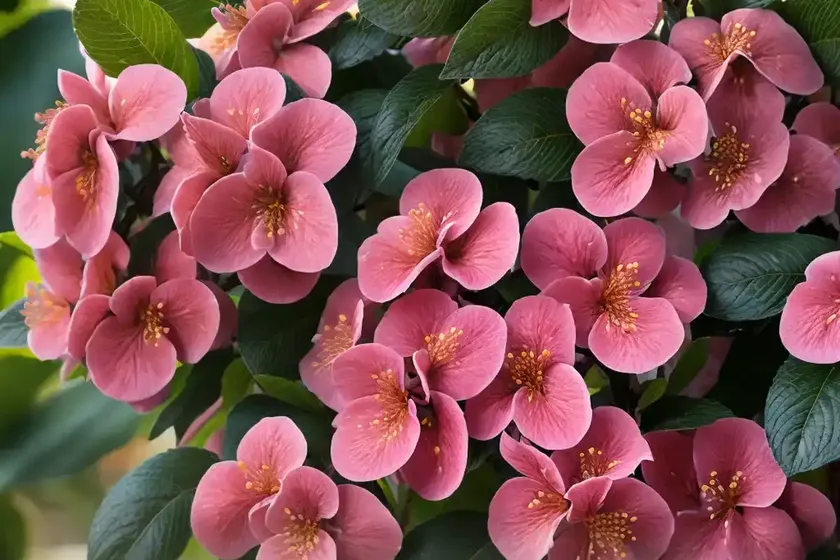
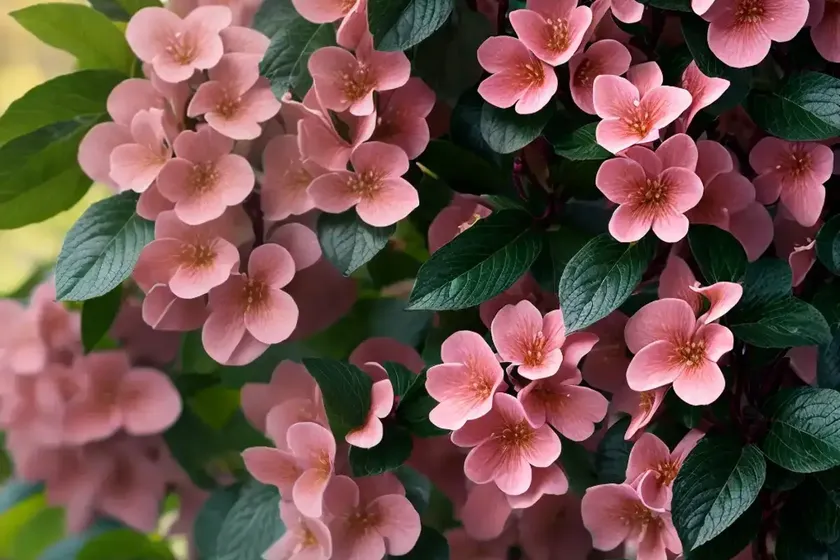
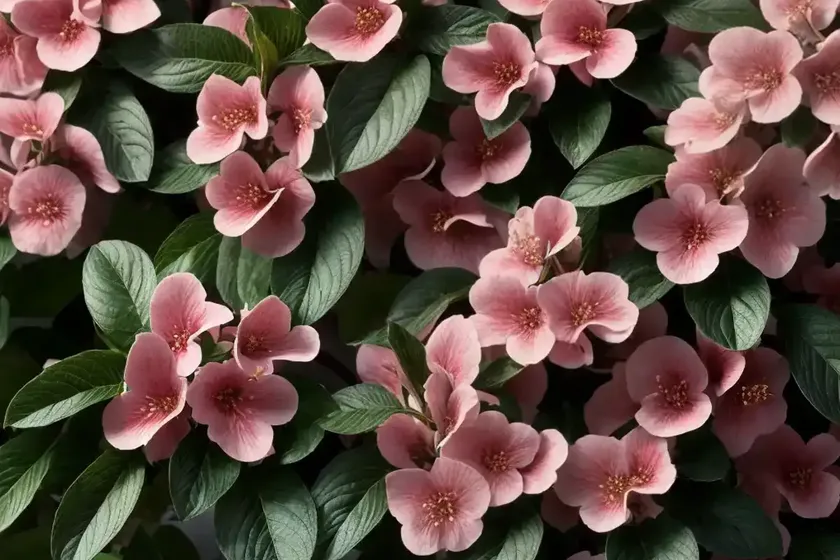
Weigela (Weigela florida ‘SMNWFMS’ MIDNIGHT WINE SHINE) is a captivating shrub that adds color and elegance to any garden. With its deep purple foliage and charming blooms, Midnight Wine Shine is a cultivar that garners attention with its unique characteristics and easy care requirements. This comprehensive guide will provide insights into the culture, uses, care, maintenance, and more about this extraordinary plant.
What is Weigela (Weigela florida ‘SMNWFMS’ MIDNIGHT WINE SHINE)?
Weigela (Weigela florida) is a genus of about 12 species of deciduous shrubs in the family Caprifoliaceae, native to East Asia. The ‘SMNWFMS’ MIDNIGHT WINE SHINE cultivar, specifically, is a compact, mounded, deciduous shrub known for its charming, dark purple foliage and vivid pink flowers. This cultivar, prized for its low maintenance and outstanding ornamental features, makes a superb addition to gardens, borders, and landscape designs.
Key Takeaways
Culture
- Scientific Name: Weigela florida ‘SMNWFMS’ MIDNIGHT WINE SHINE
- Common Names: Midnight Wine Shine Weigela, Weigela florida Midnight Wine Shine
- Plant Type: Deciduous shrub
- Mature Height: 12-24 inches (0.5-1.5 meters)
- Mature Spread: 12-24 inches (0.5-1.5 meters)
- Hardiness Zones: 4-8
- Flower Color: Pink
- Bloom Time: Late spring to early summer
- Growth Rate: Moderate
- Landscape Uses: Borders, mass plantings, containers
Uses
- Landscape: Ideal for borders, mass plantings, and mixed borders, bringing vibrant color and texture to the landscape.
- Container Planting: Well-suited for container gardening, providing a burst of color and visual interest on patios and balconies.
- Wildlife: Attracts butterflies, making it a valuable addition to wildlife-friendly gardens.
Water
- Watering Schedule: Regular watering, especially during the hot and dry periods, to maintain soil moisture.
- Established Plants: Once established, it is somewhat drought tolerant but performs best with consistent moisture.
Sunlight
- Sun Exposure: Prefers full sun to light shade.
- Optimal Light: Thrives in at least 6 hours of direct sunlight per day.
Fertilizer
- Feeding: Fertilize in early spring with a balanced fertilizer to support healthy growth and abundant flowering.
- Application: Apply fertilizer according to the manufacturer’s instructions, ensuring even distribution around the drip line of the shrub.
Soil
- Soil Type: Well-drained, fertile soil.
- pH Range: Slightly acidic to neutral (pH 5.5-7.0).
Pruning
- Timing: Prune immediately after flowering to maintain the shrub’s shape and encourage next season’s blooms.
- Method: Remove spent flowers and shape the plant as needed.
Propagation
- Propagation Methods: Can be propagated from softwood cuttings or semi-hardwood cuttings in late spring to early summer.
- Rooting Hormone: Using a rooting hormone might enhance the success rate of cuttings.
Container Popularity
- Container Size: Well-suited for small to medium-sized containers.
- Suitable Potting Mix: Potting soil with good drainage is crucial for container cultivation.
Common Diseases
- Disease Resistance: Generally resistant to most common diseases.
- Preventative Measures: Good air circulation and proper sanitation can help prevent disease issues.
Disease Diagnosis
- Symptoms: Leaf spots, wilting, or abnormal discoloration may indicate a disease issue.
- Professional Consultation: If unsure, it is advisable to consult with a local horticulturist for accurate diagnosis and treatment.
Common Pests
- Pest susceptibility: Relatively resistant to pests.
- Vigilance: Regularly inspect for aphids, spider mites, and scale insects, which may occasionally pose a threat.
Botanist’s Tips
- Annual Mulching: Apply a layer of organic mulch around the shrub to conserve moisture and suppress weeds.
- Regular Monitoring: Check for any signs of stress or disease, especially during periods of extreme weather.
Fun Facts
- Weigela is named after the German scientist Christian Ehrenfried Weigel.
- The specific epithet “florida” refers to the showy nature of the flowers of these plants.
Benefits of Growing Weigela florida Midnight Wine Shine
Weigela florida ‘SMNWFMS’ MIDNIGHT WINE SHINE offers a multitude of benefits to gardeners and landscape enthusiasts, including:
- Vibrant Foliage: The deep purple foliage adds a dramatic contrast to the garden landscape.
- Attractive Flowers: The vivid pink flowers create a stunning display and attract pollinators.
- Low Maintenance: Requires minimal care and is relatively pest and disease resistant.
- Adaptability: Thrives in various soil types and is adaptable to urban and suburban environments.
Midnight Wine Shine Plant Care
Caring for Weigela florida ‘SMNWFMS’ MIDNIGHT WINE SHINE involves providing the appropriate growing conditions and regular maintenance. Here are some essential care guidelines to ensure the optimal health and beauty of this cultivar:
Watering Requirements
- Establishment: Water deeply after planting to encourage the development of a healthy root system.
- Regular Watering: Maintain consistent soil moisture, especially during the active growing season.
- Drought Tolerance: Once established, it exhibits some tolerance to dry conditions, but prolonged drought can affect flowering and overall health.
Sun Exposure Preferences
- Full Sun: Thrives in full sun, contributing to robust growth and abundant flowering.
- Light Shade: Tolerates light shade but may result in slightly reduced flowering.
Soil Conditions
- Well-Drained Soil: Ensure the planting site has well-drained, fertile soil.
- Soil Amendments: Incorporate organic matter into the soil when planting to enhance fertility and drainage.
Autumn Foliage
- Seasonal Interest: The foliage often undergoes a color change in autumn, producing attractive hues of red and purple.
Bloom Time
- Flowering Period: Enjoy the spectacular display of pink blooms from late spring to early summer.
- Pruning Impact: Proper pruning after flowering can help encourage prolific blooms for the following season.
Landscaping Ideas
- Border Plantings: Use as a standout specimen or as part of a mixed border to add visual interest and color contrast.
- Container Gardening: Perfect for containers on patios, decks, or balconies, enhancing the visual appeal of outdoor spaces.
Pollinator Attraction
- Butterfly Magnet: The charming flowers attract butterflies, contributing to a dynamic and lively garden.
Midnight Wine Shine Weigela Florida Diseases and Pests
While Weigela florida ‘SMNWFMS’ MIDNIGHT WINE SHINE is relatively resistant to diseases and pests, it is essential to remain vigilant and address any issues promptly. Here are some common diseases and pests that may affect this cultivar:
Diseases
- Powdery Mildew: Avoid overhead watering and ensure adequate spacing for good air circulation to minimize the risk of powdery mildew.
- Leaf Spot: Keep the area around the plant clean and free of debris to reduce the potential for leaf spot diseases.
Pests
- Aphids: Regularly inspect the foliage for the presence of aphids and, if necessary, use appropriate control measures.
- Spider Mites: Monitor for signs of spider mite infestations, particularly during hot and dry periods, and employ suitable management techniques if detected.
Weigela Florida Midnight Wine Shine Pruning Techniques
Pruning is an essential aspect of Weigela florida ‘SMNWFMS’ MIDNIGHT WINE SHINE maintenance, contributing to the overall health and aesthetics of the plant. Follow these pruning tips for a well-maintained Midnight Wine Shine Weigela:
- Timing: Prune immediately after flowering, typically in late spring or early summer.
- Objective: Remove spent blooms and any damaged or crossing branches to maintain a pleasing shape.
- Renewal Pruning: Periodically, consider removing old, non-productive wood to stimulate new growth and maintain vigor.
Weigela florida ‘SMNWFMS’ MIDNIGHT WINE SHINE Plant Propagation
Propagating Weigela florida ‘SMNWFMS’ MIDNIGHT WINE SHINE allows for the expansion of this remarkable cultivar within the garden or for sharing with fellow gardening enthusiasts. Consider the following methods for successful propagation:
Softwood Cuttings
- Select a healthy, non-flowering stem from the current season’s growth.
- Cut a 4-6 inch (10-15 cm) section, ensuring it includes a terminal bud and at least a couple of leaf nodes.
- Remove the lower leaves, leaving only the uppermost pair.
- Dip the cut end in a rooting hormone to promote root development.
- Plant the cutting in a well-draining propagation medium.
- Provide consistent moisture and warmth, and monitor for root development over the following weeks.
Semi-Hardwood Cuttings
- Opt for semi-hardwood cuttings in late summer to early autumn for a higher chance of success.
- Follow the same steps as with softwood cuttings, ensuring the use of healthy, disease-free plant material.
- Create a favorable environment with sufficient humidity and warmth to encourage root formation.
Division
- For established plants, division offers a straightforward method for propagating Weigela florida ‘SMNWFMS’ MIDNIGHT WINE SHINE.
- Select a healthy, mature plant and divide it into sections, ensuring each division has ample roots and shoots for successful establishment.
Midnight Wine Shine Weigela Florida Hardiness Zones
Weigela florida ‘SMNWFMS’ MIDNIGHT WINE SHINE is well-suited for hardiness zones 4-8, thriving in a range of climatic conditions within these zones. Understanding the specific hardiness zone allows for informed decisions when incorporating this cultivar into garden designs and landscape plans.
Weigela Florida Midnight Wine Shine Vibrant Foliage and Landscape Enhancement
The stunning and vibrant foliage of Weigela florida ‘SMNWFMS’ MIDNIGHT WINE SHINE offers an opportunity to enhance the landscape with captivating color contrasts and texture. Consider incorporating this cultivar into the garden for:
- Focal Points: Use as a focal point or specimen plant, drawing attention with its rich, purple foliage.
- Color Combinations: Pair with light-colored or silver-foliaged plants for striking visual impact.
- Mass Plantings: Create dynamic borders or mass plantings, providing a lush, colorful backdrop to the garden.
Links to External Resources
For additional information on Weigela florida ‘SMNWFMS’ MIDNIGHT WINE SHINE, as well as tips and insights from gardening experts, consider exploring the following resources:
- Royal Horticultural Society – Weigela
- Missouri Botanical Garden – Weigela florida
- North Carolina State University – Weigela florida
- The Spruce – How to Grow and Care for Weigela
Conclusion
Weigela florida ‘SMNWFMS’ MIDNIGHT WINE SHINE is a remarkable cultivar that excels in the ornamental garden, adding visual interest, vibrant color, and pollinator-friendly blooms. With its low maintenance requirements and adaptability to various growing conditions, this cultivar holds widespread appeal among gardeners and landscaping enthusiasts. Whether as a stand-alone specimen, part of a mass planting, or featured in containers, Midnight Wine Shine Weigela contributes to captivating and dynamic outdoor spaces. By understanding its culture, care needs, and potential uses, gardeners can harness the full potential of this extraordinary shrub in their landscapes, creating a lasting impact for years to come. Happy gardening and may your gardens always bloom with the beauty of Weigela florida ‘SMNWFMS’ MIDNIGHT WINE SHINE!