Weigela (Weigela florida) – A Beautiful and Versatile Garden Shrub
Weigela, scientifically known as Weigela florida, is a versatile and attractive shrub that is popular in gardens and landscapes across the world. With its vibrant and showy blooms, attractive foliage, and easy maintenance, it has become a favorite among gardeners and landscapers alike.
In this comprehensive guide, we’ll delve into the fascinating world of Weigela, exploring its characteristics, care requirements, uses, and much more. Whether you’re a seasoned gardener or a novice enthusiast, this article will provide you with invaluable insights into the cultivation and appreciation of Weigela plants.
What is Weigela (Weigela florida)?
Weigela is a genus of about 12 species of deciduous shrubs in the family Caprifoliaceae, native to East Asia, specifically Korea and Japan. The most widely cultivated species is Weigela florida, which is valued for its profuse and colorful flowers that adorn the plant in late spring and early summer. The genus was named in honor of Christian Ehrenfried Weigel, a German botanist.
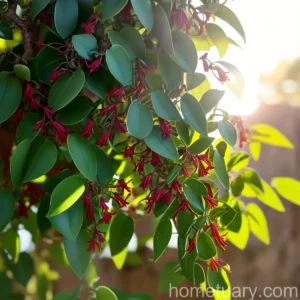
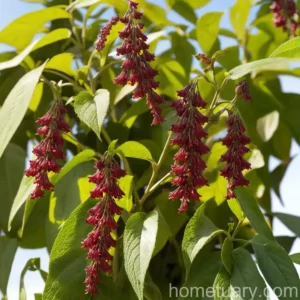
Weigela florida is a hardy, low-maintenance shrub that boasts graceful arching branches and an abundance of tubular flowers that are highly attractive to pollinators, such as bees and hummingbirds. Its compact growth habit and the range of flower colors and foliage make it an ideal choice for gardens, borders, and landscaping projects.
Key Takeaways – Weigela (Weigela florida)
Before we delve into the detailed care and maintenance aspects, here are the key takeaways about Weigela florida:
- Scientific Name: Weigela florida
- Common Name: Weigela
- Family: Caprifoliaceae
- Native Region: East Asia (Korea and Japan)
- Lifespan: Perennial
- Flowering Period: Late spring to early summer
- Hardiness Zones: 4 to 8
- Watering: Moderate
- Sunlight: Full sun to partial shade
- Soil Type: Well-draining, fertile soil
- Uses: Borders, hedges, foundation plantings, mass plantings
With these key points in mind, let’s explore the various aspects of caring for and enjoying the beauty of Weigela in your garden or landscape.
Culture
Cultivating Weigela is relatively straightforward, and it adapts well to a variety of growing conditions. Whether you’re looking to plant it as a standalone specimen or incorporate it into a mixed border, the following cultural considerations will guide you in creating an optimal environment for this charming shrub.
Water
Proper watering is crucial for the health and vitality of Weigela plants. While they have moderate water needs, it’s essential to ensure that the soil remains consistently moist, especially during the establishment phase and periods of drought. Here are a few watering guidelines to keep in mind:
- Young Plants: Newly planted Weigela shrubs should be watered deeply immediately after planting. This helps settle the soil and initiates healthy root development.
- Established Plants: Once established, Weigela typically requires about 1 inch of water per week, either from rainfall or supplemental irrigation. However, this may vary depending on the soil type and local climate conditions.
- Visual Cues: Keep an eye on the foliage for signs of wilting, as this may indicate inadequate moisture levels. Conversely, waterlogged soil can lead to root rot and other issues, so it’s crucial to strike a balance.
Sunlight
Weigela flourishes in locations that receive ample sunlight, although it can also tolerate partial shade. When choosing a planting site or positioning a container, consider the following sunlight preferences:
- Full Sun: Weigela typically performs best when grown in full sun, which translates to at least 6 to 8 hours of direct sunlight per day. In such conditions, it tends to produce more abundant blooms and maintain a compact, well-branched form.
- Partial Shade: If full sun exposure is not feasible, Weigela can thrive in partial shade as well. This is especially beneficial in regions with hot summers, where some respite from intense sunlight can prevent stress and sunburn on the foliage.
Fertilizer
Proper fertilization supports the growth, vigor, and flowering of Weigela plants. By providing essential nutrients, you can ensure that your shrubs remain healthy and vibrant throughout the growing season. Consider the following fertilizer guidelines:
- Timing: Apply a balanced, slow-release fertilizer in early spring, just as the new growth begins to emerge. This helps fuel the plant’s development and supports robust flowering.
- Dosage: Follow the manufacturer’s recommendations regarding the application rate, and avoid over-fertilizing, as this can lead to excessive foliage growth at the expense of blooms.
- Nutrient Balance: Look for a fertilizer with an N-P-K ratio that is balanced or slightly higher in phosphorus (the second number on the fertilizer label). Phosphorus promotes flower production and overall plant health.
Soil
Weigela thrives in well-draining, fertile soil that provides a stable foundation for healthy root development. Before planting or transplanting, evaluate the soil characteristics and make any necessary amendments to create an optimal growing environment:
- Texture: Ideally, the soil should be loamy, with a balanced mixture of sand, silt, and clay. This allows for adequate drainage while retaining sufficient moisture for the plant’s needs.
- pH Level: Weigela prefers slightly acidic to neutral soil, with a pH range of 6.0 to 7.5. Conduct a soil test to determine the pH level and amend the soil as needed to achieve the desired acidity.
- Organic Matter: Incorporating organic matter, such as compost or well-rotted manure, improves soil structure and fertility. It also enhances water retention and supports beneficial microbial activity in the soil.
Pruning
Pruning is an essential aspect of Weigela maintenance, as it helps shape the plant, encourage flowering, and remove old or damaged wood. By following the proper pruning techniques, you can enhance the plant’s appearance and overall health. Here are some key considerations for pruning Weigela:
- Timing: The best time to prune Weigela is immediately after the bloom period, which is usually in late spring or early summer. This allows for the removal of spent flowers and shaping of the shrub without sacrificing the next year’s blooms.
- Techniques: Use sterilized pruning tools to make clean cuts, and remove any dead, diseased, or crossing branches. Additionally, thin out the interior of the plant to improve air circulation and light penetration.
- Renewal Pruning: Over time, Weigela can become woody and overgrown. To rejuvenate older shrubs, consider performing renewal pruning, where you selectively remove one-third of the oldest stems at ground level. This stimulates fresh, vigorous growth and revitalizes the plant.
Propagation
Propagating Weigela allows you to create new plants and expand your collection without purchasing additional specimens. Whether you prefer to propagate through seeds, cuttings, or division, the following methods offer you options for multiplying your Weigela population:
Propagation by Cuttings
Propagating Weigela from cuttings is a reliable and straightforward method, especially for ensuring genetic consistency with the parent plant. Follow these steps to propagate Weigela from cuttings:
- Selecting Cuttings: Choose healthy, non-flowering stems from the current season’s growth. Cut several 6-inch sections, making the cuts just below a leaf node.
- Preparation: Remove the lower leaves from the cuttings, leaving 2 to 3 leaves at the tip. Dip the cut end in rooting hormone to encourage root development.
- Planting: Insert the cuttings into a well-draining propagation medium, such as a mix of perlite and peat, and keep the medium consistently moist.
- Rooting: Place the cuttings in a warm, humid environment with bright, indirect light. After several weeks, the cuttings should develop roots and can be transplanted into individual containers.
Propagation by Division
If you have an established Weigela plant that has developed multiple stems or offshoots, division can be a convenient method of propagation. Here’s how to divide Weigela:
- Timing: Division is best performed in early spring, just as new growth begins to emerge.
- Lifting: Carefully dig around the base of the Weigela plant to expose the root system. Lift the plant from the ground, taking care not to damage the roots.
- Division: Use a sharp tool to divide the root ball into sections, ensuring that each division has a healthy portion of roots and several stems.
- Replanting: Transplant the divided sections into prepared planting holes or containers, and water thoroughly to promote establishment.
Container Popularity
Weigela’s versatility extends to container gardening, where it can serve as a focal point on a patio, balcony, or urban garden setting. The compact growth habit and ornamental foliage and flowers make it an appealing choice for container cultivation. If you’re considering growing Weigela in a container, here are some tips to ensure its success:
- Container Size: Select a container that provides ample room for root growth and stability. A 15 to 20-gallon container is generally suitable for a mature Weigela shrub.
- Drainage: Ensure that the container has drainage holes to prevent waterlogging, which can lead to root rot. Elevating the container on pot feet or placing it on a wheeled platform promotes airflow and drainage.
- Growing Medium: Use a well-draining potting mix that is specifically formulated for shrubs and ornamental plants. You can also add perlite or coarse sand to improve drainage and aeration.
- Placement: Position the container in a location that receives adequate sunlight, whether it’s on a sunny patio or near a south-facing wall. Rotate the container periodically to ensure even growth and flowering on all sides of the plant.
Container Common Diseases
While Weigela is generally resilient to diseases, certain issues may arise, particularly when grown in containers. It’s essential to be aware of the common diseases that can affect Weigela in container settings and take preventative measures to maintain the plant’s health. Here are some common diseases to watch out for:
Powdery Mildew
Powdery mildew is a fungal disease that can affect Weigela, especially when grown in containers with poor air circulation or in humid conditions. It presents as a powdery white or gray coating on the leaves, and severe infestations can lead to stunted growth and diminished flowering.
Preventative Measures:
- Pruning and Thinning: Regularly prune the interior of the plant to improve air circulation, and remove any crowded or crossing branches. This helps reduce the humidity around the plant and discourages powdery mildew.
- Fungicidal Sprays: Apply a horticultural oil or fungicidal spray to the foliage as a preventative measure, especially during periods of high humidity or when powdery mildew is prevalent in the area.
Root Rot
Root rot can occur in container-grown Weigela if the growing medium remains excessively wet for extended periods. This can lead to the deterioration of the roots and a decline in the plant’s overall health.
Preventative Measures:
- Well-Draining Medium: Ensure that the container has ample drainage and use a well-draining potting mix to prevent waterlogging and promote healthy root conditions.
- Adequate Watering: Monitor the moisture levels in the container and avoid overwatering, especially during periods of low evaporation, such as in cool or overcast weather.
Disease Diagnosis
When monitoring the health of Weigela plants, it’s important to be able to recognize common signs and symptoms of diseases. Identifying and diagnosing diseases early on allows for prompt intervention and effective treatment. Here are some diagnostic pointers for common Weigela diseases:
- Foliage Symptoms: Examine the leaves for discoloration, spots, powdery coatings, or distortion. These can be indicative of fungal diseases, bacterial infections, or pest infestations.
- Growth Patterns: Observe the overall growth of the plant, looking for stunted growth, wilting, or dieback. These symptoms may point to root rot, vascular diseases, or nutrient deficiencies.
- Environmental Factors: Consider the prevailing weather conditions and the proximity of other infected plants. Environmental stress, humidity levels, and neighboring diseased plants can contribute to disease development in Weigela.
If you notice any concerning symptoms on your Weigela plants, consult with a local plant expert or extension service for specific guidance on disease diagnosis and management.
Common Pests
Weigela is relatively resistant to pest infestations, but certain insects can still pose a threat to the plant’s health. Vigilance and early intervention are key to mitigating the damage caused by common pests. Here are some pests to watch out for when caring for Weigela:
Aphids
Aphids are small, soft-bodied insects that congregate on the undersides of Weigela leaves and suck sap from the plant. Their presence can lead to distorted foliage, stunted growth, and the development of sooty mold.
Management Strategies:
- Hose Spraying: Use a strong stream of water to dislodge aphids from the foliage, effectively reducing their numbers and minimizing damage to the plant.
- Beneficial Insects: Encourage natural predators of aphids, such as ladybugs and lacewings, by planting nectar-rich flowers and avoiding the use of broad-spectrum insecticides.
Spider Mites
Spider mites are tiny arachnids that feed on the underside of Weigela leaves, causing stippling, wilting, and the formation of fine webbing. They thrive in hot, dry conditions and can rapidly infest the plant if left unchecked.
Management Strategies:
- Horticultural Oil: Apply a horticultural oil spray to suffocate and disrupt the feeding activity of spider mites. Ensure thorough coverage of the foliage, especially the undersides of leaves.
- Humidity Maintenance: Increase the humidity around the plant by regularly misting the foliage with water. This creates a less favorable environment for spider mites to thrive.
Botanist’s Tips
As a plant scientist with a passion for Weigela, I’ve gathered some valuable tips and insights that can help you cultivate and appreciate these beautiful shrubs to the fullest. From understanding their growth habits to creative landscaping ideas, these botanist’s tips are designed to enrich your experience with Weigela plants:
Growth Habits
- Seasonal Variations: Appreciate the seasonal changes in Weigela, from the emergence of new growth in spring to the vibrant flowering in summer and the development of colorful foliage in fall. Observing these natural cycles enhances your connection with the plant.
- Arching Form: Highlight the graceful arching branches and cascading habit of Weigela by planting it in a location where the weeping form can be accentuated, such as at the edge of a garden bed or near a water feature.
Landscaping Features
- Mixed Borders: Incorporate Weigela into mixed borders with other shrubs and perennials to create dynamic compositions and utilize its diverse color palette as a backdrop for seasonal plantings.
- Privacy Screens: Use Weigela as part of a living privacy screen or hedge, taking advantage of its dense growth and attractive flowering to create visual interest while providing screening.
Wildlife Attraction
- Pollinator-Friendly Plant: Leverage Weigela’s nectar-rich flowers to attract and support pollinators in the garden, contributing to the health and diversity of local ecosystems.
- Bird Habitat: The arching branches and dense foliage of Weigela provide shelter and nesting sites for small birds, making it a valuable addition for wildlife habitat enhancement.
Scent Profile
- Fragrant Varieties: Explore fragrant cultivars of Weigela, such as Weigela florida ‘Alexandra’, which adds an olfactory dimension to the sensory experience of the garden with its sweet, floral scent.
Garden Design
- Focal Points: Integrate Weigela as a focal point in the landscape, drawing attention to its vibrant blooms and sculptural form by placing it at strategic locations, such as at the convergence of garden pathways or at the terminus of a vista.
Fun Facts
- Weigela is named after Christian Ehrenfried Weigel, a German botanist who lived in the 18th century.
- The name “Weigela” is pronounced as “why-JEE-luh,” in case you were ever curious about its correct pronunciation!
- During the Victorian era, Weigela became a prized ornamental plant in European gardens, renowned for its exotic appearance and captivating flowers.
With these botanist’s tips and fun facts, you can deepen your appreciation for Weigela and make the most of its ornamental and ecological contributions in your garden or landscape.
Links to External Resources
To further expand your knowledge and understanding of Weigela (Weigela florida), I recommend exploring the following external resources, which offer a wealth of information on cultivation, landscaping applications, and the ecological significance of this enchanting shrub:
- Royal Horticultural Society – Weigela
- Missouri Botanical Garden – Weigela
- University of Florida IFAS Extension – Weigela
- The American Horticultural Society – Weigela Cultivation Guide
By delving into these resources, you can access authoritative insights and practical guidance for your Weigela-related endeavors, empowering you to make informed decisions and cultivate a thriving and visually stunning garden ensemble.
In conclusion, Weigela (Weigela florida) stands as a testament to the beauty and resilience of ornamental shrubs, offering an array of captivating attributes that enrich gardens, attract wildlife, and inspire creativity in landscaping. With the right care, appreciation, and horticultural knowledge, you can elevate your gardening experience by including Weigela as a cherished component of your outdoor living space.
I hope this comprehensive guide has provided you with valuable information and inspiration for cultivating and enjoying the beauty of Weigela in your own garden or landscape. Embrace the allure of Weigela, and embark on a journey of discovery and horticultural delight with this charming and versatile shrub!
Happy gardening! Remember, “Where there are plants, there is hope.”
This comprehensive guide was researched, compiled, and presented to you by [Your Name], Plant Scientist and Horticultural Enthusiast