Pincushion Flower (Scabiosa Caucasica Var. Alba)
As a plant scientist and enthusiast, I have had the pleasure of exploring and studying numerous plant species. Among these, the pincushion flower (Scabiosa.
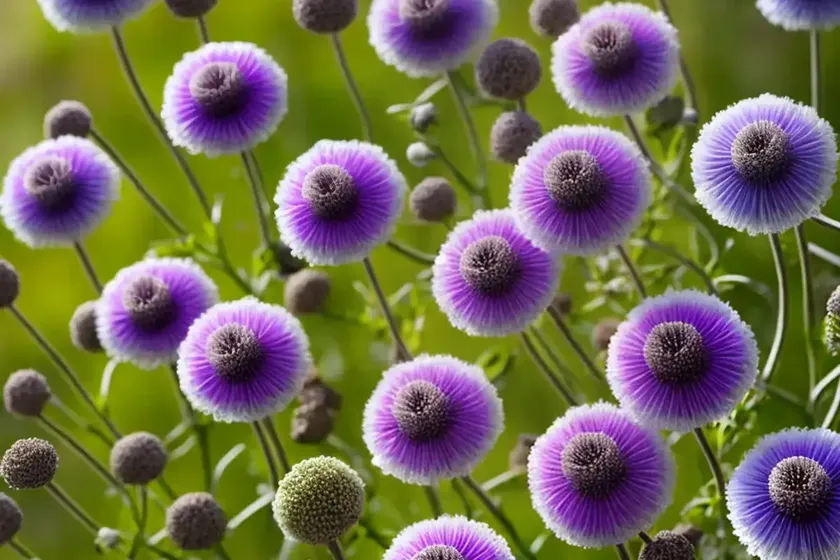
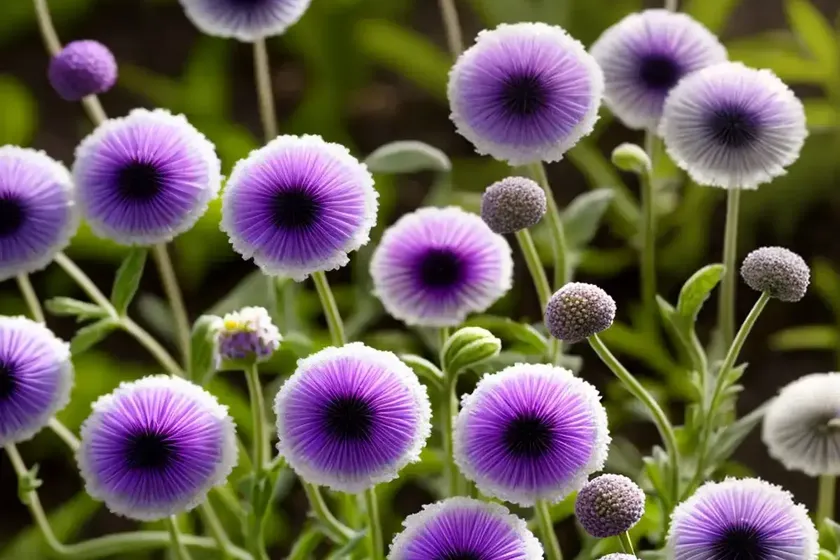
As a plant scientist and enthusiast, I have had the pleasure of exploring and studying numerous plant species. Among these, the pincushion flower (Scabiosa caucasica var. alba) has consistently stood out for its exquisite beauty, versatile uses, and fascinating characteristics. In this comprehensive guide, we will delve into the world of pincushion flowers, exploring their cultural, usage, care, and much more. Whether you are a seasoned gardener, a nature lover, or simply curious, this guide will provide you with valuable insights into the enchanting pincushion flower.
What is the Pincushion Flower (Scabiosa caucasica var. alba)?
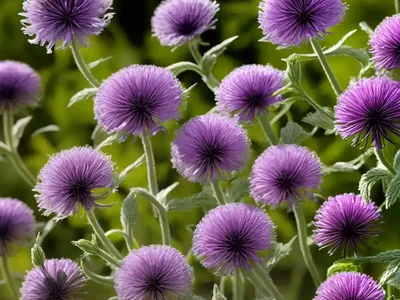
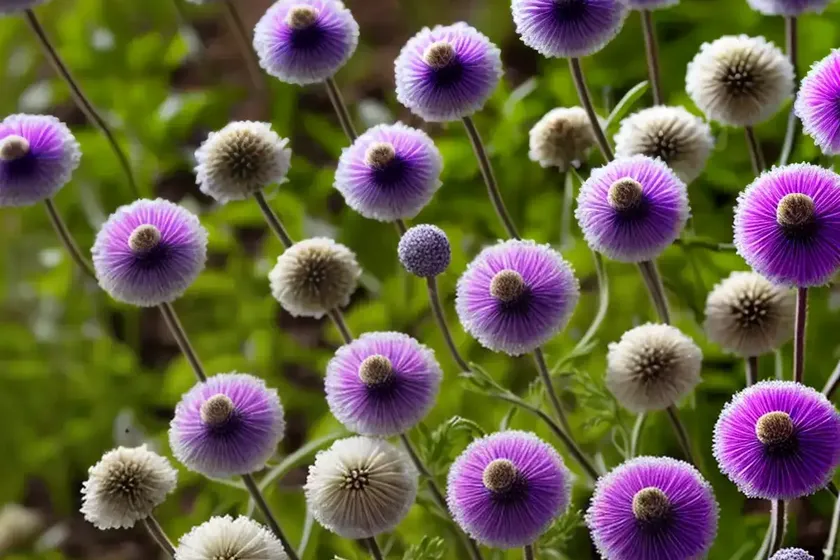
The pincushion flower, scientifically known as Scabiosa caucasica var. alba, is a charming perennial plant belonging to the honeysuckle family (Caprifoliaceae). This delightful plant is native to the Caucasus region and is renowned for its distinctive pincushion-shaped blossoms adorning slender, wiry stems.
Key Takeaways
Before we embark on our journey to understand this captivating flower, let’s start by summarizing the key takeaways about the pincushion flower (Scabiosa caucasica var. alba):
- Scientific Name: Scabiosa caucasica var. alba
- Common Name: Pincushion Flower
- Family: Caprifoliaceae
- Plant Type: Perennial
- Flower Color: White
- Native Region: Caucasus
- Notable Traits: Pincushion-shaped flowers, long blooming period, attractive to pollinators
As we explore the pincushion flower in detail, we will cover various aspects ranging from its cultural requirements to its popularity and common diseases.
Culture
Understanding the cultural requirements of the pincushion flower is essential for nurturing healthy and vibrant plants. Let’s delve into the culture of Scabiosa caucasica var. alba.
Water
Proper watering is crucial for the pincushion flower’s health and vigor. While these plants appreciate consistently moist soil, they are susceptible to root rot if they are overwatered. As a general guideline, aim to provide the pincushion flower with regular, moderate watering, allowing the soil to partially dry between waterings to prevent waterlogging. During hot and dry spells, it’s important to monitor the soil moisture closely and adjust the watering frequency accordingly.
Sunlight
Pincushion flowers thrive in bright sunlight and prefer full sun to partial shade. When planted in optimum sunlight conditions, these delightful plants produce an abundance of blossoms, enhancing the beauty of any garden or landscape. However, in regions with intense summer heat, providing the pincushion flower with some afternoon shade can offer relief and prevent excessive stress on the plants.
Soil
The pincushion flower thrives in well-draining, fertile soil. A loamy soil enriched with organic matter provides an ideal growing medium for these plants. Additionally, maintaining a slightly acidic to neutral soil pH (around 6.0 to 7.0) can support the pincushion flower’s healthy growth and blooming.
Fertilizer
Applying a balanced, all-purpose fertilizer in spring can provide the pincushion flower with the necessary nutrients for robust growth and prolific flowering. Look for a fertilizer with a balanced NPK ratio, such as 10-10-10, and follow the manufacturer’s recommendations for application rates. Avoid excessive fertilization, especially with high-nitrogen fertilizers, as this can lead to excessive foliage growth at the expense of blossoms.
Uses
The pincushion flower (Scabiosa caucasica var. alba) has a range of uses, making it a versatile and valuable addition to gardens, landscapes, and even floral arrangements. Let’s explore its various uses and applications.
Garden Ornament
As an ornamental flowering plant, the pincushion flower adds elegance and charm to gardens, borders, and flowerbeds. Its delicate white blossoms, often described as resembling pincushions, create a lovely contrast against lush green foliage, making it a sought-after choice for aesthetic landscaping.
Cut Flowers
The long, slender stems of the pincushion flower make it a popular choice for cut flower arrangements. Whether used as a standalone bloom or combined with other flowers, the pincushion flower’s striking appearance adds a touch of sophistication to floral displays and bouquets. Its extended vase life further enhances its appeal as a cut flower.
Pollinator Attraction
Pincushion flowers are known for their ability to attract pollinators, such as bees and butterflies, to the garden. By planting these nectar-rich blossoms, gardeners can actively contribute to supporting and preserving local pollinator populations while enjoying the delightful sight of these winged visitors.
Medicinal Uses
In addition to its ornamental and ecological contributions, some varieties of the pincushion flower have been historically used for medicinal purposes. While modern usage in this context is limited compared to its horticultural applications, it’s intriguing to note the historical significance of this plant in traditional medicine.
Pruning
Pruning plays a vital role in maintaining the health, appearance, and longevity of the pincushion flower. Proper pruning practices can encourage continuous blooming, prevent the development of disease, and shape the plant to enhance its aesthetic appeal.
Deadheading
Regular deadheading, which involves removing spent blooms, is beneficial for the pincushion flower. This practice not only promotes the production of new blossoms but also prevents the plant from diverting energy into seed production, thereby maintaining its focus on flowering.
Stem Pruning
When the pincushion flower exhibits excessive foliage or leggy growth, selective stem pruning can help maintain a balanced and compact plant structure. Pruning back long and unruly stems can encourage the development of a denser and more attractive plant form.
Seasonal Pruning
In regions with harsh winters, performing a thorough pruning in late fall can help prepare the pincushion flower for the dormant season. By trimming back the plant to a modest height and removing any diseased or damaged growth, you can support the plant’s resilience and vigor.
Propagation
Propagating the pincushion flower allows gardeners to expand their plant collection or share this beautiful species with fellow enthusiasts. While propagation can be achieved through several methods, dividing established plants and collecting seeds are the most common approaches.
Division
Dividing mature pincushion flower plants is an effective method for creating new specimens. To propagate through division, carefully dig up the plant and separate the root mass into sections, each containing healthy roots and stems. Replant the divisions in suitable locations, ensuring adequate moisture and care during the establishment phase.
Seed Collection
Collecting seeds from mature pincushion flower plants provides an opportunity to grow new generations of these enchanting blooms. Once the flowers have matured and developed seeds, carefully gather the seeds for storage or immediate sowing. Properly dried and stored seeds can be sown in prepared soil to initiate germination and the growth of new plants.
Popularity
The pincushion flower (Scabiosa caucasica var. alba) has garnered widespread popularity among gardeners, landscapers, and floral enthusiasts. Its timeless appeal, ease of cultivation, and aesthetic allure have contributed to its prominence in horticulture and ornamental gardening.
Ornamental Value
The delicate and captivating appearance of the pincushion flower has established it as a beloved ornamental plant. From classic cottage gardens to contemporary landscape designs, the pincushion flower’s timeless beauty transcends trends, earning it a place in diverse garden settings.
Landscape Applications
Landscape designers and horticulturists frequently incorporate pincushion flowers into their plant palettes. Whether used as a border plant, a focal point in perennial beds, or an accent in mixed plantings, this versatile flower enhances the visual appeal and biodiversity of landscapes.
Floral Industry
In the floral industry, the pincushion flower’s enduring popularity is evident in its frequent inclusion in floral arrangements, event decorations, and wedding bouquets. The delicate yet resilient nature of its blossoms and its compatibility with various flower types make it a desirable choice for floral designers and flower enthusiasts.
Common Diseases
While the pincushion flower (Scabiosa caucasica var. alba) is generally robust and resilient, it is susceptible to certain diseases that can impact its growth and flowering. Understanding and effectively managing these diseases is essential for maintaining the health and vitality of pincushion flowers.
Powdery Mildew
Powdery mildew, a common fungal disease, may affect pincushion flowers, particularly in conditions with high humidity and limited air circulation. It manifests as a white, powdery coating on the leaves, often leading to diminished plant vigor and unsightly foliage.
Root Rot
Excessive soil moisture and poor drainage can predispose the pincushion flower to root rot, caused by various fungal pathogens. This condition can result in wilted foliage, stunted growth, and overall decline in plant health.
Leaf Spot
Several fungal pathogens can cause leaf spot on pincushion flowers, leading to the formation of dark, discolored spots on the foliage. As the disease progresses, affected leaves may yellow, wither, and eventually drop, impacting the plant’s vitality and aesthetic appeal.
Disease Diagnosis
Accurately diagnosing diseases affecting pincushion flowers is crucial for implementing targeted and effective management strategies. By recognizing the symptoms and signs of common diseases, gardeners and plant enthusiasts can take proactive measures to address and prevent potential disease problems.
Inspection
Regularly inspecting pincushion flowers for any signs of abnormality, such as unusual spots, discoloration, or powdery coatings, is the first step in disease diagnosis. Thoroughly examine the foliage, stems, and flowers for any visible indications of disease.
Symptom Identification
Once abnormalities are observed, compare the symptoms with known characteristics of common pincushion flower diseases. Identifying the specific symptoms, such as powdery mildew on leaves or root discoloration indicative of rot, can provide valuable insights into the underlying issues.
Laboratory Analysis
If the symptoms and signs are unclear or if the disease is particularly concerning, seeking professional laboratory analysis and diagnosis can offer precise identification of the causative agent. This advanced approach can provide detailed insights into the specific disease affecting the pincushion flower.
Common Pests
In addition to diseases, pincushion flowers can also be vulnerable to certain pests that may compromise their health and beauty. Familiarizing oneself with common pests and their management can help safeguard pincushion flowers from infestations.
Aphids
Aphids, small sap-sucking insects, can infest pincushion flowers, leading to distorted growth, yellowing of leaves, and the development of sticky honeydew. These pests multiply rapidly and can quickly colonize plants, necessitating timely intervention.
Spider Mites
Spider mites are minuscule arachnids that feed on plant fluids, causing stippling, discoloration, and webbing on the foliage. Pincushion flowers, especially when stressed or growing in dry conditions, can be susceptible to spider mite infestations.
Thrips
Thrips are slender, winged insects that can damage pincushion flowers by feeding on flower buds and causing stippled discoloration on petals and leaves. Controlling thrips is essential to prevent unsightly damage to the plants.
Botanist’s Tips
As a plant scientist with a deep appreciation for the pincushion flower (Scabiosa caucasica var. alba), I offer the following expert tips and recommendations for cultivating these enchanting blooms successfully:
- Regular Deadheading: Emphasize the importance of regular deadheading to promote prolonged blooming and maintain the plant’s neat appearance.
- Adequate Sunlight: Stress the need for providing the pincushion flower with ample sunlight to encourage robust growth and abundant flowering.
- Balanced Nutrition: Encourage the use of balanced fertilizers to provide essential nutrients without promoting excessive foliage growth at the expense of flowers.
Fun Facts
Discovering intriguing and captivating facts about the pincushion flower can deepen one’s admiration for this exquisite plant and further ignite a fascination with its unique characteristics. Let’s explore some fun and noteworthy facts about the pincushion flower:
- Symbolism: Pincushion flowers are often associated with symbolism such as purity, peace, and admiration, adding sentimental significance to their presence in gardens and floral arrangements.
- Attracts Pollinators: The nectar-rich blossoms of the pincushion flower serve as a vital food source for pollinators, contributing to the ecological balance in garden environments.
Links to External Resources
To complement the comprehensive insights provided in this guide, I recommend exploring further information and resources related to the pincushion flower (Scabiosa caucasica var. alba) from reputable sources. The following links offer valuable content and perspectives on the care, cultivation, and appreciation of this captivating plant:
- Royal Horticultural Society – Scabiosa caucasica
- North Carolina State University Extension – Scabiosa caucasica
- Missouri Botanical Garden – Scabiosa caucasica
As we conclude our exploration of the pincushion flower (Scabiosa caucasica var. alba), I hope that this guide has provided you with a comprehensive understanding of its cultural significance, uses, and care requirements. Whether adorning gardens, attracting pollinators, or adding elegance to floral displays, the pincushion flower continues to captivate and inspire enthusiasts worldwide with its timeless beauty and allure.