Weigela Florida Spilled Wine�)
Weigela florida “Spilled Wine” is an enchanting flowering shrub known for its vibrant, wine-colored foliage and delicate pink flowers. This popular.
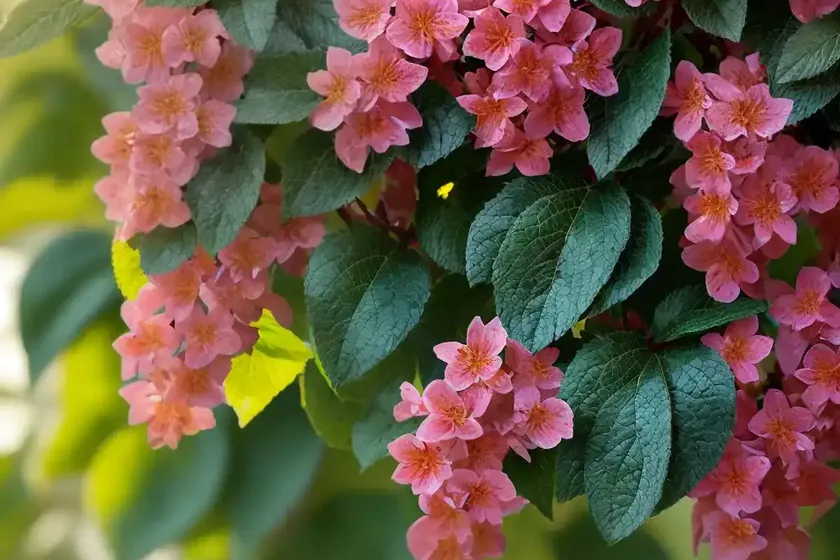
Weigela florida “Spilled Wine” is an enchanting flowering shrub known for its vibrant, wine-colored foliage and delicate pink flowers. This popular ornamental plant belongs to the Caprifoliaceae family and is cherished by gardeners for its low-maintenance nature and stunning visual appeal. In this comprehensive plant care guide, we will delve into the various aspects of nurturing and maintaining Weigela florida “Spilled Wine.”
What is Weigela florida “Spilled Wine”?
Weigela florida “Spilled Wine” is a cultivar of the Weigela florida species, a native of East Asia and Korea. This compact deciduous shrub typically reaches a height and spread of 2-3 feet and is renowned for its deep purple, wine-colored foliage, which intensifies during the summer months. Furthermore, it produces an abundance of soft, pink trumpet-shaped flowers that adorn the plant during late spring and early summer, attracting pollinators such as bees and hummingbirds.
Key Takeaways
- Plant Name: Weigela florida “Spilled Wine”
- Family: Caprifoliaceae
- Foliage: Wine-colored
- Flowers: Pink, trumpet-shaped
- Height: 2-3 feet
- Spread: 2-3 feet
Let’s explore the essential elements of caring for and cultivating Weigela florida “Spilled Wine.”
Culture
Uses
Weigela florida “Spilled Wine” is a versatile shrub that offers a multitude of uses in landscapes and gardens. It serves as an eye-catching specimen plant, adding bursts of color and texture to mixed borders and perennial beds. The shrub’s compact size makes it particularly well-suited for small gardens and urban landscapes. Additionally, it can be utilized as a low hedge or edging plant, creating defined boundaries and adding visual interest to garden borders.
Water
When it comes to watering Weigela florida “Spilled Wine,” it is crucial to maintain adequate moisture levels, particularly during the early stages of growth and establishment. Deep watering, allowing the soil to dry slightly between waterings, is recommended to encourage strong root development. Once the plant is well-established, it exhibits good drought tolerance; however, consistent watering during prolonged dry spells is beneficial to promote healthy foliage and flower production.
Sunlight
Weigela florida “Spilled Wine” thrives in full sun to partial shade conditions. Providing it with at least 6 hours of direct sunlight per day yields the best results, ensuring robust growth and an abundance of blooms. In regions with intense summer heat, some afternoon shade can help protect the foliage from scorching, particularly in zones with higher temperatures.
Fertilizer
To support the vigorous growth and flowering of Weigela florida “Spilled Wine,” regular fertilization is essential. Applying a balanced, slow-release fertilizer in early spring, just as new growth begins to emerge, provides the plant with the necessary nutrients to fuel its seasonal development. Additionally, a light application of fertilizer in the late summer or early fall can help fortify the plant’s reserves for the following growing season.
Soil
Weigela florida “Spilled Wine” prospers in well-drained, loamy soil with a slightly acidic to neutral pH range. Consistent moisture retention is crucial, but the soil should never become waterlogged, as excessive moisture can lead to root rot and other detrimental conditions. Amending heavy clay soils with organic matter improves drainage and enhances the overall soil structure, fostering an optimal environment for the shrub’s roots.
Pruning
Pruning is an important aspect of Weigela florida “Spilled Wine” maintenance, enabling gardeners to shape the plant, remove dead or damaged growth, and rejuvenate older shrubs.
Pruning for Maintenance
In early spring, before the onset of new growth, dead, weak, or crossing branches should be pruned to promote air circulation and maintain the plant’s shape. Additionally, spent flowers and unproductive wood can be selectively trimmed to encourage a more robust bloom the following season.
Pruning for Rejuvenation
If the Weigela florida “Spilled Wine” has become overgrown or appears sparse in the center, rejuvenation pruning can be conducted in late winter or early spring. This involves cutting back one-third of the oldest stems to ground level, stimulating the emergence of new growth and revitalizing the plant’s appearance.
Propagation
Weigela florida “Spilled Wine” can be propagated through several methods, including softwood cuttings, hardwood cuttings, and division.
Softwood Cuttings
In early summer, select healthy, non-flowering shoots and take 6-8 inch cuttings. Remove the lower leaves, dip the cut end in rooting hormone, and plant the cuttings in a well-draining, sterile rooting medium. Keep the medium consistently moist and provide the cuttings with bright, indirect light. After a few weeks, roots should begin to develop, and the cuttings can be transplanted into individual pots.
Hardwood Cuttings
During the dormant season, take 8-12 inch hardwood cuttings from the previous season’s growth. Remove the lower leaves and cut the upper leaves in half to reduce moisture loss. Plant the cuttings in a well-draining medium, with two-thirds of the cutting buried and one-third above the soil. Place the cuttings in a sheltered area and keep the soil lightly moist. In the following spring, the cuttings should have developed roots and can be transplanted.
Container Popularity
The compact size and ornamental appeal of Weigela florida “Spilled Wine” make it an excellent candidate for container gardening. When planted in containers, this shrub can serve as a stunning focal point on patios, decks, or balconies, bringing a touch of elegance to outdoor living spaces. Its vibrant foliage and delicate flowers create a captivating display in any container arrangement, and the portability of the container allows for versatile placement throughout the garden.
Container Care
When cultivating Weigela florida “Spilled Wine” in containers, it is essential to choose a well-draining potting mix to prevent waterlogged roots. Additionally, regular watering is crucial, as containers tend to dry out more rapidly than garden soil. Fertilizing potted Weigela in early spring and midsummer helps sustain its growth and flowering, ensuring that it remains healthy and vibrant throughout the growing season.
Common Diseases
Weigela florida “Spilled Wine” is relatively resilient to diseases, but certain issues can arise, particularly in unfavorable growing conditions. It is important to be vigilant and proactive in managing potential diseases to maintain the health and vitality of the plant.
Disease Diagnosis
Fungal diseases such as powdery mildew and leaf spot can occasionally affect Weigela florida “Spilled Wine,” manifesting as discolored or stippled foliage and diminished overall plant vigor. Proper cultural practices, including adequate spacing between plants, promoting air circulation, and avoiding overhead watering, can help prevent these diseases. Additionally, applying fungicidal treatments at the first signs of infection can mitigate the spread of the diseases and protect the plant.
Common Pests
While Weigela florida “Spilled Wine” is not highly susceptible to pest infestations, certain insects can pose a threat to its well-being.
Aphids
Aphids are among the most common pests that may afflict Weigela florida “Spilled Wine,” causing damage by feeding on the plant’s sap and excreting honeydew, which can lead to the development of sooty mold. To mitigate aphid populations, natural predators such as ladybugs or lacewings can be introduced, and infestations can be treated with insecticidal soap if necessary.
Spider Mites
Spider mites can occasionally infest Weigela florida “Spilled Wine,” particularly in hot, dry conditions. These tiny arachnids feed on the foliage, causing stippling and discoloration. Regularly spraying the shrub with a strong jet of water can help deter spider mites, and applying horticultural oil can suffocate existing populations and prevent further infestations.
Botanist’s Tips
- Companion Plants: The vibrant foliage and delicate flowers of Weigela florida “Spilled Wine” can be complemented by a variety of companion plants, including blue flowering perennials such as Salvia nemorosa and Veronica, white-flowering Hydrangea, and the contrasting golden foliage of Spiraea japonica “Gold Mound.”
- Planting Season: Weigela can be planted in early spring or fall, providing ample time for the roots to establish before the onset of harsh weather conditions in winter or summer.
Fun Facts
- The vibrant wine-colored foliage of Weigela florida “Spilled Wine” intensifies in full sun, creating a captivating display in the garden.
- This cultivar is prized for its compact size, making it well-suited for small gardens and urban landscapes.
- Weigela florida “Spilled Wine” is an excellent attractant for pollinators, including bees and hummingbirds, enhancing the biodiversity of the garden.
Links to External Resources
For additional information about Weigela florida “Spilled Wine” and related topics, please visit the following resources:
– The Spruce – Weigela florida “Spilled Wine”
– Royal Horticultural Society – Weigela florida
– Missouri Botanical Garden – Weigela florida
– University of Florida IFAS Extension – Weigela florida
In conclusion, Weigela florida “Spilled Wine” is a captivating ornamental shrub that enriches the landscape with its striking foliage, delicate flowers, and versatile uses. By adhering to the recommended cultural practices, including adequate watering, sunlight exposure, soil preparation, and vigilant disease and pest management, gardeners can enjoy the beauty and charm of this remarkable plant. Whether incorporated as a stand-alone specimen, a charming container display, or a captivating component of mixed borders, Weigela florida “Spilled Wine” is sure to captivate and delight with its picturesque presence and low-maintenance elegance.