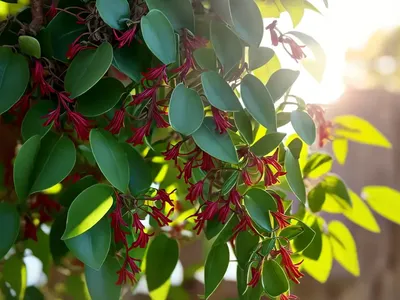
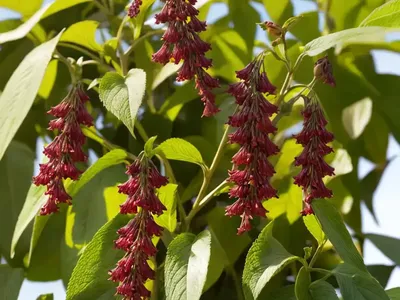
Weigela Florida My Monet�)
In the world of ornamental plants, Weigela florida ‘My Monet’ stands out as a charming and versatile shrub that captures the hearts of gardeners and.
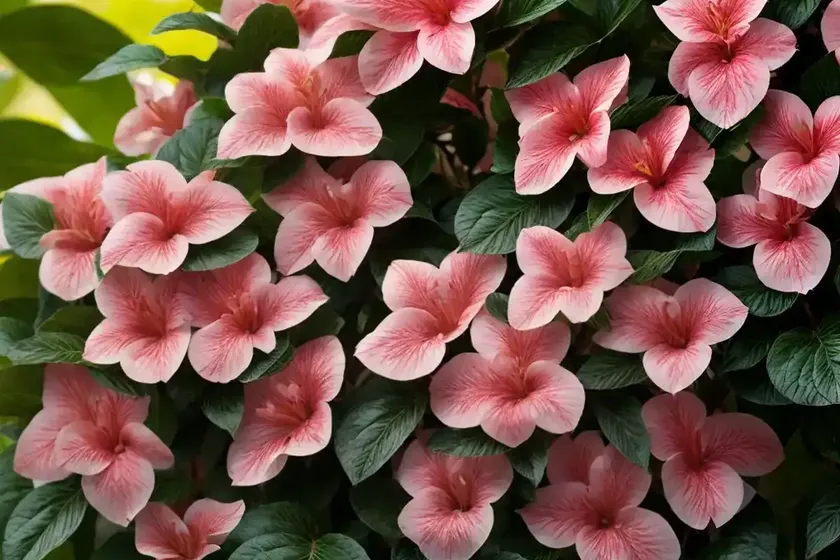
In the world of ornamental plants, Weigela florida ‘My Monet’ stands out as a charming and versatile shrub that captures the hearts of gardeners and landscapers alike. With its captivating variegated foliage and delicate blooms, this plant has become a popular choice for adding color and interest to gardens and landscapes. In this comprehensive guide, we will delve into the world of Weigela florida ‘My Monet’, exploring its culture, uses, care requirements, common diseases, pests, and much more. By the end of this article, you will have a thorough understanding of how to cultivate and care for this stunning shrub, ensuring its health and vibrancy in your outdoor space.
What is Weigela florida ‘My Monet’?
Weigela florida ‘My Monet’, commonly known as My Monet Weigela, is a deciduous shrub prized for its variegated foliage and delicate, trumpet-shaped blooms. This cultivar is a member of the Caprifoliaceae family and is derived from the Weigela florida species, which is native to East Asia. ‘My Monet’ is a compact, mounding shrub that typically reaches a height and spread of 12-18 inches, making it well-suited for use in borders, mass plantings, containers, or as a focal point in the landscape.
The most striking feature of Weigela florida ‘My Monet’ is its leaves, which exhibit a captivating variegation of green, cream, and pink, adding a splash of color to the garden throughout the growing season. In late spring to early summer, this shrub produces an abundance of funnel-shaped flowers that are adored by hummingbirds, bees, and other pollinators. The blooms come in shades of pink, creating a lovely contrast against the variegated foliage.
Key Takeaways
Before we dive deeper into the specific aspects of caring for Weigela florida ‘My Monet’, let’s summarize the key takeaways about this delightful shrub:
- Plant Name: Weigela florida ‘My Monet’
- Family: Caprifoliaceae
- Height and Spread: 12-18 inches
- Foliage: Variegated green, cream, and pink
- Flowers: Trumpet-shaped, pink blooms in late spring to early summer
- Uses: Borders, mass plantings, containers, focal points
- Attracts: Hummingbirds, bees, and other pollinators
Now that we have acquainted ourselves with the basic characteristics of Weigela florida ‘My Monet’, let’s explore the various aspects of its care and cultivation in detail.
Culture
As with any plant, understanding the cultural requirements of Weigela florida ‘My Monet’ is pivotal in ensuring its optimal growth and performance in the garden. From the appropriate watering regimen to the ideal sunlight exposure, providing the right cultural conditions will contribute to the shrub’s health and vitality.
Water
Proper watering is crucial for the well-being of Weigela florida ‘My Monet’. Like many shrubs, this plant benefits from a consistent moisture level, especially during its establishment phase and in periods of drought. While ‘My Monet’ exhibits a good tolerance to dry conditions once established, it is advisable to water it deeply and regularly, particularly during hot and dry spells.
During extended dry periods, providing the shrub with 1-2 inches of water per week is recommended, either through rainfall or supplemental irrigation. When watering, aim to moisten the root zone thoroughly while allowing the soil to dry out slightly between waterings.
Sunlight
Weigela florida ‘My Monet’ thrives in locations that offer full sun to partial shade. In regions with hot summers, providing the plant with some afternoon shade can help protect the foliage from scorching and prolong the vibrancy of its variegated leaves. When selecting the planting site for ‘My Monet’, aim to strike a balance between sufficient sunlight and some relief from intense midday rays to promote healthy growth and ample flowering.
Fertilizer
Feeding Weigela florida ‘My Monet’ with a balanced fertilizer is beneficial for encouraging robust growth and prolific blooming. Apply a complete, slow-release fertilizer formulated for flowering shrubs in early spring, just before new growth emerges. This initial dose of fertilizer provides the plant with essential nutrients to support its early development and sets the stage for a flourishing display of blooms later in the season.
In subsequent years, consider fertilizing ‘My Monet’ annually in early spring, following the guidance provided by the specific fertilizer product. Avoid over-fertilization, as excessive nutrients can lead to an abundance of foliage at the expense of blooms.
Soil
Ensuring well-draining soil with a slightly acidic to neutral pH is key to the success of Weigela florida ‘My Monet’. This cultivar appreciates fertile, loamy soil that retains adequate moisture without becoming waterlogged. Before planting, amend the soil with organic matter such as compost to enhance its structure and nutrient content, promoting a favorable environment for the shrub’s root development.
When assessing the soil moisture and drainage, be mindful of waterlogged conditions, as these can predispose the plant to root rot and other moisture-related issues. If the native soil composition is heavy and prone to poor drainage, consider incorporating organic amendments or creating raised beds to improve the growing conditions for ‘My Monet’.
Pruning
Pruning is an essential aspect of maintaining the form, vigor, and flowering capacity of Weigela florida ‘My Monet’. Regular pruning not only shapes the plant, but also rejuvenates it by promoting the growth of new shoots and enhancing the overall appearance of the shrub.
Pruning After Flowering
The ideal time to prune Weigela florida ‘My Monet’ is shortly after it finishes blooming, typically in late spring to early summer. This timing allows you to enjoy the full display of blossoms while giving you the opportunity to shape the plant and remove any spent flowers or wayward growth.
When pruning ‘My Monet’, begin by removing any dead, damaged, or diseased wood, making clean cuts just above a healthy outward-facing bud or lateral branch. Next, selectively prune the oldest stems and inward-growing branches to improve air circulation and light penetration within the shrub. This thinning process encourages the development of new growth and supports the overall health and vitality of ‘My Monet’.
In instances where the plant has become overgrown or lost its shape, consider more drastic rejuvenation pruning by removing up to one-third of the oldest stems at ground level. This rejuvenating approach can help invigorate the shrub, stimulate vigorous regrowth, and refresh its appearance.
Pruning for Variegated Foliage
Given the value of Weigela florida ‘My Monet’s variegated foliage, it is advisable to consider the impact of pruning on the aesthetic appeal of the plant. When shaping ‘My Monet’ through pruning, aim to strike a balance between maintaining its natural form and enhancing the display of variegation. Avoid excessively cutting back the branches, as this can lead to a reduction in the variegated foliage and compromise the overall attractiveness of the shrub.
In cases where the foliage becomes less variegated or shows signs of reversion to solid green, it may be necessary to gently prune the affected portions to maintain the desired variegated appearance. By selectively removing reverted shoots, you can help preserve the visual appeal of ‘My Monet’ and accentuate its striking coloration.
Propagation
For those looking to expand their collection of Weigela florida ‘My Monet’, propagation offers a cost-effective and rewarding method of acquiring new plants. ‘My Monet’ can be propagated through several techniques, including stem cuttings and division, each with its own set of considerations and best practices.
Stem Cuttings
Stem cuttings represent a popular and reliable means of propagating Weigela florida ‘My Monet’. This method allows for the creation of new plants that are genetically identical to the parent, ensuring the preservation of specific traits and variegation patterns.
To propagate ‘My Monet’ from stem cuttings, follow these general steps:
- Preparation: Gather healthy, non-flowering stems from the current season’s growth, typically in early to mid-summer.
- Cutting Preparation: With a sharp, clean pair of pruners, take 4-6 inch cuttings from the selected stems, ensuring each cutting has several sets of leaves.
- Treatment: Trim the cutting just below a set of leaves and remove the lower leaves to expose the nodes.
- Rooting Medium: Dip the base of the cutting in a rooting hormone powder to encourage root development, then plant it in a well-draining rooting medium such as perlite or vermiculite.
- Environment: Place the cuttings in a warm, brightly lit area with high humidity, and keep the rooting medium consistently moist but not waterlogged.
- Root Formation: Monitor the cuttings for several weeks, ensuring they establish roots before transplanting them into individual pots or a nursery bed.
By following these steps, you can successfully propagate Weigela florida ‘My Monet’ through stem cuttings, expanding your collection of these charming shrubs.
Division
In addition to stem cuttings, division represents another propagation method suitable for Weigela florida ‘My Monet’. Division involves separating a mature plant into multiple sections, each of which can be replanted to establish a new, genetically identical shrub.
To propagate ‘My Monet’ through division, consider the following guidelines:
- Established Plants: Identify well-established ‘My Monet’ plants that have developed multiple stems and a healthy root system.
- Early Spring: In early spring, before new growth emerges, dig up the entire plant, taking care to minimize root disturbance.
- Division: Using a sharp spade or knife, carefully divide the plant into smaller sections, ensuring each division has a robust root system and several healthy stems.
- Replanting: Transplant the divided sections into prepared soil, amend the surrounding area with organic matter, and water them thoroughly to promote establishment and new growth.
By employing the division method, you can propagate Weigela florida ‘My Monet’ and propagate the beauty and charm of this unique cultivar across your garden or landscape.
Container Popularity
Given its compact size and ornamental value, Weigela florida ‘My Monet’ has gained popularity as a container plant. Cultivating ‘My Monet’ in containers allows individuals with limited garden space or those seeking versatile decorative options to enjoy the beauty of this charming shrub in various settings.
Container Selection
When choosing a container for ‘My Monet’, opt for a well-draining pot that is spacious enough to accommodate the shrub’s root system while allowing room for future growth. Select a container with adequate drainage holes at the bottom to prevent water accumulation and maintain favorable soil moisture levels.
Consider the aesthetic appeal of the container as well, as it contributes to the overall presentation of ‘My Monet’ in the chosen location. Containers made of durable materials such as terracotta, fiberglass, or resin are well-suited for housing ‘My Monet’ and can withstand the rigors of outdoor display.
Soil and Planting
To provide ‘My Monet’ with a conducive growing environment, select a high-quality potting mix that offers good drainage and aeration for the roots. Consider blending the potting mix with organic matter or perlite to enhance its texture and structure, promoting healthy root development and moisture retention.
When planting ‘My Monet’ in a container, ensure that the root ball is positioned at the same depth as it was in the original nursery container. Backfill the container with the prepared potting mix, gently firming it around the roots, and water the newly potted shrub to settle the soil and remove any air pockets.
Care and Maintenance
Caring for Weigela florida ‘My Monet’ in a container involves attentive watering, regular fertilization, and occasional repotting to support its growth and performance. Monitor the moisture levels in the container, aiming to keep the soil moderately moist without becoming waterlogged. During hot and dry periods, it may be necessary to water ‘My Monet’ more frequently to prevent dehydration.
Regarding fertilization, feed ‘My Monet’ in containers with a balanced, slow-release fertilizer formulated for shrubs, following the application rates and schedule as indicated by the product instructions. This regimen provides the plant with essential nutrients for its sustained growth and blooming, contributing to its overall health and vigor.
Lastly, periodically assess the condition of the container and consider repotting ‘My Monet’ every 2-3 years or as needed to prevent root binding and maintain optimal growing conditions. When repotting, select a slightly larger container to accommodate the expanding root system and fresh potting mix, rejuvenating the growing environment for the shrub.
Decorative Uses
The container appeal of Weigela florida ‘My Monet’ extends to a myriad of decorative uses, allowing individuals to showcase the plant in diverse settings and arrangements. Whether placed on a patio, terrace, balcony, or within a garden landscape, ‘My Monet’ in containers adds a touch of elegance, color, and versatility to outdoor spaces.
Moreover, combining ‘My Monet’ with companion plants such as annuals, perennials, or other decorative shrubs in mixed container plantings creates visually captivating displays and offers endless possibilities for creativity and expression. By integrating ‘My Monet’ with complementary plants, you can craft stunning container arrangements that elevate the aesthetic appeal of your outdoor living areas and enhance the overall ambiance of your garden or landscape.
Common Diseases
While Weigela florida ‘My Monet’ is generally a resilient and low-maintenance shrub, it is susceptible to certain diseases that can impact its health and appearance. Being mindful of these common diseases and their symptoms equips you to spot potential issues early, take proactive measures, and safeguard the well-being of ‘My Monet’ in the garden.
Disease Diagnosis
The following are some of the notable diseases that may affect Weigela florida ‘My Monet’, along with their associated symptoms and management strategies:
Powdery Mildew
Powdery mildew is a fungal disease that can afflict ‘My Monet’ under conditions of high humidity and poor air circulation. Symptoms of powdery mildew typically manifest as a powdery, whitish coating on the foliage, often starting on the upper surface of the leaves and gradually spreading to cover larger areas. In advanced stages, powdery mildew can lead to leaf distortion, premature leaf drop, and reduced vigor in the affected shrub.
To manage powdery mildew, consider the following preventive and control measures:
- Cultural Practices: Enhance air circulation around ‘My Monet’ by spacing plants appropriately and pruning for adequate light penetration and ventilation.
- Watering: Avoid overhead watering, as the resulting moisture on foliage creates favorable conditions for powdery mildew development.
- Fungicidal Treatment: When necessary, apply a fungicidal spray to control powdery mildew, following the manufacturer’s instructions and recommendations for use on ornamental plants.
Leaf Spot
Leaf spot diseases caused by various fungi can affect Weigela florida ‘My Monet’, leading to the formation of circular to irregular spots on the leaves. These spots may appear as brown, black, or reddish lesions with distinctive margins, often accompanied by leaf yellowing and premature defoliation. Leaf spot diseases can diminish the aesthetic appeal of ‘My Monet’ and weaken the plant over time if left unaddressed.
To manage leaf spot diseases, consider the following strategies:
- Sanitation: Remove and dispose of affected leaves to reduce the spread of the disease and minimize the overwintering of pathogens.
- Watering Practices: Water ‘My Monet’ at the base to avoid wetting the foliage, reducing the risk of leaf spot development.
- Fungicidal Treatment: Utilize appropriate fungicides to control leaf spot diseases when necessary, adhering to the application guidelines and safety precautions specified by the product.
By remaining vigilant and employing these disease management practices, you can mitigate the impact of powdery mildew, leaf spot, and other diseases on the health and appearance of Weigela florida ‘My Monet’.
Common Pests
In addition to diseases, Weigela florida ‘My Monet’ can also be targeted by common pests that seek to feed on its foliage, sap, or other plant parts. Understanding the potential pests and their characteristic damage empowers you to identify infestations early and implement suitable pest control measures to protect ‘My Monet’ from harm.
Pest Identification
Several pests may pose a threat to Weigela florida ‘My Monet’, including the following notable examples:
Aphids
Aphids are small, soft-bodied insects that feed on the sap of plants, including ‘My Monet’, often congregating on the undersides of leaves and along tender stems. Their feeding activity may lead to distorted growth, yellowing or wilting of foliage, and the accumulation of sticky honeydew on the plant. The presence of aphids can compromise the health and aesthetics of ‘My Monet’ and make it more susceptible to sooty mold infestations.
Spider Mites
Spider mites are tiny arachnids that can infest the foliage of ‘My Monet’, causing stippling, yellowing, and webbing on the leaves. Under hot and dry conditions, spider mite populations can proliferate rapidly, leading to noticeable damage and weakening of the plant. Left uncontrolled, spider mites can impair the vigor and vitality of ‘My Monet’ and diminish its ornamental value in the landscape.
Pest Management
Effective pest management for Weigela florida ‘My Monet’ involves a combination of cultural practices, natural controls, and, when necessary, targeted insecticidal treatments to address pest infestations while minimizing the impact on beneficial organisms and the environment.
Cultural Practices
- Pruning: Regularly inspect ‘My Monet’ for signs of pests and prune away infested or damaged plant parts to limit pest populations.
- Sanitation: Maintain a clean garden environment by removing debris, fallen leaves, and other organic matter that can harbor pests and their eggs.
- Natural Predators: Encourage the presence of beneficial insects, such as ladybugs and lacewings, which feed on aphids and other pests, by avoiding broad-spectrum insecticides.
Insecticidal Treatment
- Targeted Applications: When insecticidal control is necessary, choose selective products that target specific pests while minimizing harm to non-target organisms.
- Monitoring: Regularly monitor ‘My Monet’ for signs of pest activity, such as distorted foliage, stippling, or sticky honeydew, and initiate control measures at the earliest indication of infestation.
By employing these pest management strategies, you can effectively address aphids, spider mites, and other common pests that may threaten the health and appearance of Weigela florida ‘My Monet’, preserving its beauty and vitality in the garden.
Botanist’s Tips
Embarking on the journey of caring for Weigela florida ‘My Monet’ is an enriching and rewarding experience, offering opportunities to observe and appreciate the marvels of nature in your garden or landscape. To guide you in cultivating ‘My Monet’ and fostering its well-being, consider incorporating the following tips and insights into your care regimen:
- Observe Variegated Foliage: Take delight in the ever-changing display of variegated foliage on ‘