Wax-rose (Pereskia Bleo)
Plants are not just mere decorations around us, but they have their unique significance and characteristics. The Wax-rose (Pereskia Bleo) is a fascinating.
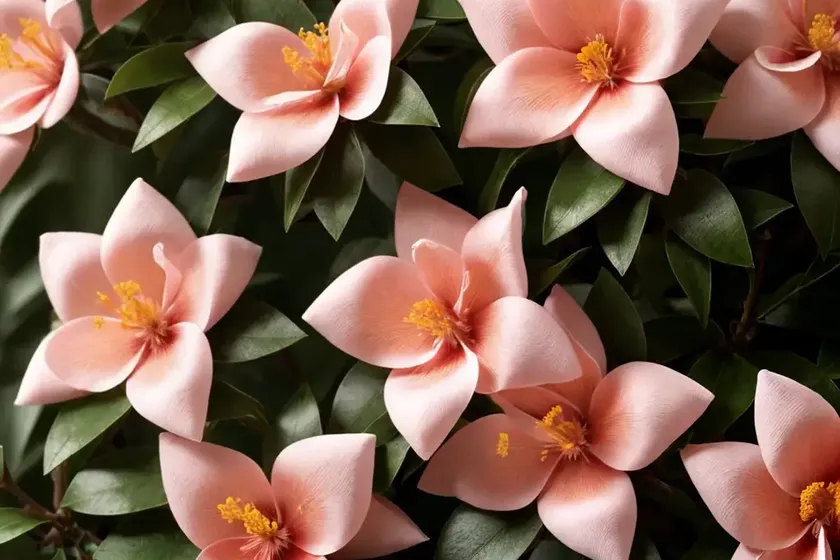
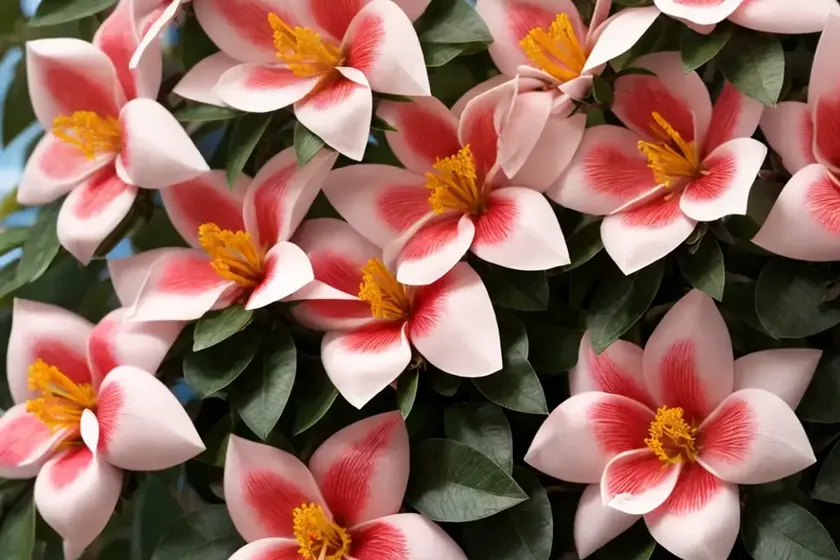
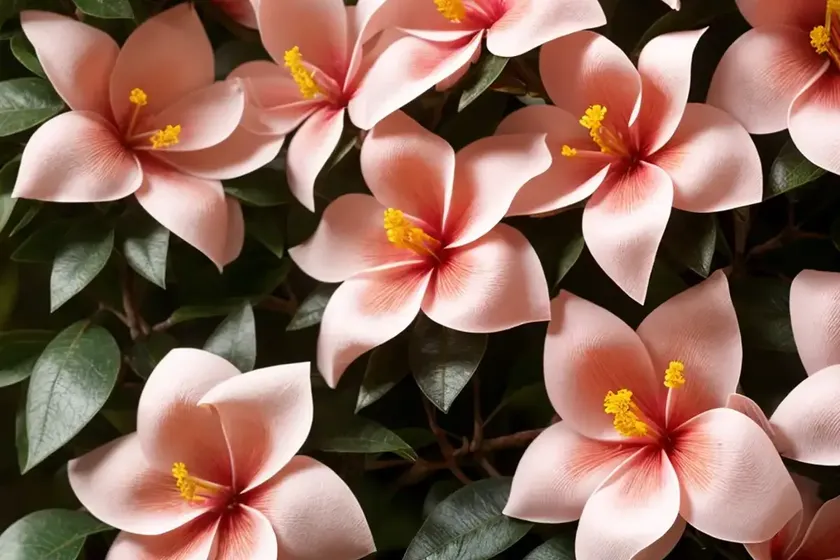
Plants are not just mere decorations around us, but they have their unique significance and characteristics. The Wax-rose (Pereskia Bleo) is a fascinating plant that deserves recognition for its cultural, medicinal, and aesthetic values. This comprehensive guide will delve into the various aspects of the Wax-rose, from its culture and uses to its care tips and unique features.
What is Wax-rose (Pereskia Bleo)?
The Wax-rose, scientifically known as Pereskia Bleo, is an evergreen shrub belonging to the Cactaceae family. Unlike other cacti, this species possesses distinct, non-succulent leaves. It is native to Central America and is commonly found in regions such as Mexico, Venezuela, and Colombia. The plant is renowned for its vibrant flowers and unique foliage, making it a popular choice for both indoor and outdoor cultivation.
Key Takeaways – Wax-rose (Pereskia Bleo)
Before diving into the intricate details of Wax-rose care and cultivation, let’s highlight some key takeaways about this intriguing plant.
- Botanical Name: Pereskia Bleo
- Common Names: Wax-rose, Rose Cactus, Wax-rose Cactus
- Family: Cactaceae
- Native Habitat: Central America
- Foliage: Evergreen, non-succulent leaves
- Flowers: Vibrant and colorful blooms
- Cultural Significance: Used in traditional medicine and folklore
- Cultivation: Suitable for indoor and outdoor gardening
- Uses: Ornamental, medicinal, and culinary purposes
Now that we have a basic understanding of Wax-rose, let’s explore its culture, uses, and specific care requirements for optimum growth.
Culture
Understanding the cultural preferences of the Wax-rose plant is essential for creating a conducive environment for its growth and development. This section will cover the plant’s water, sunlight, fertilizer, soil, and pruning requirements.
Uses
The Wax-rose (Pereskia Bleo) boasts a diverse range of uses, extending from its aesthetic appeal to its medicinal and culinary applications. Let’s delve into the various ways this plant can be utilized.
- Ornamental Purposes: The vibrant flowers and unique foliage make Wax-rose an attractive addition to gardens, landscapes, and indoor spaces.
- Medicinal Properties: In traditional medicine, various parts of the Wax-rose plant are used for their purported healing properties, including the leaves and stems.
- Culinary Uses: While not as common, some cultures incorporate the leaves of the Wax-rose plant into traditional dishes for their unique flavor and potential health benefits.
Water
Proper watering is crucial for the health and vitality of the Wax-rose plant. Understanding its water needs and implementing appropriate watering practices are essential for its overall well-being.
Sunlight
Just like other plants, the Wax-rose (Pereskia Bleo) has specific sunlight requirements to thrive. Understanding its preferences for sunlight and providing the right exposure are vital for its growth.
Fertilizer
Fertilization plays a significant role in providing essential nutrients to the Wax-rose plant. Choosing the right fertilizer and applying it at the appropriate time can significantly impact the plant’s health and vigor.
Soil
The type of soil and its quality directly influence the growth and development of the Wax-rose. Understanding the soil preferences of the plant is essential for creating an optimal growing environment.
Pruning
Pruning is a critical aspect of Wax-rose care, contributing to its overall appearance and health. Proper pruning techniques can help maintain the plant’s shape and encourage healthy growth.
Propagation
Propagation methods enable gardeners and enthusiasts to expand their Wax-rose collection and share the beauty of this plant. Explore the various propagation techniques suitable for the Pereskia Bleo.
Container Popularity
The Wax-rose plant’s versatility makes it a popular choice for container gardening. Consider its adaptability and potential applications in various container arrangements.
Container Common Diseases
While the Wax-rose is relatively low-maintenance, it is susceptible to certain diseases that can affect its overall health. Familiarize yourself with common diseases and their diagnosis to ensure timely intervention and management.
Disease Diagnosis
Identifying diseases early on is crucial for preventing their spread and minimizing potential damage to the Wax-rose plant. Learn how to diagnose common diseases and take appropriate measures to address them.
Common Pests
Pests can pose a threat to the health and vitality of the Wax-rose plant. Understanding common pests and implementing effective pest control measures is essential for its well-being.
Botanist’s Tips
Botanists and plant enthusiasts often have valuable insights and tips for successful plant care. Discover expert recommendations and best practices for growing and nurturing Wax-rose plants.
Fun Facts
Uncover fascinating and little-known facts about the Wax-rose (Pereskia Bleo) that showcase its unique characteristics, cultural significance, and more.
Links to External Resources
Explore additional resources, guides, and expert insights on Wax-rose (Pereskia Bleo) to further enrich your understanding and appreciation of this remarkable plant.
Conclusion
The Wax-rose (Pereskia Bleo) stands out not only for its aesthetic appeal but also for its rich cultural history and diverse uses. By understanding and implementing the right care techniques, enthusiasts can cultivate thriving Wax-rose plants, whether indoors or outdoors. This comprehensive guide aims to equip readers with the knowledge and insights needed to appreciate, grow, and nurture the Wax-rose, unlocking its full potential as a captivating and versatile botanical gem.