Watermelon Dischidia (Dischidia Ovata)
Plants are living organisms of the kingdom Plantae, comprising multicellular eukaryotes that carry out photosynthesis. They are essential for life on earth.
What is a Plant
Plants are living organisms of the kingdom Plantae, comprising multicellular eukaryotes that carry out photosynthesis. They are essential for life on earth as they provide oxygen, food, and habitat for various organisms. With an enormous diversity of over 390,000 species, plants come in different shapes, sizes, and forms, each adapted to thrive in specific environmental conditions. From towering trees in the rainforest to tiny mosses in the Arctic tundra, plants play a crucial role in maintaining ecological balance and sustaining life on our planet.
Watermelon Dischidia (Dischidia ovata)
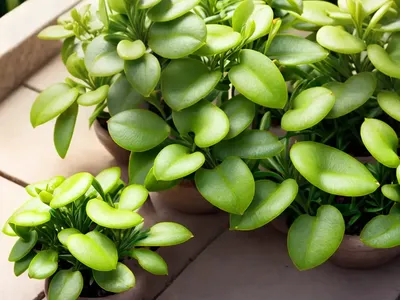
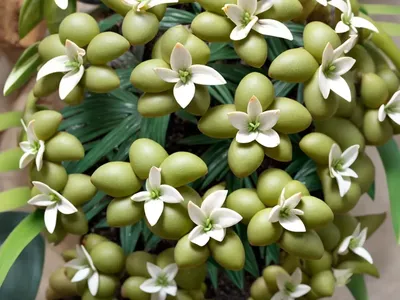
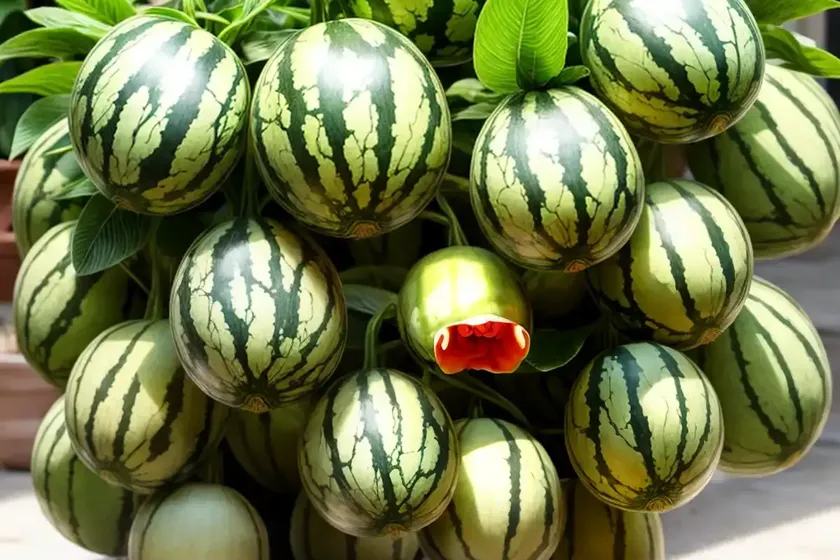
Watermelon Dischidia, scientifically known as Dischidia ovata, is an exquisite and unique plant that has captured the hearts of many plant enthusiasts. This fascinating species belongs to the Apocynaceae family, which includes around 200 species of tropical, succulent, epiphytic vines.
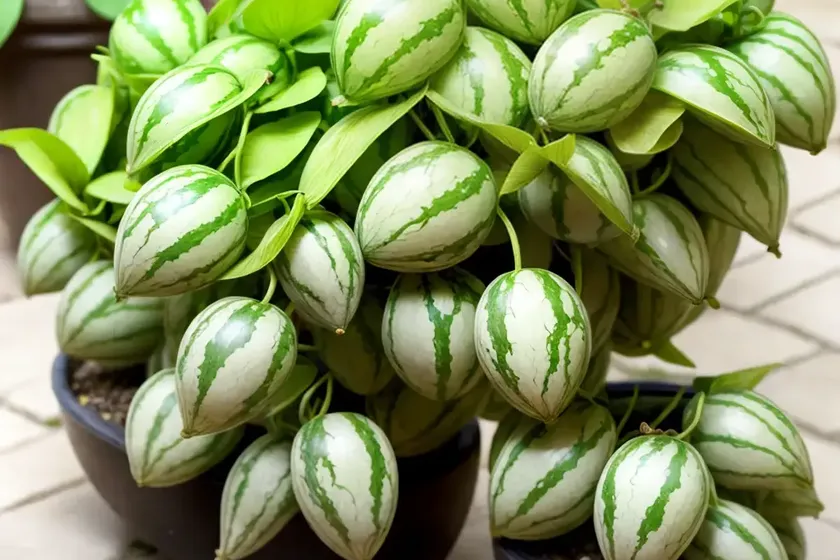
Dischidia plants are native to tropical and subtropical regions of Asia, Australia, and the Pacific. They are commonly found growing on trees and rocks in their natural habitat, thriving in high humidity and warm temperatures. Watermelon Dischidia gets its name from the resemblance of its leaves to the surface of a watermelon rind, presenting a distinctive appearance that adds a refreshing touch to any plant collection.
This comprehensive care guide will delve into the crucial aspects of cultivating and nurturing Watermelon Dischidia, shedding light on its unique requirements, growth habits, and the best practices for supporting its well-being.
Key Takeaways – Watermelon Dischidia (Dischidia ovata)
Before diving into the specifics of caring for Watermelon Dischidia, let’s take a brief look at the key takeaways that will be explored in detail throughout this guide:
- Plant Name: Watermelon Dischidia (Dischidia ovata)
- Common Name: Watermelon Dischidia, Watermelon Dischidia Plant
- Scientific Classification:
- Kingdom: Plantae
- Order: Gentianales
- Family: Apocynaceae
- Genus: Dischidia
- Species: ovata
- Natural Habitat: Tropical and subtropical regions of Asia, Australia, and the Pacific
- Distinct Features: Watermelon-like textured leaves, epiphytic growth habit
- Growing Conditions: High humidity, warm temperature, indirect sunlight
- Care Requirements: Well-draining soil, regular watering, balanced fertilizer, moderate sunlight
- Propagation: Stem cuttings, division
- Potential Challenges: Susceptibility to waterlogging, pests, and diseases
Now, let’s uncover the secrets of successfully nurturing the captivating Watermelon Dischidia and witness its beauty flourish under our attentive care.
Culture
Uses
Watermelon Dischidia serves both decorative and functional purposes, making it a versatile addition to indoor and outdoor spaces. The following are some common uses of this delightful plant:
- Ornamental Display: With its charming, watermelon-like leaves and trailing growth habit, Watermelon Dischidia is often showcased in hanging baskets, on shelves, or in terrariums, adding a touch of natural elegance to any setting.
- Air Purification: Like many other houseplants, Watermelon Dischidia contributes to improving air quality by absorbing carbon dioxide and releasing oxygen, thereby creating a healthier indoor environment.
- Living Décor: Its unique appearance and low-maintenance nature make it a popular choice for interior decoration, as it effortlessly enhances the aesthetic appeal of homes, offices, and public spaces.
Water
Maintaining appropriate moisture levels is crucial for the well-being of Watermelon Dischidia. While it requires consistent watering to support growth, it is equally important to avoid overwatering, which can lead to root rot and other moisture-related issues. The following guidelines can help in achieving an optimal watering routine for your Watermelon Dischidia:
- Consistent Moisture: Provide regular, moderate watering to keep the soil evenly moist without becoming waterlogged. Allow the top layer of the soil to dry out slightly before the next watering session.
- Water Quality: Use room-temperature water to prevent shocking the plant with extreme temperatures. Rainwater or filtered water are excellent choices as they are free from chemicals and additives that may harm the plant.
- Avoid Waterlogging: Ensure that the pot has drainage holes to allow excess water to escape, preventing water buildup at the roots. Empty the saucer or tray beneath the pot after watering to prevent the plant from sitting in standing water.
Sunlight
As a tropical epiphyte, Watermelon Dischidia thrives in bright, indirect sunlight. The natural habitat of this plant, where it often grows on trees and rocks, provides filtered light and protection from harsh, direct sunlight. To mimic these conditions in a home environment, consider the following tips for providing optimal light exposure to your Watermelon Dischidia:
- Indirect Light: Place the plant in a location where it can receive bright, indirect sunlight for several hours each day. Ideal spots may include near east or west-facing windows or in areas with filtered sunlight from sheer curtains or blinds.
- Avoid Direct Sun: Protect the plant from direct sunlight, especially during the intense afternoon hours. Direct sun exposure can lead to leaf burn and sun damage, impacting the health and appearance of the Watermelon Dischidia.
Fertilizer
Proper fertilization is essential for promoting healthy growth and vibrant foliage in Watermelon Dischidia. However, it is important to exercise caution and not over-fertilize, which can harm the plant. Follow these recommendations for successful fertilization of your Watermelon Dischidia:
- Frequency: Apply a balanced, water-soluble fertilizer diluted to half its strength every two to four weeks during the growing season (spring and summer). Refrain from fertilizing in the fall and winter months when the plant’s growth slows down.
- Nutrient Balance: Look for a fertilizer with a balanced NPK ratio (nitrogen, phosphorous, and potassium) to support overall growth and leaf development. Alternatively, use a specialized epiphytic plant fertilizer to cater to the unique nutritional needs of Watermelon Dischidia.
- Avoid Excess: Do not exceed the recommended dosage of fertilizer, as excessive nutrients can lead to salt accumulation in the soil and cause root damage. Always water the plant before and after applying fertilizer to prevent potential stress on the roots.
Soil
Watermelon Dischidia thrives in a well-draining, aerated potting mix that replicates its natural growing conditions. Selecting the right soil medium is crucial in providing the necessary support and moisture retention for the plant. Consider the following pointers when choosing and preparing the soil for your Watermelon Dischidia:
- Aerated Mix: Use a well-draining potting mix designed for epiphytic plants, such as orchid bark mix or a blend of peat moss, perlite, and coarse sand. This type of medium prevents waterlogging and provides adequate aeration for the roots.
- Moisture Retention: While good drainage is essential, the soil should also retain some moisture to support the plant’s hydration needs. Adding a small portion of peat moss or coconut coir to the mix can help in maintaining proper moisture levels.
- Avoid Compaction: Ensure that the soil is loose and porous, preventing compaction that can impede root development and water circulation. Gently press the soil to remove air pockets without compacting it excessively.
Pruning
Regular pruning is beneficial for maintaining the health, shape, and appearance of Watermelon Dischidia. Pruning also helps to manage the plant’s growth and prevent leggy or tangled growth patterns. Follow these guidelines when pruning your Watermelon Dischidia:
- Remove Leggy Growth: Trim back excessively long or straggly stems to encourage bushier, more compact growth. Make cuts just above a leaf node or stem joint to promote new growth from the trimmed area.
- Control Overgrowth: If the plant becomes too large for its space, consider strategic pruning to reduce its size while maintaining an attractive and balanced appearance. Ensure that you do not remove more than one-third of the plant’s foliage at a time.
- Sterilize Tools: Use clean, sharp pruning shears or scissors to make precise cuts, reducing the risk of injury to the plant. Sterilize the cutting tools with rubbing alcohol or a diluted bleach solution before and after use to prevent the spread of diseases.
Propagation
Propagating Watermelon Dischidia through stem cuttings is a rewarding and straightforward process, allowing you to create new plants from a mature specimen. The following steps outline the process of propagating Watermelon Dischidia through stem cuttings:
- Select Healthy Stem: Choose a healthy, non-flowering stem with several leaves and a visible leaf node. The leaf nodes are the points from which roots will develop.
- Prepare Cutting: Use sharp, clean scissors or pruning shears to take a cutting that is approximately 3 to 5 inches long. Ensure that the cutting includes at least one or two leaf nodes.
- Rooting Medium: Plant the cutting in a small pot filled with a well-draining rooting medium, such as a mix of perlite and peat moss, or a specialized rooting hormone to encourage quick root development.
- Provide Moisture: Water the cutting lightly to settle the soil around the stem and maintain consistent moisture levels. Cover the pot with a plastic bag or dome to create a humid environment that promotes rooting.
- Indirect Light: Place the cutting in a warm, bright location with indirect sunlight, protecting it from intense sun exposure. The cutting will require warmth and light to stimulate root growth.
Propagation through division is also possible, particularly when the plant has developed multiple stems or offshoots. Gently separate the individual stems and root them in small pots using the same approach as for stem cuttings.
Container
Selecting an appropriate container is crucial for the well-being of Watermelon Dischidia. The right pot provides sufficient space for the plant’s roots, promotes adequate drainage, and complements the overall aesthetic of the plant. Consider the following factors when choosing a container for your Watermelon Dischidia:
- Drainage Holes: Ensure that the pot has drainage holes at the bottom to allow excess water to escape. Proper drainage prevents waterlogging and minimizes the risk of root rot and other moisture-related issues.
- Size: Select a pot that provides ample space for the plant’s root system to grow. A slightly larger container may be beneficial for promoting robust growth, but avoid excessively large pots that retain excess moisture.
- Material: Opt for containers made of porous materials such as terracotta or unglazed ceramics. These materials allow for air circulation and moisture evaporation, benefiting the overall health of the plant.
- Aesthetic Appeal: Choose a container that complements the beauty of the Watermelon Dischidia and enhances its visual impact in the chosen setting. Consider the plant’s trailing habit and select a container that allows the foliage to spill over the edges gracefully.
Popularity
Watermelon Dischidia has gained significant popularity among plant enthusiasts and collectors, primarily due to its distinctive appearance and relatively low-maintenance nature. This plant is often sought after for its unique foliage and trailing growth habit, making it an attractive addition to indoor gardens, terrariums, and hanging displays. Its growing popularity is evident in the increasing presence of Watermelon Dischidia in plant nurseries, specialty shops, and online marketplaces, where it captures the attention of those seeking a touch of tropical allure in their living spaces.
Common Diseases
Like all plants, Watermelon Dischidia is susceptible to certain diseases and issues that can hinder its growth and overall health. Understanding the potential challenges and early signs of diseases is crucial for implementing timely interventions and preventive measures. Some of the common diseases that may affect Watermelon Dischidia include:
- Root Rot: Caused by overwatering and poorly-draining soil, which leads to the decay of the plant’s roots. Symptoms include wilting, yellowing leaves, and a foul odor emanating from the soil.
- Powdery Mildew: A fungal infection characterized by the presence of white, powdery patches on the leaves and stems. This disease thrives in humid conditions and can weaken the plant if left unaddressed.
- Leaf Spot: Manifests as dark, water-soaked spots on the foliage, often leading to leaf discoloration, wilting, and eventual leaf drop. Leaf spot is commonly caused by bacterial or fungal pathogens and may result from high humidity or improper watering practices.
- Pest Infestation: While not a disease in the traditional sense, pest infestations can significantly impact the health of Watermelon Dischidia. Common pests include aphids, mealybugs, and spider mites, which can cause leaf damage, stunted growth, and overall decline in the plant’s vitality.
Disease Diagnosis
Diagnosing diseases in Watermelon Dischidia involves careful observation of the plant’s symptoms and an assessment of its growing conditions. Here are some guidelines for effectively diagnosing and addressing potential diseases in Watermelon Dischidia:
- Physical Inspection: Regularly examine the plant for any signs of discoloration, wilting, mold, or pest activity. Look closely at the leaves, stems, and soil surface to identify any irregularities.
- Root Examination: For issues such as root rot, gently remove the plant from its pot and inspect the roots for signs of decay, darkening, or foul odor. Healthy roots should appear firm, white, and free from mushy or discolored areas.
- Environmental Assessment: Consider the plant’s watering routine, light exposure, and humidity levels to identify any factors that may be contributing to disease development. Adjust the growing conditions as needed to create a more favorable environment for the plant.
- Professional Consultation: If unsure about the diagnosis or recommended treatments, seek advice from a horticulturist, plant expert, or local extension service to receive tailored guidance for addressing the specific disease or issue affecting the plant.
Common Pests
Watermelon Dischidia may fall victim to various pests that can compromise its health and appearance if left unchecked. Understanding the common pests and implementing appropriate pest control measures is crucial for protecting the plant from infestations. Some of the pests that may target Watermelon Dischidia include:
- Mealybugs: Small, white, cotton-like insects that congregate on the leaves and stems, sucking sap from the plant and causing yellowing or wilting.
- Aphids: Tiny, pear-shaped insects that feed on the plant’s sap, causing distorted growth, yellowing foliage, and the secretion of sticky honeydew.
- Spider Mites: Microscopic pests that create fine webbing on the plant and feed on its sap, leading to stippled leaves, discoloration, and overall weakening of the plant.
- Scale Insects: Small, immobile pests that attach to the plant and feed on its sap, often appearing as raised, waxy bumps on the stems and leaves.
Implementing preventive measures such as regular inspection, maintaining plant hygiene, and providing a favorable growing environment can minimize the risk of pest infestations. In cases of severe infestations, mechanical removal, insecticidal soaps, or horticultural oils may be used to control pest populations.
Botanist’s Tips
Drawing from the collective knowledge and expertise of botanists and plant care specialists, here are some invaluable tips for successfully cultivating Watermelon Dischidia:
- Balanced Watering: Strike a balance between maintaining consistent moisture and preventing waterlogging by monitoring the soil’s moisture levels and adjusting the watering frequency accordingly.
- Humidity Enhancement: Increase humidity levels around the plant by using a pebble tray, humidifier, or grouping it with other plants to mimic its natural tropical habitat.
- Supportive Structure: Provide a trellis, moss pole, or other support for sprawling growth, encouraging the plant to develop a compact, well-structured appearance.
- Regular Grooming: Routinely remove debris, spent blooms, and dead foliage to maintain a tidy and healthy growing environment for the Watermelon Dischidia.
- Seasonal Adjustments: Adapt the care routine to accommodate seasonal changes in light, temperature, and growth, ensuring that the plant’s requirements are met throughout the year.
By incorporating these tips into your plant care regimen, you can create an optimal environment for your Watermelon Dischidia to thrive and express its full natural beauty.
Fun Facts
Let’s explore some fascinating and delightful facts about Watermelon Dischidia to deepen our appreciation for this captivating plant:
- Epiphytic Nature: Watermelon Dischidia is an epiphytic plant, meaning that it naturally grows on other structures, such as trees or rocks, without relying on soil for nutrients.
- Water-Holding Leaves: The unique leaves of Watermelon Dischidia can store water, allowing the plant to survive in environments with intermittent moisture availability.
- Hollow Leaf Connections: The stems and leaves of Watermelon Dischidia have hollow structures that can trap and retain water and nutrients, facilitating its adaptation to its native habitat.
Links to External Resources
For further information on Watermelon Dischidia and related topics, the following external resources provide valuable insights and expert guidance:
- The Spruce – How to Grow and Care for Watermelon Dischidia Plants
- Gardening Know How – Watermelon Dischidia Care
- University of Florida IFAS Extension – Dischidia Species
These resources offer a wealth of information on cultivating, caring for, and appreciating Watermelon Dischidia, providing an invaluable foundation for plant enthusiasts and aspiring botanists.
In conclusion, Watermelon Dischidia (Dischidia ovata) is a charming and distinctive plant that captivates with its unique foliage and adaptable nature. By understanding and fulfilling its specific cultural requirements, we can foster the healthy growth and graceful beauty of this delightful species, creating a flourishing green oasis in our living spaces.
Remember to always seek advice from reputable sources and consult with professionals if you encounter challenges in nurturing your Watermelon Dischidia. With dedication, attentiveness, and a touch of botanical passion, you can embark on a rewarding journey of caring for and celebrating the extraordinary Watermelon Dischidia.